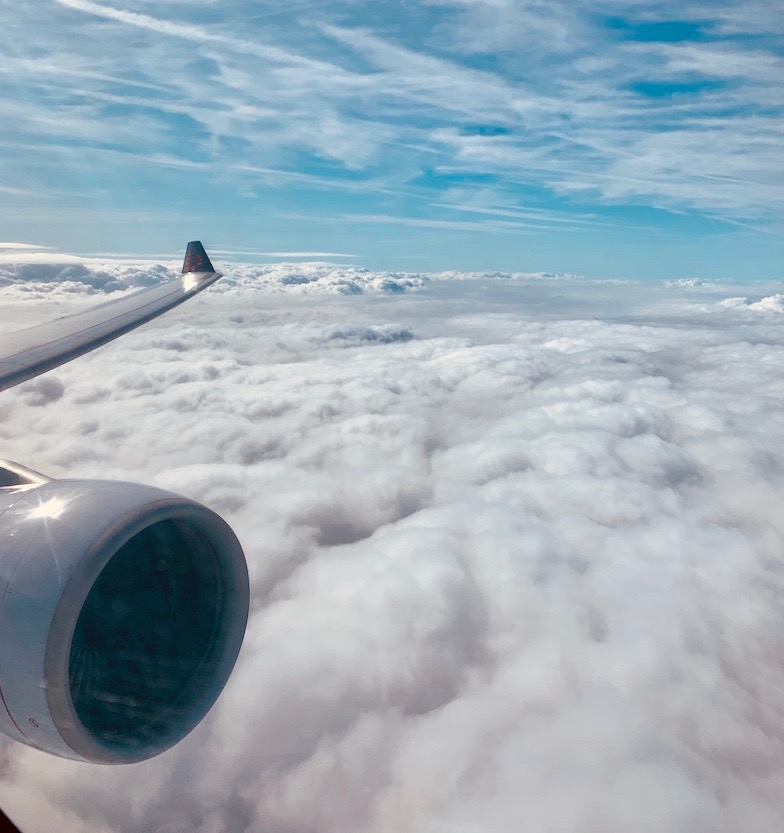
Reviews: EgyptAir Coach and Business Class

Brussels and Egypt Air reviews

The reviews on EgyptAir coach and business class are mixed at best, but are generally horrible. I have flown one round trip domestic flight and one short leg in business class on EgyptAir, which I think was enough for me to get a feel for the airline. All of my flights on this airline originated in Cairo. The Cairo Airport can be a little crowded and nuts. Please note that you must show your travel itinerary to security before they will allow you to enter the airport. 

My first flight on EgyptAir was to Luxor, Egypt. Checking in was pretty easy and what you would expect out of any airline. Before you can enter into the gate area, security will scan your luggage. You must go through security again at the gate. I experienced this on both domestic and international flights, so you should give yourself plenty of time to make your flight.

For smaller, domestic flights, it is not clear if anyone is actually manning most of the gates and it is possible no one will announce when the flight is boarding.  I only knew that my flight was boarding because people started standing up. I still do not know how they all figured it out. In the same spirit, it is also difficult to know if, when and for how long your flight will be delayed. On my return flight from Luxor to Cairo, we waited and waited. We watched the clock tick by as our boarding and departure times came and went. We did not get a single update from the staff or on the departure board.

Flying Coach

The aircrafts are between old, and very old and falling apart. The coach flights were short and sweet. We were served drinks and a pack of cookies, which is pretty standard for most domestic flights. The stewardesses are not known for their hospitality, but they were very nice on both legs of my trip.

Flying Business

I flew EgyptAir business class to Istanbul Turkey. The trip was less than three hours and the seats were what you would expect for a short haul flight. It was an old plane and the TV monitors were falling apart. However there was plenty of leg room. I am short, but it was till nice to be able to fully extend my legs. The seats laid back about half way. We received a pillow and blanket, but not travel kits.
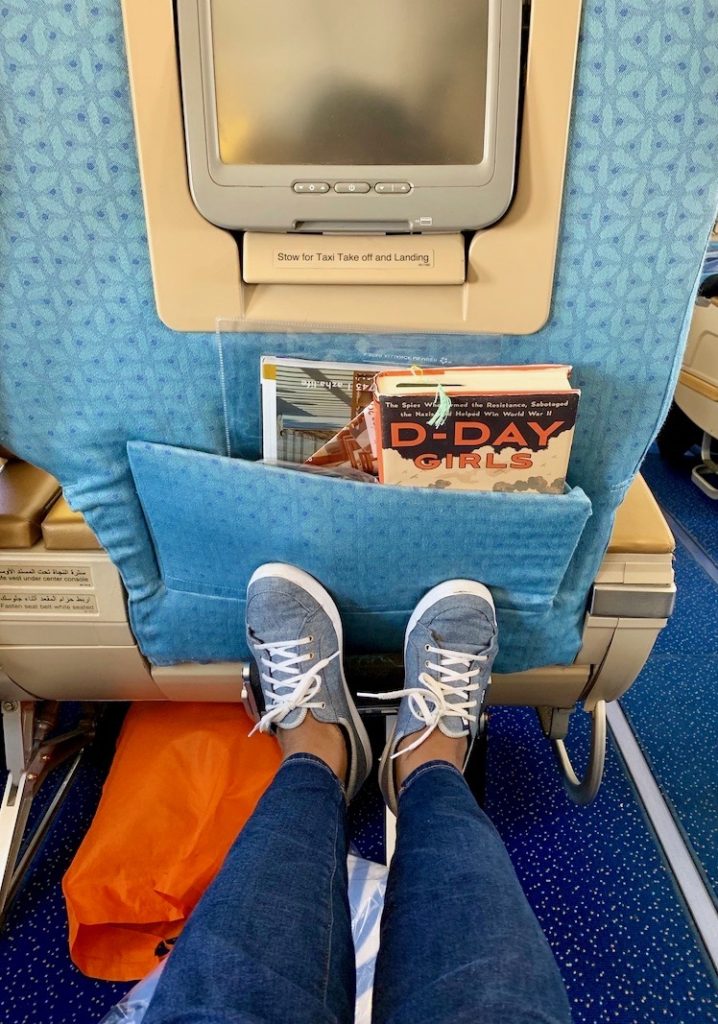
EgyptAir coach and business class
Business Class from Egypt to Istanbul, Turkey

To be honest, the food was pretty horrible. The business class food looked and tasted like United Airlines’ economy class food on international flights, which I never eat because it is so bad. They serve it on real plates, but that’s the only thing good about it. Even worse, EgyptAir is a dry airline. They do not serve alcohol, but they will allow you to bring your own onto the plane. They will give you a glass and ice if you ask.

EgyptAir coach and business class

EgyptAir is known to cancel domestic and international flights with regularity and without notice. I only flew this airline because I had no other choice. If you must fly this airline, I recommend that you have a back up plan just in case you get stuck.

Top 10 Things to Do in Luxor

Luxor

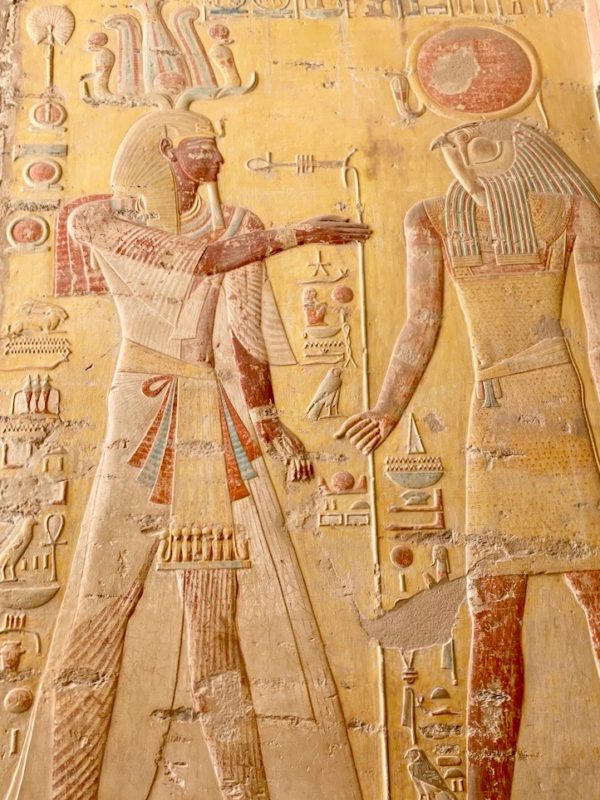
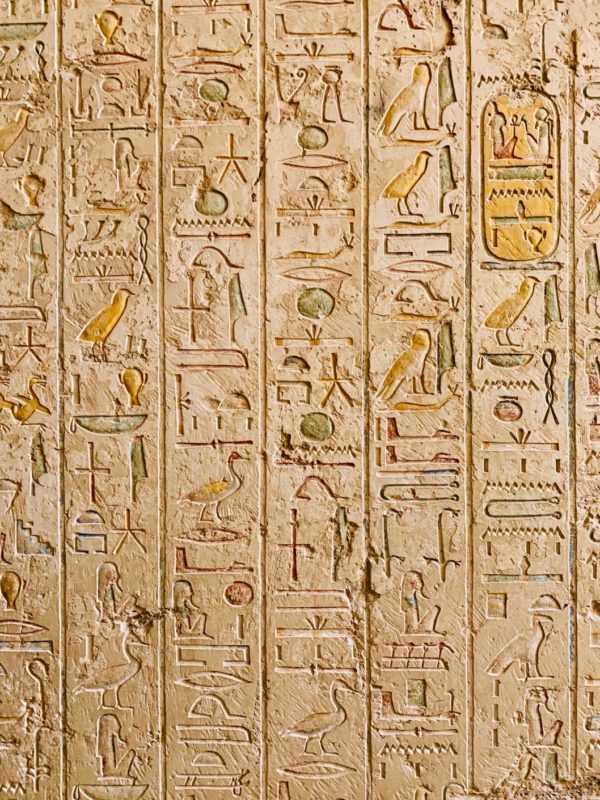
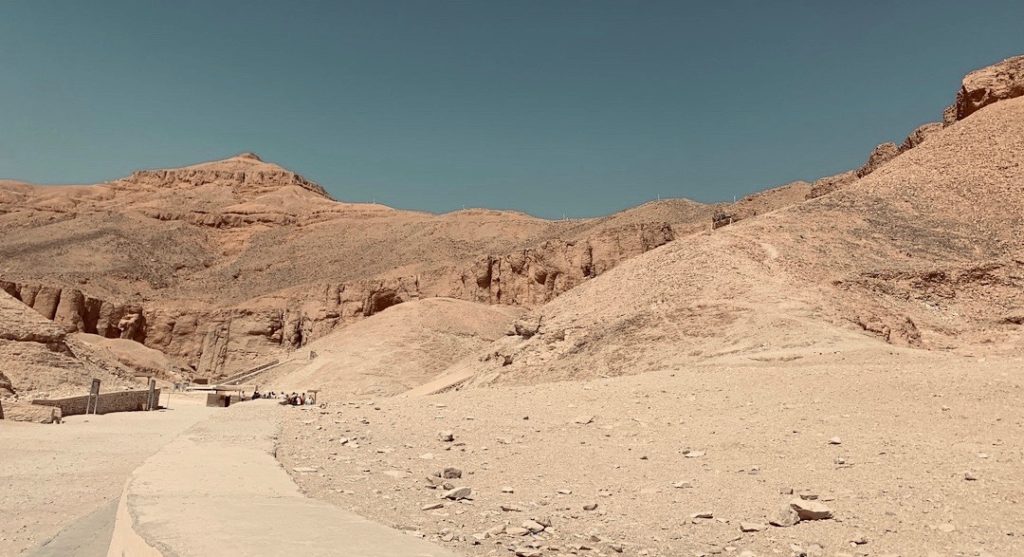
Luxor is a much quieter, smaller town compared to Cairo. However, it has some of the most well-preserved ancient ruins in the country. Many of the tombs still have colorful hieroglyphic writings, which is amazing considering that the writings are over 4 thousand years old. There are many things to see, so here are the top 10 things to do in Luxor.

1. Valley of the Kings

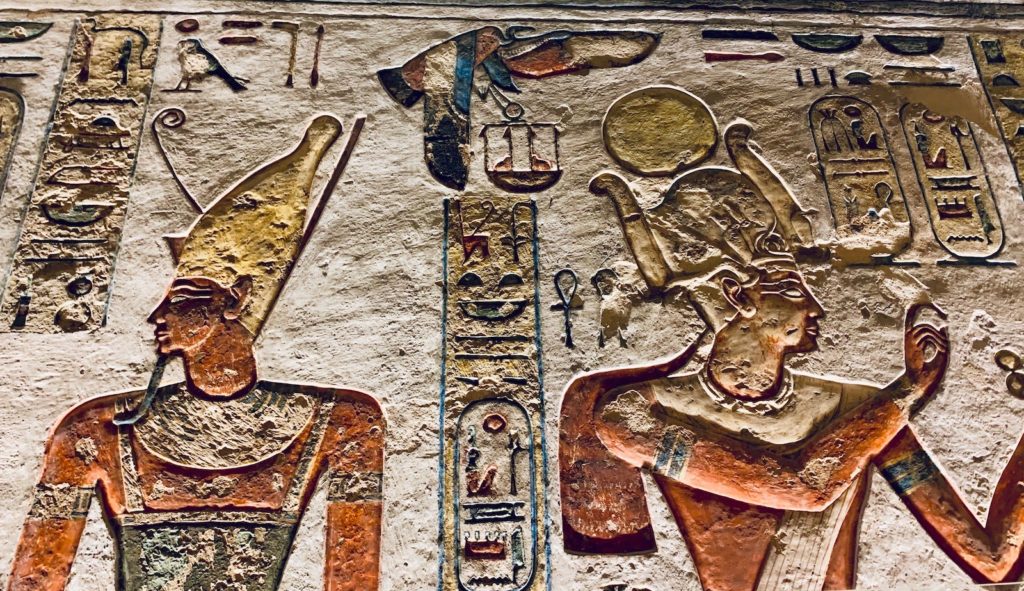
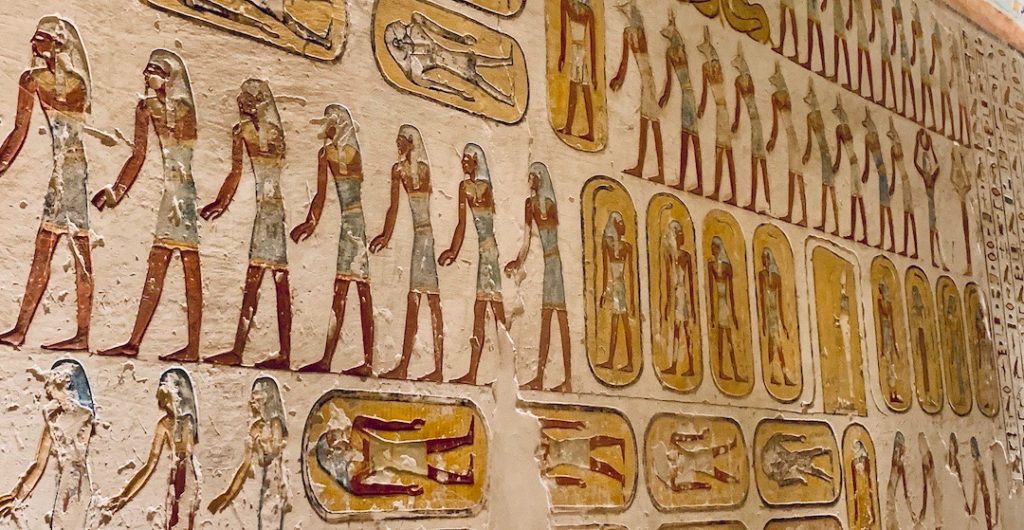
Valley of the Kings is located on the West Bank of the Nile and is where Egyptians built tombs into cut out rock for pharaohs and powerful nobles. There are 63 tombs and chambers in the valley and they are all located at different depths underground based on how long the person lived. The walls of the tombs tell stories of Egyptian mythology and funeral rituals. It is one of the highlights of Luxor.

Luxor_Valley of the Kings

2.  Tomb of Merenptah

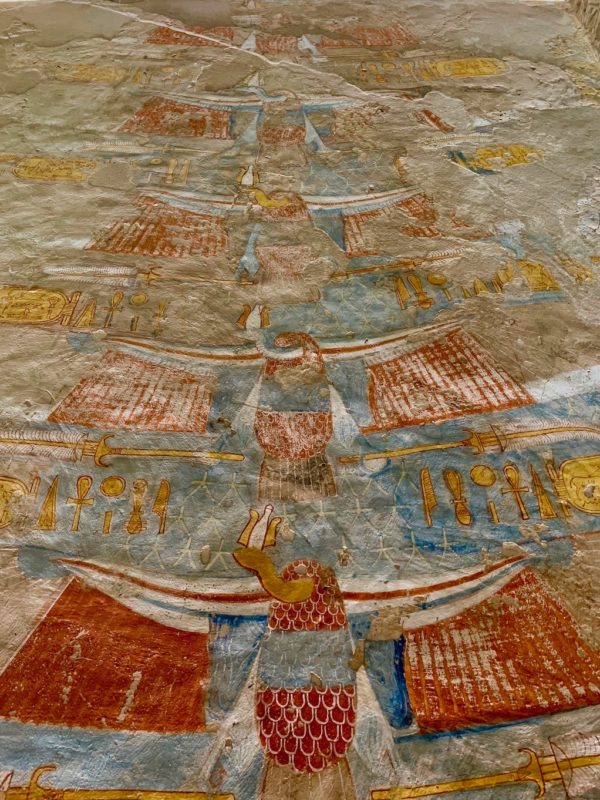
The tomb of Merenptah is located in the Valley of the Kings. He was the son of one of the greatest pharaohs of Egypt, Ramesses II. The pathway to the burial chamber extends 160 meters underground. On your walk underground, there are beautiful and interesting decorations and color stretching from the ceiling to the floors.

Luxor_Valley of the Kings

3. Tomb of Ramesses III

Located in the Valley of the Kings, the tomb of Ramesses III is one of the largest in the valley. His mummified body is not available for the public to see, but it apparently set the framework for Hollywood’s depiction of mummies.

10 Tips for Travel in Egypt

4. Tomb of King Tutankhamun

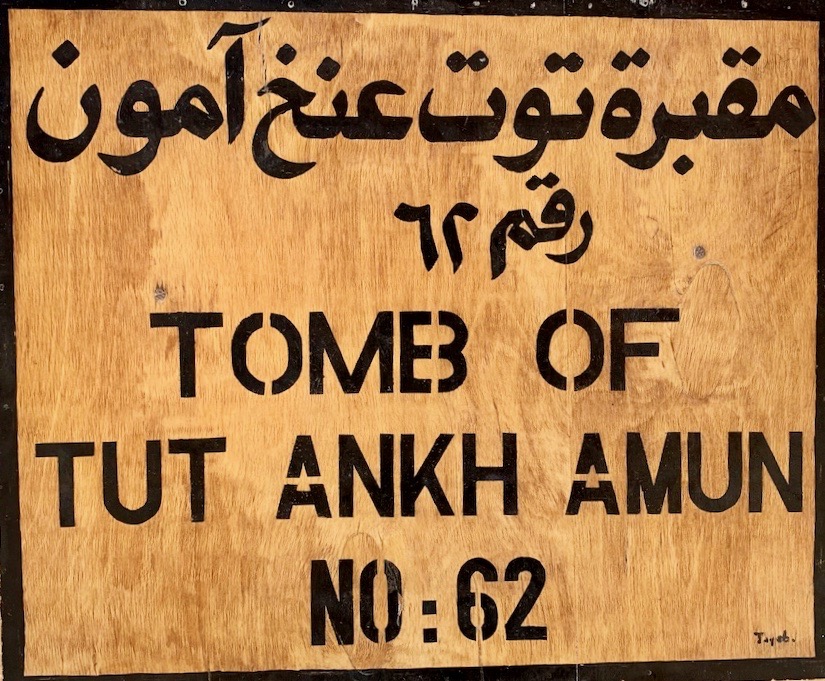
The tomb of King Tutankhamun (known as King Tut) was built quickly because he died at age 19. Because of his early death, the walls are only painted instead of carved. As a result, some would say that the paint has not survived well over time. It still looked amazing to me. You must buy an extra ticket (about $5) to visit King Tut’s tomb, but you will be able to see his mummified body, which is really cool.  You are not allowed to take photos in the tomb, even if you have a photo pass.

Luxor_Valley of the Kings

5. Tomb of Ramesses VI

His tomb is one of the largest in the Valley of the Kings. During his reign of only six years, he took on a large building program in Upper Egypt. His mummified body is now located in the Egyptian Museum.

Luxor_Ramesses III

6. Temple of Queen Hatshepsut

Luxor_Queen Hatshepsut

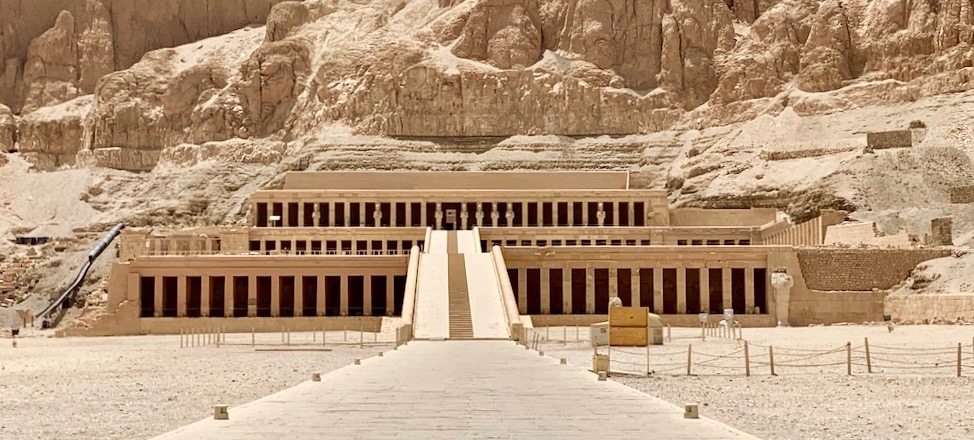
The Mortuary Temple of Hatshepsut is located near the Valley of the Kings. It is thought to be one of the “incomparable moments of ancient Egypt.” It has undergone quite a bit of restoration, but that does not take away from the interesting nature of the place. For architecture lovers, Hatshepsut’s temple is considered the closest Egypt came to classical architecture. Hatshepsut was the fifth pharaoh of the Eighteenth Dynasty of Egypt. She was the second historically-confirmed female pharaoh.

7. Karnak Temple

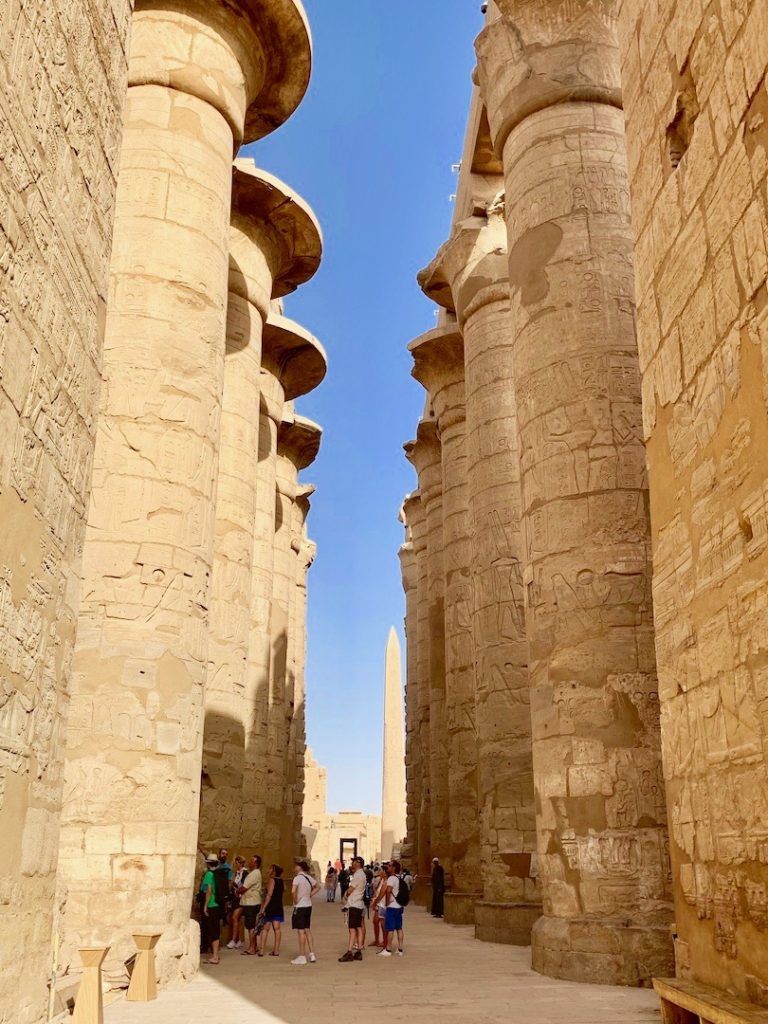
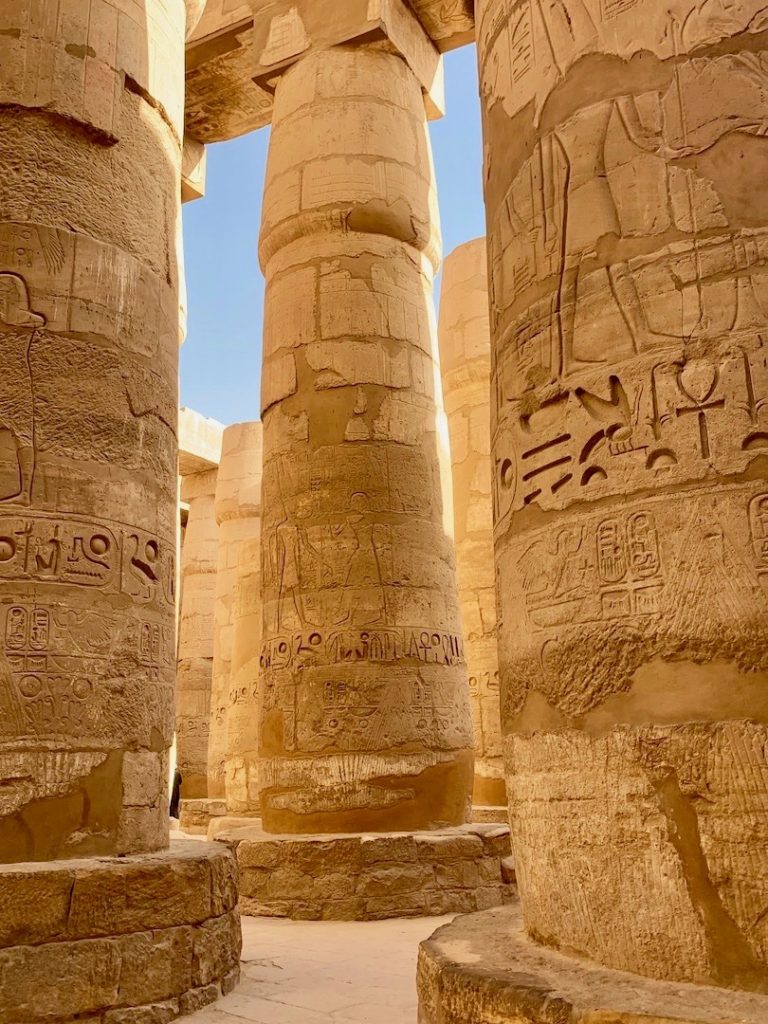
The Karnak Temple dates from around 2055 BC to around 100 AD. It is one of the largest religious buildings ever constructed. The place is massive and it is a wonder how the Egyptians even built it. Egyptians celebrated the end of the annual agricultural cycle at Karnak and Luxor for twenty-seven days. During the festival, the people were giving over 11,000 loaves of bread and more than 385 jars of beer.

8. Colossi of Memnon

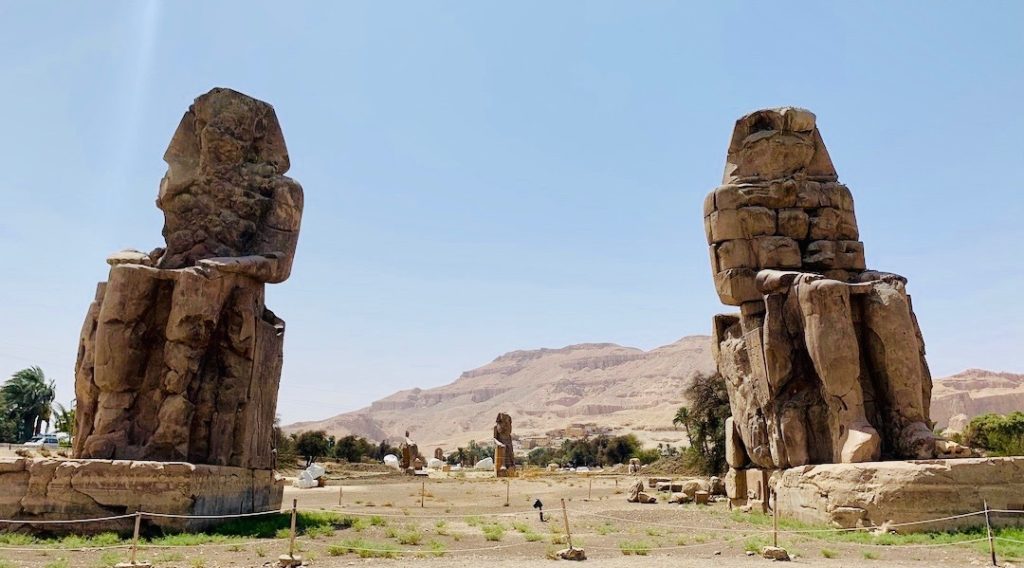
The Colossi of Memnon are two statues of the Pharaoh Amenhotep III, who reigned in Egypt during Dynasty XVII. The name comes from Memnon who was know as a hero of the Trojan War. Floods from the Nile and a large earthquake in 27 BC did a lot of damage to the statues, but their large size still feels like they are the gateway to the city.

9. Medinet Habu (Mortuary Temple of Ramesses III)

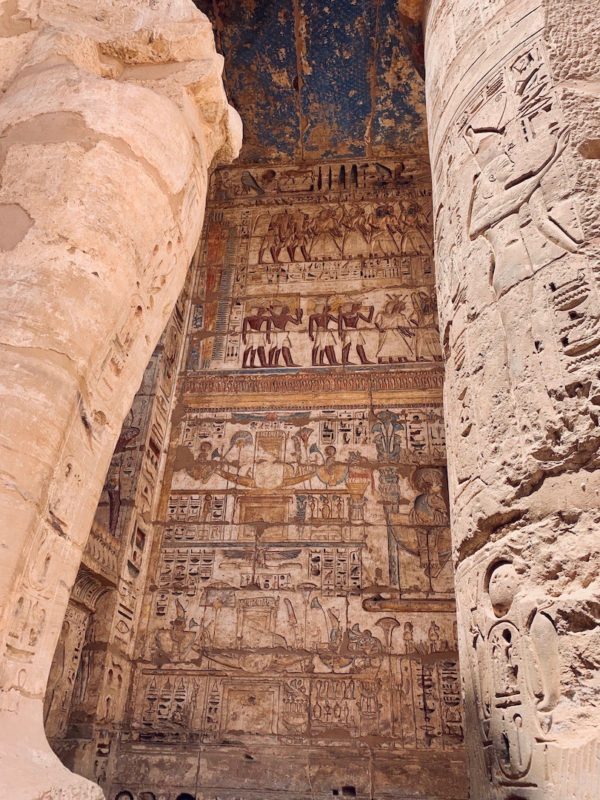
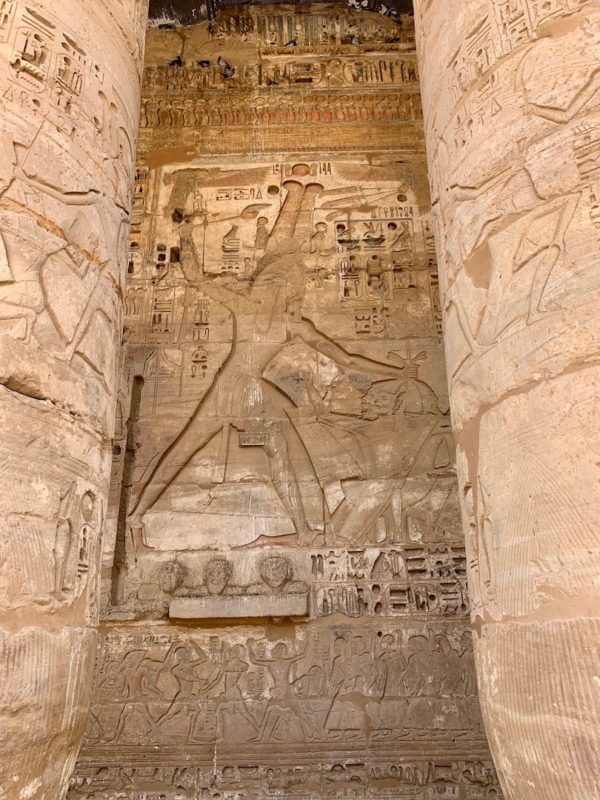
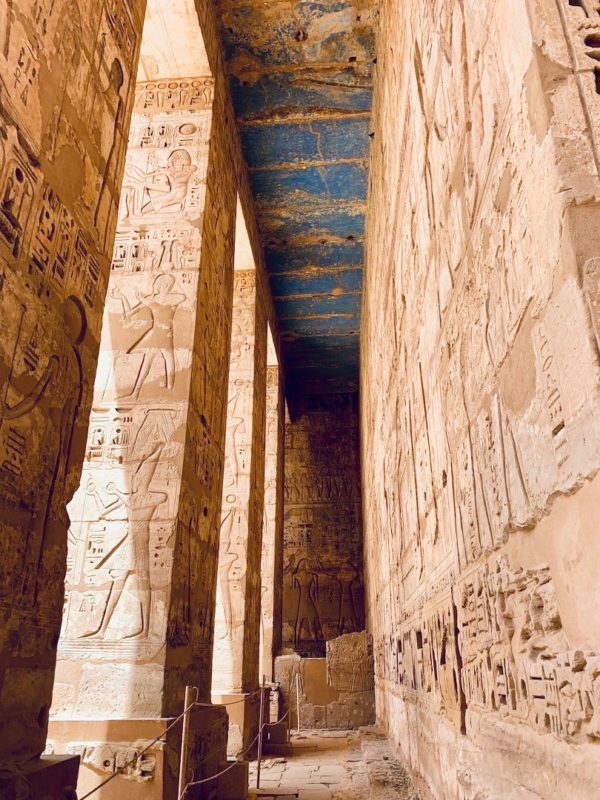
The Medinet Habu is located on the West Bank of Luxor. Tourist rarely visit the temple, but it is worth the visit, since the walls still have a lot of detail. It is known as the best source of inscribed reliefs depicting the advent and defeat of the Sea People during Ramesses III’s reign.

Luxor_Medinet Habu
Luxor_Medinet Habu
Luxor_Medinet Habu

10. The Temple of Luxor

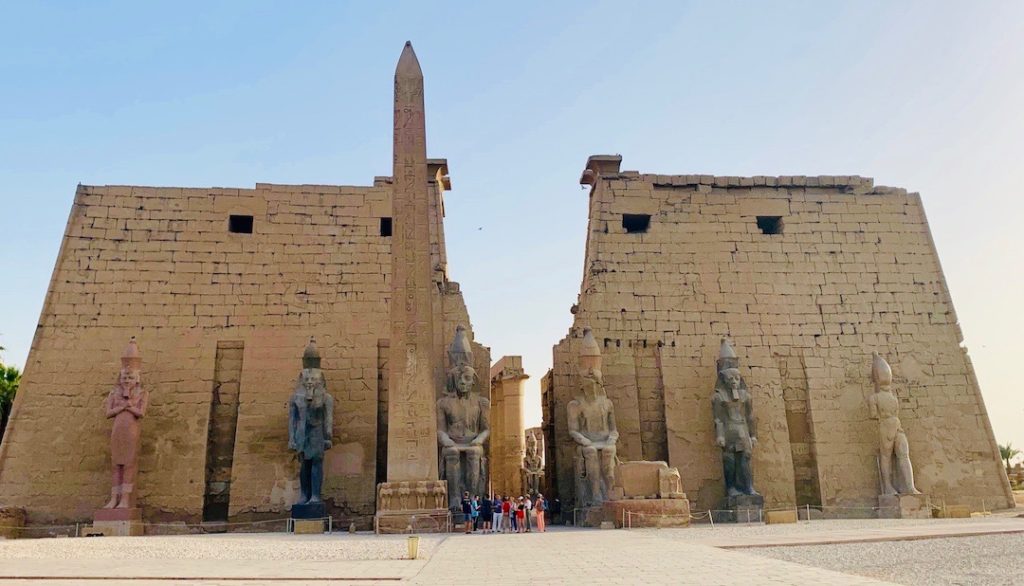
The Temple of Luxor, also known as the southern sanctuary, is the site of the famous city of Thebes. It is unlike most of the other temple, since it is not dedicated to a god or specific king’s death. However, it may have been used to rejuvenate kingship. In front of the temple is the avenue of the Sphinxes, which ran all the way to the temples at Karnak. Visit the temple at night when it is all lit up and looks like it came right out of a Hollywood movie.

Luxor_Luxor Temple

Egypt Travel Guide: Is Travel to Egypt Safe?

Egypt Travel Guide: Is travel safe in Egypt

Egypt is a desirable place to visit. There is a lot of history and beauty one can experience there. However, many people ask is travel to Egypt safe? Before you book plane tickets and tours, you should be aware of the current political and security environment.

Recent History

Cairo has experienced a lot of change. Long-time leader Hosin Mubarak was removed from power during the Arab Spring uprising in 2011. Recently, retired Field Marshal Abdel Fattah al-Sisi was elected president in May 2014. That was almost a year after he removed Muslim Brotherhood’s Mohammed Morsi from office. Since then, crowds and protests can form quickly. Do not stick around if that happens. If you are traveling with a group,  you should have a plan for if you get separated.

Current travel risks, warning

During my recent trip to Egypt, British Airways and Lufthansa canceled all flights to and from Cairo because of a security threat. The US Department of State in July 2019 released a travel warning. It advised travelers to exercise increased caution in Egypt due to terrorism. The Sinai Peninsula (with exception to travel to Sharm El Sheikh by air) and the Western desert are off limits due to terrorism. The Egyptian boarder is also off limits to travelers because it is a military zone.

General Safety

As with travel to any country, there is the potential for petty theft. However, street crime is not that common in Egypt. You should be smart and not take expensive jewelry or belongings. Make sure you carry small amounts of money and bills. I do not recommend taking any form of public transportation in Cairo as they are at risk of terrorist activity and crime. You should also keep a form of identification on you at all times. If you prefer not to carry your passport, make a copy of it and keep that with you.

Traveling as a woman in Egypt

You will almost certainly experience unwanted attention or be harassed by men during your trip. It may just be cat calling, whistling, or horn honking. However, it is also possible that someone one will try to grope you. However, it is rare for men to commit violent crime against women. Remember Egypt is a Muslim country. Dress conservatively. Do not wear shorts or short dresses. Cover your arms. T-Shirts are okay, but the longer the sleeve the better. Women do not have to cover their heads.

10 Tips Before Traveling to Egypt

10 Tips for Travel in Egypt

Traveling to Egypt can be overwhelming. English is not widely spoken and unless you have grown up in the Middle East, it can be difficult to navigate the culture. Here are 10 tips before traveling to Egypt to help make your journey easy and allow you to enjoy everything the country has to offer.

Arriving in Egypt

Visas are required for Americans traveling to Egypt. It cost $25 for a single entry, 30-day visa, which you can obtain on arrival. You can also get a multiple entry visa for $60. Be mindful that Egyptian immigration officials have denied entry to travelers without explanation, however is rare. If you are arriving from Israel or Gaza, check out the US Department of State’s travel website for additional information.

Departing Egypt

Make sure you have a copy of your flight itinerary with you. You will have to show it to security before they allow you to enter the airport in Cairo.

Safety in Egypt

Crime in Egypt is actually quite low. Occasionally, travelers may have their purses or backpacks snatched off their arms by people riding by on motorbikes, but that is rare. The main concern is an increased risk of terrorism in Egypt, particularly in Cairo. For more information, read my post on is it safe to travel to Egypt in 2019? 

Hire a tour guide

You can definitely get around Cairo via taxi, but I recommend that you join a tour group to visit the sites. You can also work through your hotel, but I can guarantee they will be way more expensive to provide the same or lesser experience. I used Emo Tours Egypt. They were very knowledgable and took great care of me during the tour. Egypt Tours also has great reviews. Without a tour guide, you may be subjected to harassment from the locals who want to show you around the city for pay. You may also be taken advantage of and scammed.

Checkpoints

There are checkpoints all over the city, so do not be worried the first time your driver gets stopped. They will generally ask the driver where you are going, how many people are in the vehicle, nationality, are there any VIPs, and your follow-on destination.

Public Restrooms

You generally have to pay a small fee, about 5-10 EGP, to enter public bathrooms. You may also want to keep a small amount of toilet paper with you. Be mindful that sometimes the toilet paper is located at the bathroom’s entrance rather than the in the stalls.

No PDA

You should remember that Egypt is a Muslim country. While there is a mix of religious and secular behavior, public displays of affection should still be avoided. It is a lot more common and customary to see to men greet each other with a kiss as a sign of friendship.

Dress

As I mentioned above, Egypt is a Muslim country, so conservative dress is appropriate. I did see a lot of men and women tourists wearing shorts and spaghetti strapped tops, but I do not recommend it. You will draw lots of attention from the locals and your goal should be to blend in, not stand out. Egypt is blazing hot during the summer, but I still recommend that you not wear shorts. Women should not wear low cut tops or short shorts. Women do not have to cover their heads.

Egypt is warm and hot!

I have been to Egypt twice. I traveled in February, when it was about 70-75 degrees and in July, when temperatures reached almost 120 in Luxor. Most of Egypt’s main attractions and “museums” are outdoors. Being outside for 10 or more hours a day in very hot weather can be rough on most people. I recommend that you pack a hat, sunscreen, and lots of water if you plan to travel to Egypt during the summer.

Be mindful of unlicensed tour guides

If you are wondering the sites in Egypt and it is clear that you are not part of a tour group, locals or uncertified tour guides, will try be helpful and show you around. It may seem like they are just helping you out of the goodness of their hearts and out of pride for their country, but they are looking to be paid. It could be as simple as pointing you in a direction. In Egypt, the art of asking for a tip is called Baksheesh

This also applies to people trying to assist with your luggage when you leave the airport or enter your hotel. If you let anyone take your baggage at any point, they will ask for a tip. There is nothing wrong with this if that is what you want to do. However, be aware that if you pull money out, you may soon have a crowd around you.

Cell phone access. It is worth it!

Taking an unlocked phone or one that will work on the Egyptian network will save you a lot of headache. Many Egyptians do not speak English, so simple things like getting in a cab and providing directions can be a challenge. Being able to use your phone to map out where you need to be or order an Uber, will make your trip much easier.

Gorilla Trekking in Rwanda: The Ultimate Guide

Gorilla Trekking in Rwanda

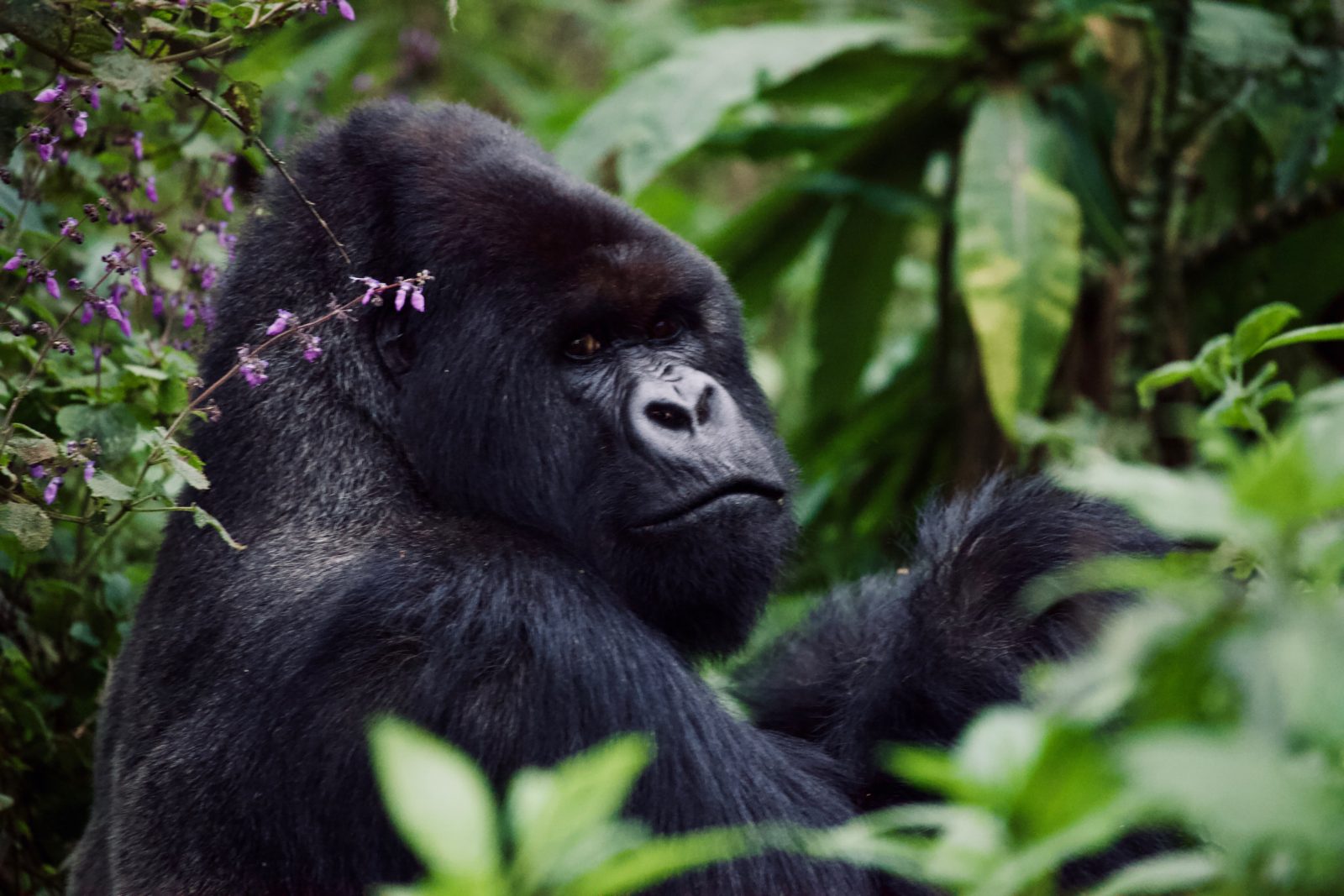
I am drawn to nature, but there are few things that have been as awe-inspiring as gorilla trekking in Africa to see gorillas in their natural habitat. I almost did not check this item off of my bucket list because it is quite an expensive adventure. However, I am so glad that I did not miss out on this opportunity.  The Gorilla Berengei Berengi (Mountain gorilla) lives in the Congo, Rwanda, and Uganda. There are some 900 gorillas that remain in the region as the numbers have dwindled due to poaching. That makes this experience even more amazing. 

Bucket List: Moroccan Desert Tour

What to Expect

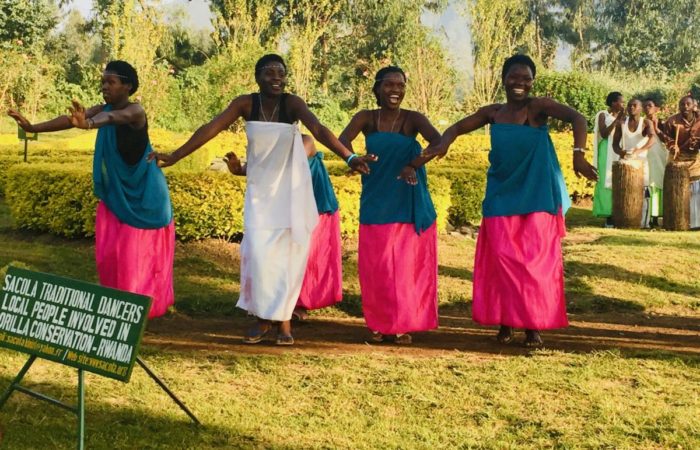
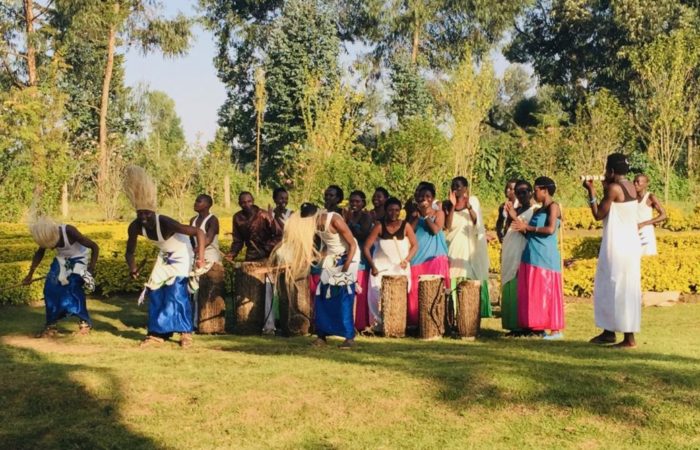
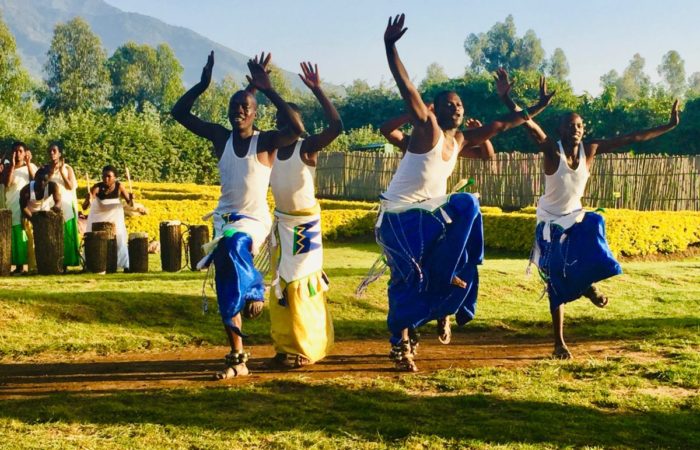
After an early rise, you will meet up with a crowd of other excited trekkers in the Volcanos National Park. Before you are divided up into groups of 8 people, dancers perform the Rwandan Traditional Dance.

Gorilla Trekking in Rwanda_pic 1
Gorilla Trekking in Rwanda_pic 3
Gorilla Trekking in Rwanda_pic 2

Depending on where you start gorilla trekking, it may take you up to 1.5 hours to drive to small villages near the mountain and another 30-45 minutes to reach the base of the mountain. Before the trek, you will be able to hire a porter for about $20, which I highly recommend, to carry your belongings and help you up the mountain.

Before you begin gorilla trekking, your guide will talk to you about safety, respect, the gorilla community. They will also discuss something about the family you will meet. Now the real hike begins!!

We walked through a beautiful bamboo forest and then we started the climb. Gorilla trekking is TOUGH. Your guides will barely break a sweat as they cut back the thick forest and bamboo to make a path. Meanwhile, you huff and puff up and question your choices in life. The trek can last anywhere from 30 minutes to several hours.

My group had a very steep, 3 hour climb. Just as we started to question what we had gotten ourselves into, we found a large family of gorillas with twin babies.

We even had a close encounter with a naughty black back who jumped out of a tree right in front of us. After 1 hour with the gorillas, we started our hike down the mountain, which was a much easier task. Our trek was 6 hours round trip. It was worth it.

What to Pack for Gorilla Trekking

• Long pants and long-sleeved shirts: Even if it is hot, you will want to be covered to protect your skin from stinging nettles

• Hiking boots: No flip-flops!! You will have major regrets if you choose to hike with exposed feet. However, I recommend keeping a pair in your backpack for when you complete the hike. Your feet will want relief after hours of hiking.

•Rain jacket:  Even if there is not call for rain, it could happen suddenly.

•Plenty of water and lunch or snacks: Remember, you may be hiking for hours

•Good Camera: I took a very expensive camera and lens, put them in my backpack, and let my porter carry it until we found the gorillas.

• Plastic bag for muddy boots. Our hotel cleaned our Boots, but not every hotel offers that service.

•Hats, sunglasses, and sunscreen.

•Binoculars

Book your trip for gorilla trekking well in advance of your planned travel. The number of trekkers is limited to about 56 per day to protect the habitat. The permit for foreign visitors to trek in Rwanda is $1500pp. If that is outside of your budget, the permit in Uganda is much cheaper at $600.

Enjoy going on Safari? Check out this post: Planning your Safari in Kenya

5 Tips for Easy Travel in Kenya

travel in kenya

Travel in Kenya is probably one of the highlights of my all of may travel experiences. I love all the many facades of the country. From city life, to the mountains; from the coast to safari parks, there is so much to love about this country. As much as I enjoy traveling on the African continent, it can be a little daunting if it is your first time traveling there no matter the country. Kenya is no exception. Here are my 5 tips for travel in Kenya to hopefully make your experience more enjoyable.

1. Getting Around Kenya

One of the hardest things about travel to Kenya can be getting around the country. If it is your first time in Kenya, I recommend using a Nairobi-based travel agency, Travel Affairs, to book travel around the country and all of your safaris. To get around Nairobi and for day trips to the surrounding areas, you should hire a taxi for the day. It is completely normal and fairly affordable for the amount of things you can see in one day in the city.

I almost exclusively use Moshel Tours and Travel run by a great guy named Moses (+254 726937965/Moses.mbogo@yahoo.com). Moses has a fleet of drivers who you can call anytime of the day to help you get around the city. He even owns a safari vehicle with an open top, perfect for a safari in the Nairobi National Park. I have used and relied on his company since 2012 for almost all of my travel in Nairobi as well as travel outside of the city.

If you would prefer to book a tour, Viator.com, is a great option.  I use Viator for most of my travels. Regardless of what you chose, for about 7-8 hours of sightseeing in Nairobi, you should pay no more than $100-120.

I would avoid riding in boda bodas (motorcycle taxi) because traffic is crazy and they are more prone to getting into accidents. I would avoid matatus (van taxi) because they are generally packed with riders, do not follow the rules of the road, and you risk being robbed. Finally, I would not take an Uber in Nairobi. Things may have changed, but Uber drivers occasionally come under attack from other taxi drivers because Uber offers lower prices. Make sure you take reputable taxis. You put yourself at a higher risk of being in an accident in non-reputable taxis. Others may disagree, but I’ve spent a lot of time in Kenya and that is my take.

2. What to Pack: Bring layers

Travel in Kenya will require you to pack for a range of weather you may experience in one trip. The equator runs through Kenya, so one would think that it is blazing hot all of the time. Well, not quite. Elevation in Nairobi is 5,889 feet (1,795 meters) above sea level, so the temperature is fairly pleasant all year, averaging in the 70s. In the winter months (June – September), temperatures can drop to the 40s at night and in the summer (December – March), temperatures can rise to almost 90 degrees.

However, travel to Kenya during all times of the year, it tends to be a tad cooler in the mornings and evenings. It’s best to pack a pair of pants and a jacket regardless of when you travel. This is especially true on Safari. Game drives start early in the morning when it is chilly but can become uncomfortably hot during the day.

Of course, if you are traveling to the mountains, it will be cold, the rest of the country fairly hot all year, and the coast is very humid. Pack a hat or sun visor, and plenty of sunscreen.

3.  Shots/Medicine

Before you travel to Kenya, I recommend that you check out the Centers for Disease Control (CDC) and the World Health Organization’s (WHO) travel vaccine and health advice at passporthealthusa.com. You should definitely pack sunblock. The pleasant temperatures, particularly in Nairobi, can be deceiving. Kenya’s proximity to the equator can lead to sunburn even when it does not feel that warm outside.

If you are only traveling to Nairobi, anti-malaria medication is generally not required as mosquitoes do not carry the malaria virus at that elevation. However, it is recommended to take anti-malaria medication if you are traveling to other parts of Kenya. Mosquitos are prevalent no matter what city you are visiting, so pack mosquito repellent.

4. How to Get a Visa for Kenya

I think that before you travel to Kenya, you apply for a visa for Kenya online. It is required for all US citizens and is relatively simple to acquire online. I highly recommend printing off the submitted form and taking it with you to Kenya. From time to time they cannot find a request in the system and having the form may prevent you from having to pay twice.

5. Haggling/Shopping 

The only think I really do not like about travel to Kenya is haggling. Okay, so I HATE to haggle, but it is part of many cultures, to include the Kenyan culture. There are a lot of amazing and interesting things to buy in Kenya from affordable souvenirs–what we call Kenyan swag–to beautiful hand-carved furniture, woven and leather purses, jewelry, and clothing from patterned African cloth. It is common to negotiate the price on all of it. Most brick and mortar shops have fairly set prices. However, all outdoor markets expect negotiation.

Don’t be shy!! Unless you are clearly African to the seller, the first price will be way higher than the average price a Kenyan would pay, which makes perfect sense. My philosophy is to negotiate to a price I am comfortable with regardless. If you do not like the price, politely walk away.

If you are unsure about what is fair, ask your driver or tour guide. They generally have an idea of what you should pay. Just remember, people are trying to make a living by selling you their goods. You do not/not have to buy anything, but be polite about it. Just my two cents!

6.  Safety First

Before you travel to Kenya, here are a few safety tips:

  • I recommend checking out the State Department’s Kenya Travel Advisory to get the latest on crime and terrorism.
  • I love the food in Kenya and there is a lot of variety, but it is definitely possible to end up with an upset stomach. Stay away from street food and consider having your red meat cooked with as little pink as possible.
  • Credit cards work in most brick and mortar shops and restaurants. You will definitely need cash on hand, but travel with only what you think you will spend each day.
  • As I mentioned above, you should steer away from boda bodas and matatus, as they can be dangerous in chaotic city traffic. Stick to named taxis for getting around.
  • Do not travel with a lot of jewelry.