Reviews: EgyptAir Coach and Business Class

Brussels and Egypt Air reviews

The reviews on EgyptAir coach and business class are mixed at best, but are generally horrible. I have flown one round trip domestic flight and one short leg in business class on EgyptAir, which I think was enough for me to get a feel for the airline. All of my flights on this airline originated in Cairo. The Cairo Airport can be a little crowded and nuts. Please note that you must show your travel itinerary to security before they will allow you to enter the airport. 

My first flight on EgyptAir was to Luxor, Egypt. Checking in was pretty easy and what you would expect out of any airline. Before you can enter into the gate area, security will scan your luggage. You must go through security again at the gate. I experienced this on both domestic and international flights, so you should give yourself plenty of time to make your flight.

For smaller, domestic flights, it is not clear if anyone is actually manning most of the gates and it is possible no one will announce when the flight is boarding.  I only knew that my flight was boarding because people started standing up. I still do not know how they all figured it out. In the same spirit, it is also difficult to know if, when and for how long your flight will be delayed. On my return flight from Luxor to Cairo, we waited and waited. We watched the clock tick by as our boarding and departure times came and went. We did not get a single update from the staff or on the departure board.

Flying Coach

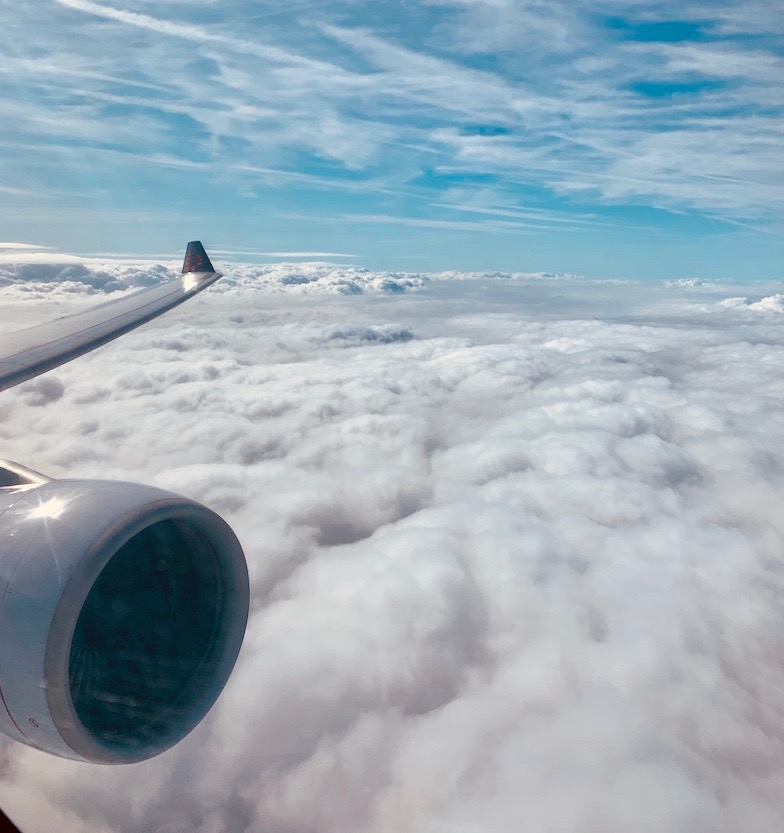
The aircrafts are between old, and very old and falling apart. The coach flights were short and sweet. We were served drinks and a pack of cookies, which is pretty standard for most domestic flights. The stewardesses are not known for their hospitality, but they were very nice on both legs of my trip.

Flying Business

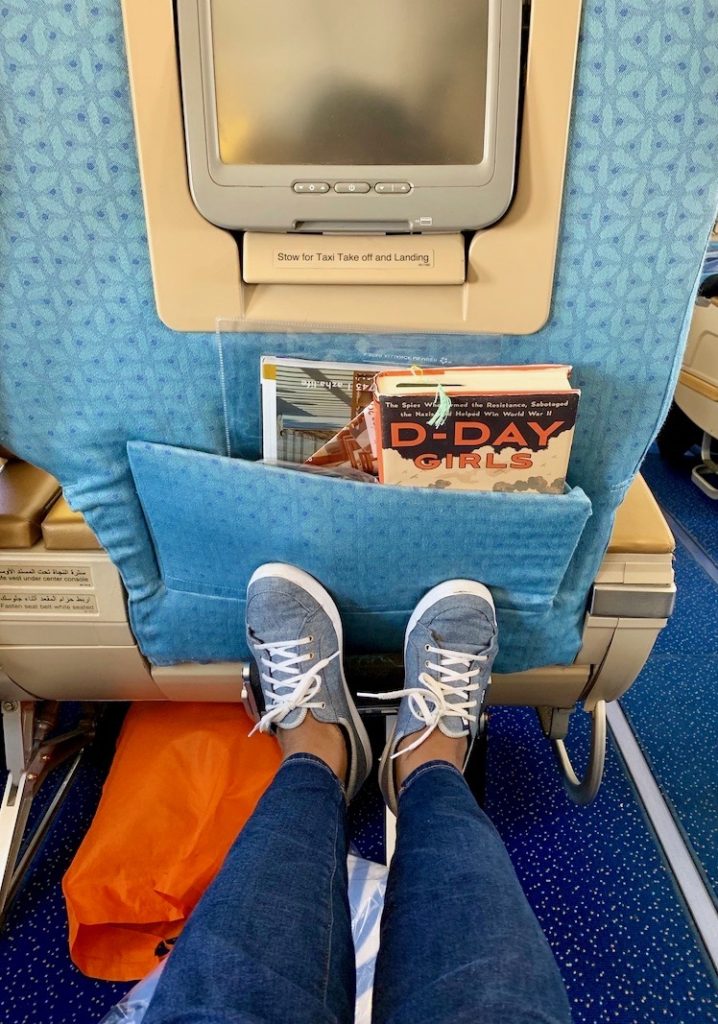
I flew EgyptAir business class to Istanbul Turkey. The trip was less than three hours and the seats were what you would expect for a short haul flight. It was an old plane and the TV monitors were falling apart. However there was plenty of leg room. I am short, but it was till nice to be able to fully extend my legs. The seats laid back about half way. We received a pillow and blanket, but not travel kits.

EgyptAir coach and business class
Business Class from Egypt to Istanbul, Turkey

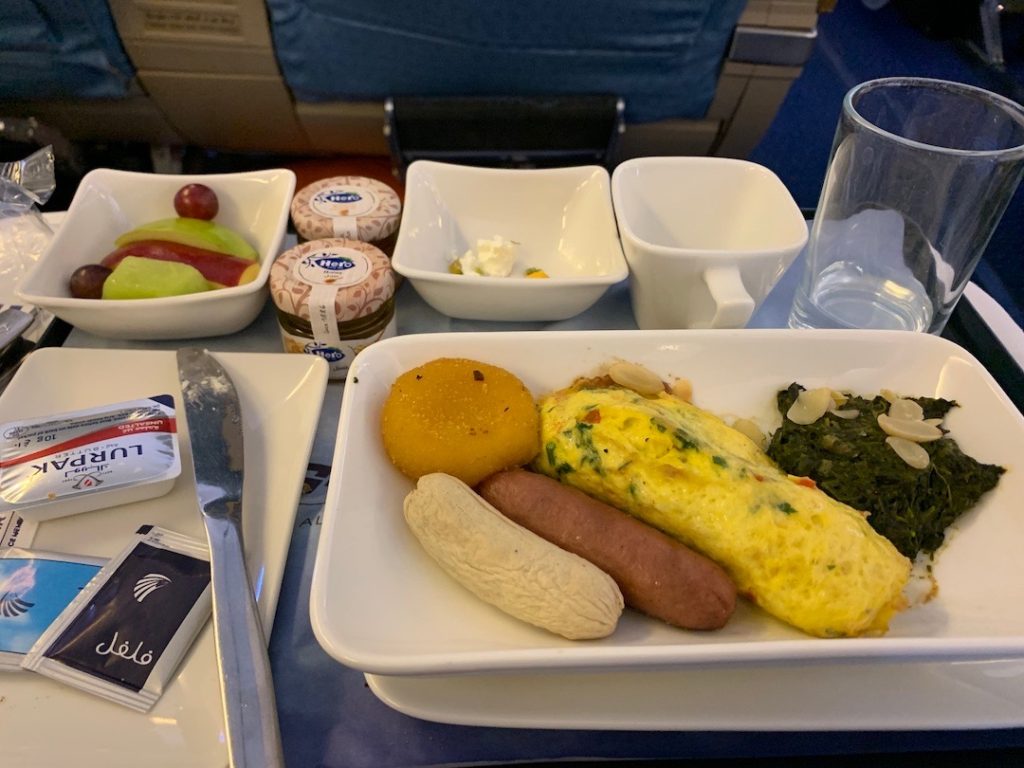
To be honest, the food was pretty horrible. The business class food looked and tasted like United Airlines’ economy class food on international flights, which I never eat because it is so bad. They serve it on real plates, but that’s the only thing good about it. Even worse, EgyptAir is a dry airline. They do not serve alcohol, but they will allow you to bring your own onto the plane. They will give you a glass and ice if you ask.

EgyptAir coach and business class

EgyptAir is known to cancel domestic and international flights with regularity and without notice. I only flew this airline because I had no other choice. If you must fly this airline, I recommend that you have a back up plan just in case you get stuck.

25 Tips For International Travel

25 Tips for international travel

Traveling overseas for the first time or if you are not a regular traveler can be daunting. I get it. For full disclosure, my first international trip to Scotland was completely planned by my college. I am sure it would have been a stressful trip if someone had not done everything for me. Now that I have traveled to more than 40 countries, I have 25 tips for international travel.

Should I use a travel agent?

Deciding whether or not you want to use a travel agent will likely depend on what kind of trip you want to take. Early in my travels, I used a travel agent. However, as I gained more experience, I realized that I was doing all of the research for my agent. Over time, it became easier to book all of my activities myself. I only use a travel agent if I have a complicated, multi-leg flight to book, since they have easier access to flights.

Join a tour group for places that are difficult to navigate, such as China. I also recommend that you use tour companies for day trips to get the most out of your trip. Companies usually provide transportation, history, information, and lunch. I use tour companies for everything; wine tasting, walking and bike tours, and food experiences.

There are plenty of times when you will want to and should go it alone. For all other times, Viator.com or Get Your Guide are great places to start.

Best time of year to travel

I know that most people can travel only certain times of the year, which can be dictated by work and kids’ school schedules. However, if you have the freedom to chose when you travel, it could make a big difference in how much money you spend, whether or not you will have good weather, and if will you have to navigate large crowds. I always do research on when it is the best time of year to visit any country before I start making plans.

Buying plane tickets

When to purchase plane tickets

Timing the purchase of your plane ticket is important. The closer you get to your departure date, the more expensive the plane ticket will be. Buying too early could also cost you extra money. Generally, the best time to book your international plane ticket is between 3-4 months before your departure date.

How to purchase plane tickets

Just as you would for a domestic trip, I recommend that you use Orbitz.com, Priceline.com, or Cheapair.com for your search to compare prices, unless you are 100 percent loyal to a particular airline or plan to use miles. If you are particular about where you sit on the plane, check out Skytrack to help you chose your seats.

Needed Documents and Fees

Passports

Passports are required for all international travel. For those of you who already have a passport, remember that it must be valid for at least six months after the date you plan to travel. Passports can take 4-8 weeks for processing, so give yourself enough time. Once you receive your passport in the mail, make sure to sign the front page, make a copy of your bio page and store it in your luggage in case your original is lost or stolen. Check out Travel.state.gov to get additional information on the process.

Visas

Some countries require US citizens to obtain a visa for tourist travel. You will definitely need a visa for travel to most of Asia, Africa, and the Middle East. The visa process is different for each country, so as soon as you know you plan to travel, check out travisa.com to find out if you need a visa and the requirements for the application.

Itinerary and vouchers

Keep a hard copy of all of your flight itineraries and hotel reservations. Some airports, particularly in Africa, require you to show a copy of your flight itinerary before they will allow you to enter the airport. You should keep a copy of all hotel and Airbnb reservations just in case you have to prove that you booked a room.

I also recommend that you print all your vouchers for your tours. Most companies allow you to show the voucher on your phone, but keep a hard copy as a backup.

Country entry and exit fees

Some countries require an entry or exit fee at the airport. Most of the time, this fee is built into the plane ticket but occasionally, you will have to pay the fee in person. For more information about the specific country you plan to travel to, check out Americans Traveling Abroad on the US State Department webpage.

Money

Cash

You should always have some cash on you when you travel. Day to day life in most countries is cash based and you will not be able to use credit cards in some taxies or shops. I never use currency exchange booths unless they are the only option, which is extremely rare, and I always get money in country instead of exchanging money in the US. You will get the best exchange rate by withdrawing money from ATMs.

I always stop at the ATM at the airport when I land. Be aware, that most US banks charge a fee for the withdrawal and another fee for exchanging it to a foreign currency. For this reason, do not make too many trips to the ATM. Try not to use debit cards for day to day activities to protect yourself against fraud and unwanted fees. You should use reputable ATMs in well lit areas or inside banks.

Tip: If you have too much cash left at the end of your trip, you can ask the hotel to apply it to your bill and then pay the balance with your credit card.

Credit Cards

Most American credit cards work throughout the world. Visa and MasterCard are widely accepted in hotels, restaurants, and some shops. Contrary to what many people say about the threat of fraud if you use your credit card, I use my credit card over cash every chance I get. I earn points that I can use for future travel. It also allows me to save my cash for those times that I actually need it. Also, most credit card companies offer some sort of protection for some of your travel, to include lost or stolen luggage.

Tip: Write down the phone numbers of your credit card companies just in case your cards are lost or stolen and you need to call them to cancel your card.

Call your bank and credit card companies

Call your bank and credit card companies to alert them of your travel. That way they do not put a hold on your card for what they will perceive to be suspicious activity.

Know the money exchange rate

Find out of the money exchange rate before you travel. An exchange rate is simply how much money or currency can you buy with the US dollar, which differs per country. Knowing the exchange rate tells you if the dollar is worth more or less than a dollar in that particular country, which will help you budget for your trip.

Health and Safety

Vaccines and medicine

It should not be a major concern for you, but I still recommend that you find out which vaccines are recommended for the country you are traveling to. Some vaccines are administered over a series of weeks or months, so plan accordingly. Also, you should fill all needed prescriptions before you travel as it will be difficult to get medicine overseas. Always carry your medicine with you and never pack it in your cheeped luggage.

Travel warnings

The world is an ever changing place. so you should check out the State Department’s travel advisories before you book your travel.

Travel insurance

International trips are expensive, so you may want to consider purchasing travel insurance in case you have to cancel your tip last minute due to unforeseen circumstances. Also, most health care insurance will not cover you during your overseas trip. Medical evacuation or emergency medical insurances may be worth purchasing before you trip.

Getting around

Renting a car

Renting a car overseas can give you a lot of freedom to see any country at your own speed. Some countries require you to have an International Driver’s Permit (IDP), which you can obtained from AAA. Check with your car insurance company to see if your insurance covers overseas car rentals. If not, then you will have to take the car company’s insurance.

What to pack

Luggage weight

Before you try to stuff your entire house into your suitcase, check out the airline’s luggage guidance on weight and size restrictions to avoid extra fees for checked and carry on luggage

Carry on luggage

Always carry your valuables in your carry on luggage. Your checked luggage may get delayed, lost or stolen. For that reason, I always keep jewelry, electronics, and medicine in my carry on. Also, pack an extra set of clothing in your carry on. My bags have been delayed a few times. That extra set of clothing in my carry on paid off until I received my luggage.

Electronics

Pack a charger adapter  and converter

Most countries will have a different plug size  than in the US, so you will need an adapter for your electronics to work. You are also likely to travel to a country with different voltage (American appliances run on 110 volts, while European appliances are 220 volts). Most new major electronics, such as cell phones, laptops, iPads, and cameras, will be dual voltage. However appliances like curling irons and blow dryers usually are not. You can purchase a converter, but I recommend that you just buy those types of electronics in the voltage of the country you plan to travel to because you will get much better output quality.

Phones

If you have an unlocked phone, I recommend changing out your SIM card at the airport when you land. If you have subscribed to a certain network, it will be expensive to use your phone overseas. Make sure to activate your global capabilities on your phone to help lower the cost.

Another way to get around high phone charges, is to rent a pocket WiFi device for your trip or you can purchase a WiFi hotspot. Personally, I prefer to just change out my SIM card. I’ve paid as little as $10 and as much as $35 for a SIM card with several GB of data and the ability to make phone calls. Even after 2 weeks of travel, I have never run out of data.

Travel apps

Travel apps can can help you navigate your trip. A few of my favorites are: Citymapper is my go to travel app to help me get around a city where I do a lot of walking or take a lot of public transportation. Google Maps of course is best when you are driving. Uber works all over the world and can be a more cost effective than taking a taxi.

Before you travel tips

Make a packing list

Simple things like deodorant and toothpaste can be more expensive abroad. Making a checklist will help you remember to pack the essentials.

Purchase things before traveling

Buy as much as you can in advance. Unless you must travel by the seat of your pants, it is better to book and pay for as much as possible before you board the plane. That includes my lodging and tours.  It saves you money and guarantees you will not be prevented from doing the things you want during your trip.

Stop your mail

If you tend to get a lot of mail, then go to your local post office and put it on hold during your trip. There is a big yellow form that you can fill out stating how long you want your mail held. You can drop completed forms in your mailbox.

Returning to the US

Know customs restrictions

There are several items travelers are not allowed to bring back into the US. Check out the US Customs and Border Protection website for a list of prohibited and restricted items.
Egypt Travel Guide: Is Travel to Egypt Safe?

Egypt Travel Guide: Is travel safe in Egypt

Egypt is a desirable place to visit. There is a lot of history and beauty one can experience there. However, many people ask is travel to Egypt safe? Before you book plane tickets and tours, you should be aware of the current political and security environment.

Recent History

Cairo has experienced a lot of change. Long-time leader Hosin Mubarak was removed from power during the Arab Spring uprising in 2011. Recently, retired Field Marshal Abdel Fattah al-Sisi was elected president in May 2014. That was almost a year after he removed Muslim Brotherhood’s Mohammed Morsi from office. Since then, crowds and protests can form quickly. Do not stick around if that happens. If you are traveling with a group,  you should have a plan for if you get separated.

Current travel risks, warning

During my recent trip to Egypt, British Airways and Lufthansa canceled all flights to and from Cairo because of a security threat. The US Department of State in July 2019 released a travel warning. It advised travelers to exercise increased caution in Egypt due to terrorism. The Sinai Peninsula (with exception to travel to Sharm El Sheikh by air) and the Western desert are off limits due to terrorism. The Egyptian boarder is also off limits to travelers because it is a military zone.

General Safety

As with travel to any country, there is the potential for petty theft. However, street crime is not that common in Egypt. You should be smart and not take expensive jewelry or belongings. Make sure you carry small amounts of money and bills. I do not recommend taking any form of public transportation in Cairo as they are at risk of terrorist activity and crime. You should also keep a form of identification on you at all times. If you prefer not to carry your passport, make a copy of it and keep that with you.

Traveling as a woman in Egypt

You will almost certainly experience unwanted attention or be harassed by men during your trip. It may just be cat calling, whistling, or horn honking. However, it is also possible that someone one will try to grope you. However, it is rare for men to commit violent crime against women. Remember Egypt is a Muslim country. Dress conservatively. Do not wear shorts or short dresses. Cover your arms. T-Shirts are okay, but the longer the sleeve the better. Women do not have to cover their heads.

10 Tips Before Traveling to Egypt

10 Tips for Travel in Egypt

Traveling to Egypt can be overwhelming. English is not widely spoken and unless you have grown up in the Middle East, it can be difficult to navigate the culture. Here are 10 tips before traveling to Egypt to help make your journey easy and allow you to enjoy everything the country has to offer.

Arriving in Egypt

Visas are required for Americans traveling to Egypt. It cost $25 for a single entry, 30-day visa, which you can obtain on arrival. You can also get a multiple entry visa for $60. Be mindful that Egyptian immigration officials have denied entry to travelers without explanation, however is rare. If you are arriving from Israel or Gaza, check out the US Department of State’s travel website for additional information.

Departing Egypt

Make sure you have a copy of your flight itinerary with you. You will have to show it to security before they allow you to enter the airport in Cairo.

Safety in Egypt

Crime in Egypt is actually quite low. Occasionally, travelers may have their purses or backpacks snatched off their arms by people riding by on motorbikes, but that is rare. The main concern is an increased risk of terrorism in Egypt, particularly in Cairo. For more information, read my post on is it safe to travel to Egypt in 2019? 

Hire a tour guide

You can definitely get around Cairo via taxi, but I recommend that you join a tour group to visit the sites. You can also work through your hotel, but I can guarantee they will be way more expensive to provide the same or lesser experience. I used Emo Tours Egypt. They were very knowledgable and took great care of me during the tour. Egypt Tours also has great reviews. Without a tour guide, you may be subjected to harassment from the locals who want to show you around the city for pay. You may also be taken advantage of and scammed.

Checkpoints

There are checkpoints all over the city, so do not be worried the first time your driver gets stopped. They will generally ask the driver where you are going, how many people are in the vehicle, nationality, are there any VIPs, and your follow-on destination.

Public Restrooms

You generally have to pay a small fee, about 5-10 EGP, to enter public bathrooms. You may also want to keep a small amount of toilet paper with you. Be mindful that sometimes the toilet paper is located at the bathroom’s entrance rather than the in the stalls.

No PDA

You should remember that Egypt is a Muslim country. While there is a mix of religious and secular behavior, public displays of affection should still be avoided. It is a lot more common and customary to see to men greet each other with a kiss as a sign of friendship.

Dress

As I mentioned above, Egypt is a Muslim country, so conservative dress is appropriate. I did see a lot of men and women tourists wearing shorts and spaghetti strapped tops, but I do not recommend it. You will draw lots of attention from the locals and your goal should be to blend in, not stand out. Egypt is blazing hot during the summer, but I still recommend that you not wear shorts. Women should not wear low cut tops or short shorts. Women do not have to cover their heads.

Egypt is warm and hot!

I have been to Egypt twice. I traveled in February, when it was about 70-75 degrees and in July, when temperatures reached almost 120 in Luxor. Most of Egypt’s main attractions and “museums” are outdoors. Being outside for 10 or more hours a day in very hot weather can be rough on most people. I recommend that you pack a hat, sunscreen, and lots of water if you plan to travel to Egypt during the summer.

Be mindful of unlicensed tour guides

If you are wondering the sites in Egypt and it is clear that you are not part of a tour group, locals or uncertified tour guides, will try be helpful and show you around. It may seem like they are just helping you out of the goodness of their hearts and out of pride for their country, but they are looking to be paid. It could be as simple as pointing you in a direction. In Egypt, the art of asking for a tip is called Baksheesh

This also applies to people trying to assist with your luggage when you leave the airport or enter your hotel. If you let anyone take your baggage at any point, they will ask for a tip. There is nothing wrong with this if that is what you want to do. However, be aware that if you pull money out, you may soon have a crowd around you.

Cell phone access. It is worth it!

Taking an unlocked phone or one that will work on the Egyptian network will save you a lot of headache. Many Egyptians do not speak English, so simple things like getting in a cab and providing directions can be a challenge. Being able to use your phone to map out where you need to be or order an Uber, will make your trip much easier.

10 Etiquette Tips for Japan: First time visitor guide

10 Etiquette tips for Japan

Proper manners are important when visiting Japan and are widely practiced in the culture. Here are 10 etiquette tips for travel in Japan to keep you from committing a faux pas.

Tip 1: Greetings

Shaking hands is not common in Japan. Instead, people bow. Bowing is not only used as a greeting, but as a sign of respect in many situations. The deeper the bow, the more respect one is displaying. Small nods with the head are seen as casual and informal, but completely alright for foreigners.

Tip 2: Eigo o hanashimasu ka? (Do you speak English?)

Many Japanese people speak some English, but it is not widely spoken and you should not expect everyone to understand you. It goes a long way to learn a few Japanese words to help you along your travels.

Tip 3: Slurp Slurp (Eating noodles)

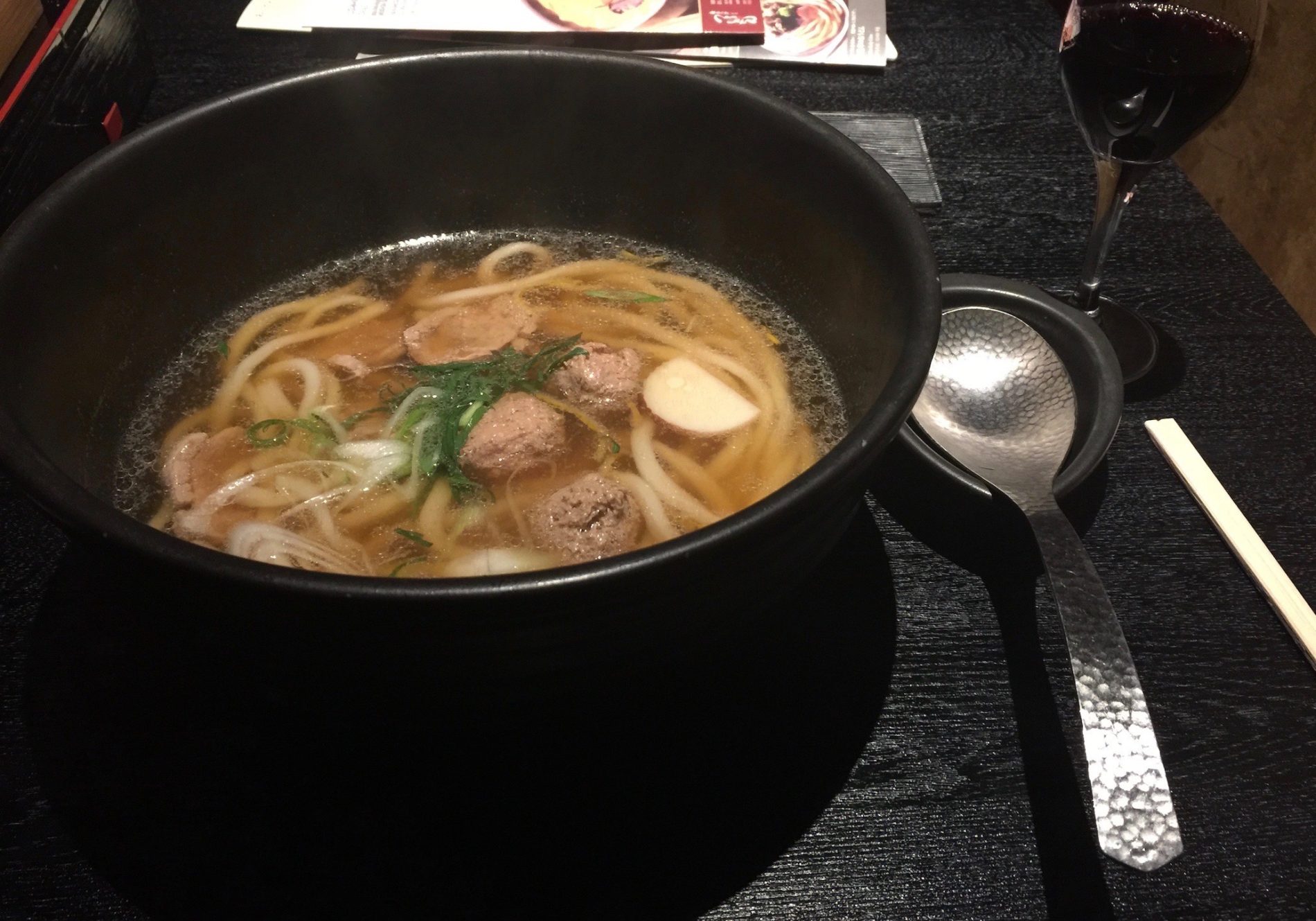
Noodles are everywhere in Japan. A cheap and quick meal that never disappoints. Slurping while eating noodles is common practice and expected. I have heard that it is customary to swallow your noodles whole, which I did not. But I probably also took longer than the average person from Japan to finish my meal.

Tip 4: Chopsticks

I tried so hard to handle chopsticks like the locals. This included me staring at people’s hands constantly to mimic how they properly positioned the chopsticks between their fingers. I FAILED!! However I did learn:

  • Never point chopsticks at another person
  • Use the opposite side of your chopsticks for communal eating
  • Do not pass food from chopstick to chopstick
  • Do not stick chopsticks into a bowl of rice
  • When not using your chopsticks, they remain horizontal in front of your plate vs vertical like you would place a fork.
10 Etiquette tips for Japan

Tip 5: Paying for goods and services

It is very rare to pass money or credit card by hand to pay for goods or services. You should place your payment in a tray that will be placed in front of you instead.

Tip 6: Tipping

Tipping is not practiced in Japan and generally will not be accepted if you leave one. It is okay to tip guides, but always place the tip in an envelope before passing it to them.

Tip 7: Visiting Shrines

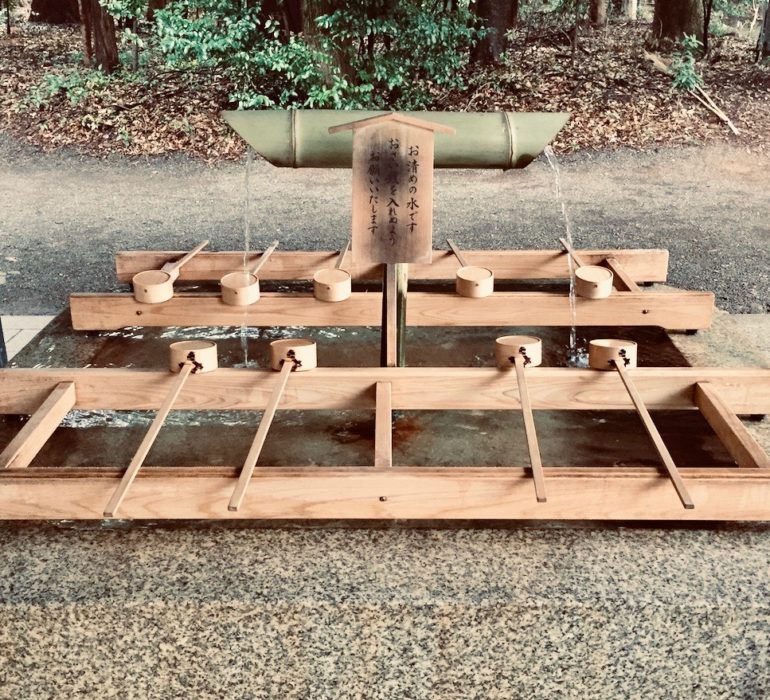
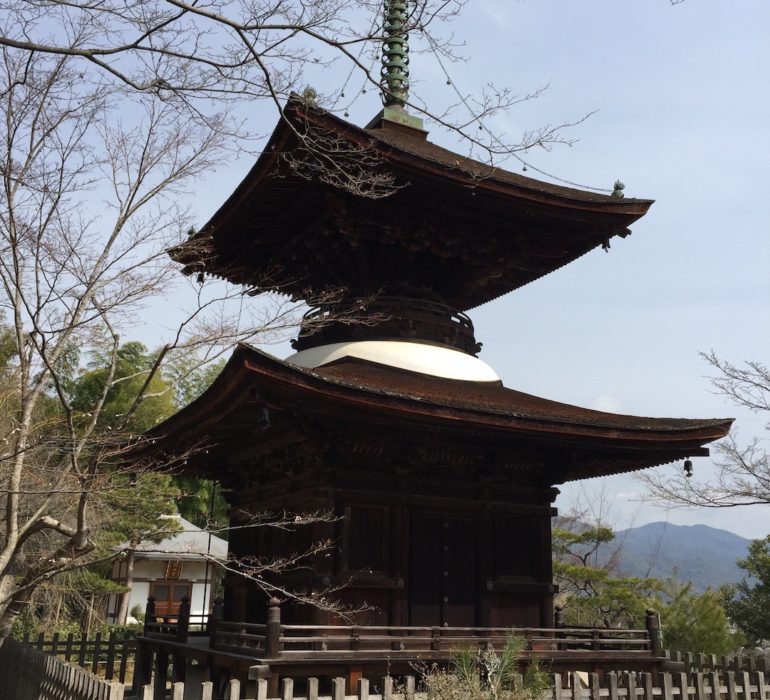
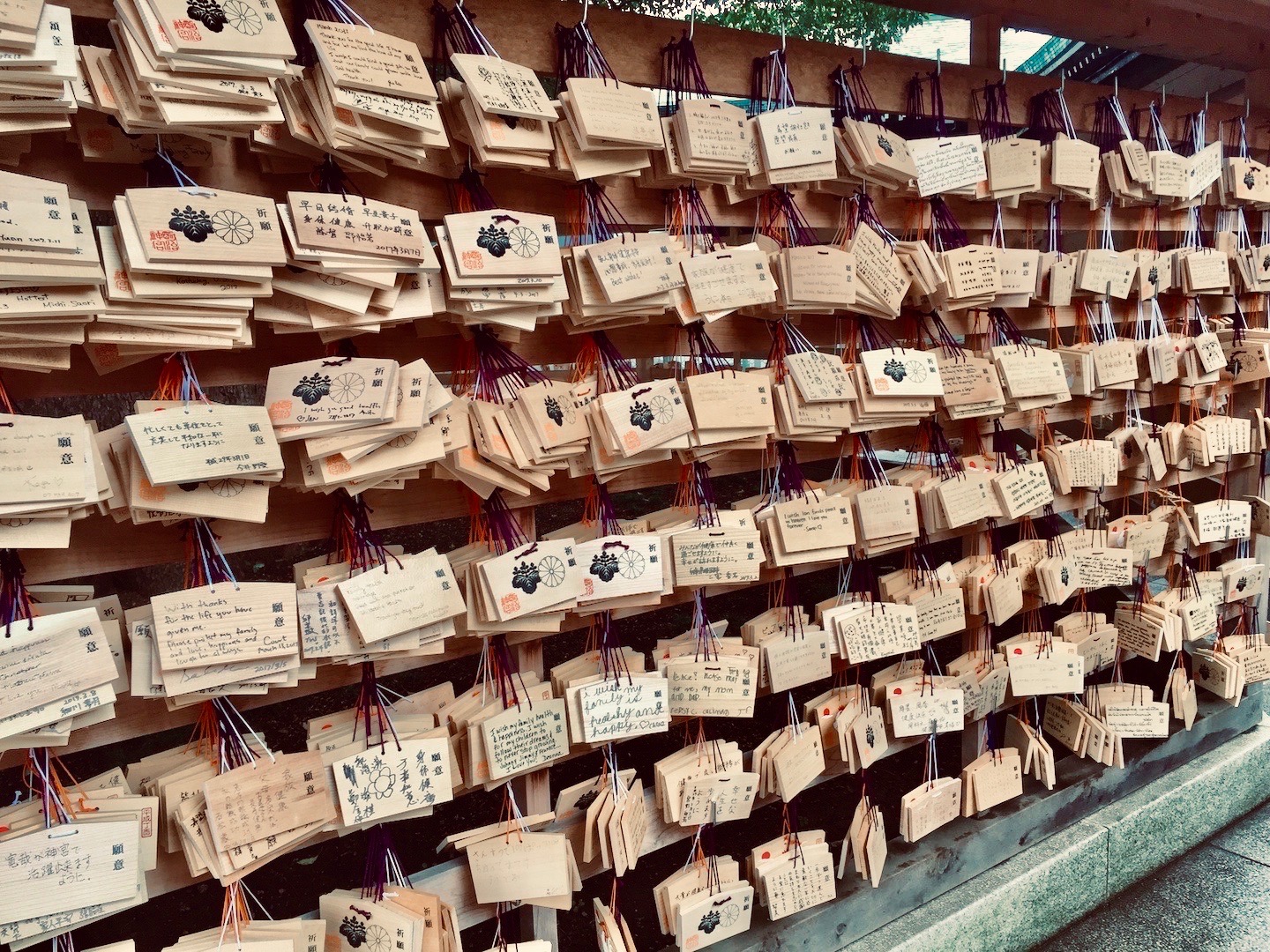
Shrines are a large part of the Japanese culture, so approach them with respect. It is customary for people to stop at the purification fountain before entering the shrine. If you want to purify yourself, there are several steps to doing it properly. If you are worried about being disrespectful, you can just watch to see how it is done.

Tip 8: Take off your shoes

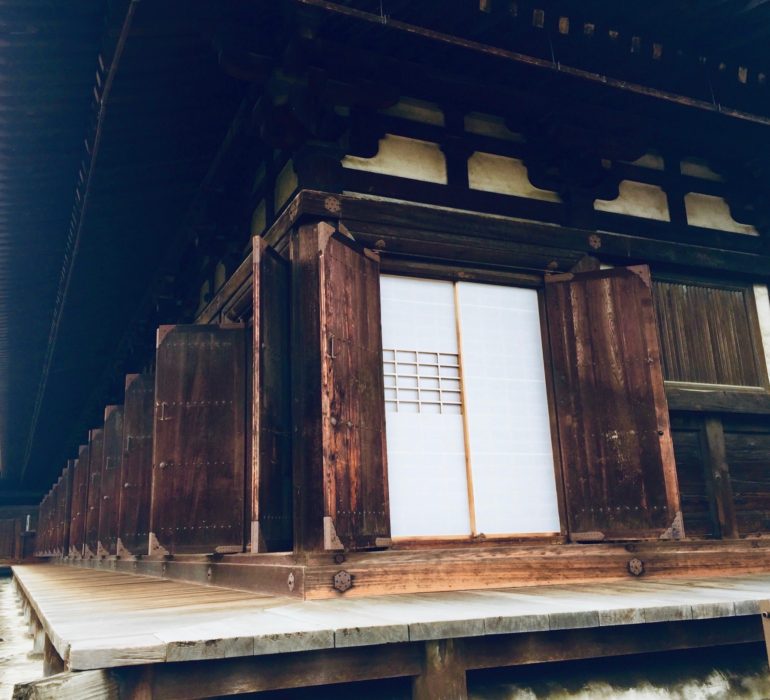
You must remove your shoes if you are entering a shrine or temple, Japanese homes, and traditional Japanese hotels. If you are uncomfortable with bare feet in strange places as I am, keep a pair of clean socks without holes with you at all times. Where required, shoe removal is nonnegotiable.

Tip 9: Baths and Hot springs

Hot springs (Onsen) and bath houses (Sento) are very traditional aspects of the Japanese culture, and are interesting and relaxing experiences. I have only visited an Onsen, in which bathing tooks place outside, and had Mt. Fuji as the backdrop!

  • You must clean yourself before entering an Onsen or Sento
  • Bathing suits are not allowed
  • Tattoos are generally not allowed as they are associated with criminal activity
  • You will be given a small towel, which most people put on their heads while soaking. You should refrain from putting it in the water.

Tip 10: Public Spaces

Speaking on the cell phone on public transportation is not common and considered rude. It is also common to wear face masks in public. While the most common reason is to keep from passing sicknesses, a Japanese guide told me that some women wear them if they have not had the chance to put on makeup or if they are shy.

Either way, it is rude to blow your nose in public, and I swear I did not see a single person cover their mouths when they sneezed or coughed in the two weeks I was in Japan. So maybe the mask is the way to go!

10 Easy Tips for Travel in Japan

10 Easy Tips for Traveling Japan

Traveling in Japan is much easier than expected and you can get lost in the many cultural surprises you will discover along the way. Let us first start with some 10 easy travel tips for travel around Japan.

Many travelers are not planners and like to remain flexible. However, I recommend planning at least a few things and becoming familiar with Japan before you depart for your trip. This will make it easier and less expensive after you arrive.

10 ETIQUETTE TIPS FOR JAPAN: FIRST TIME VISITOR GUIDE

Easy Ways Getting Around

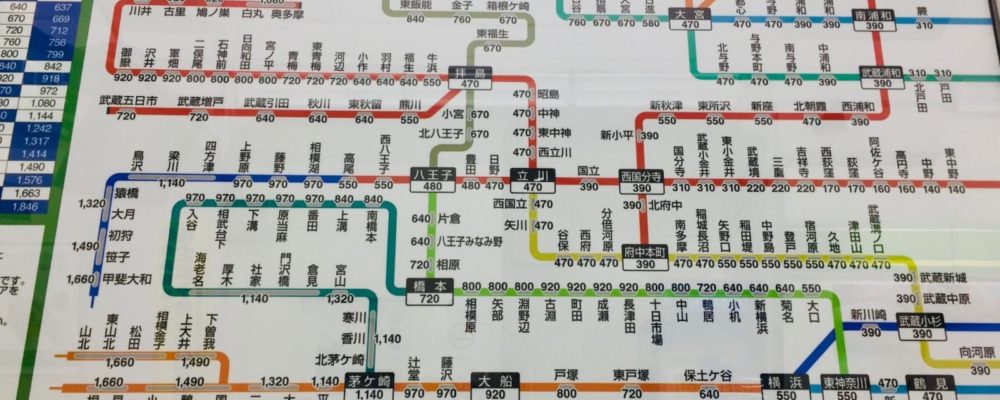
Taxies are insanely expensive in Japan, so the train and subway are best ways to get around. The rail and subway systems are massive, and some of the stations do not have English translations of the train lines. I recommend either stopping at the JR East Travel Service center in the Narita Airport before heading into the city. You can also order or print maps of the cities you plan to visit ahead of time, which you should definitely do for travel outside of Tokyo.

The rail and subways in Tokyo are like underground cities and are the busiest in the world. Over a million plus people transit some of Tokyo’s stations each day. These are no ordinary train stops, where your only options are to go left or right when exiting.

One of Japan’s largest station, Shinjuku Station, has 200 exits. It is important to have an idea of where you need to end up. Citymapper will give you step by step instructions on how to plan your trips, to include telling you what part of the train you should get on and which exit to take out of the train station to get to your final destination.

Trains arrive and depart exactly when they are scheduled too! If you are late even by 30 seconds, you risk missing your ride.

East Navigating Japan Subway

JR Rail Pass

If you are going to be in Japan for several days, I highly recommend purchasing a Japan Rail Pass. It is a multi-use, discounted ticket for travel on all JR national trains in Japan. The pass includes the Shinkansen bullet trains you take to get around the country. It is a much cheaper way to get around and will save you LOTS of money. Just to paint a clearer picture, a 7 day pass cost me the same amount as a one round trip ticket between Tokyo and Kyoto.

The pass is only available for foreigners and you must purchase it before arriving in Japan. There are options for 7, 14, 21 consecutive days of travel. It takes about 2-3 days for the pass to arrive at your mailing address. I recommend giving yourself some extra time to receive it.

You can validate your pass at the JR East Travel Service Center at Narita airport when you land as well as other areas round the country.  The clock starts on the pass after you use it for the first time.

Subway/Metro

You cannot use the JR rail pass on the Subway in Japan, but it’s relatively inexpensive to ride. Tokyo offers a 24, 48, 72-hour metro tickets that are only sold to foreigners. Starting price is less than $8.

Google Maps/SIM cards

If you have an unlocked phone, you should buy a SIM card at the airport. Having the ability to easily use the internet and Google Maps during your trip will make life much easier (Prices start around $30).

You can order a SIM card before your trip, but I like to buy it in country to to ensure I get what I paid for.  If buying a SIM card is not an option, I recommend downloading Google Maps to use offline or renting a pocket WIFI router. There are many places where you can purchase one.

Book a Tour

Navigating most new cities can be difficult not matter the country, but it can be even harder when part of the population does not speak your native language. While getting around Japan, I exclusively used the JR and Subway systems, but when I wanted to visit a site and learn more about the location, I booked tours through Viator.com, tokyotravelpal.com,  and getyourguide.com

Be on time!

The Japanese are very punctual, more so than in any other country I have traveled to. No matter what you are doing, you need to be on time so you do not miss out. Trains arrive and depart exactly when they are scheduled. Also, tours will start exactly on time. I was five minutes late to one tour because I took the wrong exit out of a subway stop and had to walk a half of a mile to get to the right destination. The tour group left me and I had to spend the next hour catching up with them. Also, the Japanese just consider tardiness to be rude. So, do not be late!!

Where do I put my trash?

I was completely surprised that I could not find a single trash can in public. Okay, there are a few, but they are hard to find. The most stated reason for the lack of trash cans is because of the coordinated terrorist attack on 20 March 1995.  A deadly sarin gas was released into subway trains in Tokyo.

No trash cans also means there are no paper towels to dry your hands in bathroom. Where to dispose of them? You should keep a small plastic bag with you for your trash and a few hand wipes without during your trip.

Speaking of toilets…

There are different types of toilets in Japan. The Japanese style toilet, which is low to the ground, modern toilets, and high tech toilets with heated seats. The trick is that you may stand in the bathroom stall scratching your head trying to figure out how to flush them. It is not always obvious and there were a few times I just walked away.

Best Time to Go

You can visit Japan anytime of the year, but when you chose to go all depends on why you are going and what you want to see. I have several bucket list items to check off in Japan and I have completed most of them, but timing is everything and I was unable to do them all in one visit.

March-May and September-November are the best times of year to visit because you can see the beautiful cherry blossoms bloom in the spring and the changing of the leaves in the fall. But, don’t forget about Japan’s ski slopes and beaches.

Sumo wrestling matches happen throughout the year in different parts of the country. But, tickets for big tournaments sell out fast and it takes planning to attend.

Where to Stay

You only need one to two days in most of Japan. It is easier to base in one or two cities and then use your JR pass rail pass to get around to other parts of the country. I chose Tokyo and Kyoto. There is some debate over whether it is better to base in Osaka or Kyoto. I think Kyoto is quieter and has the old world charm. That is why many people are drawn to Japan in the first place.

There are so many options to chose from when determining where you will stay in Japan from traditional Japanese hotels called Ryokan to modern hotels. 

Personally I have grown quite partial to Airbnb, especially since I was in Japan for two weeks, which I booked for my stays in Tokyo and Kyoto. There are generally hundreds of options. In Tokyo, I recommend that you stay near one of the larger subway stations. This will help save time getting around the city.

5 Tips for Easy Travel in Kenya

travel in kenya

Travel in Kenya is probably one of the highlights of my all of may travel experiences. I love all the many facades of the country. From city life, to the mountains; from the coast to safari parks, there is so much to love about this country. As much as I enjoy traveling on the African continent, it can be a little daunting if it is your first time traveling there no matter the country. Kenya is no exception. Here are my 5 tips for travel in Kenya to hopefully make your experience more enjoyable.

1. Getting Around Kenya

One of the hardest things about travel to Kenya can be getting around the country. If it is your first time in Kenya, I recommend using a Nairobi-based travel agency, Travel Affairs, to book travel around the country and all of your safaris. To get around Nairobi and for day trips to the surrounding areas, you should hire a taxi for the day. It is completely normal and fairly affordable for the amount of things you can see in one day in the city.

I almost exclusively use Moshel Tours and Travel run by a great guy named Moses (+254 726937965/Moses.mbogo@yahoo.com). Moses has a fleet of drivers who you can call anytime of the day to help you get around the city. He even owns a safari vehicle with an open top, perfect for a safari in the Nairobi National Park. I have used and relied on his company since 2012 for almost all of my travel in Nairobi as well as travel outside of the city.

If you would prefer to book a tour, Viator.com, is a great option.  I use Viator for most of my travels. Regardless of what you chose, for about 7-8 hours of sightseeing in Nairobi, you should pay no more than $100-120.

I would avoid riding in boda bodas (motorcycle taxi) because traffic is crazy and they are more prone to getting into accidents. I would avoid matatus (van taxi) because they are generally packed with riders, do not follow the rules of the road, and you risk being robbed. Finally, I would not take an Uber in Nairobi. Things may have changed, but Uber drivers occasionally come under attack from other taxi drivers because Uber offers lower prices. Make sure you take reputable taxis. You put yourself at a higher risk of being in an accident in non-reputable taxis. Others may disagree, but I’ve spent a lot of time in Kenya and that is my take.

2. What to Pack: Bring layers

Travel in Kenya will require you to pack for a range of weather you may experience in one trip. The equator runs through Kenya, so one would think that it is blazing hot all of the time. Well, not quite. Elevation in Nairobi is 5,889 feet (1,795 meters) above sea level, so the temperature is fairly pleasant all year, averaging in the 70s. In the winter months (June – September), temperatures can drop to the 40s at night and in the summer (December – March), temperatures can rise to almost 90 degrees.

However, travel to Kenya during all times of the year, it tends to be a tad cooler in the mornings and evenings. It’s best to pack a pair of pants and a jacket regardless of when you travel. This is especially true on Safari. Game drives start early in the morning when it is chilly but can become uncomfortably hot during the day.

Of course, if you are traveling to the mountains, it will be cold, the rest of the country fairly hot all year, and the coast is very humid. Pack a hat or sun visor, and plenty of sunscreen.

3.  Shots/Medicine

Before you travel to Kenya, I recommend that you check out the Centers for Disease Control (CDC) and the World Health Organization’s (WHO) travel vaccine and health advice at passporthealthusa.com. You should definitely pack sunblock. The pleasant temperatures, particularly in Nairobi, can be deceiving. Kenya’s proximity to the equator can lead to sunburn even when it does not feel that warm outside.

If you are only traveling to Nairobi, anti-malaria medication is generally not required as mosquitoes do not carry the malaria virus at that elevation. However, it is recommended to take anti-malaria medication if you are traveling to other parts of Kenya. Mosquitos are prevalent no matter what city you are visiting, so pack mosquito repellent.

4. How to Get a Visa for Kenya

I think that before you travel to Kenya, you apply for a visa for Kenya online. It is required for all US citizens and is relatively simple to acquire online. I highly recommend printing off the submitted form and taking it with you to Kenya. From time to time they cannot find a request in the system and having the form may prevent you from having to pay twice.

5. Haggling/Shopping 

The only think I really do not like about travel to Kenya is haggling. Okay, so I HATE to haggle, but it is part of many cultures, to include the Kenyan culture. There are a lot of amazing and interesting things to buy in Kenya from affordable souvenirs–what we call Kenyan swag–to beautiful hand-carved furniture, woven and leather purses, jewelry, and clothing from patterned African cloth. It is common to negotiate the price on all of it. Most brick and mortar shops have fairly set prices. However, all outdoor markets expect negotiation.

Don’t be shy!! Unless you are clearly African to the seller, the first price will be way higher than the average price a Kenyan would pay, which makes perfect sense. My philosophy is to negotiate to a price I am comfortable with regardless. If you do not like the price, politely walk away.

If you are unsure about what is fair, ask your driver or tour guide. They generally have an idea of what you should pay. Just remember, people are trying to make a living by selling you their goods. You do not/not have to buy anything, but be polite about it. Just my two cents!

6.  Safety First

Before you travel to Kenya, here are a few safety tips:

  • I recommend checking out the State Department’s Kenya Travel Advisory to get the latest on crime and terrorism.
  • I love the food in Kenya and there is a lot of variety, but it is definitely possible to end up with an upset stomach. Stay away from street food and consider having your red meat cooked with as little pink as possible.
  • Credit cards work in most brick and mortar shops and restaurants. You will definitely need cash on hand, but travel with only what you think you will spend each day.
  • As I mentioned above, you should steer away from boda bodas and matatus, as they can be dangerous in chaotic city traffic. Stick to named taxis for getting around.
  • Do not travel with a lot of jewelry.