Traveling as a Black Woman

Black girl travel

I absolutely love to travel.  When I boarded a plane for my first overseas trip in 2000, I had not considered what it meant to travel as a black woman. As a matter of fact, I did not consider it at all until years later after I had visited several countries. I was naive to think that the rest of the world would see me differently than how all races, including my own, viewed me in the United States. I would later discover that when I crossed international waters, I did not leave behind the rank I was born into as a black woman in the US or the outward racism that black and brown people face every day. During my travels, sometimes being an American trumps being black, but my blackness is the first thing people see. So, it is the first thing people judge me on.

Since my first trip, travel has become my passion and in one way or another it has taken up a lot of space on my bucket list. Before COVID-19, I traveled to a new country every year. And, with age and experience, every time I set foot on foreign soil, I have a few things running in the back of my mind. How will they receive me as a black woman? What will they think of me? And, will I be uncomfortable for the duration of my trip?

Why now?

You may be wondering why am I talking about this subject now, especially since my blog is focused on my bucket list and solo travel experiences. With everything going on in my country concerning race, it is hard to stay silent about how race has impacted my travels. While the dominant race in the US has a long history of trying to keep everyone in their place, almost every country has also had some sort of system to rank its people. In many ways, those systems may not be visible to those who are not regularly affronted by it, but they are there. For that reason, I am sharing my travel experiences through perspective. I want to highlight that there are constant reminders about where people THINK you should stand or rank in society no matter where in the world you are.

[penci_fancy_heading _text_align=”left” p_title=”Black Girl Meets The World” _title_typo=”font_family:Simonetta%3A%22regular%2Citalic%2C900%2C900italic%22|font_style:400%20regular%3A400%3Anormal” _title_fsize=”35px” _subtitle_typo=”font_family:%3A” _desc_typo=”font_family:%3A” title_color=”#000000″]How I have felt during my travels is not something I have even talked about with my friends or family. The fact that I do not get to shed my skin color when I board a plane and cross borders and international waters, not that I would want to. I truly believe that there has not been a single continent that I have planted my feet on where my color was not part of the discussion or highlighted. Here are a few of my experiences of what traveling as a black woman has been like for me.[/penci_fancy_heading]

Africa

Black girl travel

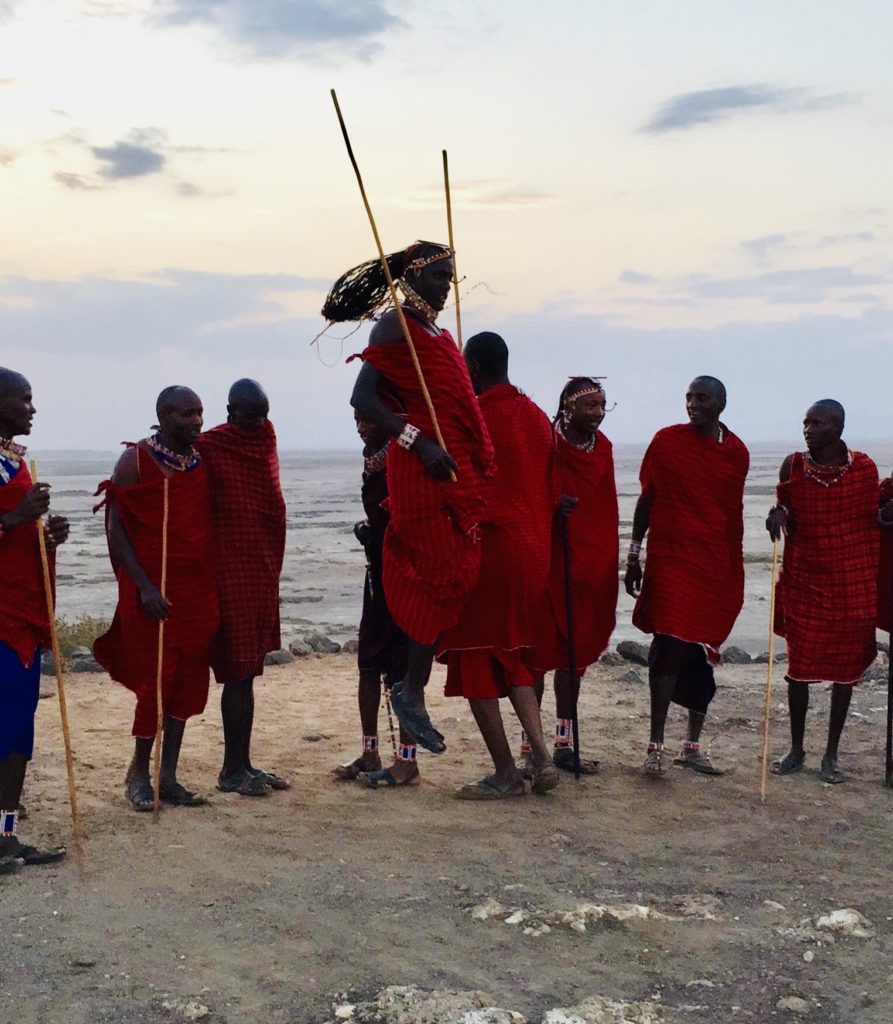
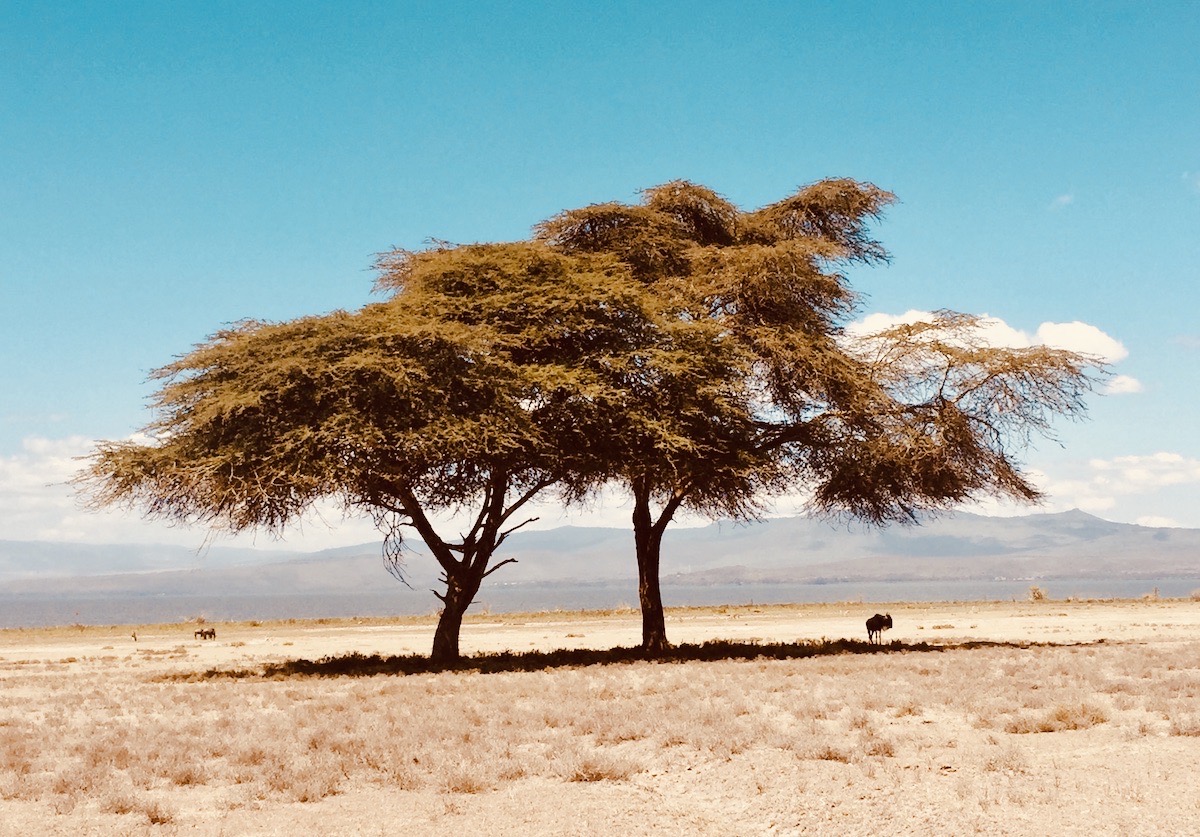
Sundowner at Amboseli National Park

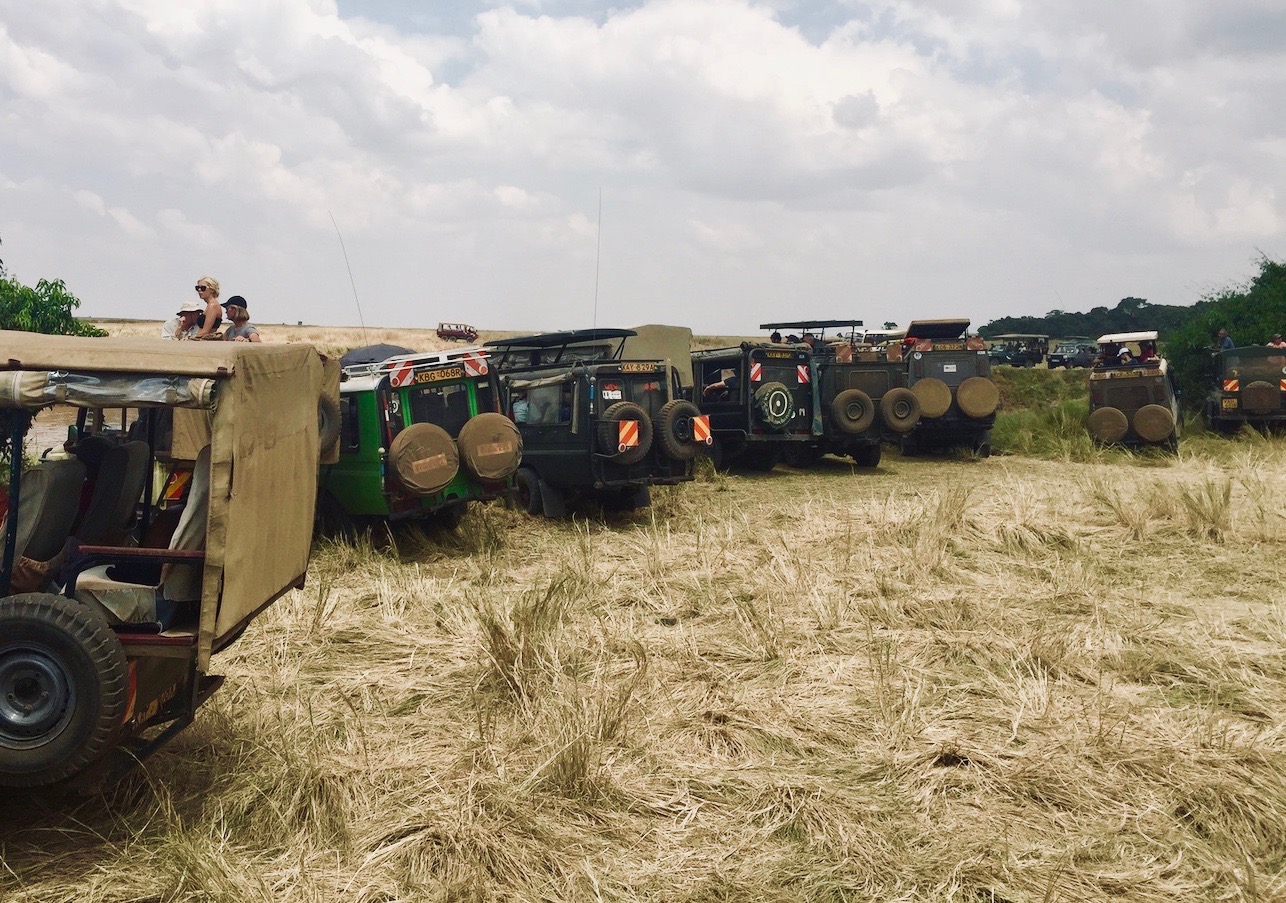
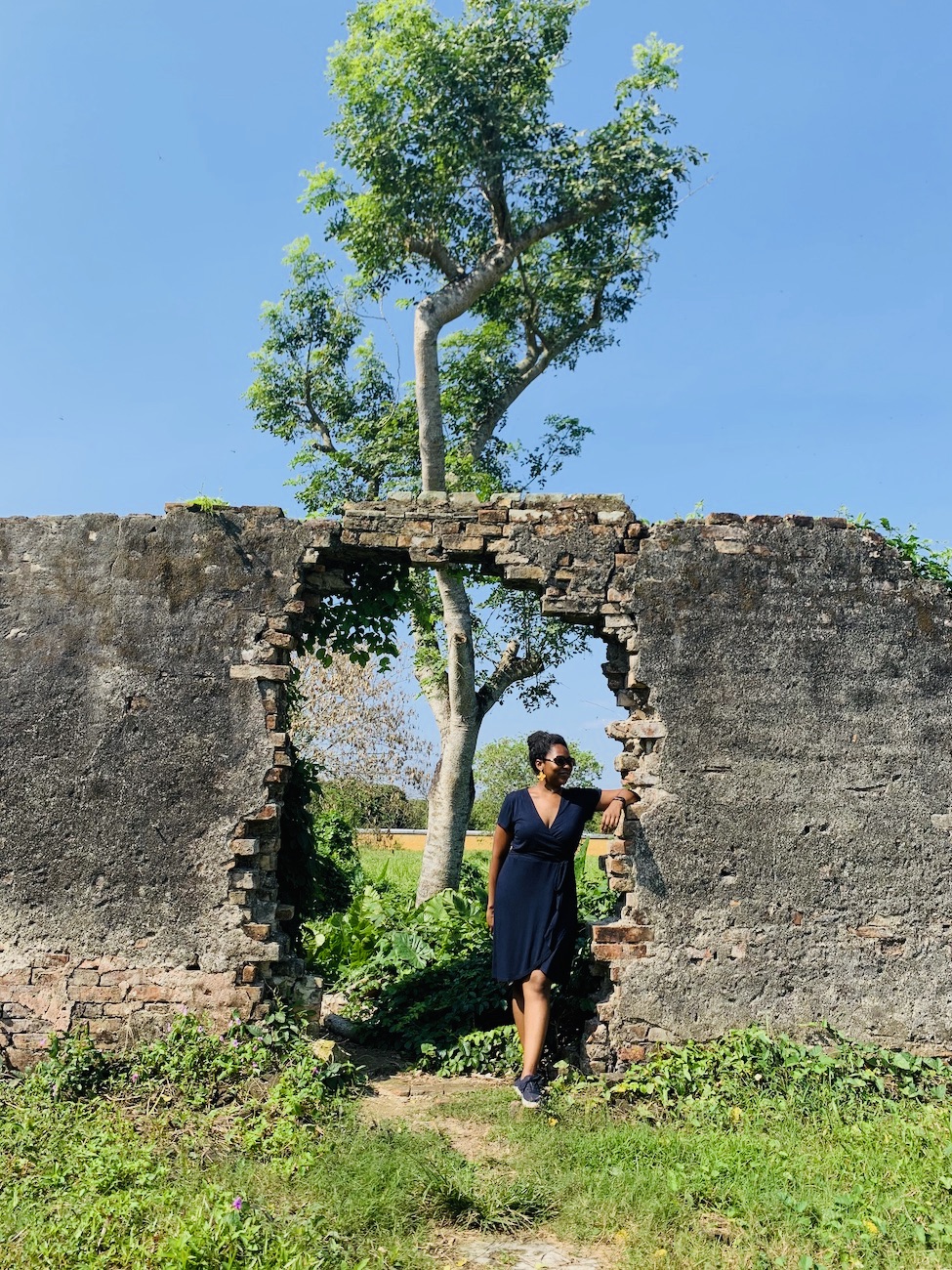
I had the privilege of living in Africa for a few years and I have been to at least a dozen African countries. My most troubling experience traveling as a black woman has been in Sub-Sahara Africa, particularly in Kenya where I have spent a considerable about of time. I first want to say that I loved my time in Kenya. It is one of the most beautiful countries on the planet. And, I would return anytime I had the chance.  However, this country still has a considerable amount of European and Indian ex-pats. Many of whom treat the Kenyans poorly or in a belittling manner.

In general, I blended in well into Kenyan society as long as I kept my mouth closed. So, ex-pats were always shocked when I rejected how they treated me or even called them out for their behavior. Kenyans are a strong, hard-working, and successful group of people. So, I am generalizing when I say that it is sad to see Europeans and Asians treating such amazing people as only worthy of serving others in their own land. I certainly did not appreciate Kenyans and ex-pats alike generally assuming that I was the driver, maid, or domestic help. I think that is a dark reflection of colonization.

South Africa has its own troubled past with decades of Apartheid. During my travels there, my skin color prompted a deep conversation with some South Africans who wanted to make sure I understood the difference between colored, an acceptable term in South Africa, and black people. I am not exactly sure what were their intentions. But, by definition, they were colored and I could not help but feel like they were trying to make sure that I understood my place in South African society.

Asia

I have had mixed experiences as a black woman in Asia. Asian societies in general are more homogenous. So the few times I have traveled to Asia, I have expected the worst. Most of my worries did not come to fruition, but I think that was probably because cultural norms would not have allowed for it. And, while I am sure that Afro-Americas vacation, work, and live in Asia, I assume it is not at all on the same level as in Europe. It definitely seems like an anomaly for Asians to see people of color walking their streets.

I was most terrified to travel to Japan. Particularly, I thought I would feel out of place or be the center of negative attention. Japan is a very artistic and colorful country, but you cannot always tell. Walking down the street, no matter rain or shine, you will see a sea of people dressed in dark clothes, with dark hair, and umbrellas with one of three colors. I had heard stories of Japanese restaurants turning people away because they were black. So, I begged people to go with just because I was afraid people would treat me the same. However, Japan was awesome. If people felt any negative thoughts towards me, they kept them to themselves. My natural hair fascinated and amazed them, but I could understand why. Natural hair IS amazing.

My experience of traveling as a black woman in Vietnam was slightly different. First, I want to say how much I enjoyed my travels in Vietnam. I based in 4 cities and each place was cool and had their own unique twists. My friend, who is white, traveled with me. She is a fantastic travel partner and this was our third trip together. But, I am the planner and she is more of a fly by the seat of her pants kind of person. So, I planned, booked, and paid for the entire trip. That meant everything was in my name, yet somehow that did not matter.

The Vietnamese deferred to her almost everywhere we went. It did not matter where or the context. If I asked a question, they turned to her to answer it. And, if I asked for the bill at a restaurant, they brought it to her. We started to make a game out of it just to see what would happen.

My skin color was also the topic of a few conversations. Some described my skin color as “strong,” which I took as a compliment. While others talked about not wanting to get dark in a slightly embarrassing way. I really did not let any of it bother me, but I think it is a shame to have these experiences halfway around the world. Even if to some, these experiences seem insignificant,
Black girl travel

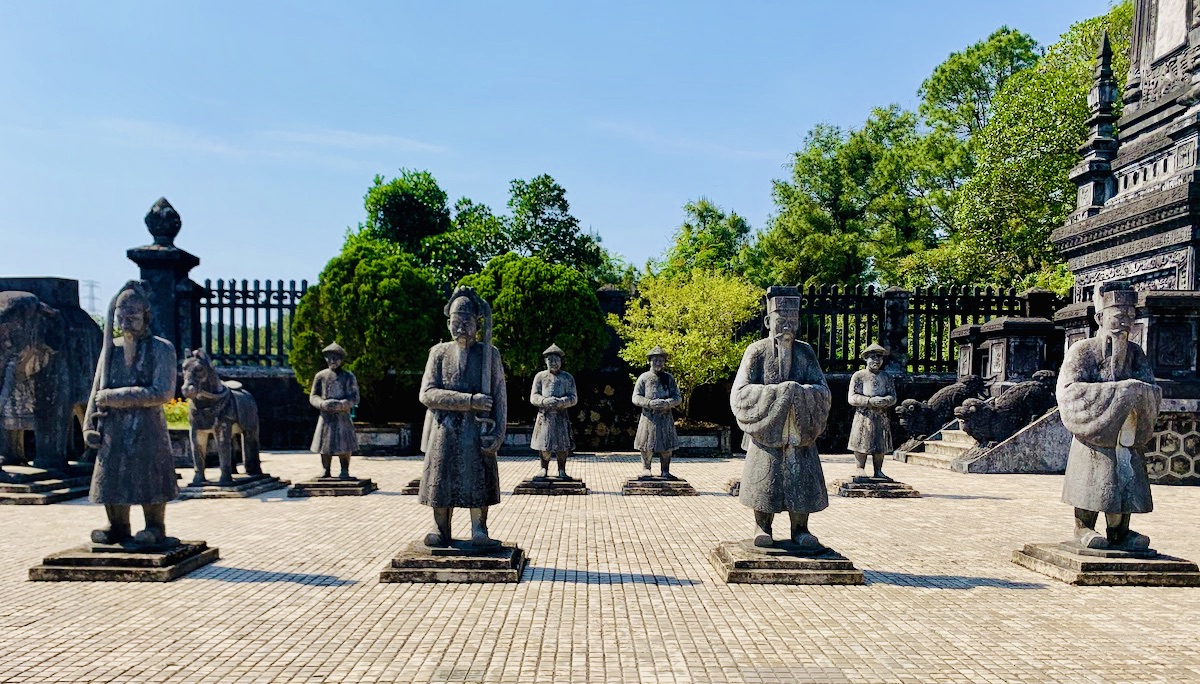
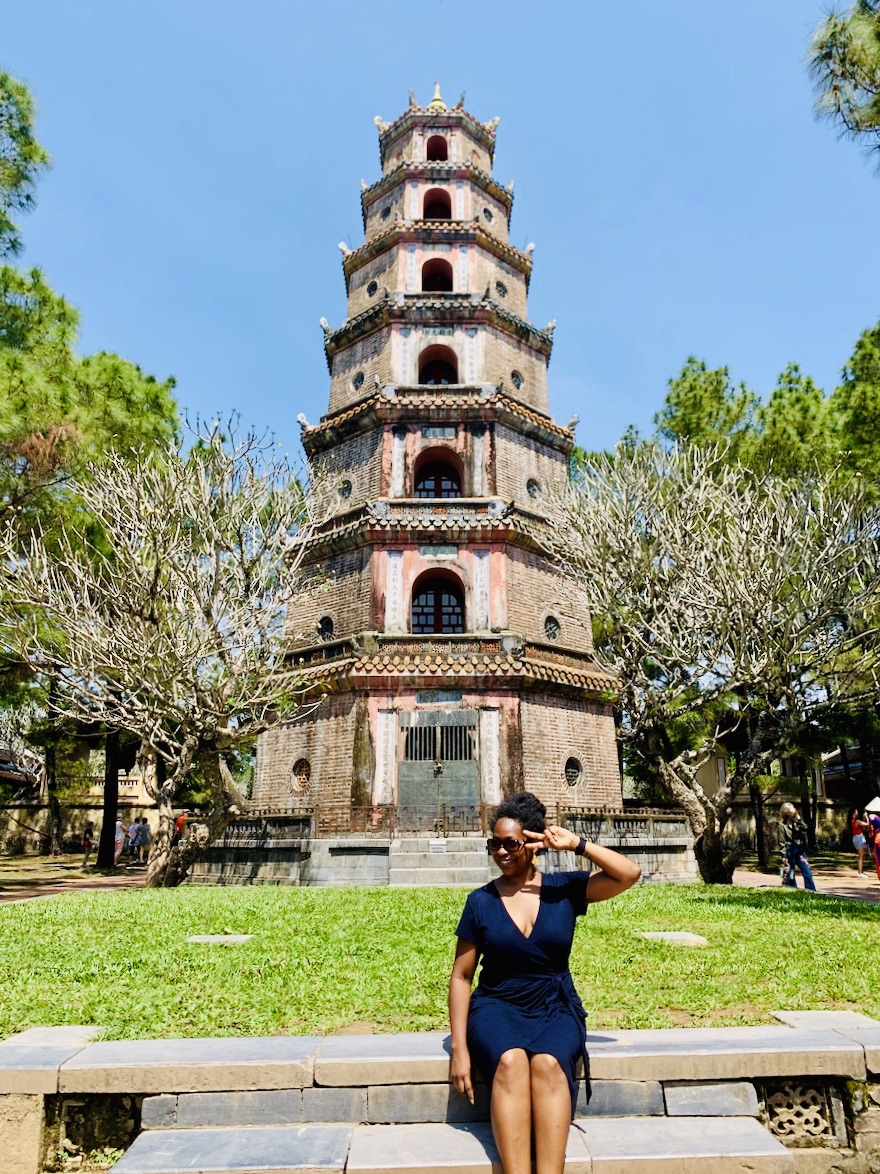
Thien Mu Pagoda, Hue, Vietnam

Europe

Black girl travel

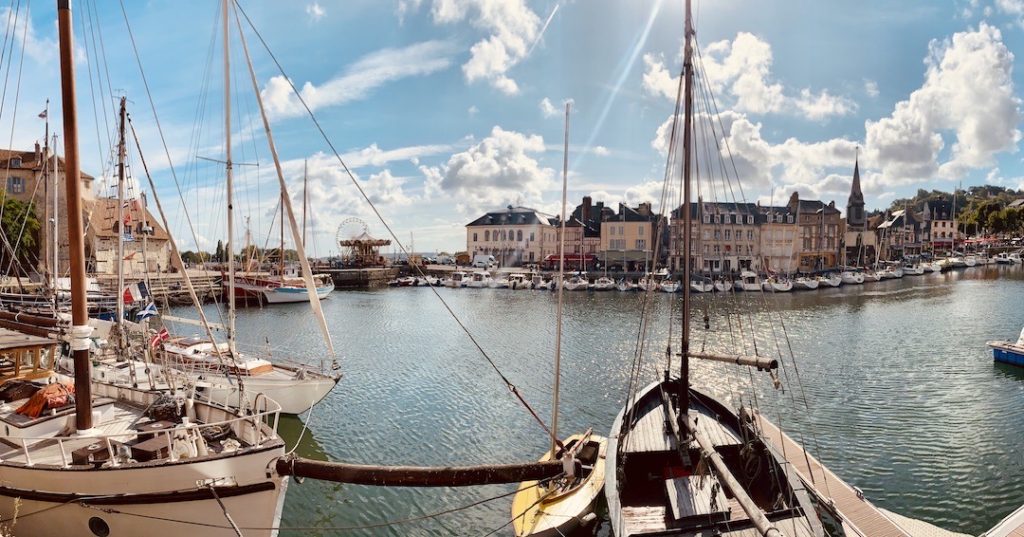
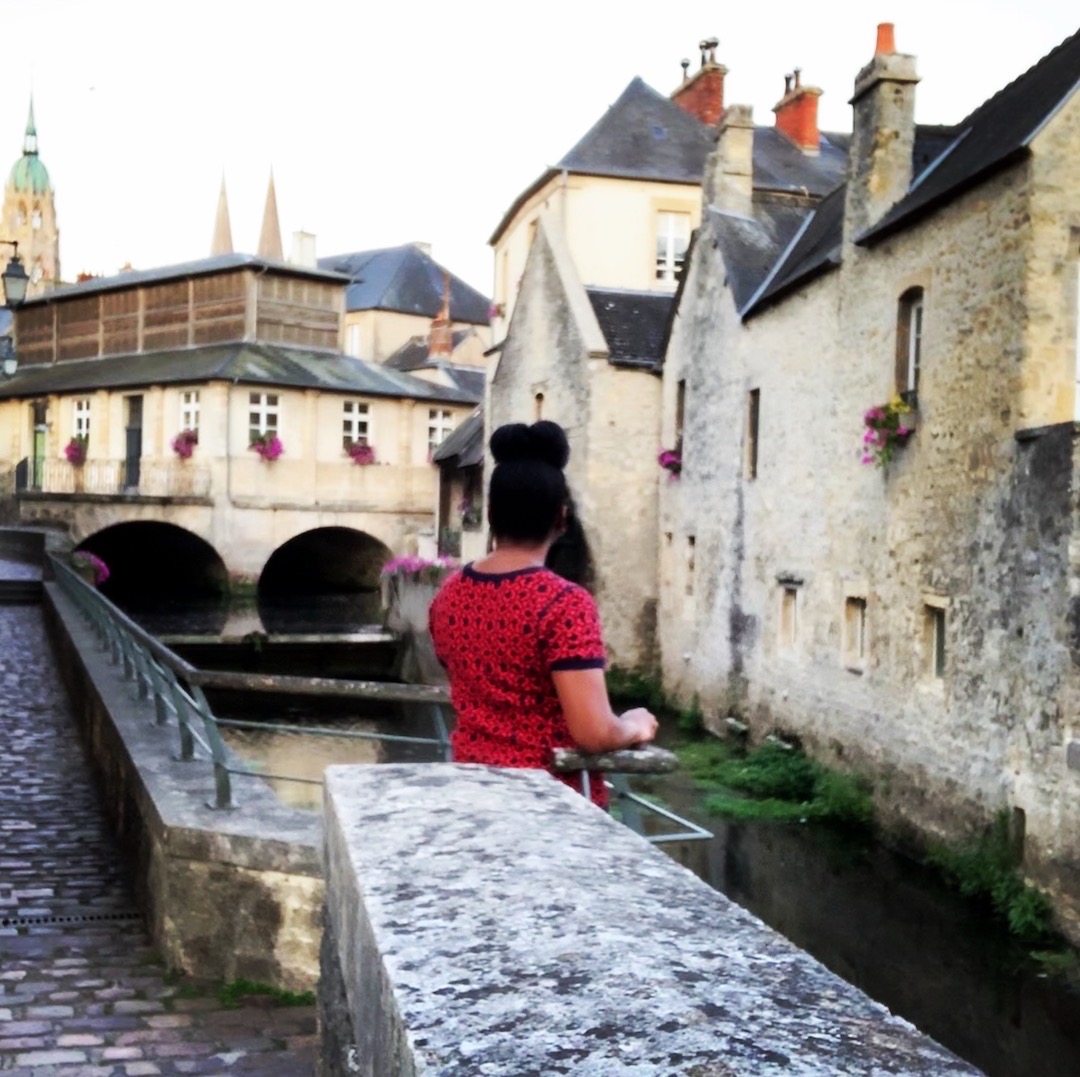
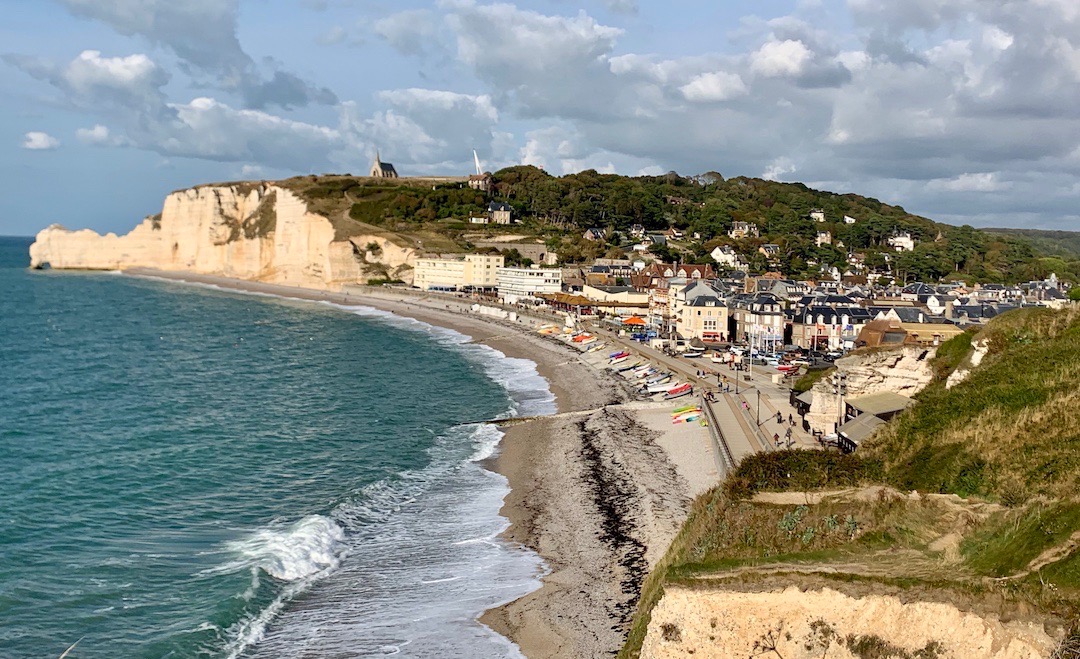
Honfleur, France

Traveling as a black woman in Europe has been varied. I have visited the continent more times than I can count on my hands twice over and I love it. However, our European friends are the cause of a lot of racism around the world. Their ties to and their implementation of slavery around the globe are unmistakable. They have purposefully divided tribes, mistreated dark-skinned people, and pitted neighbors against each other. These actions have left its mark on Europe too.

Discrimination is real and overt in many European nations. However, the only place in Europe where I have really felt out of place was in Croatia. I spent two weeks in that beautiful country and they reminded me every day that I was black. I understand that not many black people live or vacation in Croatia, but it was a bit much. People called out to me on the street, pointed at me, and whispered as I passed by. There was not a single day during my two-week trip where Croatians did not harass me because of my skin color. It was exhausting.

South America

The last experience about traveling as a black woman that I want to share is in South America. To be honest, it has been six years since I last visited South American. The continent is full of brown and black people. So, one would assume they are more open to and accepting of people of color. As a matter of fact, many people from South America would claim that racism is only a problem in the United States. Instead, I believe racism is slightly muted and takes on a sometimes less overt form.

In some countries, there is certainly a distinction between whites, Mestizos and Morenos. I spent two months in Chile several summers ago. Okay, I was in college, so it was many summers ago. I was poor and the place I had planned on staying at for the duration of my trip fell through. So, I not only had to find a place to live but a job to pay for that place.

I was shocked that Chileans required people to include a picture of themselves on resumes. That made it easy for them to discriminate against people based on looks, to include the color of one’s skin. I had to find a job where they paid me under the table to teach English to kids. Two of the kids were from Bolivia and were the same skin color as me. The Chilean boys picked on these two Bolivian boys all the time, calling them ugly because of their skin color. Besides those poor Bolivian kids, other Afro-Americans, who spent significant time in Chile, and I were picked on in one way or another.
black girl travel

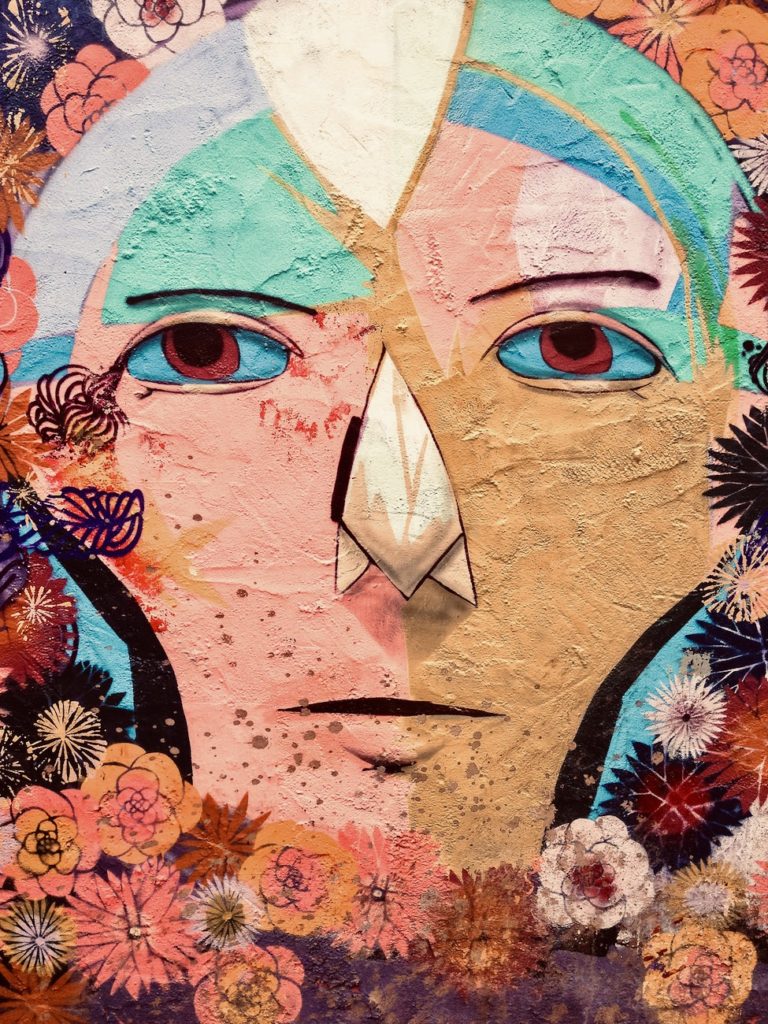
São Paulo, Brazil
[penci_fancy_heading _text_align=”left” p_title=”My love for travel continues” _title_typo=”font_family:Simonetta%3A%22regular%2Citalic%2C900%2C900italic%22|font_style:400%20regular%3A400%3Anormal” _title_fsize=”35px” _subtitle_typo=”font_family:%3A” _desc_typo=”font_family:%3A”]These are just a few of my experiences. I would like to reiterate that I am writing about this topic at this time because of what our nation is going through at this moment. Race issues are not a new phenomenon. But instead, I think it is important to note that the entire world suffers from some form of us versus them mentality. It is becoming harder to ignore our pasts. We should not let this moment pass without choosing to do something different. Especially, when the world is paying attention to things they have thought little about before.[/penci_fancy_heading]

Safari in Kenya: An Ultimate Guide

When I started my bucket list in 2010, I never imagined that I would be able to do so many things on it so quickly. Going on safari seemed like an item that I would check off in the very distant future. However I was able to check off safari in Kenya early in my bucket list journey. I have been fortunate to have been on five safaris over the years.

Zoos are not my thing, so I did not think I would love safaris. Finding a pride of lions, a herd of elephants, or even a momma warthog with her surprisingly cute piglets (yes…that’s what they are called!) made me fall in love with nature in unexpected ways.

By far, the Maasai Mara (commonly called the Mara) in the Kenya Rift Valley Province is the most popular safari destination. Home to the Maasai people, the Mara has beautiful, iconic landscape. It provides the backdrop to experiencing animals in their natural habitat. The Mara is where the Great Migration takes place. As a result, you can easily find the “big five” (the African elephant, Cape buffalo, African leopard, African lion, and African black rhino). If I could do only one thing in Kenya, this would be it!

Travel to Africa: 9 Countries You Should Visit

[penci_fancy_heading _text_align=”left” p_title=”Planning Your Safari” title_tag=”h6″ _title_typo=”font_family:Simonetta%3A%22regular%2Citalic%2C900%2C900italic%22|font_style:400%20regular%3A400%3Anormal” _subtitle_typo=”font_family:%3A” _desc_typo=”font_family:%3A”][/penci_fancy_heading]

You have decided to go on safari in Africa and you are wondering how to get you planning started. It can feel daunting to plan travel to Africa in generally, especially if it is your first time to the continent.

I rarely use travel agents, however, I highly recommend using a travel agent to plan your safari. It will make the entire process much easier. Instead of using a US-based travel agency, I always use Nairobi-based Travel Affairs to book all of my travel inside of the country and to neighboring African countries. They are friendly and helpful. The agents have an understanding of the wide variety of safari camps and they can provide recommendations depending on the type of experience you want to have.

Where to stay

The Maasai Mara is the most popular destination in Kenya for safari, but there are certainly other gems. Ol Pejeta near Mount Kenya and Amboseli are two other areas I have visited. The Kenya Wildlife Service maintains hundreds of safari parks all over the country.

There are different safari experiences, but most include sleeping in a tent. No ordinary tent of course. Well, they zip up like a regular tent and sort of look like one from the outside. Once inside, you will find plush beds and full bathrooms.

You do not have to completely break the bank to go on safari. But, I do prefer the semi to luxury tent experience because it is all inclusive, has 5 star food and gives you the chance to customize your drive times.

My Favorite Camps: 

When to go

You can go on Safari any time of the year, however, the best time is from June – October when it is the dry season. The Great Migration, when hundreds of thousands of wildebeests and zebras migrate from Tanzania to Kenya, also happens this time of year.

The highlight is to see the animals cross the Mara River. The wildebeests and zebra line up and sometimes wait for an hour before making the decision to cross. I understand the dilemma. Crocodiles line the river banks and hope they make a kill and fill their bellies.

For some strange reason, after so much contemplation and risk, they often times just turn around and cross the river again. Because of the large volume of animals, there is also an increased possibility to see a lion or cheetah hunt or kill! Pick a safari camp that is near the Mara River. This will reduce drive times to get to the action.

Safari in Kenya

I would avoid going on safari during the rainy season. Many safari camps in the Maasai Mara shut down during part of the long rains from April – early June.

You should work with a travel agent to map out the best safari camps to visit during this time. The short rains, November – December, are less challenging and safari camps are open.

Safari in Kenya

Besides lots of animals, migration season is crowded with people and it is the most expensive time to travel. I personally think it is worth it. If you do not like crowd, you should travel in between the rainy seasons, slightly before or after migration.

Many safari camps offer great deals during the low season. You will still have the chance to see the big five (the African elephant, Cape buffalo, African leopard, African lion, and African black rhino).

How many days on safari

I recommend spending only 2-3 days on safari. If it took you days to get to the Mara, you will  be tempted to spend a week trying to locate the hard to find leopard (it took me 5 trips). However, bumping around in a dusty vehicle for more than 3 days will mostly likely start to wear on you.

Instead, I you should take the extra days to spend time in Nairobi, travel to  Naivasha, or visit the beautiful Kenyan coast. In three days, you generally will do about 5 game drives. That’s plenty of time to have a memorable experience.

What to Pack

Safaris can be dusty and temperatures can fluctuate greatly over the course of several hours. here are my recommendations on what you should include on your packing list. 

  • Enough clothing to dress in layers
  • Light jacket
  • Scarf
  • A hat
  • Sunscreen and sunglasses
  • Backpack
  • Flashlight or headlamp
  • Bug/mosquito repellant
  • Camera and long distance lens if you have one
  • Lens cleaning cloth


Vietnam Travel Tips: Things You Should Know

Vietnam

From crowded cities, beautiful beaches along the coastline, and the green mountainous regions in the north, there is something for everyone to enjoy in Vietnam. Traveling in Vietnam was a special time for me. It was everything I expected it to be and a lot more. The people are warm and welcoming and the food is delicious. But, I think what surprised me the most was the beautiful architecture and detailed structures. The many places that made me feel at peace and relaxed were a bonus. However, there were a few things I wish I had known or been better prepared for. Here are a few travel tips you should know before your trip.

15 Bucket List Things You Should Do In Vietnam

25 Tips for International Travel

[penci_fancy_heading _text_align=”left” p_title=”Food Culture Rules” title_tag=”h5″ _title_typo=”font_family:Simonetta%3A%22regular%2Citalic%2C900%2C900italic%22|font_style:400%20regular%3A400%3Anormal” _subtitle_typo=”font_family:%3A” _desc_typo=”font_family:%3A”][/penci_fancy_heading]
Travel Tip 1: Eat Yummy Street Food

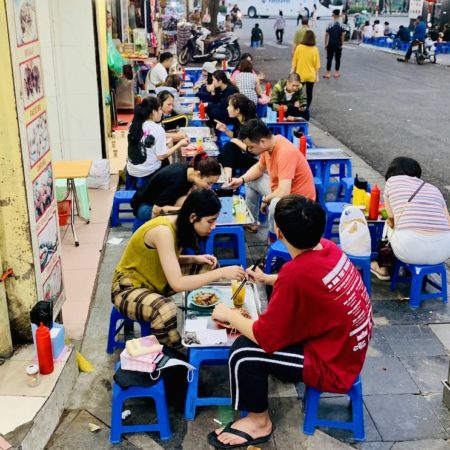
If you are traveling in Vietnam, you cannot pass up eating street food. It is not uncommon for you to turn a corner in the major cities and see from anything from just a few people to large crowds of people sitting on plastic chairs at short, small tables at restaurants or enjoying street food. Interesting note is that it is illegal for restaurants to have tables and chairs on the pavement. So, tables are low to the ground and the chairs are short to make it easy for store owners to quickly remove them if the authorities arrive.

Street food is made fresh, is inexpensive, and usually eaten quickly before people carry on with their days. Common dishes are a variety of noodle soups, a Vietnamese pancake, dried beef or papaya salad, and coconut ice cream. I recommend that you do a street food tour to get a good sense of the food culture and to have be able to taste a variety of dishes at one time. The same dish can be served differently based on the region. So, do not hesitate to take multiple food tours during your travels.

vietnam
Travel Tip 2: Enjoy a Beverage
Big Coffee Culture

I was shocked to learn that Vietnam has a huge coffee culture. I guess I should not have been so surprised since the French were in Vietnam for more than 100 years. And with the French, came its cafe culture. Cafes are sprinkled throughout Vietnamese cities and they a variety of unique coffee drinks. Traditional Vietnamese coffee is very strong and served with condensed milk. Iced coffee with condensed milk is also available, and became one of my favorites during my travels.  A signature Vietnamese coffee is egg coffee, which is easiest to find in Hanoi.

Tea is a thing too!

If you prefer tea over coffee, do not worry. Tea is also a huge part of Vietnamese culture. Tea draws people together throughout the day and at social events. Open air tea houses are abundant and easily noticeable in smaller towns like Hoi An. I find Vietnamese tea to be slightly bitter but has a great after taste. My favorite tea house was in Hoi An called The Teahouse. The Teahouse is associated with Reaching Out, whic is run by hearing and speech impaired individuals, who provide a peaceful and beautiful environment.

[penci_fancy_heading _text_align=”left” p_title=”Things to ignore…” title_tag=”h5″ _title_typo=”font_family:Simonetta%3A%22regular%2Citalic%2C900%2C900italic%22|font_style:400%20regular%3A400%3Anormal” _subtitle_typo=”font_family:%3A” _desc_typo=”font_family:%3A”][/penci_fancy_heading]
Travel Tip 3: Handsy with silverware

One thing I just had to let go of while traveling in Vietnam, is the fact that Vietnamese restaurant staff touch everything that you will probably put in your mouth. While this may go on in restaurants across the US, it is generally not acceptable and most consider it to be unclean.  Most restaurants tables will have a silverware holder with spoons, forks, and chopsticks. For some reason, Vietnamese put all of the chopsticks and silverware with the side you put in your mouth facing up. So, when people grab for either of them, people tend to put their hands all over everything.

Travel Tip 4: Doing the dishes

It is not uncommon to see ladies behind restaurants cleaning the dishes in a big bowl on the street. This did not really bother me because I have seem a lot more interesting things during my years of travel, but it might be weird  and seem unclean to some people. However, I would prefer to think of it as part of the culture.

[penci_fancy_heading _text_align=”left” p_title=”Getting Around” title_tag=”h5″ _title_typo=”font_family:Simonetta%3A%22regular%2Citalic%2C900%2C900italic%22|font_style:400%20regular%3A400%3Anormal” _subtitle_typo=”font_family:%3A” _desc_typo=”font_family:%3A”][/penci_fancy_heading]
Travel Tip 5: Ride a motorbike

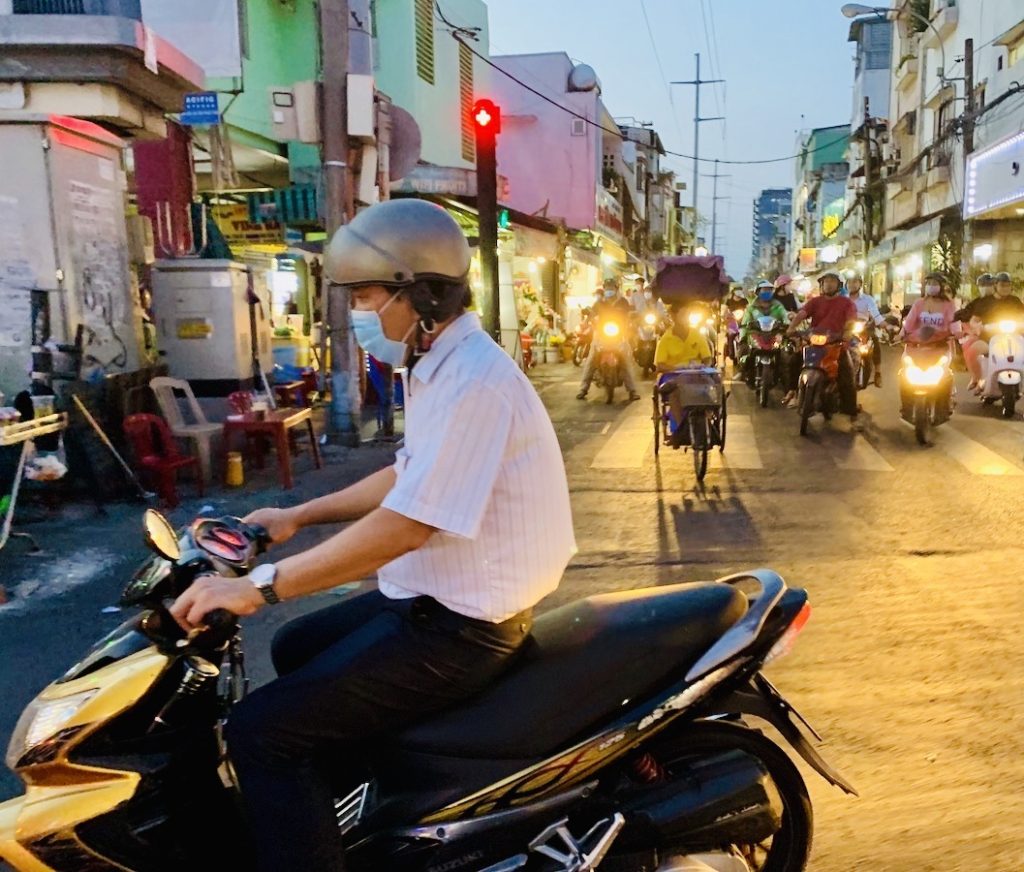
Throughout Vietnam, but especially in the big cities, the motorbike is the easiest form of transportation. My fear of taking a motor taxi quickly disappeared after I hopped on the back of a motorbike my first day in Vietnam. Zipping in and out of traffic along with hundreds of other motorbikes was exciting. I must warn that motorcyclist break the driving rules all of the time. Such as, driving the wrong way down a one way street or driving on the sidewalk to avoid having to circle the block. The motor taxi is a fantastic and cheap way to get around cities with ease and some excitement. My only recommendation is that you use apps like Grab to book a taxi. They will always quote you a price ahead of time, they are generally safe, and you are unlikely to be scammed. Avoid taking any form of motor taxis at night.

Travel Tip 6: A Bike is okay too…

I am not sure I would recommend riding a bike in the bigger cities like Ho Chi Minh City and Hanoi. But, it is a great  way to get around the smaller cities. Bike rental shops are abundant, and most Airbnb provide them free of charge.

[penci_fancy_heading _text_align=”left” p_title=”Take a Breath and Relax” title_tag=”h5″ _title_typo=”font_family:Simonetta%3A%22regular%2Citalic%2C900%2C900italic%22|font_style:400%20regular%3A400%3Anormal” _subtitle_typo=”font_family:%3A” _desc_typo=”font_family:%3A”][/penci_fancy_heading]
Travel Tip 7: Get a massage

If you are someone who likes to get a massage but it is too expensive in your home country, then Vietnam will be a treat. There are very affordable spa salons throughout the country. Many of them offer spa packages but they will also allow you to change it up and customize your experience. My favorite spa experience was in Hanoi at the Orient.

After walking all day, you should stop by one of the several massage shops that line the streets in all of the major cities to get a foot massage. You can get a one hour foot massage for about $8-10 and they are decent quality. Because there are so many of them, I advise you to shop around. Take a peek into the shop before you go in to see if it  meets your standards. Even though the massages are extremely affordable, you still deserve to enjoy the experience.

Travel Tip 8: Make time for the beach

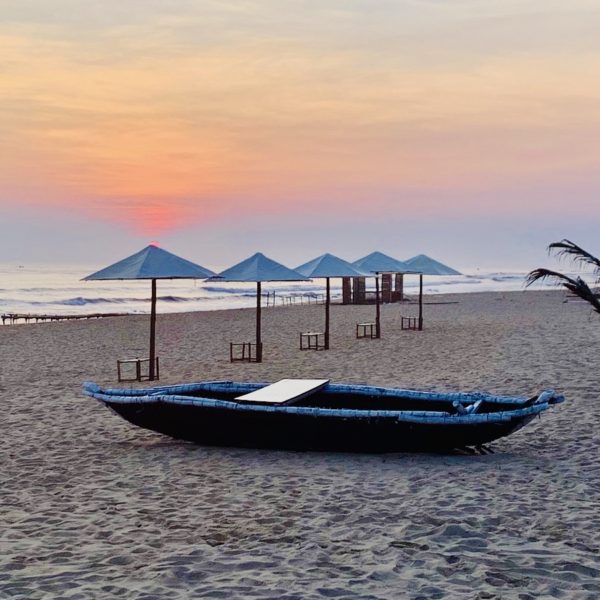
If you have time to explore several parts of Vietnam, I highly recommend building in some beach time. This is especially true if you will be spending any significant amount of time in Ho Chi Minh City or Hanoi, both of which can overload the senses. I stayed at the beach in Hue. To hear the crashing waves at night and to see the sunrise over the beach was amazing.

Travel Tip 9: Be spontaneous

I am definitely a planner, which means that I tend to plan out the majority of my trip ahead of time. However, I think that Vietnam is one place where you should build in some time for spontaneity. There are a lot of things that will draw you in, such as tea and coffee shops, beautifully handmade jewelry, or a temple tucked into the middle of a busy city street. You do not want to miss out on the country’s hidden treasures.

Travel Tip 10: Relax and people watch

Take time to sit at one of the many coffee or tea cafes in Vietnam to relax. Most cafes have outdoor seating or windowless shops, so it is easy to grab a chair and watch the different types of people and tourist wander by.

vietnam
[penci_fancy_heading _text_align=”left” p_title=”Is Vietnam Safe?” title_tag=”h5″ _title_typo=”font_family:Simonetta%3A%22regular%2Citalic%2C900%2C900italic%22|font_style:400%20regular%3A400%3Anormal” _subtitle_typo=”font_family:%3A” _desc_typo=”font_family:%3A”][/penci_fancy_heading]

Yes, Vietnam is safe. There was not a single time during my trip when I felt unsafe. However,  I did receive some tips from locals on how to stay safe.

•Do not carry your cell phone in your hand, otherwise you will be an easy target to be robbed. I wanted to be able to take photos on the street and on the back of motor taxis. So, I bought a lanyard case for my iPhone. It served as a deterrent to theft and allowed me to take photos.

•Leave your passport at your accommodations and do not carry around large sums of cash.

•Be careful crossing the street in large cities. I think it is much safer to cross the street in Ho Chi Minh City, were people generally follow the driving rules and street signs. However, Hanoi is a different story. The general rule is to just cross the street without looking drivers in the eye. If they do not think you noticed them, then they are more likely to slow down and let you cross. If they think you see them, they will continue full speed ahead.

[penci_fancy_heading _text_align=”left” p_title=”Things to keep in mind” title_tag=”h5″ _title_typo=”font_family:Simonetta%3A%22regular%2Citalic%2C900%2C900italic%22|font_style:400%20regular%3A400%3Anormal” _subtitle_typo=”font_family:%3A” _desc_typo=”font_family:%3A”][/penci_fancy_heading]
Travel Tip 11: Do not be a target

As a tourist you will easily stand out as a possible target for the locals to take advantage of. I think many of the things you may deal with in Vietnam is fairly normal in most developing nations.

Travel Tip 12: Transportation

Always get a quote before you get into a taxi or motor taxi if the person does not have a meter. The best thing to do is to order a taxi through one of the several apps related to transit in Vietnam, such as Grab. Be aware that some taxi drivers will drive you around in circles and then try to charge you extra money.

Travel Tip 13: Do not be afraid to haggle

Unless you shop only at shops that have fixed price, you will need to haggle to get a “fair” price. Best practice is to start negotiating about half or a third lower than what vendors quote you. You can usually find what you want in multiple stores. So, you should be prepared to walk away if you do not hear a price you are willing to pay.

Travel Tip 14: Be patient

People will ask you to buy what they are selling all day long. It can be annoying after you said no three or four times and people continue to be persistent. I recommend that you take a break and remember that people are trying to make a living. Politely say no thank you.

Want more tips on travel to Vietnam? Check out Travel to Vietnam.

Traveling to Asia During Coronavirus

traveling to Asia

Traveling to Asia during coronavirus was interesting and at times worrisome. I recently returned from Vietnam and a lot has changed around the world in the last few weeks. I wanted to share my experience, not to sway people on whether or not they should travel. That of course is up to each person to decide for themselves. Rather, I would like to highlight what it was like traveling to Asia during a global crisis.

vietnam coronavirus

I was a little worried about traveling to Asia during the coronavirus. It was less about getting sick, even though I definitely did not want that to happen. The surge of global cases was just starting, so I was more concerned with the possibility of having to cancel my plans. My mind had been set on going to Vietnam in early 2020 for more than two years.  I have not met a single person who did not enjoy their time in the country. So, my excitement only grew as time drew closer. Then in January, the world started to hear about people getting sick in China. Even though my flight was supposed to transit Beijing, I did not give it a second thought at the time. Even as China quarantined the entire city of Wuhan, I told myself that at least it was not Beijing.

Then, things started to rapidly change. Traveling to Asia started to become increasingly more difficult. Airlines canceled flights to China, to include Vietnam.  Now I was worried.  I knew it was only a matter of time before Vietnam would not except travelers who transited China. So, I proactively changed my flight with United Airlines free of charge for piece of mind.

In the lead up to my trip to Vietnam, it was hard to watch and read the daily news. The number of infected and deaths continued to rise. Just days before boarding the plane, South Korea, Italy, and Iran had huge spikes in cases. Fear began to set in that I would have to cancel my trip. Mostly, it was a fear of being trapped or being quarantined. If a single person on a plane or train, or someone in a hotel tested positive for the coronavirus, it would have changed everything. Most of my friends and family asked me if it was wise to be traveling to Asia during this time. 

With all of that said, I still wanted to go on vacation. So, here is what was it like traveling to Asia in February and March 2020 as coronavirus cases around the globe began to spike.

On my way to Vietnam, I had several travel legs. Every experience was different at each airport. While they all acknowledged that the world was in crisis over the coronavirus, there were very few overt measures in place during most of my trip.

In the days leading up to my trip, Europe saw a spike in cases of those infected with the coronavirus. My first transit point was Frankfurt and it felt like business as usual. They were not doing temperature checks, at least none that I saw. Only one person asked me if I had recently traveled to China and hardly anyone was wearing face masks. The next leg of my trip was to Thailand. I saw more people wearing face masks, but airport officials did not check temperatures or ask any questions about previous travel.

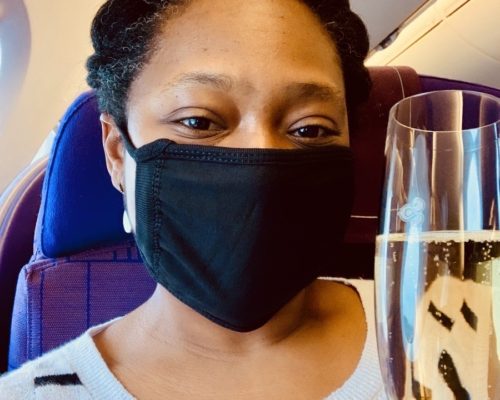
On my return trip from Vietnam, I transited Japan. I was fortunate enough to be able to use miles to sit in first class. The first class lounge put restrictions on travelers’ activities and they limited people’s contact with other each other to prevent the spread of the coronavirus. Most airport personnel wore face masks, but only person asked me if I had transited China. Besides the fact that not a single flight I took was full, my trip seemed mostly normal.

vietnam Coronavirus
[penci_fancy_heading _text_align=”left” p_title=”Southern Vietnam” title_tag=”h5″ _title_typo=”font_family:Simonetta%3A%22regular%2Citalic%2C900%2C900italic%22|font_style:400%20regular%3A400%3Anormal” _subtitle_typo=”font_family:%3A” _desc_typo=”font_family:%3A”][/penci_fancy_heading]

Ho Chi Minh City, one of Vietnam’s major cities, still felt crowded but there were clearly fewer tourist around. And, the Vietnamese were definitely concerned about the spread of the coronavirus. As soon as I got into the taxi at the airport in Ho Chi Minh City, my driver asked, “have you heard of corona?” When I responded yes, he asked me where was my mask.

The people sitting at the front desk of my Airbnb apartment building took my temperature. I also had to give them a copy of my passport just in case I or someone else in the building got sick. That way they would be able to do accountability for travelers. However, they only checked my temperature once, so I’m not sure their methods were effective.

Some public places, like the Jade Emperor Pagoda, had signs asking that everyone wear a face mask. While other places, such as the War Remnants Museum, would not let you enter the premises without taking your temperature.

Traveling to the Mekong Delta was calm and peaceful and it felt like the pandemic was happening a world away. All of the tourists still washed their hands or used sanitizer regularly. But, everyone on the trip shared a communal meal and spent an entire day together in close proximity.

vietnam coronavirus
[penci_fancy_heading _text_align=”left” p_title=”Central Vietnam” title_tag=”h5″ _title_typo=”font_family:Simonetta%3A%22regular%2Citalic%2C900%2C900italic%22|font_style:400%20regular%3A400%3Anormal” _subtitle_typo=”font_family:%3A” _desc_typo=”font_family:%3A”][/penci_fancy_heading]

As I traveled to the central part of Vietnam, people seemed to be slightly more relaxed but still had their guards up. People definitely wore face masks. But, I was surprised that my Airbnb host in Hoi An did not talk to me at all about the coronavirus. And, they did not ask me a single question about my recent travel or did they take my temperature.  There was a noticeable difference in Hue, possibly because I stayed at a hotel. They not only took my temperature, but asked me several questions about previous travel and how long I spent in each location.

The biggest and saddest sign of the coronavirus in central Vietnam was the lack of people. Chinese and South Koreans make up the large majority of the some 5 million people who travel to Hoi An and Hue each year. Since Vietnam put travel restrictions on both of these countries, the towns and all major sites were nearly bare. I never expected to have such freedom to roam Vietnam. When visited tourist sights that are normally extremely crowded, I was able ot take photos without a single person in my shot.

coronavirus

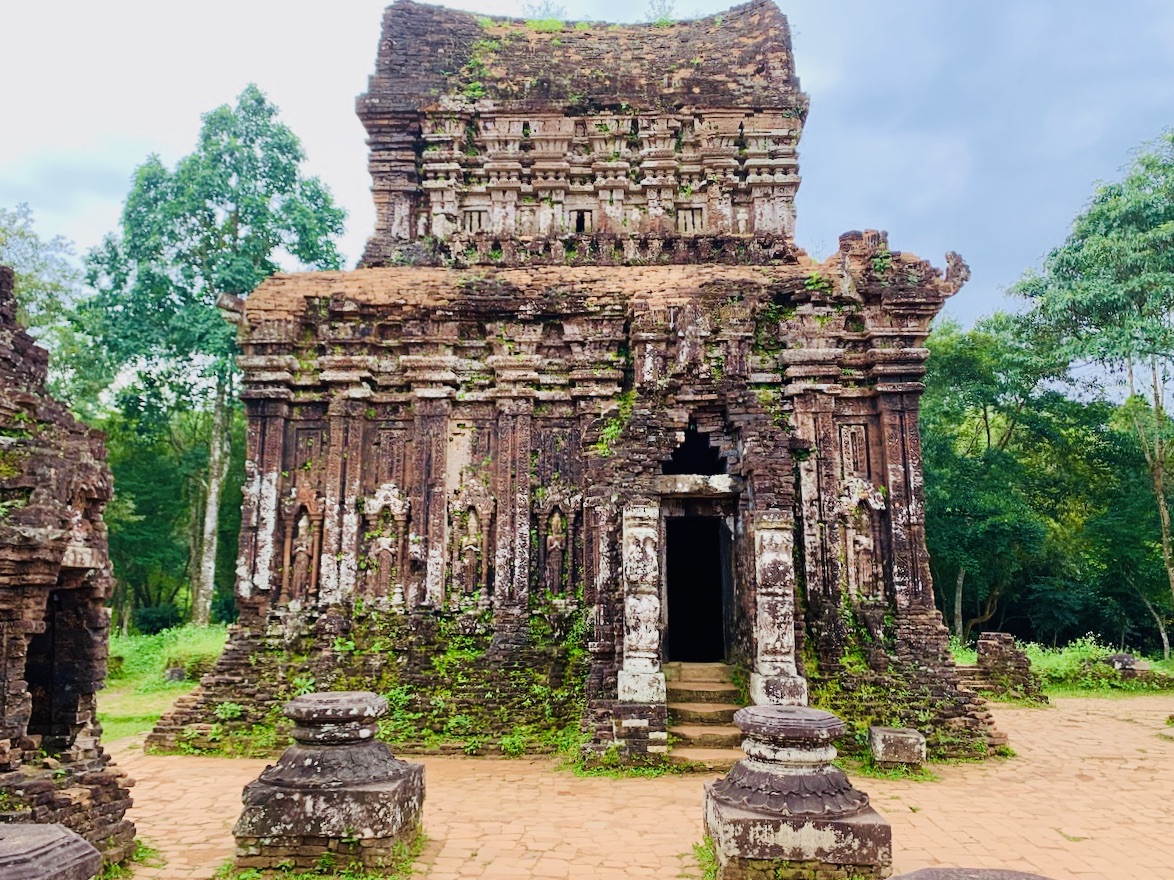
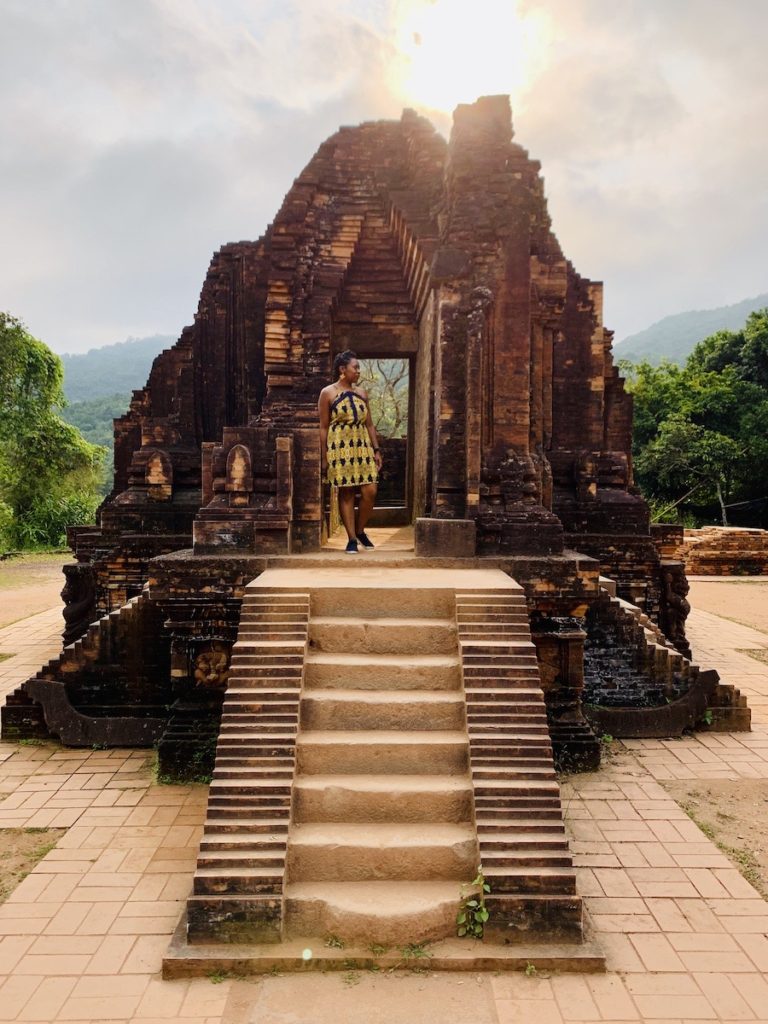
My Son Sanctuary

vietnam coronavirus

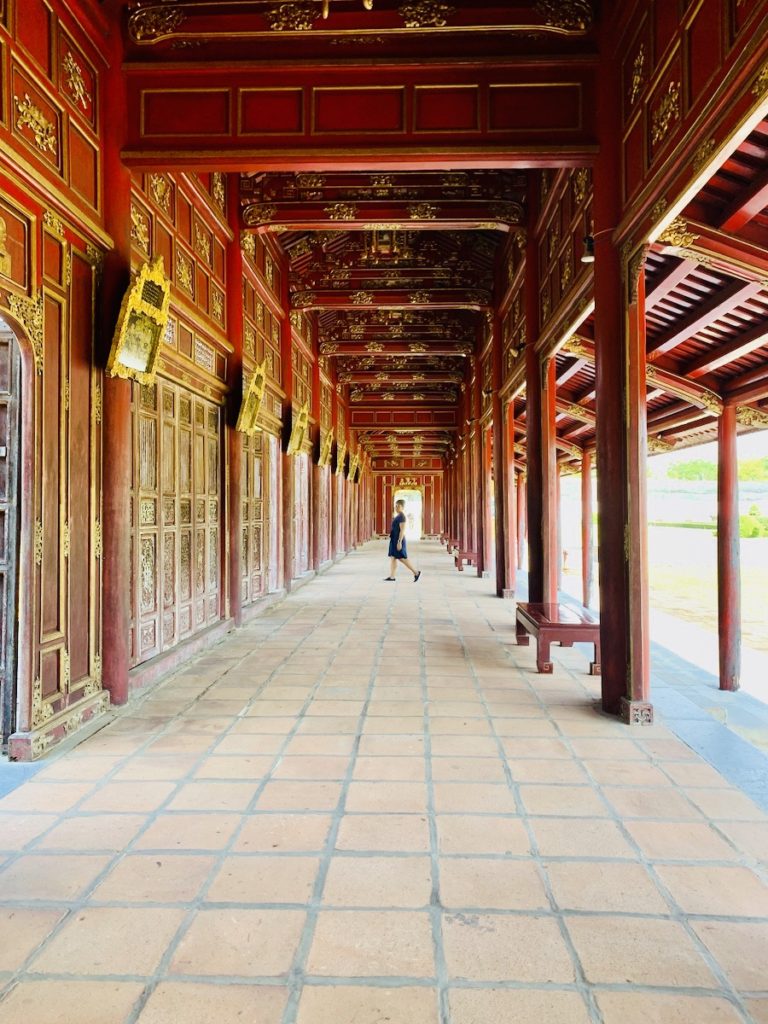
The Citadel, Hue

[penci_fancy_heading _text_align=”left” p_title=”Northern Vietnam” title_tag=”h5″ _title_typo=”font_family:Simonetta%3A%22regular%2Citalic%2C900%2C900italic%22|font_style:400%20regular%3A400%3Anormal” _subtitle_typo=”font_family:%3A” _desc_typo=”font_family:%3A”][/penci_fancy_heading]

My luck started to change as I traveled to Hanoi. Just a day before I had arrived in the city, a woman returning from London tested positive for the virus. She was staying within a few minutes walk from my Airbnb and the government had locked down the streets surrounding her house. They also quarantined at least 200 people and isolated another 500. Because of widespread panic, my taxi service was nervous about dropping me off at my Airbnb. Also, one tour company canceled my tour since they considered my location too close to the outbreak zone.

For the first time during my trip, my anxiety started to build. I was not so much worried about getting sick. But, I was worried about being quarantined in Vietnam or the US. 

vietnam coronavirus

At the time, there was little I could do to change my trip or the situation besides wash my hands and clean surfaces I came in contact with. So, I enjoyed the rest of my trip. As someone new to the city, Hanoi’s old city seemed to be alive and packed. But, the locals made it clear that tourism was down because of the coronavirus. And, just like Hoi An and Hue, tourist sites in Hanoi were bare, hardly a person in sight

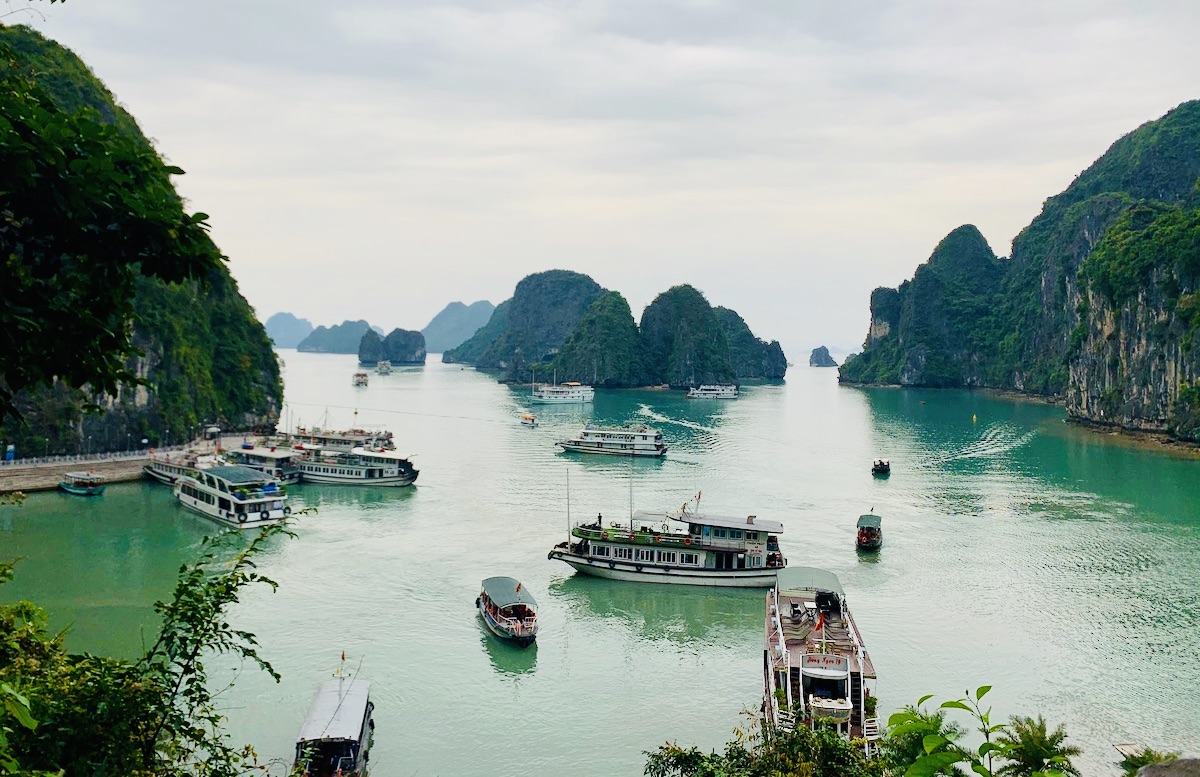
My final destination in Vietnam was to Halong Bay, which most consider to be one of the most touristy sites in the country. It normally has 5,000 to 6,000 tourists everyday, largely Chinese and South Koreans. However, during my time in Vietnam, the government forced companies to limited the number tours to Halong Bay because they had confirmed cases on one of the islands.  Every site we visited turned out to be fairly empty and I hardly saw anyone who was not in my tour group.

Traveling to Asia
[penci_fancy_heading _text_align=”left” p_title=”Interesting Observations…” title_tag=”h5″ _title_typo=”font_family:Simonetta%3A%22regular%2Citalic%2C900%2C900italic%22|font_style:400%20regular%3A400%3Anormal” _subtitle_typo=”font_family:%3A” _desc_typo=”font_family:%3A”][/penci_fancy_heading]
It’s getting hot in here…

During my trip, I do not think I chatted with a single Vietnamese person who did not say that it was too hot for the virus to survive in the country. Of course, that information is questionable since places like Singapore and Australia continue to see new cases.  The virus is new and scientists are still trying to understand how the virus will behave in warmer weather.

Cover your mouth!

There are lots of interesting things you will discover while traveling in Asia. One thing that I found to be particularly odd, is that I rarely saw anyone cover their mouth when they sneezed or coughed. Considering all that is happening around the world because of coronavirus as well as the new outbreak in Vietnam, I was really puzzled by this.

The face mask

It is more common to see people in Asia wearing a face mask regardless of coronavirus. So, without fail, it seemed like almost everyone on the street wore a face mask. Probably because wearing a masks provides some sort of false comfort. However, most people did not properly wear them or wore them for way too long to be effective. Occasionally, I saw people take off their mask to openly cough or sneeze, and then put the mask back on. It was unbelievable.

[penci_fancy_heading _text_align=”left” p_title=”Final thoughts…” title_tag=”h5″ _title_typo=”font_family:Simonetta%3A%22regular%2Citalic%2C900%2C900italic%22|font_style:400%20regular%3A400%3Anormal” _subtitle_typo=”font_family:%3A” _desc_typo=”font_family:%3A”][/penci_fancy_heading]

It has been three weeks since I boarded a plane from the United States and just one week since I returned from my trip to Vietnam. Life in both countries has changed quite a bit in that short time because of coronavirus. As I finish this post, more than 85 people in Vietnam have been infected. That is up from 16 just three weeks ago. As for the United States we have gone from about 65 cases when I started my vacation to more than 24,000 today. That number will surly be higher before I publish. We have gone from a country with a vibrant economy, to more than 2 million filling for unemployment benefits this week alone.

Travel to pretty much every country on the globe has been suspended, schools are closed, and business have stopped operating. It is unclear what the next few weeks or months will bring. But, I am so grateful that I got to visit one of the most beautiful and fun countries I have been to in a long time. I am looking forward for things to get back to normal. Then, we will all once again share our cultures and ways of life with each other!

Solo Travel: The Truth About Traveling Alone

solo travel

I love solo travel for so many reasons. My solo travel adventures started because of my grandmother. About 20 years ago, while sharing a breakfast together, she told me about all of the places she wished she had visited. She considered her life to be a blessed life. However, she did not have the opportunities to travel the way she wanted. I actually think part of my travel bug comes from her.

Solo travel is not for everyone, and I will admit that there may be a few cons. For example, I was unable to find a single food tour in Osaka, Japan, that would allow me to join a tour group. Apparently two was the minimum. Also, for some reason when I go to the beach, some people tend to ask “just one” with a little bit of pity or surprise. You know what? I DO NOT CARE!! Those small things are not enough to keep me from traveling solo, and I think everyone should try it at least once.

I know many women are particularly afraid. I understand the fear…the fear of the unknown, and frankly, I would never guarantee nothing bad will never happen. However, with planning, I have never really felt like I was in any type of danger. There are ways to protect yourself and feel safe. The goal is for your primary focus to be on whatever beautiful environment you are there to experience.

As part of my bucket list adventures, I set a goal to travel to at least 60 countries. I hope to exceed that, but for now that is my goal. So far, I have visited 44 countries. To make my goal possible, solo travel had to be built into my plan. I am a single woman and I think it is important that I do not to wait for people to make decisions, take risks, or be willing to push themselves outside of their comfort zones before I take a trip. This is especially true since the more I travel, the more I want to keep going.

Building Confidence!

Solo travel helps you to build confidence and become comfortable in your own skin. You also get to engage with lots of new and interesting people. With that confidence you gain freedom. Freedom to plan your trip exactly how you want to. You can choose to leave a place you are not enjoying or linger a little longer than you expected to.

Practice makes perfect

My first few solo trips were a tad bumpy. While I am still learning new tricks, I feel very good about going to almost any country alone. I’ve gained enough tools and resources to figure my way around strange places with confidence. That has all come with time and practice. If your first trip does not go according to plan, do not be afraid to try it again. I promise that it gets easier with time.

Solo travel_spain

Granada, Spain

Tips to help you conquer your fears of solo travels!!

Limit social media: We live in an age of social media where we track everything we do in the moment. Remember that social media also provides nefarious people with detailed information about your whereabouts and travel location, which can be used against you. The best practice is to limit your play by play activities.

Do not wing the important stuff: In general, I book my hotel or Airbnb reservations well before I board the plane. I buy walking maps of cities I am visiting. I also try to gain some understanding of public transportation systems as well as culture and norms. All of my pre planning helps me feel comfortable in a strange environment. I only wing it when I am visiting a country I’ve been to several times and I know what I am getting myself into.

Leave your itinerary behind: It is good practice for you to leave your travel plans, to include plane and hotel reservations, with someone you trust. Someone who cares about your whereabouts.

solo travel

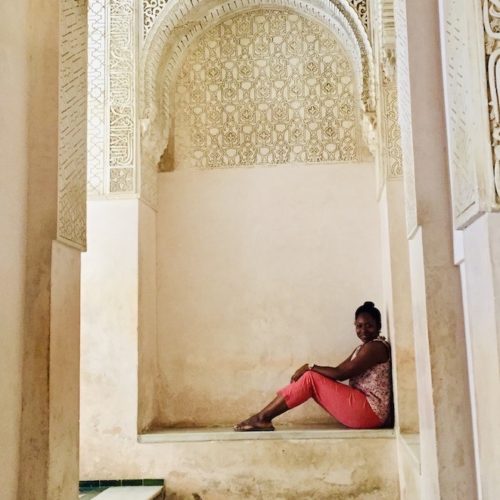
Solo travel in Morocco

Research the town: Take some time to research the town you plan to stay in. Every city is different and what seems alright in one place, does not work in another. In large cities, I try to stay close to a metro stop. It will save you a lot of time and make getting around a lot easier.

Do not be afraid to get out and see things: You have gotten up the courage to travel on your own. Maybe you have endured a long flight or car ride to reach your destination. Take every opportunity to see all that your heart desires. For me, that usually includes taking a very long time in a museum or spending a little too much money on a meal. It is also easier to get distracted when you are alone and that is a good thing. It is one my favorite parts about solo travel.

Join a day tour: If you are unclear about how to navigate a city or how to accomplish an activity, then joining a day tour makes things easier. Day tours help me manage logistics, like pick up and drop off from lodging and transportation to the tour site. They also usually provide lots of information about the site I am visiting. It is the easiest way to see things you may have not otherwise seen on our own.

I have been lucky to come across mom and pop restaurants and shops, received lots of information about temples, cathedrals, and mosques, and gained a ton of historical knowledge. My favorite tour companies are Viator.com and Getyourguide.com, but there a many others that can help ease your travels.

Dining alone: Dining alone can be the hardest part of traveling solo. I eat out by myself all the time in the US. But, for some reason it feels different on a trip. This is especially true if I want to go to a fancy restaurant solo. However, I do not think you should skip out on good places to eat just because you are by yourself. I tend to find restaurants with bars or outdoor seating, which take off of the pressure of eating by myself, and I also always have a book with me.

Tips for Driving in France

Driving in France

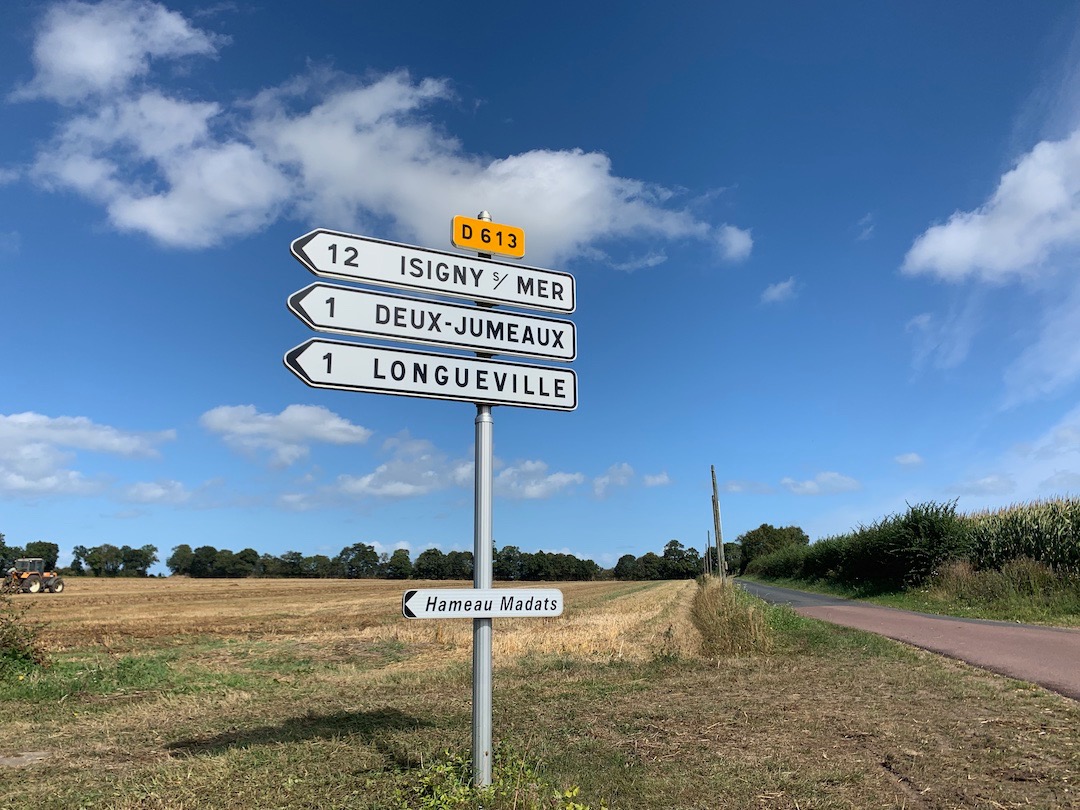
I rarely drive whenever visiting another country. As a matter of fact, I’ve only driven in Kenya and France. I can be quite an aggressive driver but it also stresses me out. I prefer to sit back on a tour bus, train, or metro to get me where I need to go. It takes the stress out of travel. I definitely do not want to drive in crowded, traffic heavy cities, where you spend most of your days getting from place to place. However, there are certain locations where I think it is way worth it to drive, and the countryside of France is one of those places.

As an American driving in France, my first question was which side of the road do they drive in in France. I spent two years driving on the left side of the road in Kenya. While I eventually got use to it, picking up that skill again, while on vacation, is not what I wanted to do. Thankfully, the French drive on the right side of the road.

I do not think I would ever attempt to driving in Paris or even parts of southern France where the cities are much more walkable and public transportation is readily available. However, in the countryside, renting a car is a must if you want the freedom to see the best sites. It was at the forefront of my mind as I planned my trip to France. I found that having a car gave me so much freedom. I never felt rushed and I was able to enjoy everything exactly the way I wanted to. As you prepare for your adventures, here are a few tips for driving in France.

Renting a Car

Renting a car in France is fairly simple and straight forward. Several US companies, such as Enterprise, Sixt, and Hertz will allow you to easily book rental car reservations in France. You should reserve your vehicle well in advance, especially if you want an automatic car. Rental car companies in Europe have more manual vehicles on hand, so reserving early will ensure that you get what you want.

Make sure you get the insurance that comes with the vehicle. So much can go wrong while driving in an unfamiliar location, so it is better to be safe than sorry. I also got supplemental insurance to cover the windshield and tires. Apparently it would have cost me between several hundreds to $1,000 to fix either of those things if they were damaged. You can drive in France with a US license, but I also got an international driver’s license from AAA before my trip just in case I needed it. However, no one ever asked to see it.

Getting around

A lot of newer cars have navigation systems built into the vehicle, but they do not always accurately identify locations. I used Google Maps and Apple Maps for the majority of my trip on my iPhone. They worked perfectly and regularly gave me multiple route options to get to my destinations.

On the road

I found road and traffic signs in France pretty easy to follow and I was never really confused about what I should be doing. However, I also think generally followed what I saw other people doing. Some things to note.

Roundabouts: There are a lot of roundabouts, particularly in the countryside. They sometimes pop up out of no where. I think it is pretty easy to figure out who has the right away, but I did sometimes hesitate if I felt like other drivers were being a tad aggressive.

Traffic lights: Traffic lights are generally on the right side of the road instead of hanging overhead like in the United States. I note this, because I tend to pull all the way up to the line when I stop at a light. However, if you do this in France, you may be slightly past the light and will be unable to tell when it changes to green.

Slow drivers: Slow drivers should stay to the right. Once upon a time, slow drivers drove in the right lane in the United States. Not anymore! However, in France, the left lane on the highway it strictly used for passing. It is normal to see drivers moving back and forth from the right lane to the left as they hop around slower drivers.

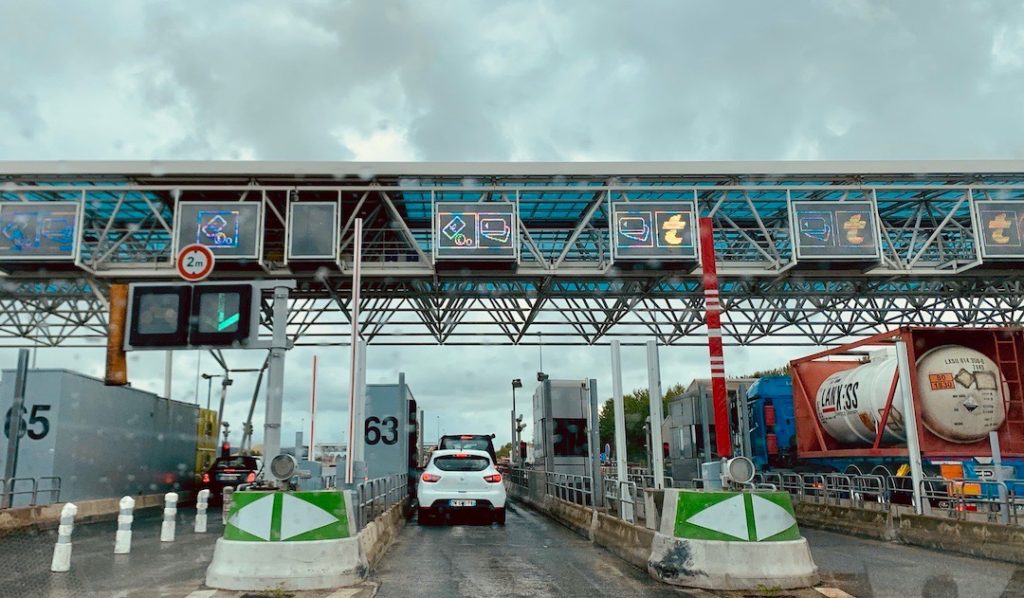
Tolls: I think toll booths are impossible to avoid if you are on the highways in France. However, they are super easy to get through. No cash? No worries. Toll booths accept credit cards. You can insert your card and be on your way in less than 30 seconds. They are not that expensive. However, depending on the duration of your trip, you may go through several toll booths, adding to the cost.

driving tips for france

Speeding: One of the best tips for driving in France is to watch your speed. I received a ticket during my last trip to France, caught by a speed camera, which is the easiest way to get caught on the road. Apparently there are warnings that the cameras are coming. If you do not know what to look out for though, those warnings can be easy to miss. I did not see too many cops while I was there, but they are there, hiding around behind bushes!

Tickets are relatively cheap compared to what you would pay in the US. If you are driving a rental car, the rental company will let you know via email that the car was caught by a speed camera. Then, they will charge your credit card accordingly. You may also receive an Avis de Contravention, which is a notice that you need to pay your ticket, in the mail from the French government.

Tip: Speed limits change rapidly in the countryside with little warning. If you are approaching a small town, you should assume that you will have to lower your speed by 20-30 kilometers.

Parking: Tips on driving in France must include parking. There are very few free places to park. It is usually easier to just pay for parking than circling neighborhoods looking for a free spot. I ended up downloading two parking apps; whoosh and pay by phone to make parking easier. Parking is not crazy expensive, and paying for parking ends up being way less stressful.

Filling up the tank: My final tips for driving in France is less of a tip and more of a warning. Gas is expensive! In late summer 2019, it cost me $20-30 more to fill up my tank in France than in the US. I found the cheapest gas station I could find near my lodging. I only used that station for the duration of my trip. Note that most gas stations will put a hold on your credit card for $120-130 no matter how much it actually cost to fill up your tank. The gas station usually lifts the hold in 1-3 days. If you cannot manage the hit to your credit card each time, then I recommend paying in cash.

Reviews: Brussels Airlines Business Class

Brussels and Egypt Air reviews

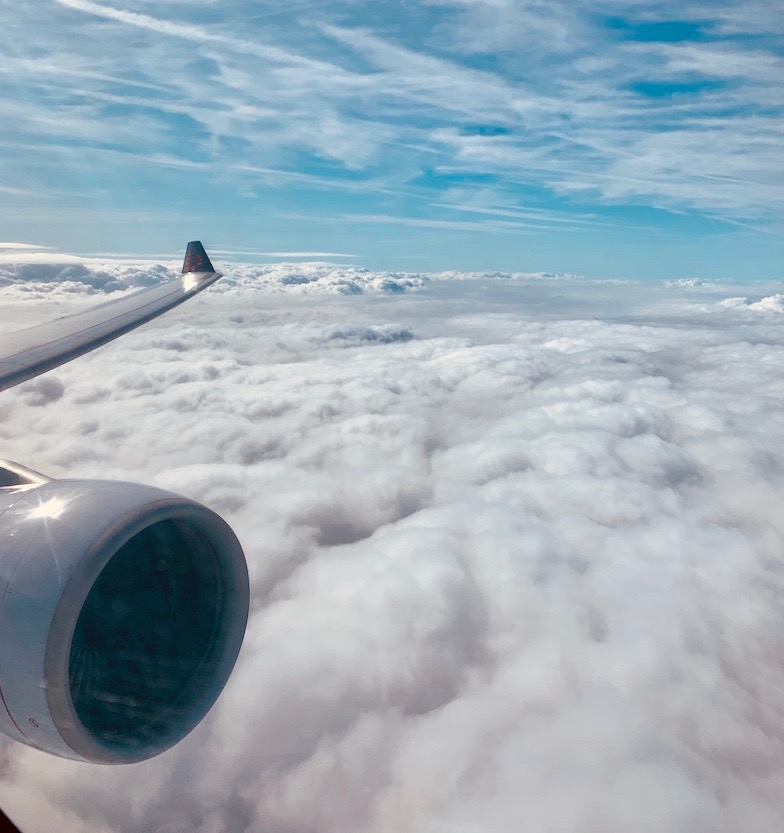
On a recent return trip from Belgium, I noticed that the flight was going to be quite full. Out of curiosity, I asked the lovely people at the counter if there was still room in business class. Luck would have it, there were plenty of seats available. Even better, Brussels Airlines was running a very discounted special on upgrades. With such an opportunity, I wanted to share my reviews on the Brussels Airlines business class flight from Brussels to Washington Dulles Airport.

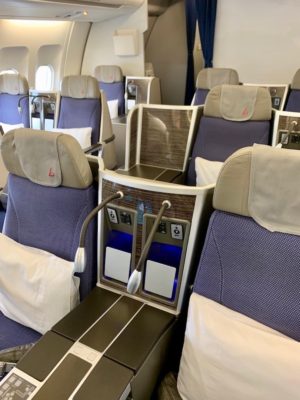
The cabin was fairly modern that alternated between double and single seats along the windows and double seats down the middle of the plane. We received the customary comfort toiletry kit, a bottle of water, and a choice of champagne, orange juice, or water. There were pillows but no blankets on our seats. However, blankets were provided upon request.

Brussels Airline Reviews

Brussels Airlines never has had a great movie selection and I generally end up reading a book or watching TV shows I downloaded onto my iPad. They only have a few recently released movies and not even a good selection of classic movies.

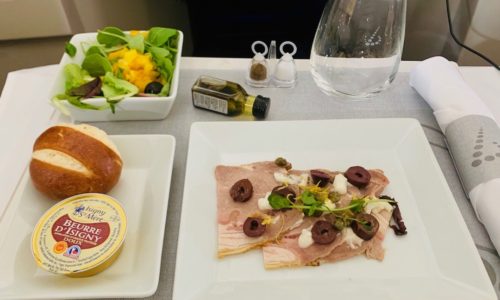
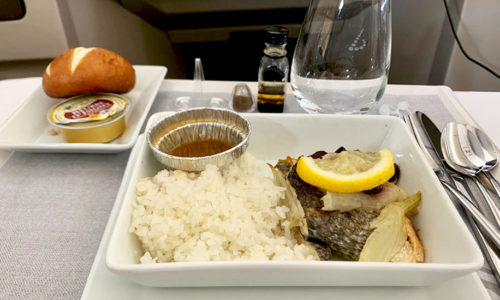
The meal service was pretty good. They served drinks and nuts as a snack before dinner. I think the food was better than economy class, but probably the middle of the pack for business class. I had the veal as an appetizer and it was very good, especially since I had no idea what to expect. The fish was dry but the flavor was decent. As expected, the wine was great!

Brussels Air reviews

The seats were lay flat seats, and fairly comfortable. I would say that the single seats give you more privacy, but when I laid down, I was a tad claustrophobic and it felt like I was in an MRI. However, I got use to it with time and slept well.

Normandy – 10 Things To Know Before You Travel

Normandy - 10 things you need to know

Normandy is a beautiful region in the northwestern part of France. Home to the D-Day invasion during WWII, infamous cheese, delicious apple products, and coastal towns that have drawn artists to the region for decades. The region’s quiet beauty is a nice reprieve from the bustling nature of Paris. It is definitely on of my favorite places to visit. Here are 10 things to know before you travel to Normandy.

D-Day Beaches

I think Normandy is a beautiful region to visit all on its own, but I do not think a trip to Normandy would be complete without visiting the D-Day beaches. On 6 June 1944, Allied troops landed on 5 beaches, which are now known as Utah, Omaha, Gold, Sword, and Juno. It was a spectacular invasion that was instrumental in bringing down the Nazi regime. There is a lot to see and one could spend an entire week or more visiting all of the sites. No need to do it all, as most of the museums walk through the events.

Mont-Saint-Michel

Mont-Saint-Michel is a city built on a hill near the ocean, which almost everyday becomes an island due to tides.  Definitely a gem of Normandy. It is about a 2 hour drive from Paris and Caen. You could also join a tour group to Mont-Saint-Michel, but you will have more flexibility and opportunity to beat the crowds if you drive. Make sure you visit the beautiful gothic Abbey.

More to Normandy than D-Day Beaches and Mont-Saint-Michel

Even though the D-Day beaches and Mont-Saint-Michel are what originally drew me to Normandy, there is so much more. Many people only visit the region as a day trip from Paris, but I think it’s worth staying a week or more in the Normandy region. The beautiful coastline is worth exploring, as well as the many small and cute cities that are sprinkled all over the region. I recommend day trips to Fécamp, Étretat, and Honfleur. If you have even more time, Rouen and Giverny are a must see.

Rent a Car

Unlike Paris or other parts of Franc, getting around Normandy without a car will be very limiting. There is so much to see and so many extremely cute towns to explore. Since driving out of Paris can be a pain, I recommend that you take the train from Paris to Caen. Enterprise, Europcar, and Sixt are all located right outside the train station. There are several other rental car companies near by. Make sure to reserve a car ahead of time, especially if you need an automatic vehicle.

Base in one city

If you plan to spend more than one day in the Normandy region, I think it is best to pick one city to base in and rent a car to explore the area. During my travels, I chose Bayeux. It is a small, cute town that still has a slightly bustling vibe. There are several D-Day memorial sites in the town and it is about 40 min to 2 hours drive from several highlights in Normandy. If you prefer a slightly bigger city, then Caen is also a good choice.

Apples over Grapes

When it comes to France, most people think of the country’s wine and champagne. However, in Normandy, the apple is the king. There are multiple distilleries throughout Normandy where they turn apples into cider, pommeau des normandie (an aperitif), and apple brandy. All three are very different and worth trying. I recommend visiting Calvados Experience, which has the most impressive tour of its facilities and the process, and is about 40 meters west of Caen by car.

Eat butter, cream, and cheese!

Besides its apples, Normandy is known for it’s cows which produce magnificent milk. As a result, Normandy makes delicious dairy products. Camembert, Livarot, Pont l’Evêque, and Neufchatel are the most popular and well-known Normandy cheeses. If you have time, you should do a cheese tour during your trip. I visited Maison du Camembert in Camembert, but E. Graindorge in Livarot is also a very popular tour.

Pack for changing weather

Since many of popular cities and sites are long the coast, the weather can be a tad unpredictable. It can go from sunny and warm to drizzly and cool in a matter of minutes. Dress in layers and keep a travel umbrella or raincoat with you during your travels.

Do you speak English?

If you ask that question in Normandy, the answer is likely to be no or just a little. Unlike Paris, many people in the region do not speak English. It is not uncommon to not have train announcements translated into English. Also, museums in smaller cities may only have signs in French. You can always ask for an audio translation, and some sites will have detailed pamphlets in English. Google translate or a travel size French-English dictionary can also be very handy.

Be prepared to walk

While renting a car is the best way to get around Normandy, once you get to your destination, park your car and walk the city. Many of these towns are better explored on foot. It will give you the opportunity to find surprises and see all of the sites. During my week in Normandy, I walked over 40 miles. Now, that may not work for every traveler, but you should still be prepared to do a decent amount of walking during your trip.

France – 10 Things to Consider Before Traveling

10 things to consider before traveling to France

France is a country has grown on me over time and after several trips. Now, it is one of my favorite places to visit. While Paris generally is the first destination of choice for tourists, it is those places outside of Paris with beautiful landscape, cute shops, small streets, and houses with old world character that have made me fall in love with France. Since it took me some time to feel comfortable in France, here are 10 things to consider before traveling to help you fall in love with the country quicker.

25 Tips For International Travel

Parlez vous anglais?

“Do you speak English? It is definitely a question you will be asked in France. If you are in Paris, the answer is likely to be yes or a little. However, outside of Paris, particularly in the countryside, the answer very well may be no. In some areas, not only do people not speak English, but essential signs may not be translated into English either. Google translate or a English-French phrase book will come handy during your travels.

Get outside of Paris

I know that when most people think about visiting France, Paris is their destination of choice. I understand why. Similar to New York City, it is a happening place that is full of culture, cuisine, and nightlife. However, I highly encourage you to get outside of Paris and see the other parts of France. I love the French Riviera and Normandy region. There is so much beauty in the country.  Even a train ride from Paris to the Champagne region will give you a different perspective of this beautiful country.

Normandy: 10 Things To Know Before You Travel

Sunday is a day of rest

In France, as with may European cities, many shops, restaurants, and museums will close early or be closed all together on Sundays. It is something you should consider when planning your trip. You probably do want to waste an entire day not being able to do anything because the entire country is shut down. Separately, be mindful that many museums and fine dining restaurants are also closed on Monday.

Siesta time…

Okay, it is not called a siesta in France, but many shops and restaurants close down between 2-2:30pm and 6-7pm everyday. If you are like me and regularly skip lunch because you get caught up in sightseeing, it may be hard to fill your belly if you wait past 2pm. If that is the case, then pack snacks or buy a sandwich earlier in the day and save it for this time of the day. 

Wow, it’s hot in here!

For some reason the regions outside of southern France, pretends like the hot summer weather does not exist in the rest of the country. Most hotels will have air conditioner, but do not be surprised if your Airbnb does not. Also, many shops and restaurant will not have air conditioning either. This is one of the most frustrating things about France for me. I know this may sound very American, but when it is 90 degrees, all I want is to eat a lovely meal without dying from the heat. It is probably one reason why the outside cafe is so popular in France. It generally feels nicer to sit outside.

Eating out, don’t be in a rush

The French love their food. Even more, they love taking their time enjoying their meals. If you plan to plant your bottom in a seat at a restaurant and enjoy any sort of beverage or meal, you should have patience. It can certainly take two hours to have a simple meal and several attempts to flag down your server to order of pay. Please do not think that it is because the French do not want to give good customer service. It is just that their priorities are different. First, the French generally do not live off of tips, so they are not looking to turn over tables quickly. Also, as I mentioned, they expect you to take a lot of time to enjoy your food and company.

Why is my meat so bloody?

We all have our preferences when it comes to the temperature of our red meat, and we expect the chef to prepare it correctly. However, the French have a different interpretation than Americans and it is possible you will not be satisfied with the bloodiness you are likely to encounter. There are generally 4-5 terms to describe meat temperatures in French: Blue (rare), Saignant (medium rare), à point (medium), cuit (medium well), and bien cuit (well done). No matter which one you order, they will all be slightly more undercooked than what you would normally expect in the US.

Coffee

Coffee in France is expensive and not always great. Granted, I generally think I have had decent cappuccinos and café au laits in Paris, but I only drank maybe one or two decent coffees my entire time during my recent trip to the Normandy region. It is generally watery and does not taste quite like coffee. For 3.5-4 Euros, you can get a tiny cup of cappuccino that really is only half full. Maybe they make poor coffee to draw you to France’s other great beverages, such as wine, champagne and calvados!

Fun facts about France

Dogs are welcome

Many restaurants in France allow dogs to dine with their owners. Generally there are no objections to dogs being with their owners outside, but you will often times see them indoors as well.

Watch your Step

Speaking of our furry best friends, I do not think it is mandatory to pick up dog poop off the sidewalks or the grass. In what I consider to be an extremely walkable country, it truly surprised me to see so much dog poop everywhere. Literally dogs go in the middle of a sidewalk, and the owners leave it there. Watch your step!