Vietnam Travel Tips: Things You Should Know

Vietnam

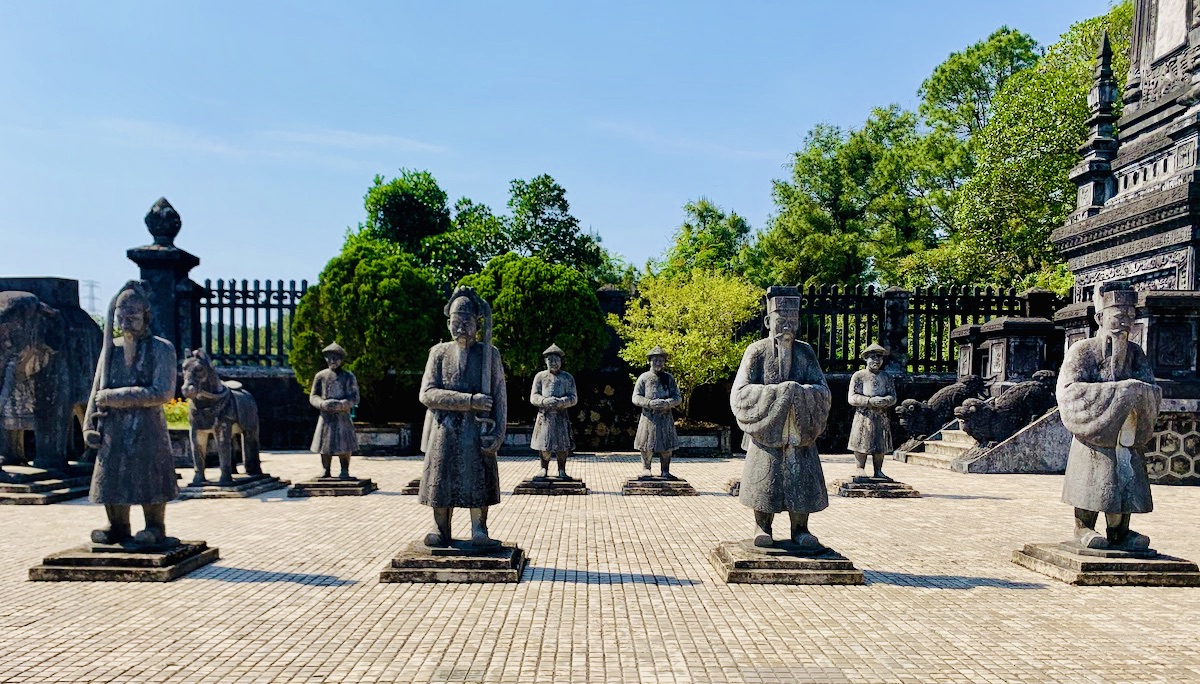
From crowded cities, beautiful beaches along the coastline, and the green mountainous regions in the north, there is something for everyone to enjoy in Vietnam. Traveling in Vietnam was a special time for me. It was everything I expected it to be and a lot more. The people are warm and welcoming and the food is delicious. But, I think what surprised me the most was the beautiful architecture and detailed structures. The many places that made me feel at peace and relaxed were a bonus. However, there were a few things I wish I had known or been better prepared for. Here are a few travel tips you should know before your trip.

15 Bucket List Things You Should Do In Vietnam

25 Tips for International Travel

[penci_fancy_heading _text_align=”left” p_title=”Food Culture Rules” title_tag=”h5″ _title_typo=”font_family:Simonetta%3A%22regular%2Citalic%2C900%2C900italic%22|font_style:400%20regular%3A400%3Anormal” _subtitle_typo=”font_family:%3A” _desc_typo=”font_family:%3A”][/penci_fancy_heading]
Travel Tip 1: Eat Yummy Street Food

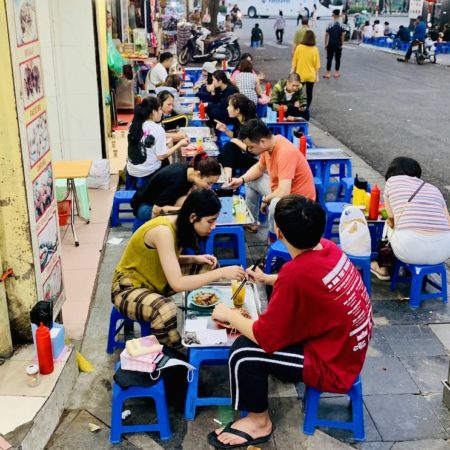
If you are traveling in Vietnam, you cannot pass up eating street food. It is not uncommon for you to turn a corner in the major cities and see from anything from just a few people to large crowds of people sitting on plastic chairs at short, small tables at restaurants or enjoying street food. Interesting note is that it is illegal for restaurants to have tables and chairs on the pavement. So, tables are low to the ground and the chairs are short to make it easy for store owners to quickly remove them if the authorities arrive.

Street food is made fresh, is inexpensive, and usually eaten quickly before people carry on with their days. Common dishes are a variety of noodle soups, a Vietnamese pancake, dried beef or papaya salad, and coconut ice cream. I recommend that you do a street food tour to get a good sense of the food culture and to have be able to taste a variety of dishes at one time. The same dish can be served differently based on the region. So, do not hesitate to take multiple food tours during your travels.
vietnam
Travel Tip 2: Enjoy a Beverage
Big Coffee Culture

I was shocked to learn that Vietnam has a huge coffee culture. I guess I should not have been so surprised since the French were in Vietnam for more than 100 years. And with the French, came its cafe culture. Cafes are sprinkled throughout Vietnamese cities and they a variety of unique coffee drinks. Traditional Vietnamese coffee is very strong and served with condensed milk. Iced coffee with condensed milk is also available, and became one of my favorites during my travels.  A signature Vietnamese coffee is egg coffee, which is easiest to find in Hanoi.

Tea is a thing too!

If you prefer tea over coffee, do not worry. Tea is also a huge part of Vietnamese culture. Tea draws people together throughout the day and at social events. Open air tea houses are abundant and easily noticeable in smaller towns like Hoi An. I find Vietnamese tea to be slightly bitter but has a great after taste. My favorite tea house was in Hoi An called The Teahouse. The Teahouse is associated with Reaching Out, whic is run by hearing and speech impaired individuals, who provide a peaceful and beautiful environment.

[penci_fancy_heading _text_align=”left” p_title=”Things to ignore…” title_tag=”h5″ _title_typo=”font_family:Simonetta%3A%22regular%2Citalic%2C900%2C900italic%22|font_style:400%20regular%3A400%3Anormal” _subtitle_typo=”font_family:%3A” _desc_typo=”font_family:%3A”][/penci_fancy_heading]
Travel Tip 3: Handsy with silverware

One thing I just had to let go of while traveling in Vietnam, is the fact that Vietnamese restaurant staff touch everything that you will probably put in your mouth. While this may go on in restaurants across the US, it is generally not acceptable and most consider it to be unclean.  Most restaurants tables will have a silverware holder with spoons, forks, and chopsticks. For some reason, Vietnamese put all of the chopsticks and silverware with the side you put in your mouth facing up. So, when people grab for either of them, people tend to put their hands all over everything.

Travel Tip 4: Doing the dishes

It is not uncommon to see ladies behind restaurants cleaning the dishes in a big bowl on the street. This did not really bother me because I have seem a lot more interesting things during my years of travel, but it might be weird  and seem unclean to some people. However, I would prefer to think of it as part of the culture.

[penci_fancy_heading _text_align=”left” p_title=”Getting Around” title_tag=”h5″ _title_typo=”font_family:Simonetta%3A%22regular%2Citalic%2C900%2C900italic%22|font_style:400%20regular%3A400%3Anormal” _subtitle_typo=”font_family:%3A” _desc_typo=”font_family:%3A”][/penci_fancy_heading]
Travel Tip 5: Ride a motorbike

Throughout Vietnam, but especially in the big cities, the motorbike is the easiest form of transportation. My fear of taking a motor taxi quickly disappeared after I hopped on the back of a motorbike my first day in Vietnam. Zipping in and out of traffic along with hundreds of other motorbikes was exciting. I must warn that motorcyclist break the driving rules all of the time. Such as, driving the wrong way down a one way street or driving on the sidewalk to avoid having to circle the block. The motor taxi is a fantastic and cheap way to get around cities with ease and some excitement. My only recommendation is that you use apps like Grab to book a taxi. They will always quote you a price ahead of time, they are generally safe, and you are unlikely to be scammed. Avoid taking any form of motor taxis at night.

Travel Tip 6: A Bike is okay too…

I am not sure I would recommend riding a bike in the bigger cities like Ho Chi Minh City and Hanoi. But, it is a great  way to get around the smaller cities. Bike rental shops are abundant, and most Airbnb provide them free of charge.

[penci_fancy_heading _text_align=”left” p_title=”Take a Breath and Relax” title_tag=”h5″ _title_typo=”font_family:Simonetta%3A%22regular%2Citalic%2C900%2C900italic%22|font_style:400%20regular%3A400%3Anormal” _subtitle_typo=”font_family:%3A” _desc_typo=”font_family:%3A”][/penci_fancy_heading]
Travel Tip 7: Get a massage

If you are someone who likes to get a massage but it is too expensive in your home country, then Vietnam will be a treat. There are very affordable spa salons throughout the country. Many of them offer spa packages but they will also allow you to change it up and customize your experience. My favorite spa experience was in Hanoi at the Orient.

After walking all day, you should stop by one of the several massage shops that line the streets in all of the major cities to get a foot massage. You can get a one hour foot massage for about $8-10 and they are decent quality. Because there are so many of them, I advise you to shop around. Take a peek into the shop before you go in to see if it  meets your standards. Even though the massages are extremely affordable, you still deserve to enjoy the experience.

Travel Tip 8: Make time for the beach

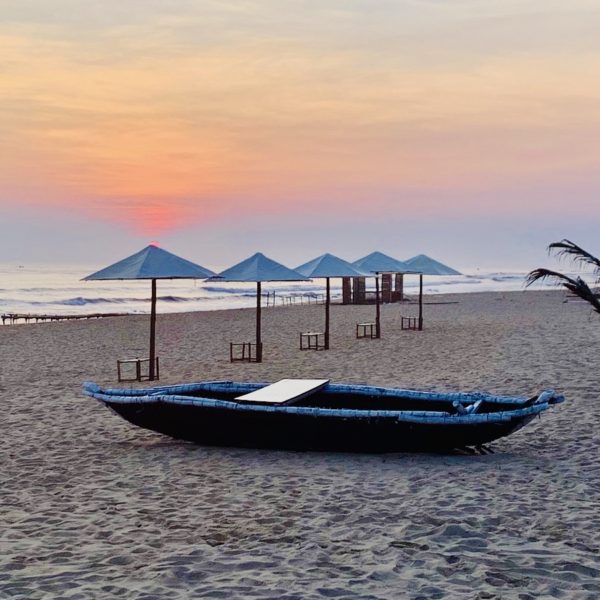
If you have time to explore several parts of Vietnam, I highly recommend building in some beach time. This is especially true if you will be spending any significant amount of time in Ho Chi Minh City or Hanoi, both of which can overload the senses. I stayed at the beach in Hue. To hear the crashing waves at night and to see the sunrise over the beach was amazing.

Travel Tip 9: Be spontaneous

I am definitely a planner, which means that I tend to plan out the majority of my trip ahead of time. However, I think that Vietnam is one place where you should build in some time for spontaneity. There are a lot of things that will draw you in, such as tea and coffee shops, beautifully handmade jewelry, or a temple tucked into the middle of a busy city street. You do not want to miss out on the country’s hidden treasures.

Travel Tip 10: Relax and people watch

Take time to sit at one of the many coffee or tea cafes in Vietnam to relax. Most cafes have outdoor seating or windowless shops, so it is easy to grab a chair and watch the different types of people and tourist wander by.
vietnam
[penci_fancy_heading _text_align=”left” p_title=”Is Vietnam Safe?” title_tag=”h5″ _title_typo=”font_family:Simonetta%3A%22regular%2Citalic%2C900%2C900italic%22|font_style:400%20regular%3A400%3Anormal” _subtitle_typo=”font_family:%3A” _desc_typo=”font_family:%3A”][/penci_fancy_heading]

Yes, Vietnam is safe. There was not a single time during my trip when I felt unsafe. However,  I did receive some tips from locals on how to stay safe.

•Do not carry your cell phone in your hand, otherwise you will be an easy target to be robbed. I wanted to be able to take photos on the street and on the back of motor taxis. So, I bought a lanyard case for my iPhone. It served as a deterrent to theft and allowed me to take photos.

•Leave your passport at your accommodations and do not carry around large sums of cash.

•Be careful crossing the street in large cities. I think it is much safer to cross the street in Ho Chi Minh City, were people generally follow the driving rules and street signs. However, Hanoi is a different story. The general rule is to just cross the street without looking drivers in the eye. If they do not think you noticed them, then they are more likely to slow down and let you cross. If they think you see them, they will continue full speed ahead.

[penci_fancy_heading _text_align=”left” p_title=”Things to keep in mind” title_tag=”h5″ _title_typo=”font_family:Simonetta%3A%22regular%2Citalic%2C900%2C900italic%22|font_style:400%20regular%3A400%3Anormal” _subtitle_typo=”font_family:%3A” _desc_typo=”font_family:%3A”][/penci_fancy_heading]
Travel Tip 11: Do not be a target

As a tourist you will easily stand out as a possible target for the locals to take advantage of. I think many of the things you may deal with in Vietnam is fairly normal in most developing nations.

Travel Tip 12: Transportation

Always get a quote before you get into a taxi or motor taxi if the person does not have a meter. The best thing to do is to order a taxi through one of the several apps related to transit in Vietnam, such as Grab. Be aware that some taxi drivers will drive you around in circles and then try to charge you extra money.

Travel Tip 13: Do not be afraid to haggle

Unless you shop only at shops that have fixed price, you will need to haggle to get a “fair” price. Best practice is to start negotiating about half or a third lower than what vendors quote you. You can usually find what you want in multiple stores. So, you should be prepared to walk away if you do not hear a price you are willing to pay.

Travel Tip 14: Be patient

People will ask you to buy what they are selling all day long. It can be annoying after you said no three or four times and people continue to be persistent. I recommend that you take a break and remember that people are trying to make a living. Politely say no thank you.

Want more tips on travel to Vietnam? Check out Travel to Vietnam.
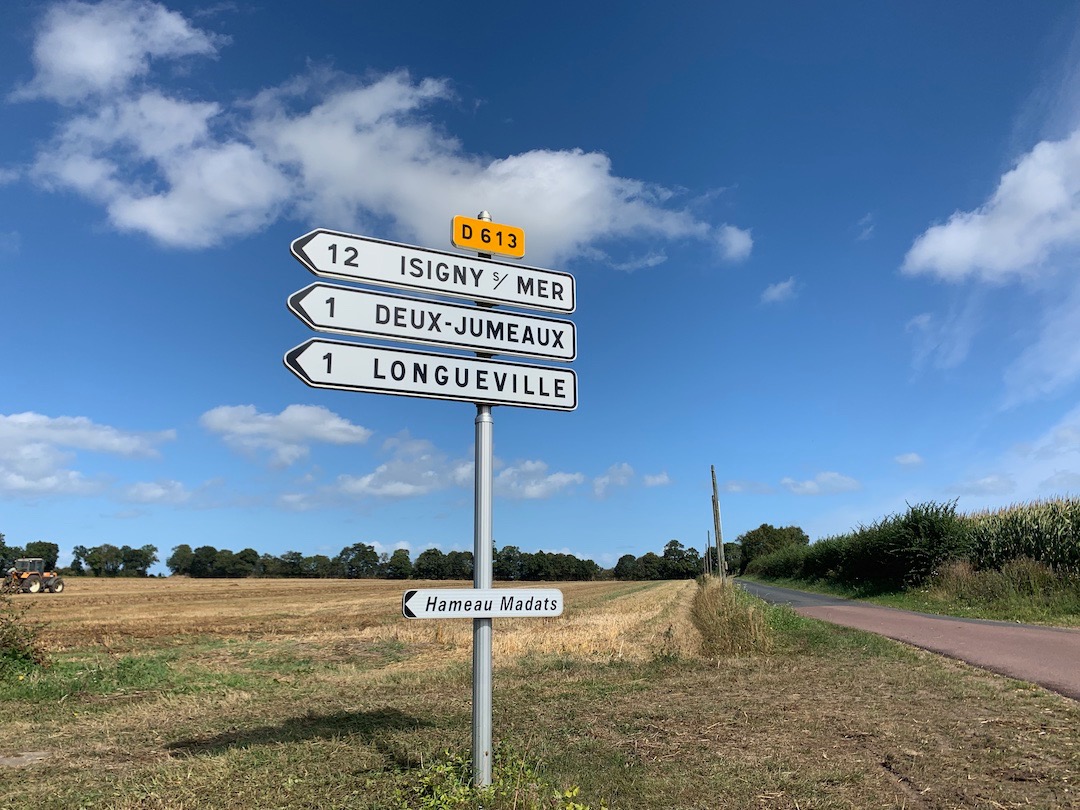
Tips for Driving in France

Driving in France

I rarely drive whenever visiting another country. As a matter of fact, I’ve only driven in Kenya and France. I can be quite an aggressive driver but it also stresses me out. I prefer to sit back on a tour bus, train, or metro to get me where I need to go. It takes the stress out of travel. I definitely do not want to drive in crowded, traffic heavy cities, where you spend most of your days getting from place to place. However, there are certain locations where I think it is way worth it to drive, and the countryside of France is one of those places.

As an American driving in France, my first question was which side of the road do they drive in in France. I spent two years driving on the left side of the road in Kenya. While I eventually got use to it, picking up that skill again, while on vacation, is not what I wanted to do. Thankfully, the French drive on the right side of the road.

I do not think I would ever attempt to driving in Paris or even parts of southern France where the cities are much more walkable and public transportation is readily available. However, in the countryside, renting a car is a must if you want the freedom to see the best sites. It was at the forefront of my mind as I planned my trip to France. I found that having a car gave me so much freedom. I never felt rushed and I was able to enjoy everything exactly the way I wanted to. As you prepare for your adventures, here are a few tips for driving in France.

Renting a Car

Renting a car in France is fairly simple and straight forward. Several US companies, such as Enterprise, Sixt, and Hertz will allow you to easily book rental car reservations in France. You should reserve your vehicle well in advance, especially if you want an automatic car. Rental car companies in Europe have more manual vehicles on hand, so reserving early will ensure that you get what you want.

Make sure you get the insurance that comes with the vehicle. So much can go wrong while driving in an unfamiliar location, so it is better to be safe than sorry. I also got supplemental insurance to cover the windshield and tires. Apparently it would have cost me between several hundreds to $1,000 to fix either of those things if they were damaged. You can drive in France with a US license, but I also got an international driver’s license from AAA before my trip just in case I needed it. However, no one ever asked to see it.

Getting around

A lot of newer cars have navigation systems built into the vehicle, but they do not always accurately identify locations. I used Google Maps and Apple Maps for the majority of my trip on my iPhone. They worked perfectly and regularly gave me multiple route options to get to my destinations.

On the road

I found road and traffic signs in France pretty easy to follow and I was never really confused about what I should be doing. However, I also think generally followed what I saw other people doing. Some things to note.

Roundabouts: There are a lot of roundabouts, particularly in the countryside. They sometimes pop up out of no where. I think it is pretty easy to figure out who has the right away, but I did sometimes hesitate if I felt like other drivers were being a tad aggressive.

Traffic lights: Traffic lights are generally on the right side of the road instead of hanging overhead like in the United States. I note this, because I tend to pull all the way up to the line when I stop at a light. However, if you do this in France, you may be slightly past the light and will be unable to tell when it changes to green.

Slow drivers: Slow drivers should stay to the right. Once upon a time, slow drivers drove in the right lane in the United States. Not anymore! However, in France, the left lane on the highway it strictly used for passing. It is normal to see drivers moving back and forth from the right lane to the left as they hop around slower drivers.

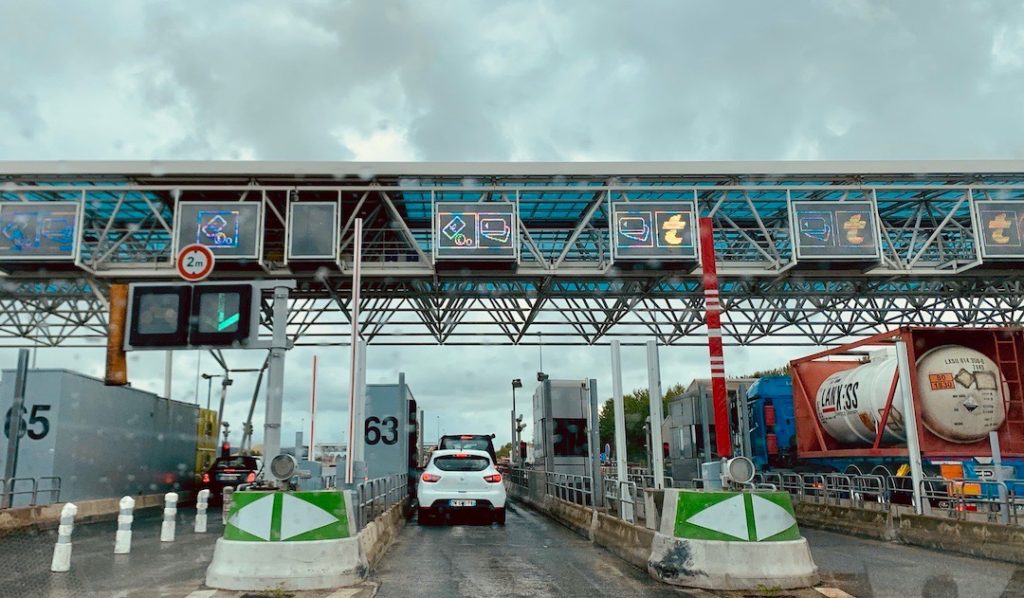
Tolls: I think toll booths are impossible to avoid if you are on the highways in France. However, they are super easy to get through. No cash? No worries. Toll booths accept credit cards. You can insert your card and be on your way in less than 30 seconds. They are not that expensive. However, depending on the duration of your trip, you may go through several toll booths, adding to the cost.

driving tips for france

Speeding: One of the best tips for driving in France is to watch your speed. I received a ticket during my last trip to France, caught by a speed camera, which is the easiest way to get caught on the road. Apparently there are warnings that the cameras are coming. If you do not know what to look out for though, those warnings can be easy to miss. I did not see too many cops while I was there, but they are there, hiding around behind bushes!

Tickets are relatively cheap compared to what you would pay in the US. If you are driving a rental car, the rental company will let you know via email that the car was caught by a speed camera. Then, they will charge your credit card accordingly. You may also receive an Avis de Contravention, which is a notice that you need to pay your ticket, in the mail from the French government.

Tip: Speed limits change rapidly in the countryside with little warning. If you are approaching a small town, you should assume that you will have to lower your speed by 20-30 kilometers.

Parking: Tips on driving in France must include parking. There are very few free places to park. It is usually easier to just pay for parking than circling neighborhoods looking for a free spot. I ended up downloading two parking apps; whoosh and pay by phone to make parking easier. Parking is not crazy expensive, and paying for parking ends up being way less stressful.

Filling up the tank: My final tips for driving in France is less of a tip and more of a warning. Gas is expensive! In late summer 2019, it cost me $20-30 more to fill up my tank in France than in the US. I found the cheapest gas station I could find near my lodging. I only used that station for the duration of my trip. Note that most gas stations will put a hold on your credit card for $120-130 no matter how much it actually cost to fill up your tank. The gas station usually lifts the hold in 1-3 days. If you cannot manage the hit to your credit card each time, then I recommend paying in cash.

Reviews: Brussels Airlines Business Class

Brussels and Egypt Air reviews

On a recent return trip from Belgium, I noticed that the flight was going to be quite full. Out of curiosity, I asked the lovely people at the counter if there was still room in business class. Luck would have it, there were plenty of seats available. Even better, Brussels Airlines was running a very discounted special on upgrades. With such an opportunity, I wanted to share my reviews on the Brussels Airlines business class flight from Brussels to Washington Dulles Airport.

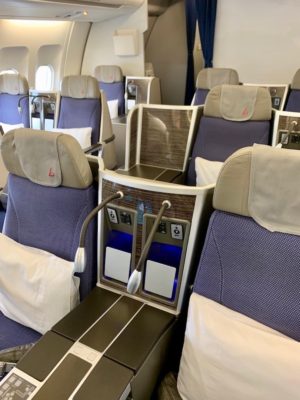
The cabin was fairly modern that alternated between double and single seats along the windows and double seats down the middle of the plane. We received the customary comfort toiletry kit, a bottle of water, and a choice of champagne, orange juice, or water. There were pillows but no blankets on our seats. However, blankets were provided upon request.

Brussels Airline Reviews

Brussels Airlines never has had a great movie selection and I generally end up reading a book or watching TV shows I downloaded onto my iPad. They only have a few recently released movies and not even a good selection of classic movies.

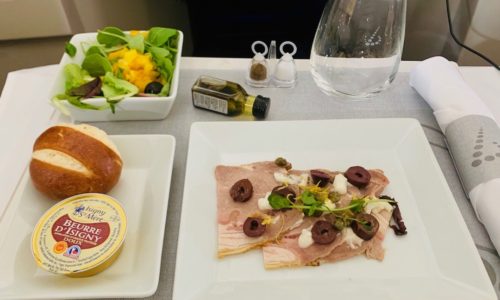
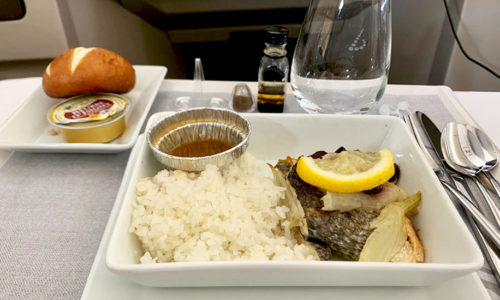
The meal service was pretty good. They served drinks and nuts as a snack before dinner. I think the food was better than economy class, but probably the middle of the pack for business class. I had the veal as an appetizer and it was very good, especially since I had no idea what to expect. The fish was dry but the flavor was decent. As expected, the wine was great!

Brussels Air reviews

The seats were lay flat seats, and fairly comfortable. I would say that the single seats give you more privacy, but when I laid down, I was a tad claustrophobic and it felt like I was in an MRI. However, I got use to it with time and slept well.

Normandy – 10 Things To Know Before You Travel

Normandy - 10 things you need to know

Normandy is a beautiful region in the northwestern part of France. Home to the D-Day invasion during WWII, infamous cheese, delicious apple products, and coastal towns that have drawn artists to the region for decades. The region’s quiet beauty is a nice reprieve from the bustling nature of Paris. It is definitely on of my favorite places to visit. Here are 10 things to know before you travel to Normandy.

D-Day Beaches

I think Normandy is a beautiful region to visit all on its own, but I do not think a trip to Normandy would be complete without visiting the D-Day beaches. On 6 June 1944, Allied troops landed on 5 beaches, which are now known as Utah, Omaha, Gold, Sword, and Juno. It was a spectacular invasion that was instrumental in bringing down the Nazi regime. There is a lot to see and one could spend an entire week or more visiting all of the sites. No need to do it all, as most of the museums walk through the events.

Mont-Saint-Michel

Mont-Saint-Michel is a city built on a hill near the ocean, which almost everyday becomes an island due to tides.  Definitely a gem of Normandy. It is about a 2 hour drive from Paris and Caen. You could also join a tour group to Mont-Saint-Michel, but you will have more flexibility and opportunity to beat the crowds if you drive. Make sure you visit the beautiful gothic Abbey.

More to Normandy than D-Day Beaches and Mont-Saint-Michel

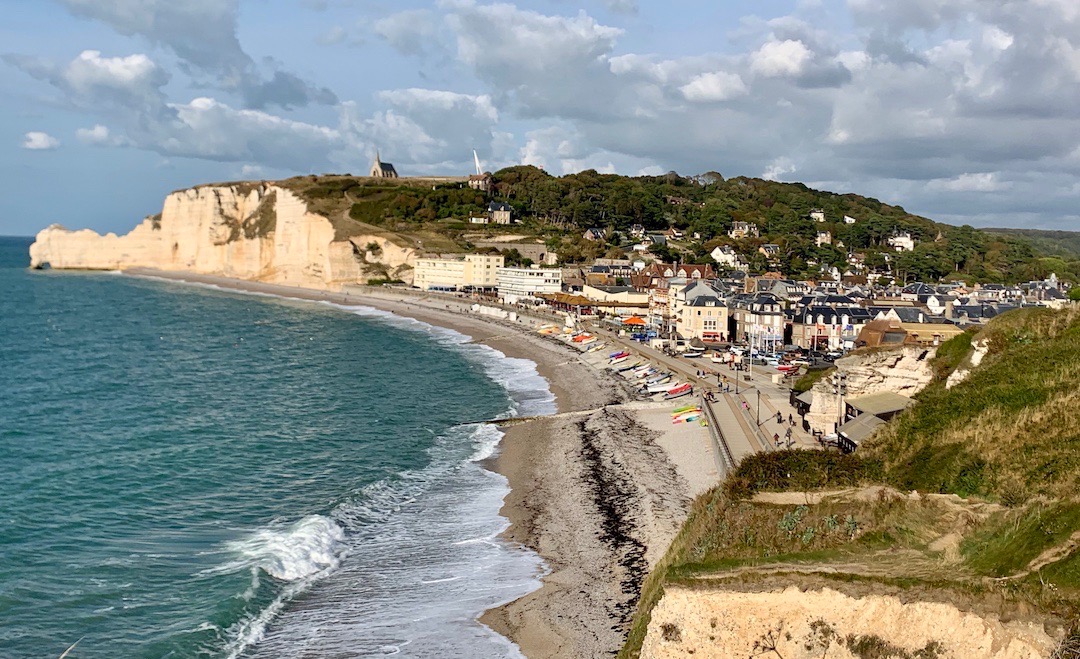
Even though the D-Day beaches and Mont-Saint-Michel are what originally drew me to Normandy, there is so much more. Many people only visit the region as a day trip from Paris, but I think it’s worth staying a week or more in the Normandy region. The beautiful coastline is worth exploring, as well as the many small and cute cities that are sprinkled all over the region. I recommend day trips to Fécamp, Étretat, and Honfleur. If you have even more time, Rouen and Giverny are a must see.

Rent a Car

Unlike Paris or other parts of Franc, getting around Normandy without a car will be very limiting. There is so much to see and so many extremely cute towns to explore. Since driving out of Paris can be a pain, I recommend that you take the train from Paris to Caen. Enterprise, Europcar, and Sixt are all located right outside the train station. There are several other rental car companies near by. Make sure to reserve a car ahead of time, especially if you need an automatic vehicle.

Base in one city

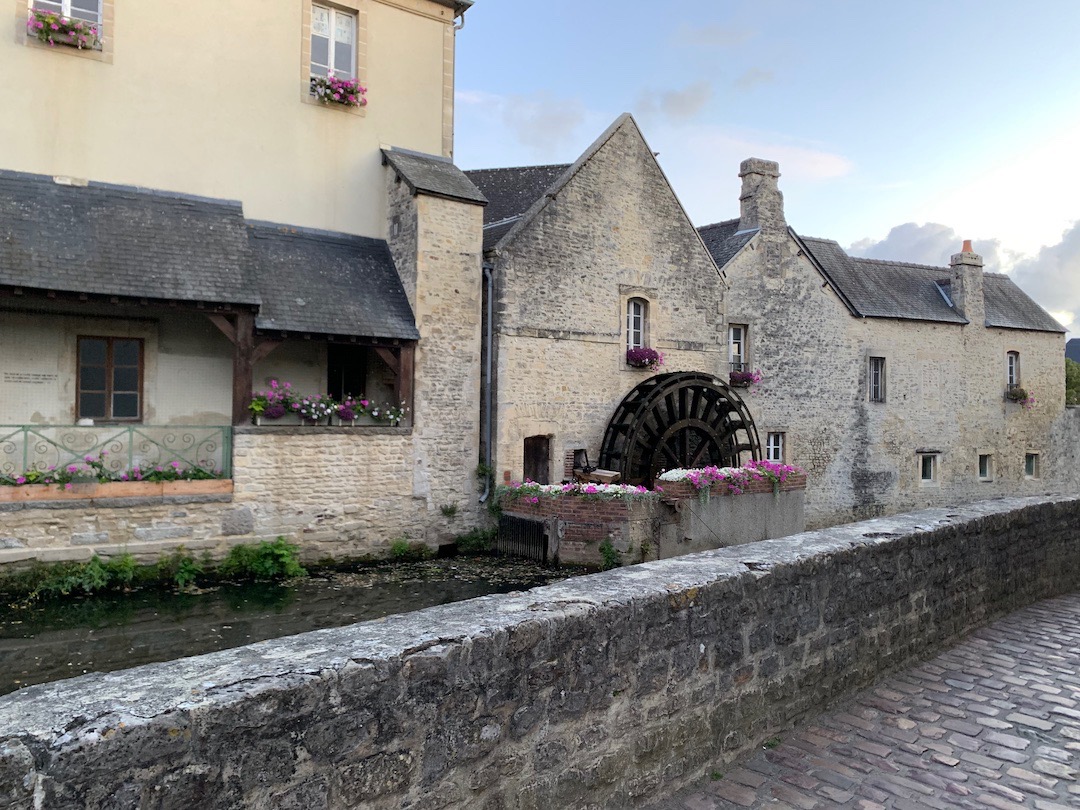
If you plan to spend more than one day in the Normandy region, I think it is best to pick one city to base in and rent a car to explore the area. During my travels, I chose Bayeux. It is a small, cute town that still has a slightly bustling vibe. There are several D-Day memorial sites in the town and it is about 40 min to 2 hours drive from several highlights in Normandy. If you prefer a slightly bigger city, then Caen is also a good choice.

Apples over Grapes

When it comes to France, most people think of the country’s wine and champagne. However, in Normandy, the apple is the king. There are multiple distilleries throughout Normandy where they turn apples into cider, pommeau des normandie (an aperitif), and apple brandy. All three are very different and worth trying. I recommend visiting Calvados Experience, which has the most impressive tour of its facilities and the process, and is about 40 meters west of Caen by car.

Eat butter, cream, and cheese!

Besides its apples, Normandy is known for it’s cows which produce magnificent milk. As a result, Normandy makes delicious dairy products. Camembert, Livarot, Pont l’Evêque, and Neufchatel are the most popular and well-known Normandy cheeses. If you have time, you should do a cheese tour during your trip. I visited Maison du Camembert in Camembert, but E. Graindorge in Livarot is also a very popular tour.

Pack for changing weather

Since many of popular cities and sites are long the coast, the weather can be a tad unpredictable. It can go from sunny and warm to drizzly and cool in a matter of minutes. Dress in layers and keep a travel umbrella or raincoat with you during your travels.

Do you speak English?

If you ask that question in Normandy, the answer is likely to be no or just a little. Unlike Paris, many people in the region do not speak English. It is not uncommon to not have train announcements translated into English. Also, museums in smaller cities may only have signs in French. You can always ask for an audio translation, and some sites will have detailed pamphlets in English. Google translate or a travel size French-English dictionary can also be very handy.

Be prepared to walk

While renting a car is the best way to get around Normandy, once you get to your destination, park your car and walk the city. Many of these towns are better explored on foot. It will give you the opportunity to find surprises and see all of the sites. During my week in Normandy, I walked over 40 miles. Now, that may not work for every traveler, but you should still be prepared to do a decent amount of walking during your trip.

France – 10 Things to Consider Before Traveling

10 things to consider before traveling to France

France is a country has grown on me over time and after several trips. Now, it is one of my favorite places to visit. While Paris generally is the first destination of choice for tourists, it is those places outside of Paris with beautiful landscape, cute shops, small streets, and houses with old world character that have made me fall in love with France. Since it took me some time to feel comfortable in France, here are 10 things to consider before traveling to help you fall in love with the country quicker.

25 Tips For International Travel

Parlez vous anglais?

“Do you speak English? It is definitely a question you will be asked in France. If you are in Paris, the answer is likely to be yes or a little. However, outside of Paris, particularly in the countryside, the answer very well may be no. In some areas, not only do people not speak English, but essential signs may not be translated into English either. Google translate or a English-French phrase book will come handy during your travels.

Get outside of Paris

I know that when most people think about visiting France, Paris is their destination of choice. I understand why. Similar to New York City, it is a happening place that is full of culture, cuisine, and nightlife. However, I highly encourage you to get outside of Paris and see the other parts of France. I love the French Riviera and Normandy region. There is so much beauty in the country.  Even a train ride from Paris to the Champagne region will give you a different perspective of this beautiful country.

Normandy: 10 Things To Know Before You Travel

Sunday is a day of rest

In France, as with may European cities, many shops, restaurants, and museums will close early or be closed all together on Sundays. It is something you should consider when planning your trip. You probably do want to waste an entire day not being able to do anything because the entire country is shut down. Separately, be mindful that many museums and fine dining restaurants are also closed on Monday.

Siesta time…

Okay, it is not called a siesta in France, but many shops and restaurants close down between 2-2:30pm and 6-7pm everyday. If you are like me and regularly skip lunch because you get caught up in sightseeing, it may be hard to fill your belly if you wait past 2pm. If that is the case, then pack snacks or buy a sandwich earlier in the day and save it for this time of the day. 

Wow, it’s hot in here!

For some reason the regions outside of southern France, pretends like the hot summer weather does not exist in the rest of the country. Most hotels will have air conditioner, but do not be surprised if your Airbnb does not. Also, many shops and restaurant will not have air conditioning either. This is one of the most frustrating things about France for me. I know this may sound very American, but when it is 90 degrees, all I want is to eat a lovely meal without dying from the heat. It is probably one reason why the outside cafe is so popular in France. It generally feels nicer to sit outside.

Eating out, don’t be in a rush

The French love their food. Even more, they love taking their time enjoying their meals. If you plan to plant your bottom in a seat at a restaurant and enjoy any sort of beverage or meal, you should have patience. It can certainly take two hours to have a simple meal and several attempts to flag down your server to order of pay. Please do not think that it is because the French do not want to give good customer service. It is just that their priorities are different. First, the French generally do not live off of tips, so they are not looking to turn over tables quickly. Also, as I mentioned, they expect you to take a lot of time to enjoy your food and company.

Why is my meat so bloody?

We all have our preferences when it comes to the temperature of our red meat, and we expect the chef to prepare it correctly. However, the French have a different interpretation than Americans and it is possible you will not be satisfied with the bloodiness you are likely to encounter. There are generally 4-5 terms to describe meat temperatures in French: Blue (rare), Saignant (medium rare), à point (medium), cuit (medium well), and bien cuit (well done). No matter which one you order, they will all be slightly more undercooked than what you would normally expect in the US.

Coffee

Coffee in France is expensive and not always great. Granted, I generally think I have had decent cappuccinos and café au laits in Paris, but I only drank maybe one or two decent coffees my entire time during my recent trip to the Normandy region. It is generally watery and does not taste quite like coffee. For 3.5-4 Euros, you can get a tiny cup of cappuccino that really is only half full. Maybe they make poor coffee to draw you to France’s other great beverages, such as wine, champagne and calvados!

Fun facts about France

Dogs are welcome

Many restaurants in France allow dogs to dine with their owners. Generally there are no objections to dogs being with their owners outside, but you will often times see them indoors as well.

Watch your Step

Speaking of our furry best friends, I do not think it is mandatory to pick up dog poop off the sidewalks or the grass. In what I consider to be an extremely walkable country, it truly surprised me to see so much dog poop everywhere. Literally dogs go in the middle of a sidewalk, and the owners leave it there. Watch your step!


10 Travel Tips for Brussels, Belgium

10 Tips for Travel in Brusseles

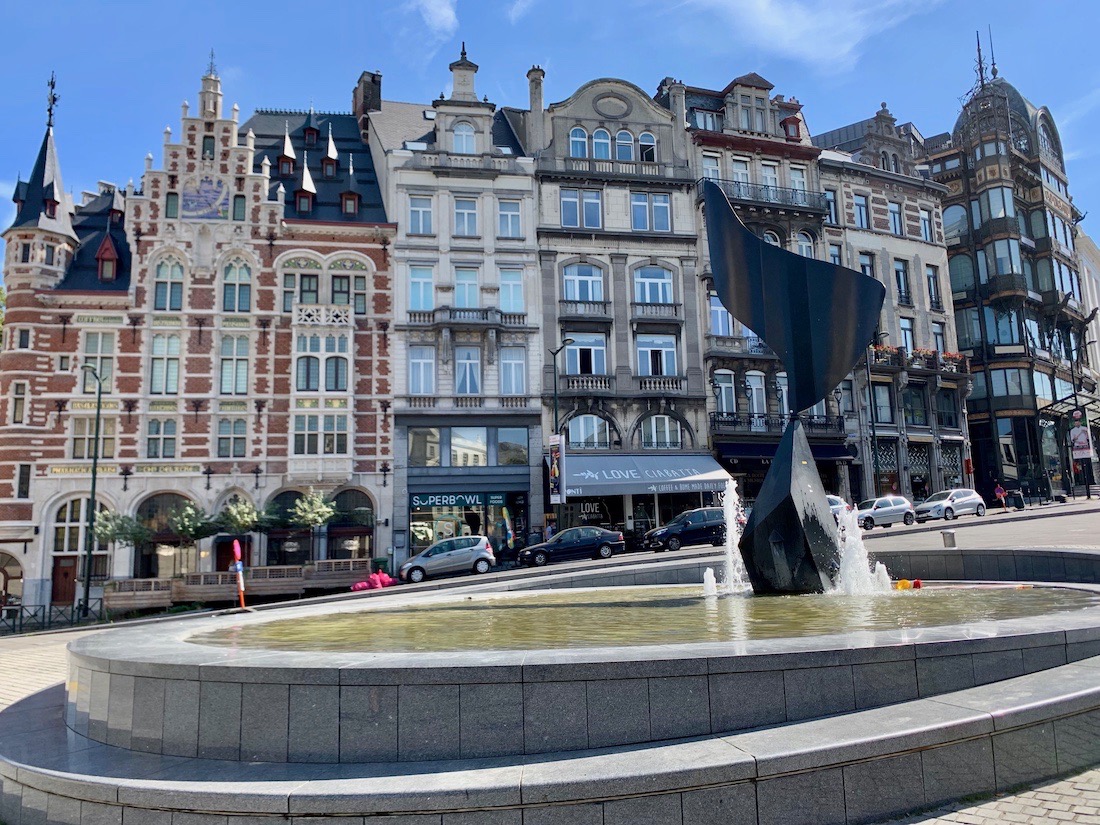
Brussels, Belgium, is a very cute European city that is known for diplomacy, good food and a large variety of Belgium beer. There are so many interesting things you can do in a short amount of time. Before you plan your trip, take a look at my 10 travel tips for Brussels.

Vibrant City Center

There are many interesting neighborhoods in Brussels, but if you only have a short time to see the city, my travel tip is that you should focus on the city center. There are lots of restaurants and souvenir shops for you to indulge in. As a matter of fact, all of Belgium’s treats, including chocolate, Belgium style French fries, Belgian waffles, and beer are within walking distance of each other.

Get outside of Brussels

Brussels is one of the most lovely cities I have ever traveled to. However, if you have several days to spend in Belgium, you should definitely get outside of the city. I loved Bruges and Antwerp, but you should also consider traveling to Dinant and Ghent.

Enjoy Belgium’s treats

My favorite thing about Belgium is the food. The Belgian waffles and twice-fried frites (French fries) are must haves. For beer lovers, Belgium brews over 800 varieties of beer. As a chocolate lover, I must mention Belgian chocolate. It is a kind of unforgettable, melt in your mouth experience you should not pass up!

Visit the Museums

If you are into museums, do not overlook this travel tip. Belgium has some fantastic museums, and you should build in lots of time to visit them.  One of my favorites is the Magritte Museum. It has the largest collections of works by the Brussels surrealist René Magritte.

Getting Around

I never thought I would have to offer this travel tip for Brussels since Belgium is an international country. But, you should know that it may be hard for you to get around if you do not have some French. I have done a lot of travel around Europe, and I think Belgium is one of the easiest places to get around. But that is in part because know some French. I rarely saw signs in English, and it took me a little longer to figure out where I was supposed to be. As in most European big cities, Brussels is completely walkable and public transportation is widely available.

Sundays are slow

A big travel tip for Brussels is that the city is sleepy on Sundays. As in most European countries, many things are closed on Sundays. Tourist shops and museums are generally open.

See Europe from Belgium

Belgium is a great central location to take day trips to several other European countries. In about 2 hours or less, you can take the train from Brussels to Amsterdam, Paris, Cologne, or Luxemburg City.

Languages

The official languages of Belgium are Dutch, French, and German. Some people also speak Flemish, which is rooted in Dutch. While most people speak some English, do not assume that everyone will be able to understand you. Learning a few words in French will go a long way.

SIM card, please…

Getting a SIM card for my cell phone was harder to find than expected. I was only able to find cards to recharge cell phone minutes at the airport and most convenient stores. It did not help that I arrived on a Sunday and for only one day. Since many shops are closed on Sundays, I was never able to purchase a SIM card.

Where is the Air Conditioner?

Imagine walking into an ice cream or coffee shop in the middle of august. All you want is some relief from the hot sun, but it is hotter and stuffier inside the shop than outside. Where is the air conditioner??? Well, during my latest trip to Brussels, it was in the upper 80s with no chance of rain. It was super hot and I found myself going from chocolate shop to chocolate shop to find some cool air…okay, and to buy more chocolate. If you are traveling to Brussels during the summer, be prepared for hot temperatures with little relief.

Reviews: EgyptAir Coach and Business Class

Brussels and Egypt Air reviews

The reviews on EgyptAir coach and business class are mixed at best, but are generally horrible. I have flown one round trip domestic flight and one short leg in business class on EgyptAir, which I think was enough for me to get a feel for the airline. All of my flights on this airline originated in Cairo. The Cairo Airport can be a little crowded and nuts. Please note that you must show your travel itinerary to security before they will allow you to enter the airport. 

My first flight on EgyptAir was to Luxor, Egypt. Checking in was pretty easy and what you would expect out of any airline. Before you can enter into the gate area, security will scan your luggage. You must go through security again at the gate. I experienced this on both domestic and international flights, so you should give yourself plenty of time to make your flight.

For smaller, domestic flights, it is not clear if anyone is actually manning most of the gates and it is possible no one will announce when the flight is boarding.  I only knew that my flight was boarding because people started standing up. I still do not know how they all figured it out. In the same spirit, it is also difficult to know if, when and for how long your flight will be delayed. On my return flight from Luxor to Cairo, we waited and waited. We watched the clock tick by as our boarding and departure times came and went. We did not get a single update from the staff or on the departure board.

Flying Coach

The aircrafts are between old, and very old and falling apart. The coach flights were short and sweet. We were served drinks and a pack of cookies, which is pretty standard for most domestic flights. The stewardesses are not known for their hospitality, but they were very nice on both legs of my trip.

Flying Business

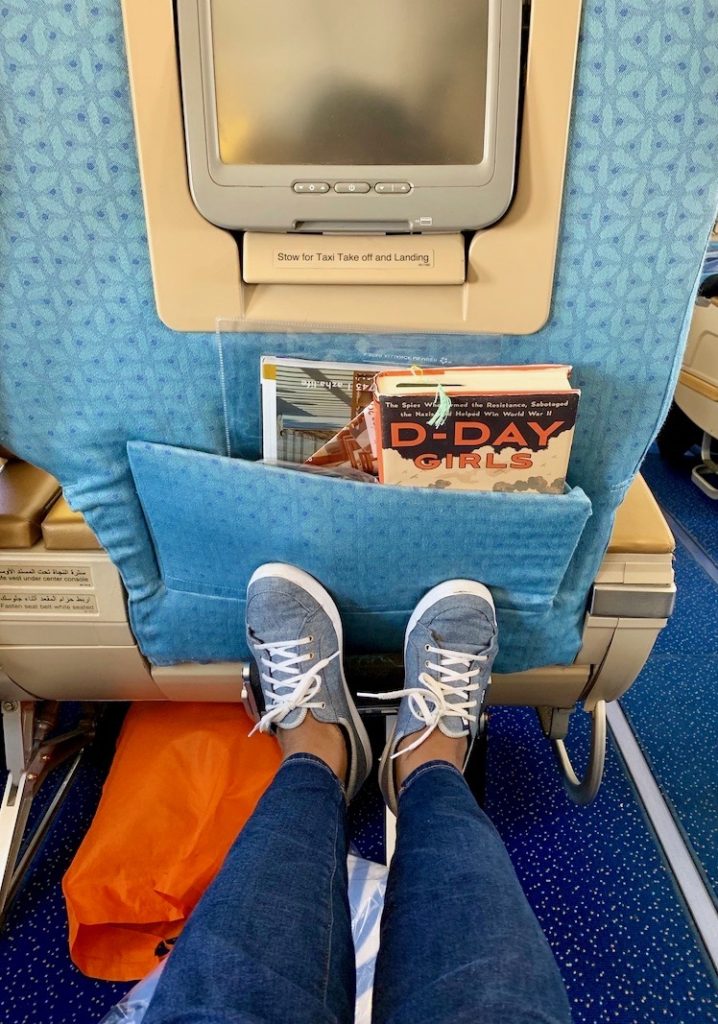
I flew EgyptAir business class to Istanbul Turkey. The trip was less than three hours and the seats were what you would expect for a short haul flight. It was an old plane and the TV monitors were falling apart. However there was plenty of leg room. I am short, but it was till nice to be able to fully extend my legs. The seats laid back about half way. We received a pillow and blanket, but not travel kits.

EgyptAir coach and business class
Business Class from Egypt to Istanbul, Turkey

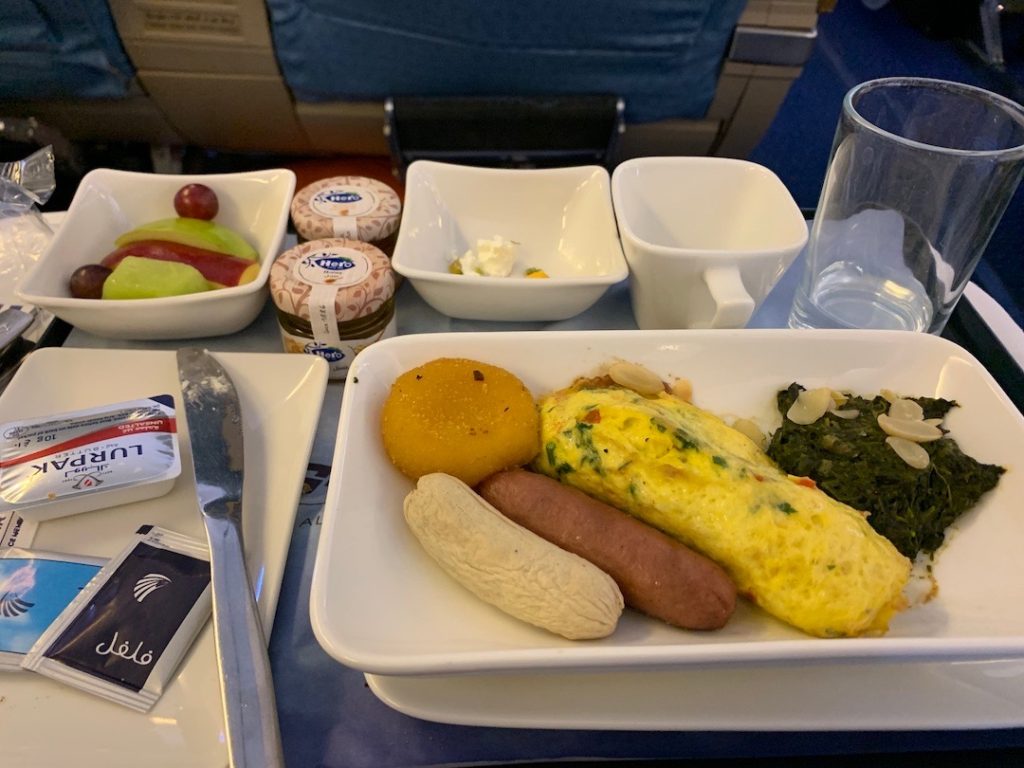
To be honest, the food was pretty horrible. The business class food looked and tasted like United Airlines’ economy class food on international flights, which I never eat because it is so bad. They serve it on real plates, but that’s the only thing good about it. Even worse, EgyptAir is a dry airline. They do not serve alcohol, but they will allow you to bring your own onto the plane. They will give you a glass and ice if you ask.

EgyptAir coach and business class

EgyptAir is known to cancel domestic and international flights with regularity and without notice. I only flew this airline because I had no other choice. If you must fly this airline, I recommend that you have a back up plan just in case you get stuck.

25 Tips For International Travel

25 Tips for international travel

Traveling overseas for the first time or if you are not a regular traveler can be daunting. I get it. For full disclosure, my first international trip to Scotland was completely planned by my college. I am sure it would have been a stressful trip if someone had not done everything for me. Now that I have traveled to more than 40 countries, I have 25 tips for international travel.

Should I use a travel agent?

Deciding whether or not you want to use a travel agent will likely depend on what kind of trip you want to take. Early in my travels, I used a travel agent. However, as I gained more experience, I realized that I was doing all of the research for my agent. Over time, it became easier to book all of my activities myself. I only use a travel agent if I have a complicated, multi-leg flight to book, since they have easier access to flights.

Join a tour group for places that are difficult to navigate, such as China. I also recommend that you use tour companies for day trips to get the most out of your trip. Companies usually provide transportation, history, information, and lunch. I use tour companies for everything; wine tasting, walking and bike tours, and food experiences.

There are plenty of times when you will want to and should go it alone. For all other times, Viator.com or Get Your Guide are great places to start.

Best time of year to travel

I know that most people can travel only certain times of the year, which can be dictated by work and kids’ school schedules. However, if you have the freedom to chose when you travel, it could make a big difference in how much money you spend, whether or not you will have good weather, and if will you have to navigate large crowds. I always do research on when it is the best time of year to visit any country before I start making plans.

Buying plane tickets

When to purchase plane tickets

Timing the purchase of your plane ticket is important. The closer you get to your departure date, the more expensive the plane ticket will be. Buying too early could also cost you extra money. Generally, the best time to book your international plane ticket is between 3-4 months before your departure date.

How to purchase plane tickets

Just as you would for a domestic trip, I recommend that you use Orbitz.com, Priceline.com, or Cheapair.com for your search to compare prices, unless you are 100 percent loyal to a particular airline or plan to use miles. If you are particular about where you sit on the plane, check out Skytrack to help you chose your seats.

Needed Documents and Fees

Passports

Passports are required for all international travel. For those of you who already have a passport, remember that it must be valid for at least six months after the date you plan to travel. Passports can take 4-8 weeks for processing, so give yourself enough time. Once you receive your passport in the mail, make sure to sign the front page, make a copy of your bio page and store it in your luggage in case your original is lost or stolen. Check out Travel.state.gov to get additional information on the process.

Visas

Some countries require US citizens to obtain a visa for tourist travel. You will definitely need a visa for travel to most of Asia, Africa, and the Middle East. The visa process is different for each country, so as soon as you know you plan to travel, check out travisa.com to find out if you need a visa and the requirements for the application.

Itinerary and vouchers

Keep a hard copy of all of your flight itineraries and hotel reservations. Some airports, particularly in Africa, require you to show a copy of your flight itinerary before they will allow you to enter the airport. You should keep a copy of all hotel and Airbnb reservations just in case you have to prove that you booked a room.

I also recommend that you print all your vouchers for your tours. Most companies allow you to show the voucher on your phone, but keep a hard copy as a backup.

Country entry and exit fees

Some countries require an entry or exit fee at the airport. Most of the time, this fee is built into the plane ticket but occasionally, you will have to pay the fee in person. For more information about the specific country you plan to travel to, check out Americans Traveling Abroad on the US State Department webpage.

Money

Cash

You should always have some cash on you when you travel. Day to day life in most countries is cash based and you will not be able to use credit cards in some taxies or shops. I never use currency exchange booths unless they are the only option, which is extremely rare, and I always get money in country instead of exchanging money in the US. You will get the best exchange rate by withdrawing money from ATMs.

I always stop at the ATM at the airport when I land. Be aware, that most US banks charge a fee for the withdrawal and another fee for exchanging it to a foreign currency. For this reason, do not make too many trips to the ATM. Try not to use debit cards for day to day activities to protect yourself against fraud and unwanted fees. You should use reputable ATMs in well lit areas or inside banks.

Tip: If you have too much cash left at the end of your trip, you can ask the hotel to apply it to your bill and then pay the balance with your credit card.

Credit Cards

Most American credit cards work throughout the world. Visa and MasterCard are widely accepted in hotels, restaurants, and some shops. Contrary to what many people say about the threat of fraud if you use your credit card, I use my credit card over cash every chance I get. I earn points that I can use for future travel. It also allows me to save my cash for those times that I actually need it. Also, most credit card companies offer some sort of protection for some of your travel, to include lost or stolen luggage.

Tip: Write down the phone numbers of your credit card companies just in case your cards are lost or stolen and you need to call them to cancel your card.

Call your bank and credit card companies

Call your bank and credit card companies to alert them of your travel. That way they do not put a hold on your card for what they will perceive to be suspicious activity.

Know the money exchange rate

Find out of the money exchange rate before you travel. An exchange rate is simply how much money or currency can you buy with the US dollar, which differs per country. Knowing the exchange rate tells you if the dollar is worth more or less than a dollar in that particular country, which will help you budget for your trip.

Health and Safety

Vaccines and medicine

It should not be a major concern for you, but I still recommend that you find out which vaccines are recommended for the country you are traveling to. Some vaccines are administered over a series of weeks or months, so plan accordingly. Also, you should fill all needed prescriptions before you travel as it will be difficult to get medicine overseas. Always carry your medicine with you and never pack it in your cheeped luggage.

Travel warnings

The world is an ever changing place. so you should check out the State Department’s travel advisories before you book your travel.

Travel insurance

International trips are expensive, so you may want to consider purchasing travel insurance in case you have to cancel your tip last minute due to unforeseen circumstances. Also, most health care insurance will not cover you during your overseas trip. Medical evacuation or emergency medical insurances may be worth purchasing before you trip.

Getting around

Renting a car

Renting a car overseas can give you a lot of freedom to see any country at your own speed. Some countries require you to have an International Driver’s Permit (IDP), which you can obtained from AAA. Check with your car insurance company to see if your insurance covers overseas car rentals. If not, then you will have to take the car company’s insurance.

What to pack

Luggage weight

Before you try to stuff your entire house into your suitcase, check out the airline’s luggage guidance on weight and size restrictions to avoid extra fees for checked and carry on luggage

Carry on luggage

Always carry your valuables in your carry on luggage. Your checked luggage may get delayed, lost or stolen. For that reason, I always keep jewelry, electronics, and medicine in my carry on. Also, pack an extra set of clothing in your carry on. My bags have been delayed a few times. That extra set of clothing in my carry on paid off until I received my luggage.

Electronics

Pack a charger adapter  and converter

Most countries will have a different plug size  than in the US, so you will need an adapter for your electronics to work. You are also likely to travel to a country with different voltage (American appliances run on 110 volts, while European appliances are 220 volts). Most new major electronics, such as cell phones, laptops, iPads, and cameras, will be dual voltage. However appliances like curling irons and blow dryers usually are not. You can purchase a converter, but I recommend that you just buy those types of electronics in the voltage of the country you plan to travel to because you will get much better output quality.

Phones

If you have an unlocked phone, I recommend changing out your SIM card at the airport when you land. If you have subscribed to a certain network, it will be expensive to use your phone overseas. Make sure to activate your global capabilities on your phone to help lower the cost.

Another way to get around high phone charges, is to rent a pocket WiFi device for your trip or you can purchase a WiFi hotspot. Personally, I prefer to just change out my SIM card. I’ve paid as little as $10 and as much as $35 for a SIM card with several GB of data and the ability to make phone calls. Even after 2 weeks of travel, I have never run out of data.

Travel apps

Travel apps can can help you navigate your trip. A few of my favorites are: Citymapper is my go to travel app to help me get around a city where I do a lot of walking or take a lot of public transportation. Google Maps of course is best when you are driving. Uber works all over the world and can be a more cost effective than taking a taxi.

Before you travel tips

Make a packing list

Simple things like deodorant and toothpaste can be more expensive abroad. Making a checklist will help you remember to pack the essentials.

Purchase things before traveling

Buy as much as you can in advance. Unless you must travel by the seat of your pants, it is better to book and pay for as much as possible before you board the plane. That includes my lodging and tours.  It saves you money and guarantees you will not be prevented from doing the things you want during your trip.

Stop your mail

If you tend to get a lot of mail, then go to your local post office and put it on hold during your trip. There is a big yellow form that you can fill out stating how long you want your mail held. You can drop completed forms in your mailbox.

Returning to the US

Know customs restrictions

There are several items travelers are not allowed to bring back into the US. Check out the US Customs and Border Protection website for a list of prohibited and restricted items.

Egypt Travel Guide: Is Travel to Egypt Safe?

Egypt Travel Guide: Is travel safe in Egypt

Egypt is a desirable place to visit. There is a lot of history and beauty one can experience there. However, many people ask is travel to Egypt safe? Before you book plane tickets and tours, you should be aware of the current political and security environment.

Recent History

Cairo has experienced a lot of change. Long-time leader Hosin Mubarak was removed from power during the Arab Spring uprising in 2011. Recently, retired Field Marshal Abdel Fattah al-Sisi was elected president in May 2014. That was almost a year after he removed Muslim Brotherhood’s Mohammed Morsi from office. Since then, crowds and protests can form quickly. Do not stick around if that happens. If you are traveling with a group,  you should have a plan for if you get separated.

Current travel risks, warning

During my recent trip to Egypt, British Airways and Lufthansa canceled all flights to and from Cairo because of a security threat. The US Department of State in July 2019 released a travel warning. It advised travelers to exercise increased caution in Egypt due to terrorism. The Sinai Peninsula (with exception to travel to Sharm El Sheikh by air) and the Western desert are off limits due to terrorism. The Egyptian boarder is also off limits to travelers because it is a military zone.

General Safety

As with travel to any country, there is the potential for petty theft. However, street crime is not that common in Egypt. You should be smart and not take expensive jewelry or belongings. Make sure you carry small amounts of money and bills. I do not recommend taking any form of public transportation in Cairo as they are at risk of terrorist activity and crime. You should also keep a form of identification on you at all times. If you prefer not to carry your passport, make a copy of it and keep that with you.

Traveling as a woman in Egypt

You will almost certainly experience unwanted attention or be harassed by men during your trip. It may just be cat calling, whistling, or horn honking. However, it is also possible that someone one will try to grope you. However, it is rare for men to commit violent crime against women. Remember Egypt is a Muslim country. Dress conservatively. Do not wear shorts or short dresses. Cover your arms. T-Shirts are okay, but the longer the sleeve the better. Women do not have to cover their heads.