10 Things You Must Do in Morocco
Bucket List Travel, Food and Adventure

Kenya as a whole is one of the most beautiful countries I have visited. Its capital city Nairobi is definitely one of my favorite cities on the planet. It was the first Sub-Saharan African country that I visited. During this time, I discovered that it is such an interesting and cosmopolitan city. I had already been to North Africa or other Arab countries, however, those parts of Africa are quite different than Sub-Saharan Africa. Culturally, they seem more like the Middle East. So, I did not know what to expect to see or experience when I landed in Nairobi. There is so much to experience there, so it is hard to imagine spending just one day in Nairobi.
As a hub for East Africa, it is a very busy city with lots of character and charm. I have spent A LOT of time in Nairobi. Despite that, I still feel like there is so much I have not seen or experienced. It is the only place in the world where you can shop, eat, and experience a happening night life in the vicinity of a national park where wild animals roam freely and have occasionally made their way out to the city streets.
I know that many people traveling to Kenya only stop in Nairobi before transiting to the Mara or other safari locations. To truly get a feel for Nairobi, I recommend dedicating at least 3-4 days of your trip just to Nairobi. However, if you only have one day, I still think it is worth your time.
To make things easy no matter how much time you have, you can book a tour that will hit most of the city’s highlights through Viator.com. If you want a little more freedom, you can easily navigate the city by hiring a taxi driver for the day for approximately the same cost as a tour.
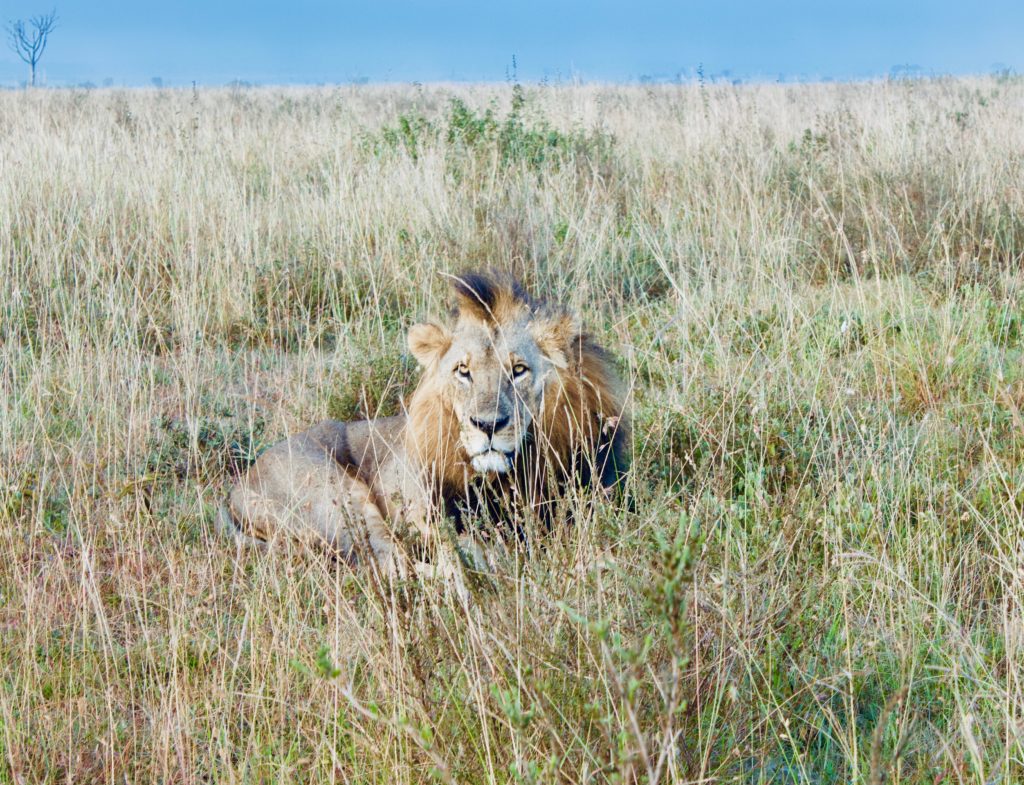
The Nairobi National Park is a safari park located in Nairobi’s city center. Because of its accessibility, the the National Park is one of the most visited safari parks in the country. It is something you should not miss if you have several hours to spend in Nairobi. It is an especially great alternative, if going to a safari park outside of Nairobi is not an option. The park is the only one in the world where animals roam freely in a loosely enclosed space in the middle of a major city. There you can view zebras, lions, buffalo, rhinoceros and skyscrapers at the same time. There are over 400 species of some of the most colorful birds in the world the park. The only significant animal missing is the elephant because it needs a lot more space to roam than what the park offers.
As with any safari, you should visit early in the morning or later in the day when the animals are most active. Arriving early also gives you enough time to hit the other tourist highlights in Nairobi in the same day.
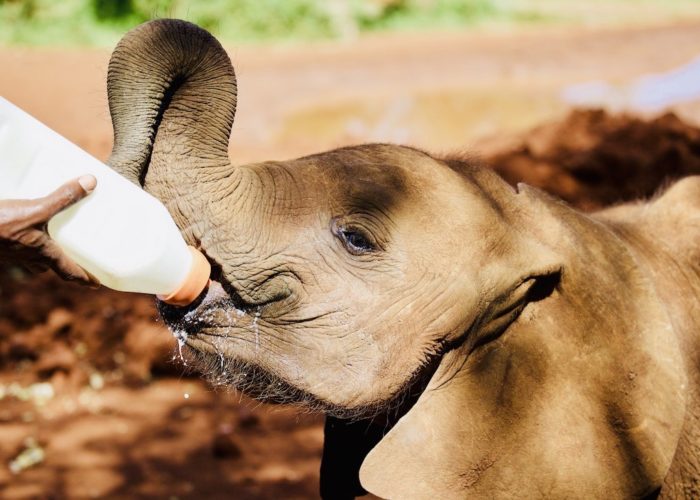
During my first trip to Kenya, I fell in love with elephants and it would have been hard not to after visiting the Sheldrick Elephant and Rhino Orphanage in Nairobi.
All of the elephants are orphans, usually due to poaching. Sometimes momma elephants die of natural causes, reject their young or from time to time the baby elephant may be too weak to keep up with the herd.
Elephants are full of personality, which will be evident during your visit. What I love is that each elephant is assigned a keeper. They feed them every few hours and sleep with them through the night. They essentially be come their new moms.
For 500 shillings (approx $5), you can visit the orphanage during a public feeding of some 20 elephants aged from a couple of months to three years old. In about 30-40 minutes time, you will hear stories about each elephant, watch them drink milk from huge bottles, and enjoy their play time. I recommend that you arrive at least 30 minutes early to queue up. Crowds are generally large and you will want to be up front to have the best view of the elephants.
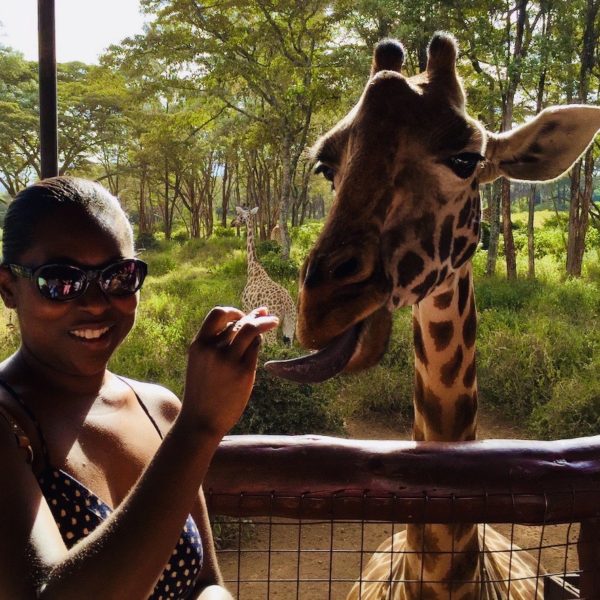
How many times can you say that you had the opportunity to get up and close with a Giraffe? Giraffes make my favorite animal list. Their tall, lanky legs give a kick powerful enough to kill a lion and their beautiful eyelashes seduce you. They are just magnificent creatures.
Sadly, the number of Giraffes left on earth has fallen by at least 40 percent in the past 15 years. For some species, it has fallen by almost 80 percent. The Giraffe Center in Nairobi helps breed giraffes in their natural habitat to boost the population. Calves are released into the wild at two to three-years-old when they are independent enough to survive on their own. So far, the center has released 40 giraffes into game parks around the country.
For 1000 shillings (approx $10), visitors can learn about giraffes in Africa and discovering how the center cares for them. One of the highlights of your visit will be be feeding the Giraffes from a a tall platform. Giraffes are very sociable and will eat right from your hand. Some people are courageous enough to put the treats in their mouths to receive a very wet kiss from the giraffes.
Nairobi has a vibrant shopping scene, where you can get anything from traditional African products and souvenirs to handmade customized furniture. Some of my favorite products are handmade clothing, jewelry and leather handbags. Whenever I travel to a new country, I try to buy earrings made in that country. So, I bought a lot of earrings ranging from very inexpensive to very expensive jewels during my time there.
One of my favorite places to buy jewelry is at the Kazuri Bead Factory. Located in Karen, Nairobi, single mothers make ceramic beads and pottery by hand, which are sold all over Nairobi. If you visit the factory, you can choose from a large variety of earrings, necklaces, and bracelets as well as some pottery. You will also get to meet the women who complete the long, multi-step process to produce beautiful and unique pieces of jewelry.
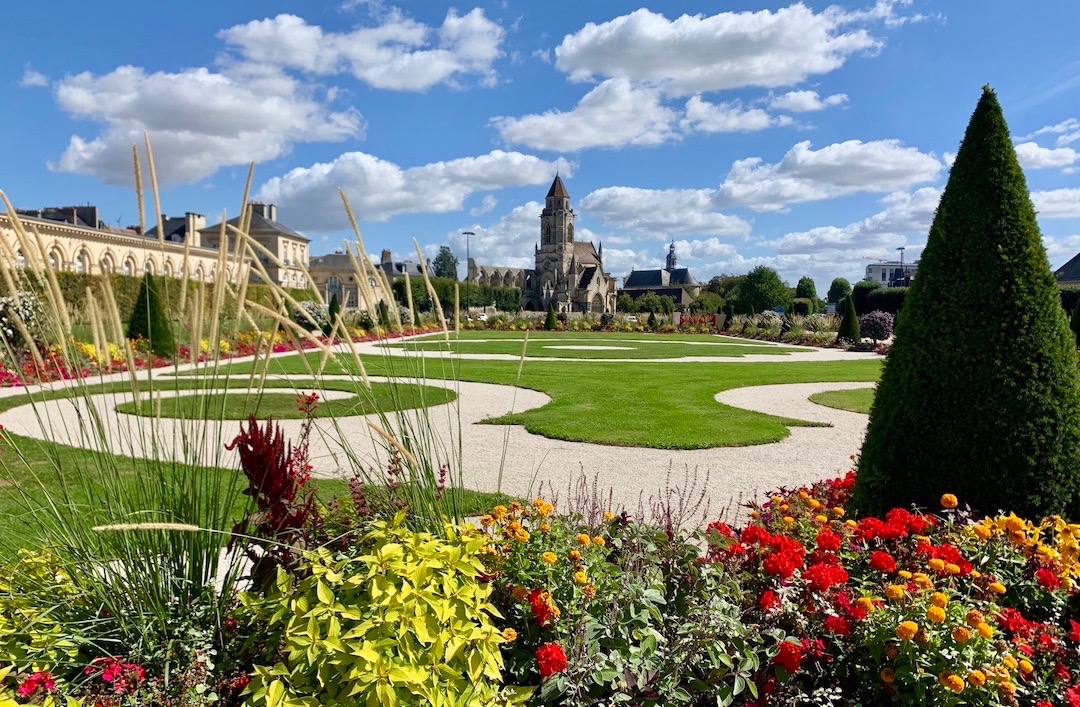
I am really into World War II history, so my bucket list would not be complete without having Normandy on the list. I knew I would love spending time in Normandy. However, I did not realize how much I would hate leaving the region after spending only a week there. Most people think of Paris or southern France when they consider vacationing in the country. Even when people traveling to Normandy, they usually only take day trips from Paris. My trip to Normandy is now at the top of my list for favorite vacations, so I think it is definitely worth dedicating more time than a day trip to the region. Here is my itinerary for 7 days in Normandy.
Caen was my first stop because it is the closest town to Bayeux, which was my base location for lodging during my trip. There is a lot to do in Caen. However, since I had only one day to explore, I focused most of my time on a few places, to include the Mémorial de Caen (approx. 20€), L’ Abbaye-Aux-Hommes, and Caen Castle. It is worth spending 2-3 days in Caen if you have extra time. Since the D-Day sites are what brought me to Normandy in the first place, my main priority was to spend as much time as I wanted in the Mémorial de Caen, which is a museum and war memorial commemorating World War II and the Allies battle for Caen.
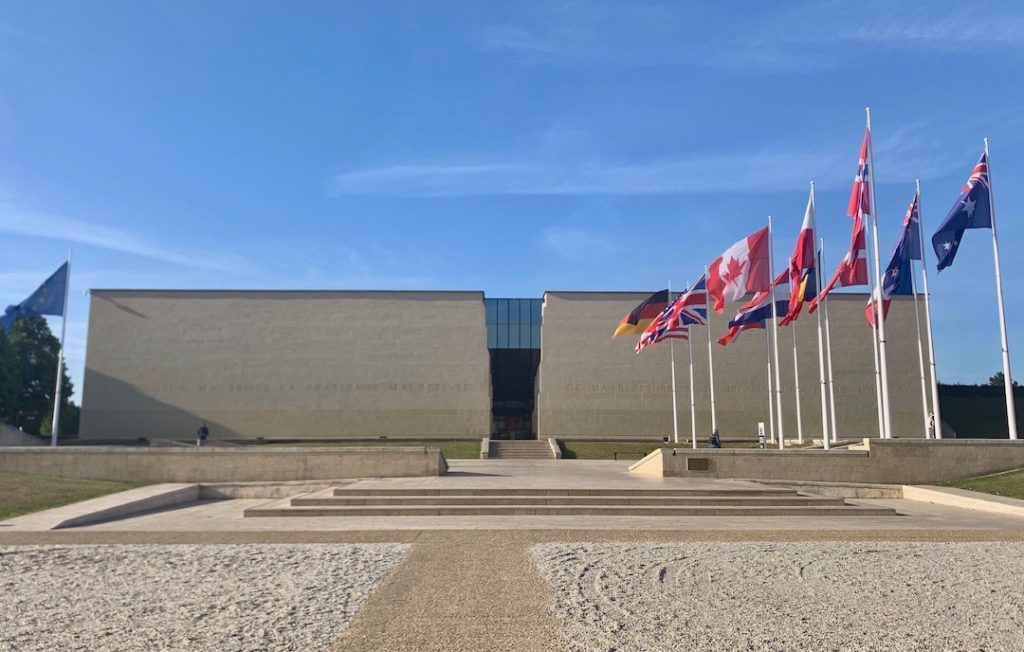
After about 3 hours in the museum, I caught a bus from right in front of the museum and made my way to the city center. I got off at Caen Castle, which is one of the largest medieval enclosures in Europe and home to the must-see Normandy Museum and Le Musée des Beaux-Arts.
Then I strolled along the Rue Saint-Pierre until I arrived at L’ Abbaye-aux-Hommes, which was consecrated in 1077. Many of the items in the church date back to the XI and XIII centuries. Frankly, I like the outside of the church more than the inside, but it is still worth a visit.
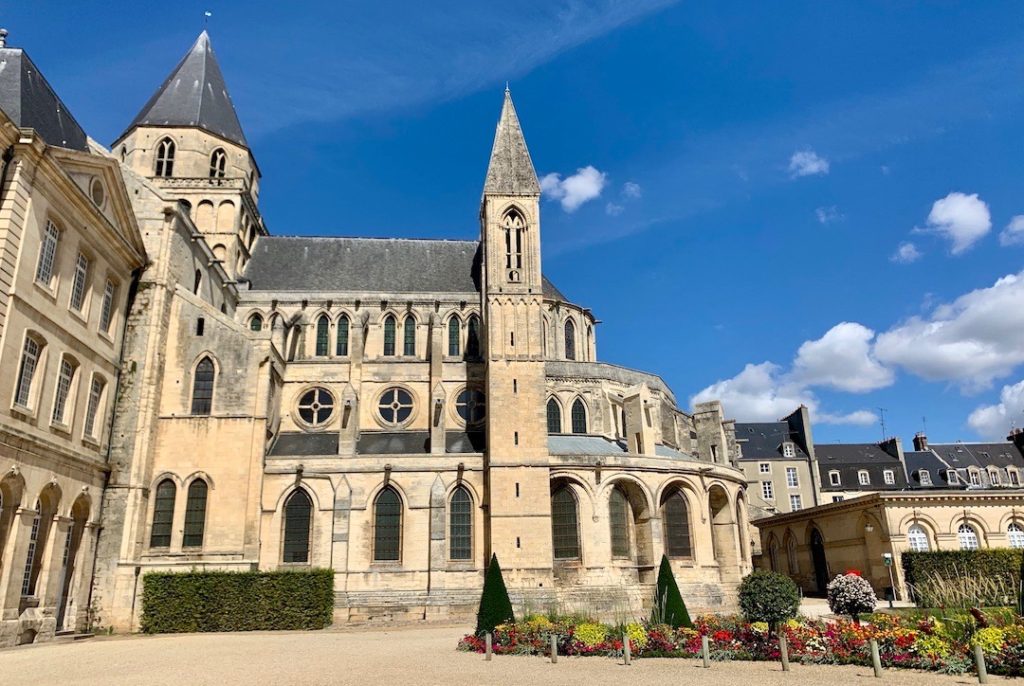
Abbaye-aux-Hommes
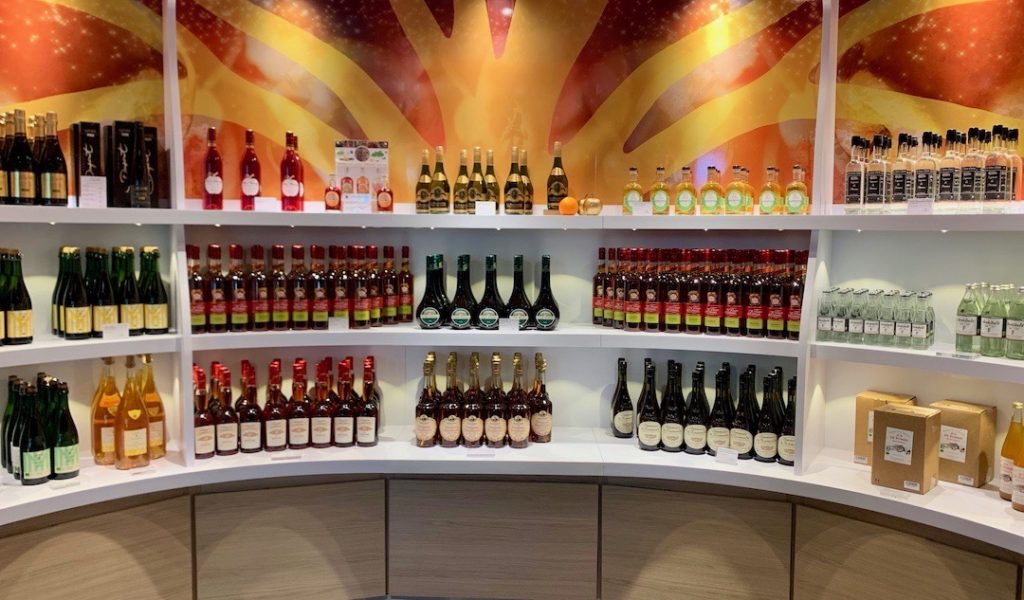
While wine is one of the most popular beverages in most of France, the apple is king in Normandy. Apples are made into cider, an aperitif called pommeau, and apple brandy. You can take a tour to learn about how these delicious products are made and enjoy a tasting at the Calvados Experience.
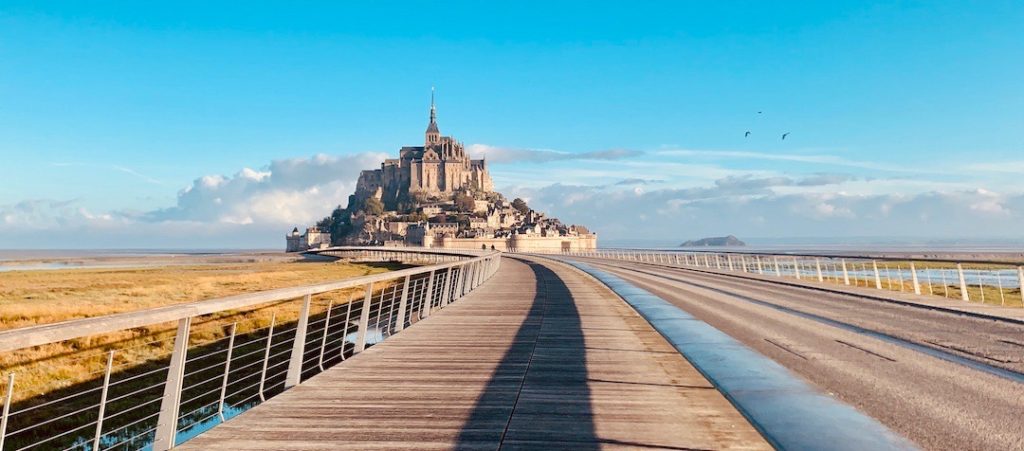
Mont-Saint-Michel is a magical place. From far away it looks like something you would see in a Disney movie. Depending on the time of day and tide, it becomes an island. Definitely a gem of Normandy. It is about a 2 hour drive from Paris and Caen. You could also join a tour group from Paris to Mont-Saint-Michel, but you will have more flexibility and the opportunity to beat the tour buses and crowds if you drive. Make sure you visit the beautiful gothic Abbey. I find the food on the island to be a tad expensive, but people say you must stop by La Mère Poulard for their infamous omelet. It will cost you more than $40. Make reservations if you want to indulge yourself.
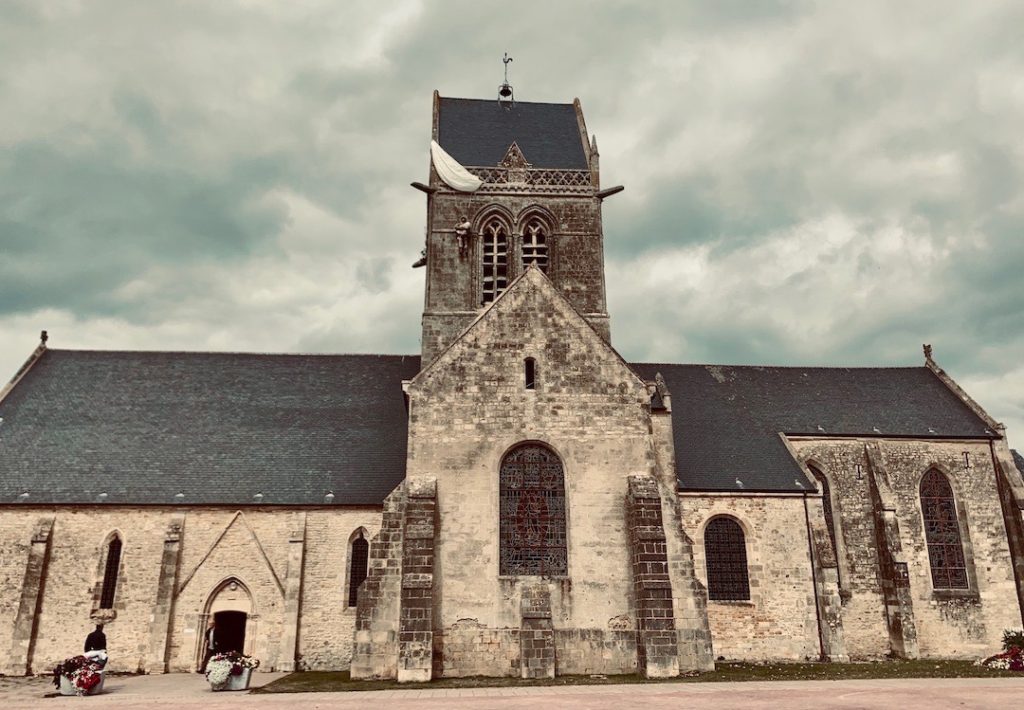
I started my tour of D-Day beach sites by visiting Sainte-Mère-Église. It is a commune in Normandy that was the first Frenchtown of Cotentin that American paratroopers liberated on D-Day. If you look up at the church, there is a dummy paratrooper hanging from the church steeple in remembrance of John Steele. He spent two and a half hours hanging from the steeple while playing dead to keep German soldiers from capturing him.
Directly across from the church is the Musée Airborne. It does a great job paying homage to the paratroopers who risked their lives in the early morning hours of D-Day. Before you leave this cute town, take some time to grab a cup of coffee, crepe or a light snack and walk around to the shops.
Utah Beach was the first D-Day beach that I visited on my trip to the Normandy region. My first stop was the museum at the beach site. It is very well done and depicts what happened in the lead up to D-Day. It is one of the most important sites of the commemoration of the battle which marked the beginning of Western Europe’s liberation. There are more than 2,000 artifacts in the museum. As for the beach, the monuments on or near the beach provide a reminder of the brave men who in the early morning of 6 June 1944 and risked their lives to begin the journey to liberate France.
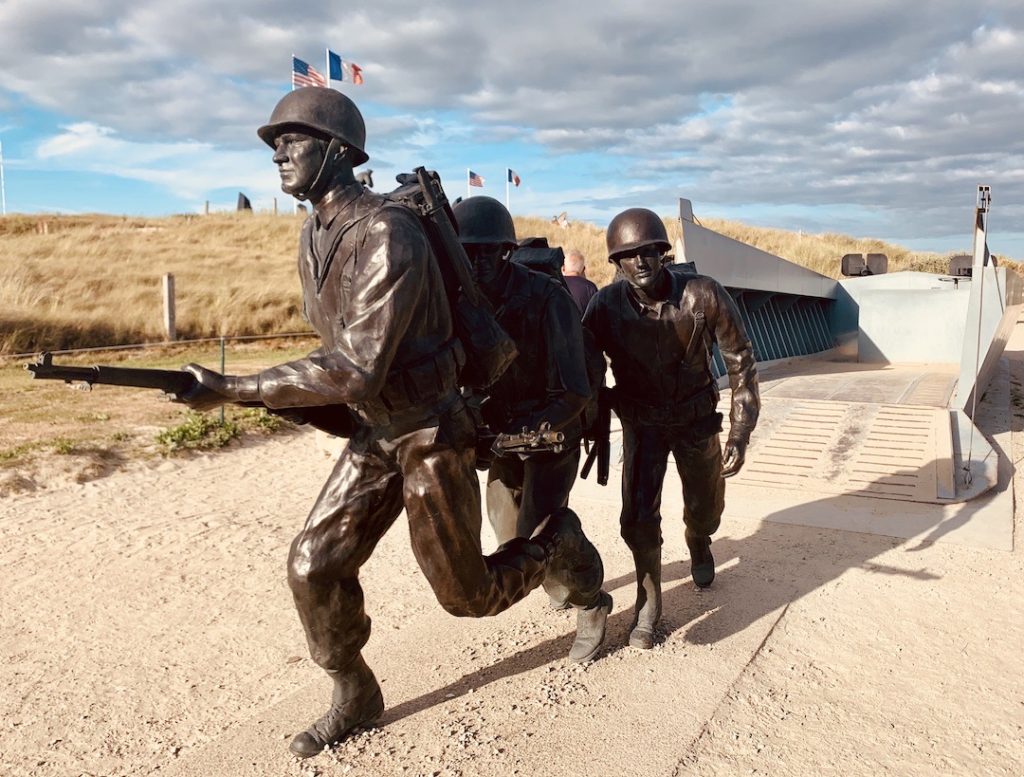
Since I started with Utah beach, I decided to tackle the rest of the D-Day beach sites mostly from west to east. I mostly wanted to start from the furthest destination from my lodging and work my way back home. My tour was not comprehensive of all of the D-Day sites because I did not have enough time. I think you need a full week or more dedicated to the sites to see everything. It was important for me to see as much of the region as possible so I hit many of the American highlights plus one German cemetery.
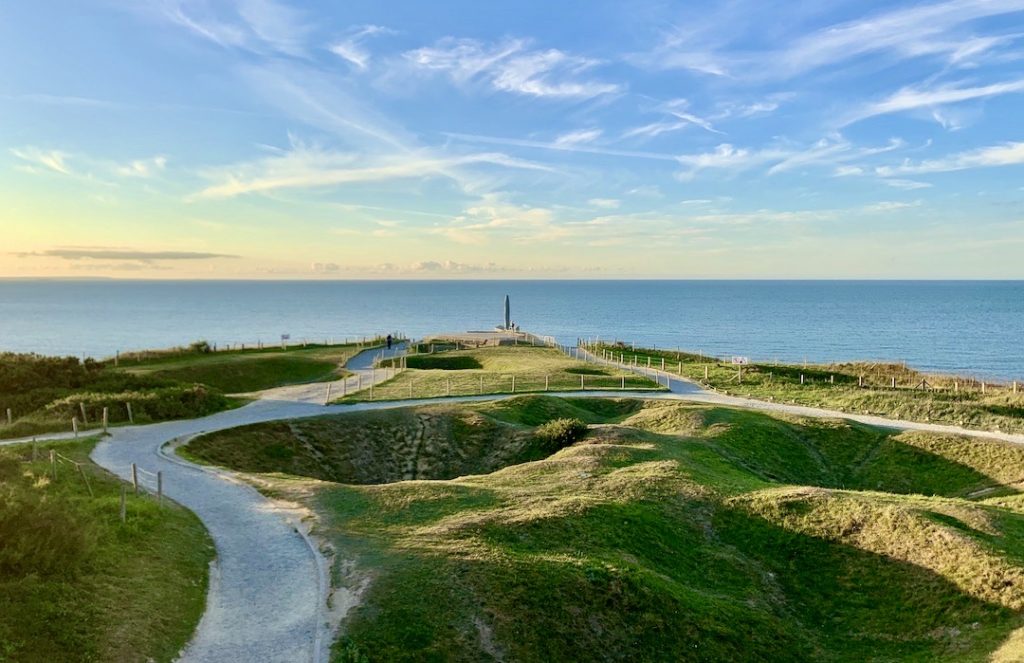
Pointe du Hoc has these beautiful cliffs right on the Atlantic Ocean. It was one of my favorite D-Day Normandy beach sites that I visited during my trip. The Germans heavily fortified the entire area as it built up its Atlantic Wall in anticipation of an Allied invasion. At the time, German guns could reach Allied ships at Omaha and Utah Beaches. In the days ahead of the D-Day assault, Allied bombers struck Pointe du Hoc five times to weaken German defenses. To this day, craters from the bombs are sprinkled throughout the fields.
It’s best to visit on a clear day if possible, so you can enjoy the grounds. I went late in the day around 7pm, which was perfect because there was hardly a soul in sight. The sun was just about to set, making a great backdrop for the cliffs and ocean.
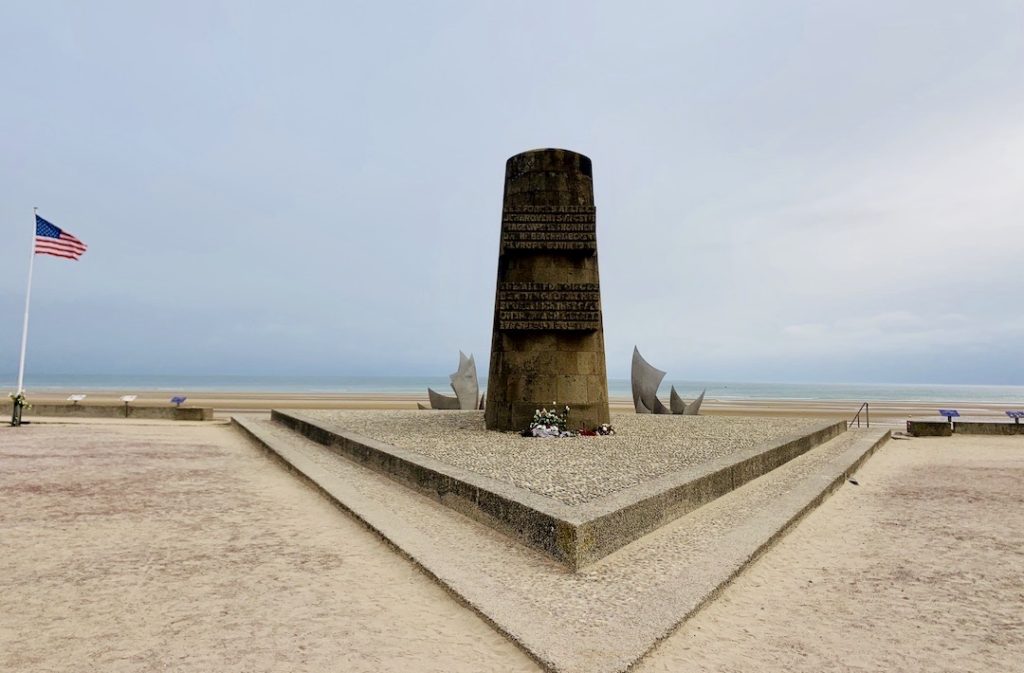
The beach is beautiful. It is hard to imagine what it was like over 75 years ago for American soldiers to storm this beach. The topography at Omaha Beach made it easy for the Germans, who had covered the terrain with machine gun nets, mortars, minefields, and barbed wire, easy to defend. The battle at Omaha was one of the most costly battles in terms of human lives lost on D-Day. It is nicknamed “Blood Omaha” because of the more than 4,000 deaths (American and German). It is nice to visit in the morning when the crowds are low and you can take your time to appreciate what happened on this beach.
Your next stop should be the Normandy American Cemetery. It reminds me a lot of Arlington Cemetery in Washington, DC. Allies battled German troops throughout Normandy for three months on their march towards Paris. Many American soldiers who lost their lives during these battles remain buried at the American Cemetery
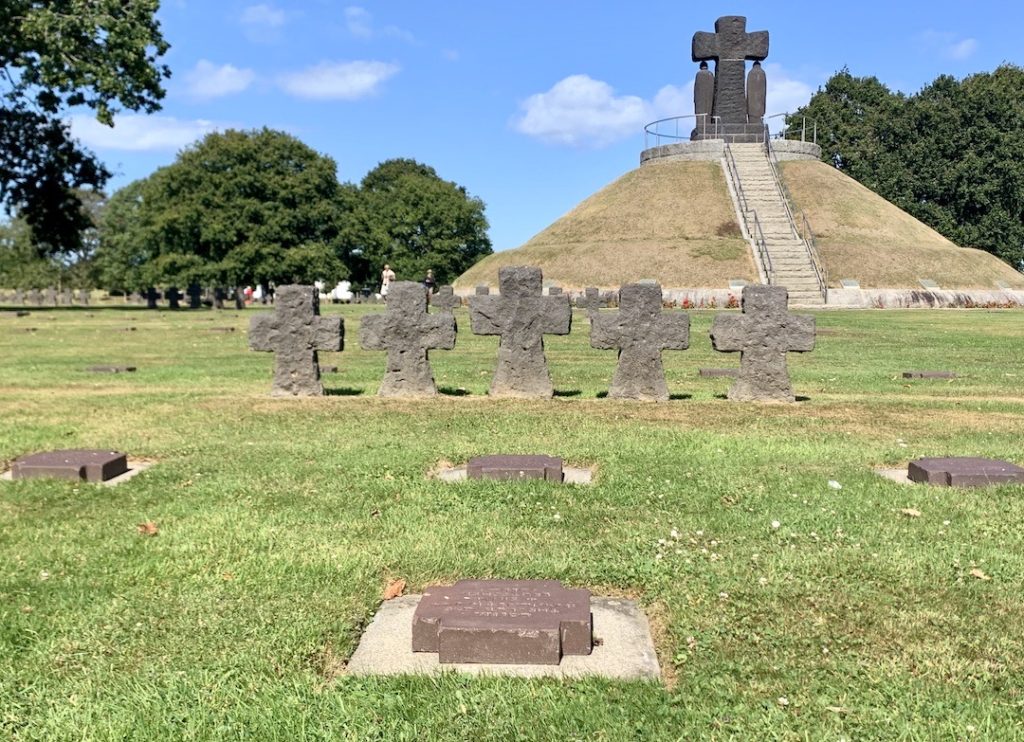
As an American, I did not originally consider going to any German sites, mostly because there are so many American sites to visit. However, I heard that the La Cambe cemetery was unique from the other cemeteries, so I wanted to check it out. I am glad I made the stop. The cemetery was established during the Normandy invasion during which 150,000 Germans were killed, wounded or captured between June and August 1944. The grave site is a lot more minimalist than many of the other sites and the gravestones are flat and shaped like crosses. The most striking aspects are the ages of some of the German soldiers, many of who were teenagers when they lost their lives for the German cause.
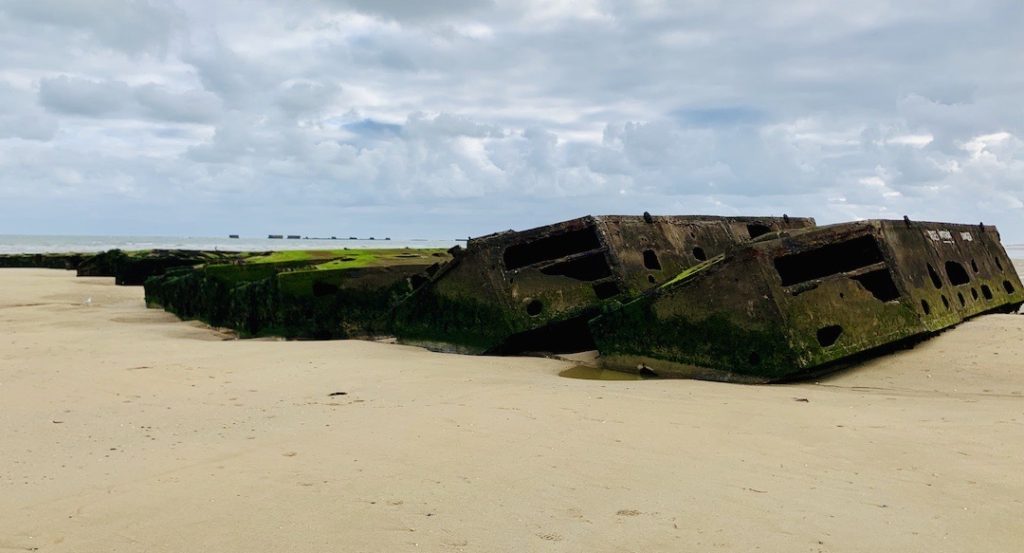
Not a single allied soldier set foot on this beach on D-Day. The assault on Arromanches came overland, not from the sea. What remains at Arromanches is a sign of an amazing challenge. The Allies built an artificial harbor to help supply a continuous flow of men, equipment, and supplies to continue the fight in Europe. This location is super cool and should not be skipped.
Tip: Make sure to check the tide tables. At high tide, it will be impossible to see what remains of the harbor.
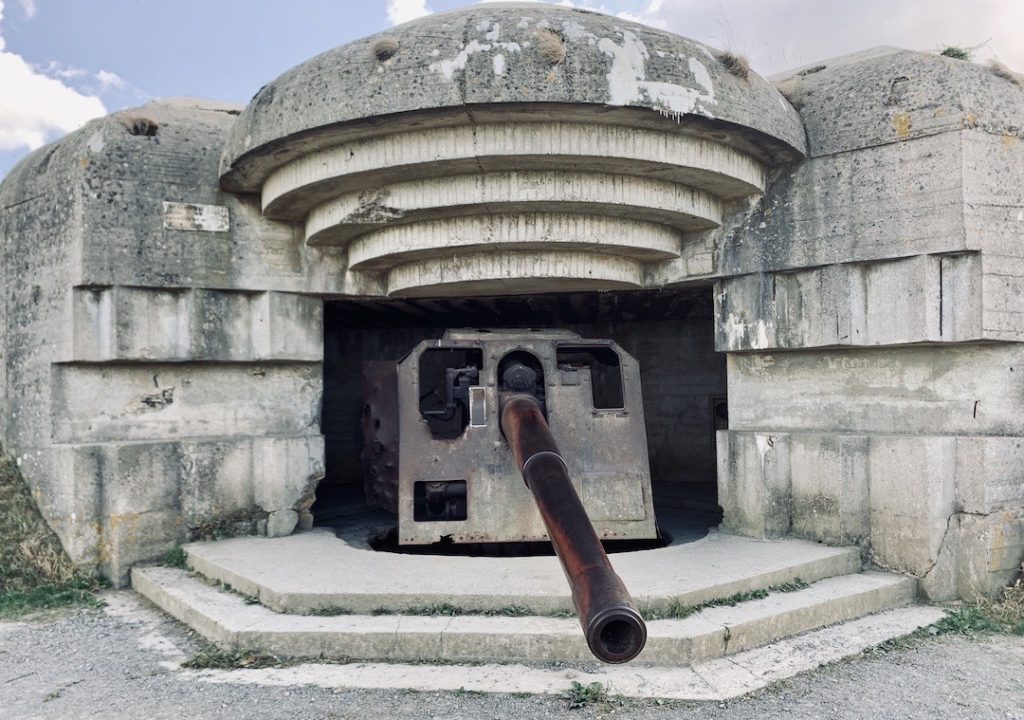
The German battery at Longues-Sur-Mer was home to four 155mm guns protected by bunkers that were about 300 yards back from the shore. The range of the guns was far enough to reach Omaha and Gold beaches, making them a threat to Allied forces on D-Day. This was particularly true since the Longues battery was still operational on the morning of D-Day. I almost skipped out on visiting this site, but I am glad I stopped, especially since it is the only heavy battery left in the region that still has its guns.
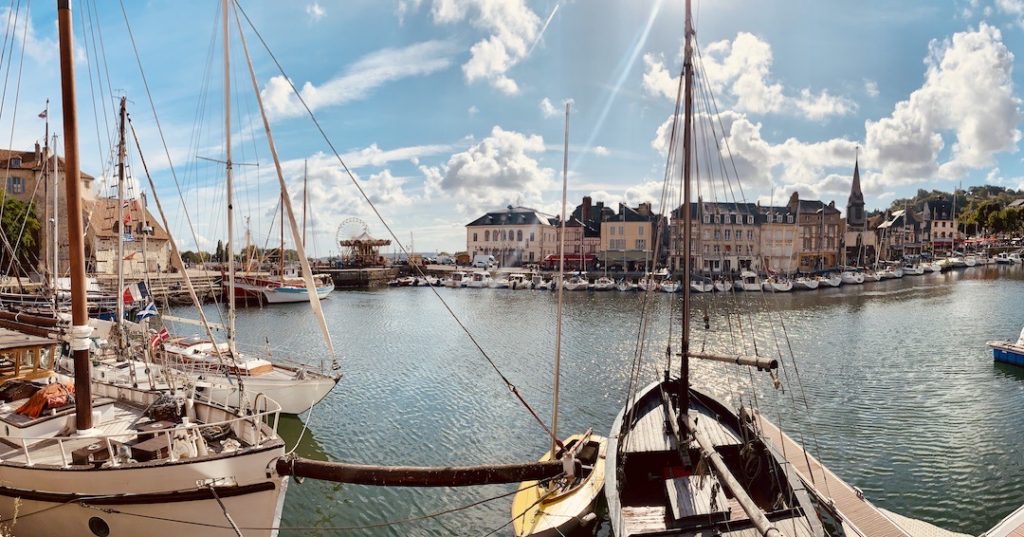
Honfleur is a port city in the Normandy region that has a very old town vibe. It has a picturesque port that is adorned with cafes, restaurants and shops. I think it is slightly more touristy than some of the other small towns in the region. It is even busy in early September when vacation season is over and the kids have returned to school. Outside of its beautiful vibe, the main draw to this city is the Sainte Catherine’s Church, the Museé Egène Boudin. The village is a series of winding streets that carry you between wooden houses and several shops selling Normandy treats.
Tip: There is no direct train service to Honfleur. From Paris, you can take the train from Gare St.-Lazare to Deauville. Bus number 20 will take you to Honfleur. Another option is to take a two hour bus from Caen. My recommendation is that you rent a car and drive!
Fécamp and Étretat are beautiful coastal towns in the northwestern part of France’s Normandy region that you can visit in one day. I would first stop in Fécamp to get your first look at the white cliffs that adorn parts of northern France. While you are in Fécamp, make sure to do a tour of the Bénédictine Palace where you will learn about the palace, sip bénédictine, and enjoy the Tasting Room, Tea Room and shop.
Étretat is less than a half-hour drive from Fécamp and was one of the most beautiful places I have ever traveled to. I have said that about a lot of places, but Étretat is definitely at the top of the list. It is known for its chalk cliffs and 3 natural arches. The area’s beauty drew several artists to its shores, like Eugène Boudin, Gustave Courbet, and Claude Monet. The three sites I would focus on are Les Jardins d’Étretat, Falaise d’Amont, and Falaise d’Étretat.
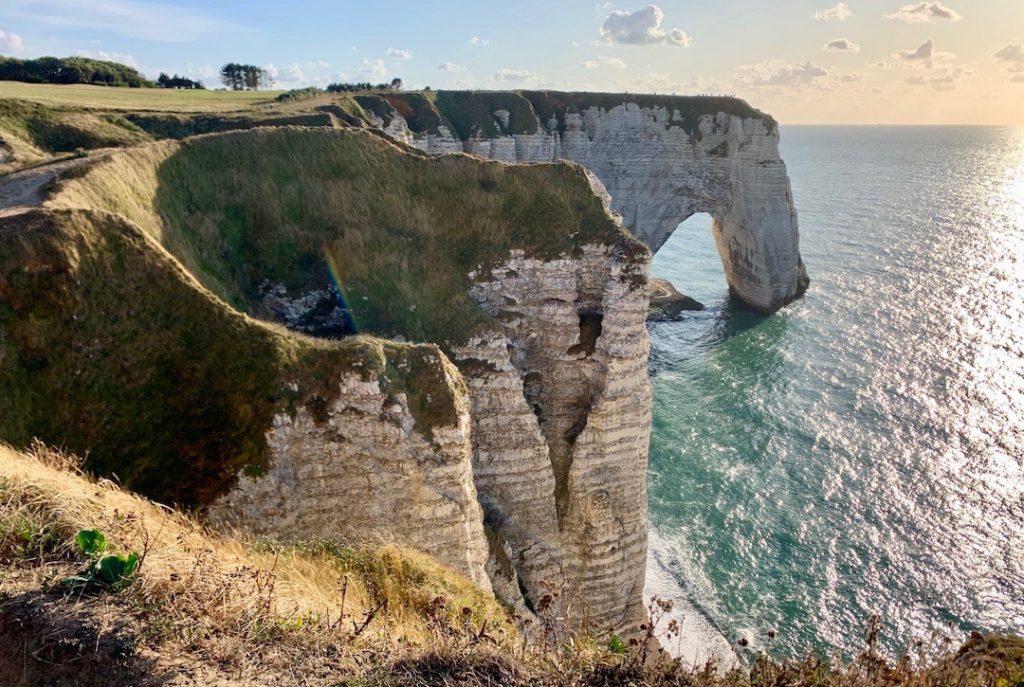
Étretat
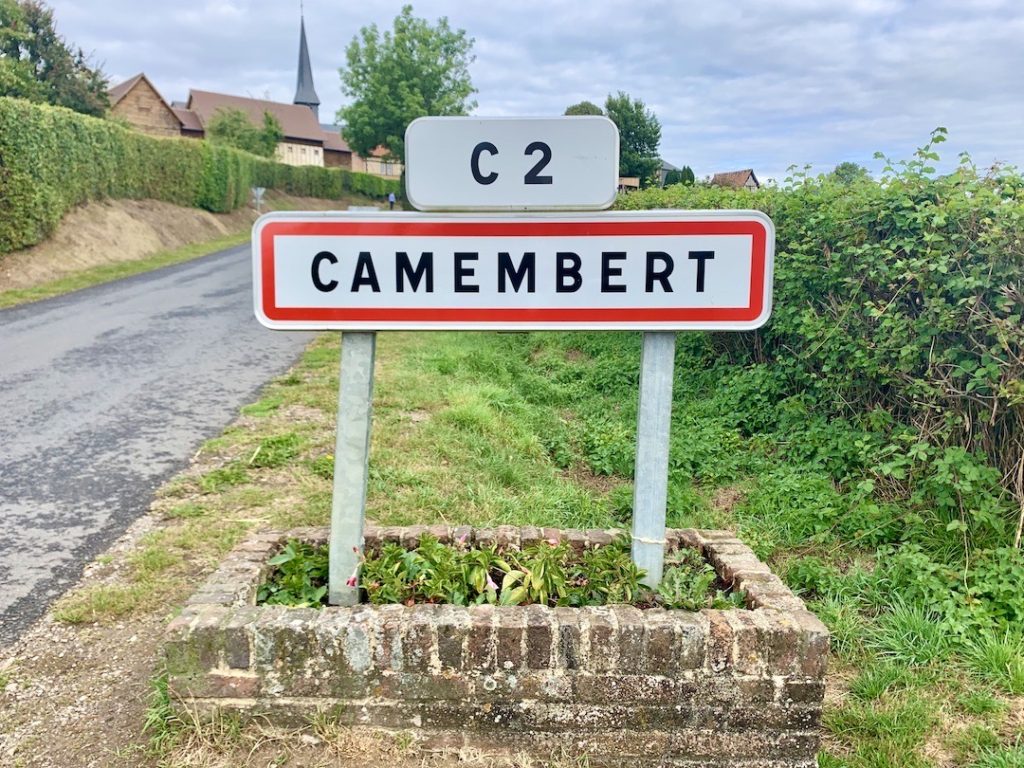
You cannot leave Normandy without indulging in some of the region’s treats. Normandy’s cows, bred in the Pay d’Auge region, make some of the best milk that is rich in proteins. That delicious milk is used to create Normandy cream and butter that is used in the region’s four most famous cheeses; Camembert du Normandie, Livarot, Pont-L’Évêque, and Neufchatel. I did a tour at La Masion du Camembert. The tour and cheese tasting was a little underwhelming, but I still think it is worth checking out.
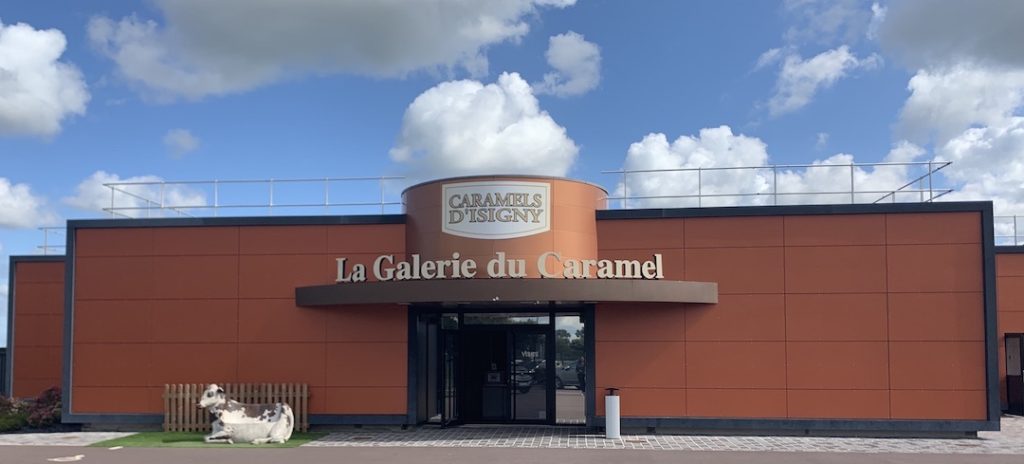
Once you have filled your belly with cheese, head over to Isigny-sur-mer and stop by Caramels D’Isigny to taste some of the best caramel you will ever eat. They offer a tour of how they make their delicious treats. There is a shop on the premises that sells three types of caramel; tender, slightly sticky or fondant (not sticky), as well as caramel popcorn, ice cream, crepe and waffle toppings, and lots of other goodies.