Coffee in Vietnam: My Favorite Cafes

Coffee in Vietnam

Coffee in Vietnam! I know it may be strange to have coffee in Vietnam listed on my bucket list. Let me first start by saying that I love a nice, hot cup of coffee almost every morning. Black! No sugar, no milk. I will admit that from time to time I enjoy coffee iced, frozen, or with milk as a treat. There is something so fulfilling and relaxing about opening a bag of coffee beans and breathing in the aroma. To then grind those beans and make a perfect cup of coffee can be even more satisfying. No matter what I am doing,  a cup of coffee makes me feel relaxed and I love it.

After doing a couple of food tours in Vietnam, I was so happy to discover that coffee in Vietnam is huge. The coffee culture is so strong that it is hard to walk down any busy street without coming across several cafes. I guess I should not have been so surprised since the French left their mark and its cafe culture in Vietnam after 100 years of occupation. As part of my bucket list food adventures, I had planned to do a coffee tour in Vietnam. However, due to the coronavirus, my tour was canceled. I was grateful that the tour company provided me a list of cafe shops we would have visited, told me what to order, and gave me insights on the coffee.

Traveling to Asia During Coronavirus

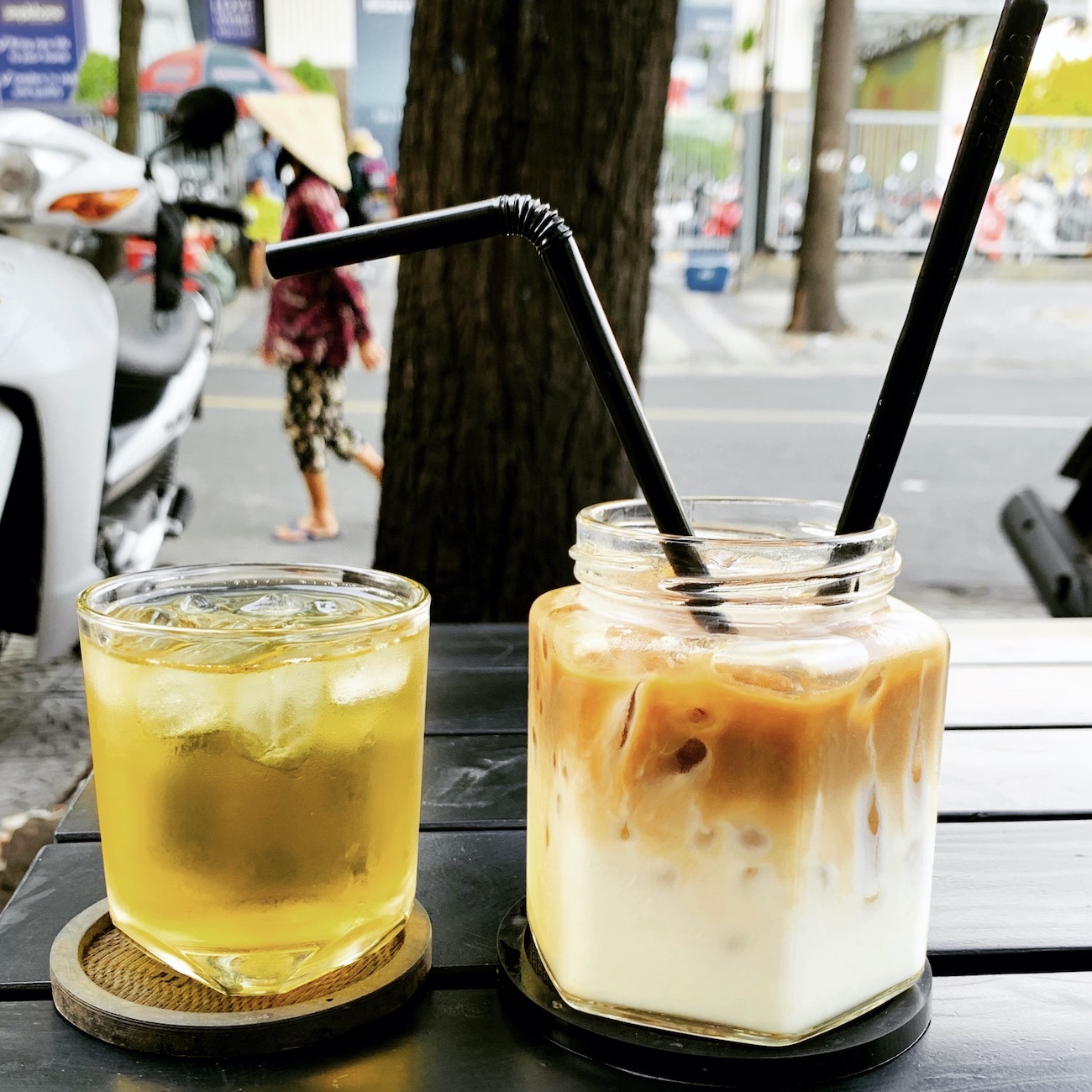
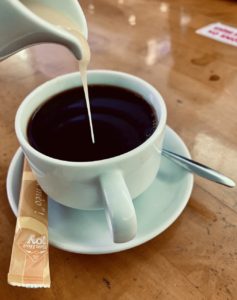
Coffee in Vietnam is definitely a treat. The cafes all over the country serve so many different types of coffee. The most traditional coffee in Vietnam is strong, made with Robusta beans, and served with condensed milk. However, even with condensed milk, the coffee still has a very strong flavor.

The coffee is unique because of the technique the Vietnamese use to make it. A small stainless steel filter makes all the difference. They are relatively cheap and if you purchase coffee beans in Vietnam, I highly recommend that you grab a filter at the same time. If cheap kitchenware is not your style, you can also buy colorful ceramic filters too. With so many cafes sprinkled throughout the country, here are a few of my favorites where I think you can find some of the best coffee in the country. 
Coffee in Vietnam

Coffee with condensed milk

[penci_fancy_heading p_title=”Cafe Dinh” _title_typo=”font_family:Simonetta%3A%22regular%2Citalic%2C900%2C900italic%22|font_style:400%20regular%3A400%3Anormal” _title_fsize=”35px” _subtitle_typo=”font_family:%3A” _desc_typo=”font_family:%3A”]

Cafe Dinh is in Hanoi’s Old Quarter and has some of the best egg coffee in the city. The cafe is in a hole in the wall and it is impossible for tourists to find unless they already know what they are looking for. You have to enter a dark alley and climb a flight of stairs before you reach the cafe. You may at first be frightened, but push past that fear because you will be rewarded with one of the best cups of coffee in the city. 

Some will say that this cafe is a tourist trap and no local would ever visit. But, I found that to not be true. I went to this cafe a few times and I did not see a single tourist in sight. The cafe itself is dark and the atmosphere feels old world. I just imagine that it was once a place packed with artistic or hip people of the day. I will warn you that smoking is allowed, which is the only downside to this place. 

[/penci_fancy_heading]
coffee in vietnam

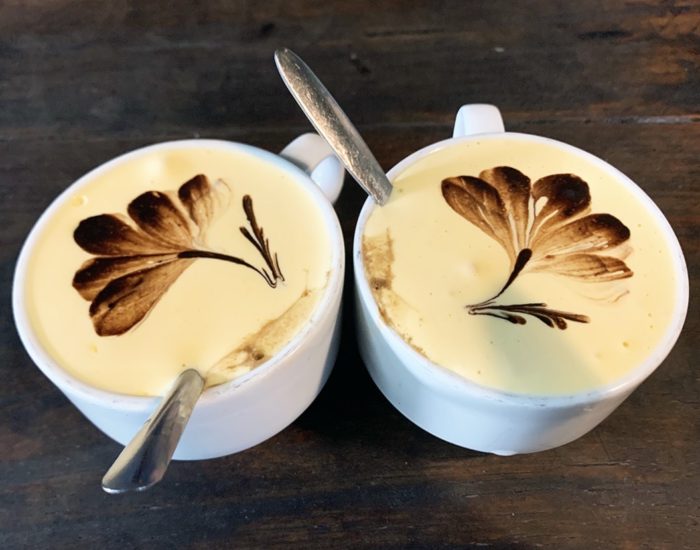
Egg Coffee

As for the most important part, the egg coffee, it is simply delicious. This specialty coffee originates in Hanoi and is the best city to try it. You may be wondering what in the world is egg coffee? The Vietnamese prepare it with robusta coffee beans, egg yolk, condensed milk and sugar. They beat the egg yolk with sugar and coffee until it makes a sort of fluffy custard. Many people serve it in a bowl of warm water to maintain the temperature of the coffee, but Cafe Dinh does not use that method. I was nervous to try it, but it is the most unique and yummy type of coffee I have ever tasted. 

[penci_fancy_heading p_title=”Hanoi Egg Coffee” _title_typo=”font_family:Simonetta%3A%22regular%2Citalic%2C900%2C900italic%22|font_style:400%20regular%3A400%3Anormal” _title_fsize=”35px” _subtitle_typo=”font_family:%3A” _desc_typo=”font_family:%3A”]

My second favorite cafe for egg coffee in Vietnam was at Hanoi Egg Coffee. While the name of the cafe may not be original, they serve one of the best egg coffees in the city. This tiny cafe also serves several types of rice wine and snacks like bahn mi. The reason why this cup of egg coffee was beat out by Cafe Dinh, is because I think it’s a tad too sweet for my liking. The Vietnamese use A LOT of sugar in their cuisine and there is no exception for coffee. 

[/penci_fancy_heading]
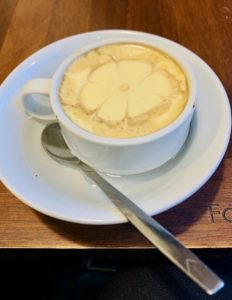
vietnam_hanoi

Egg Coffee

[penci_fancy_heading p_title=”Loading T Cafe” _title_typo=”font_family:Simonetta%3A%22regular%2Citalic%2C900%2C900italic%22|font_style:400%20regular%3A400%3Anormal” _title_fsize=”35px” _subtitle_typo=”font_family:Simonetta%3A%22regular%2Citalic%2C900%2C900italic%22|font_style:400%20regular%3A400%3Anormal” _desc_typo=”font_family:%3A”]

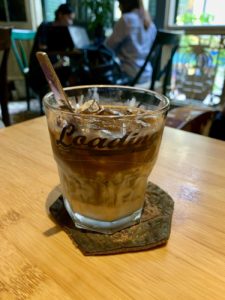
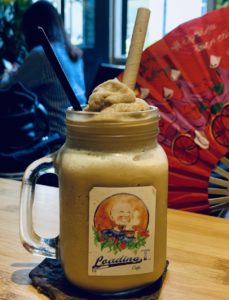
Loading T Cafe in Hanoi is a cute French inspired cafe in the middle of the Old Quarter. While I enjoyed drinking egg coffee a several cafes in the city, I definitely loved the coffee at Loading T the most. They roast their coffee beans with cinnamon sticks, which makes for a very unique and delicious flavor. I tried their regular iced coffee with condensed milk and a frozen coconut coffee. I have never said yum so many times while sipping coffee. If I had spent any significant amount of time in Hanoi, I would have visited this cafe time and time again. Definitely some of the best coffee in Vietnam. 

The ambiance of the cafe adds to the entire experience of having a delicious cup of coffee in Vietnam. Loading T is on a small side street in Hanoi. The yellow building looks like something out of an old century story. The cafe is on the top floor and is cute and quaint. French music is softly playing in the background. There are a few cozy tables spread throughout the space. It is inviting and relaxing. 

[/penci_fancy_heading]
Coffee in Vietnam

Frozen Coconut Coffee

Coffee in Vietnam

Iced Coffee with Condensed Milk

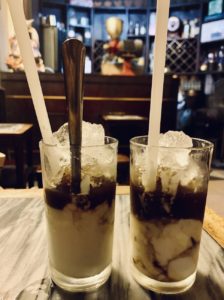
Coffee in Vietnam comes a variety of styles. If what I have mentioned does not sound appealing, then you can also try Vietnamese drip coffee without condensed milk, black iced coffee, fruity coffee, and yogurt coffee. Of these choices, I tried yogurt coffee. It was not horrible, but not my favorite type of coffee in Vietnam. The creamy constancy of yogurt in iced coffee was not that appealing. But, it is worth trying. If you are up for being adventurous, then you should also try weasel coffee. What is weasel coffee? Essentially, it is when weasels have digested and pooped out coffee beans. They sell it throughout Vietnam.
Coffee in Vietnam

Coffee with yogurt
Food Tours in Vietnam: A Foodie’s Bucket List

Vietnam Food Tour

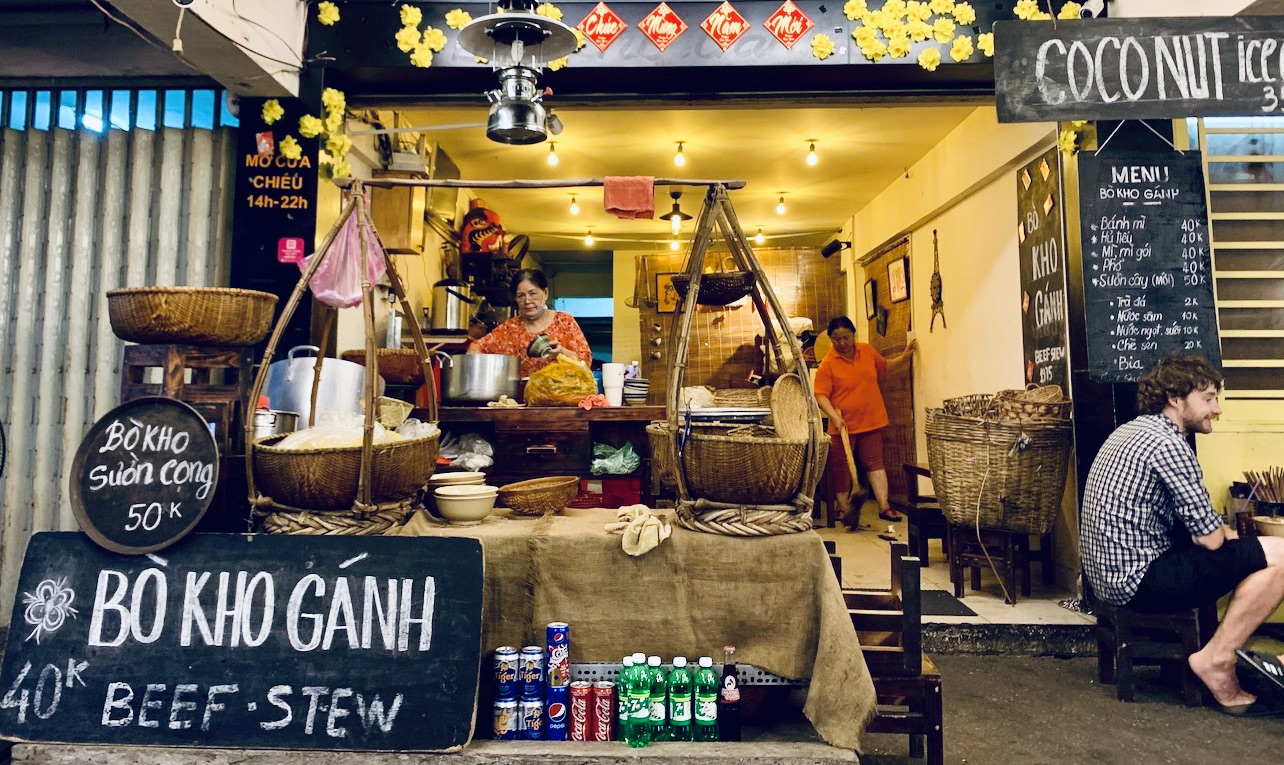
Food tours are a must when I travel to any country for the first time and Vietnam was no exception. Food is one of the main reasons I get excited about traveling. I must admit that I love to eat. When I am at home, I spend hours in the kitchen trying to recreate dishes I have tasted around the world. I particularly enjoy Asian food. So, I did a lot of research on Vietnamese cuisine before my first trip to Vietnam. Even if you have a lot of time to explore Vietnam, it will be hard to taste all of the must eat Vietnamese cuisine during your trip. I found the best way to eat my way through the country and to taste all of the traditional and unexpected foods was to by taking a couple of food tours during my trip. 

Vietnam Travel Tips: Things You Should Know

[penci_fancy_heading _text_align=”left” p_title=”Why A Food Tour in Vietnam?” title_tag=”h6″ _title_typo=”font_family:Simonetta%3A%22regular%2Citalic%2C900%2C900italic%22|font_style:400%20regular%3A400%3Anormal” _subtitle_typo=”font_family:%3A” _desc_typo=”font_family:%3A”][/penci_fancy_heading]

As with most food tours, the tour in Vietnam is not just about stuffing yourself silly. Food Tours in Vietnam give you the chance to learn a lot about the people, culture, a little bit of the language and something about the various regions in the country. Vietnamese consider their food to be a reflection of their values. To find the balance that is good for the body. No matter the region, you will certainly hear the Vietnamese talk about a balance of flavors and temperatures to make up the best dish. They really focus on the six senses as well as food texture. It is very fresh and meats are not cooked for a long time. Lots of vegetables and herbs accompany each dish. 

Food, even the same dish, varies by region. So, doing multiple food tours throughout Vietnam is worth it. I found that all Vietnamese food had more sugar in it than I normally eat.  But, the flavor and spices in food changes as you travel from the north to the south. With the north making more “bland” dishes, the central part of the country makes more spicy food, and very sweet dishes are served in the South. 

15 Things You Must Do In Thailand

Vietnam Food Tour
Vietnam food tour
[penci_fancy_heading _text_align=”left” p_title=”In Which City Should I do a Food Tour?” title_tag=”h6″ _title_typo=”font_family:Simonetta%3A%22regular%2Citalic%2C900%2C900italic%22|font_style:400%20regular%3A400%3Anormal” _subtitle_typo=”font_family:%3A” _desc_typo=”font_family:%3A”][/penci_fancy_heading]

If you get to spend a lot of time in Vietnam and plan to travel to multiple destinations, then I recommend that you do a food tour in Ho Chi Minh City and Hanoi. There are only a few dishes that you are likely to taste on both food tours. Even then, those dishes will be different enough that you will appreciate having tasted them in both cities. If I had had time, I would have also done food tours in Central Vietnam. I loved everything I ate in Hoi An. Sadly, I did not really get the chance to enjoy the food in Hue, which is supposed to be some of the best food in the country. 

I recommend that you do some research on food tours in Vietnam before you book anything. There are several types to cater to different needs. Possible experiences include night tours, dinner with the locals, street food tours, or off the beaten path tours. You can also choose between private and group tours or if you want to include sightseeing with your food tasting. I booked a private tour with Get your Guide in Ho Chi Minh City and a group tour with Hanoi Street Food Tour in Hanoi. Both tours were absolutely fantastic. 

[penci_fancy_heading _text_align=”left” p_title=”How Much Food Will I Eat?” title_tag=”h6″ _title_typo=”font_family:Simonetta%3A%22regular%2Citalic%2C900%2C900italic%22|font_style:400%20regular%3A400%3Anormal” _subtitle_typo=”font_family:%3A” _desc_typo=”font_family:%3A”][/penci_fancy_heading]

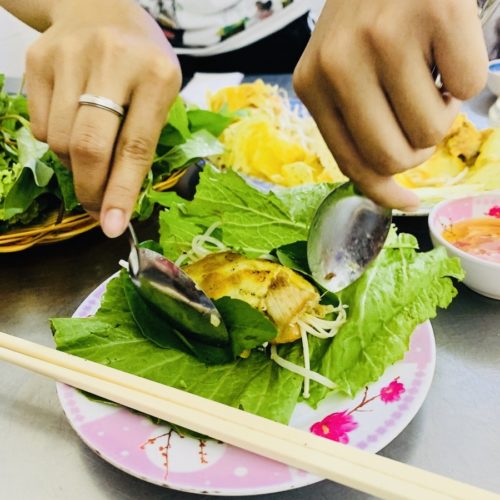
If you choose similar tours to the two food tour companies I used, then you will generally have between 8-10 tastings at multiple restaurants around the city. Most food tours will accommodate food allergies. But, if you are a picky eater or have a very restrictive diet, then food tours might not be such a great option. All of the food will be small portions, but you will certainly be stuffed by the end of the tour. Several of the tastings may have a communal diner feel. You may participate in a lot of hands on eating. The Vietnamese serve a lot of fresh food that sometimes consist of wrapping savory bites in lettuce.

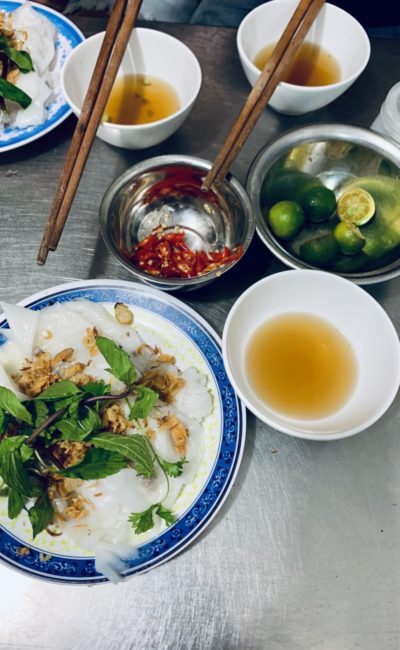
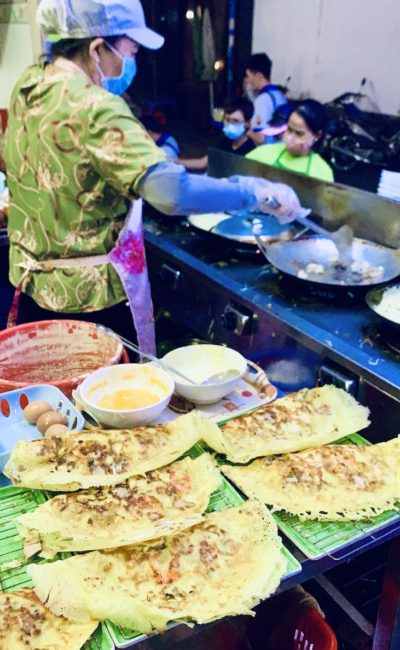
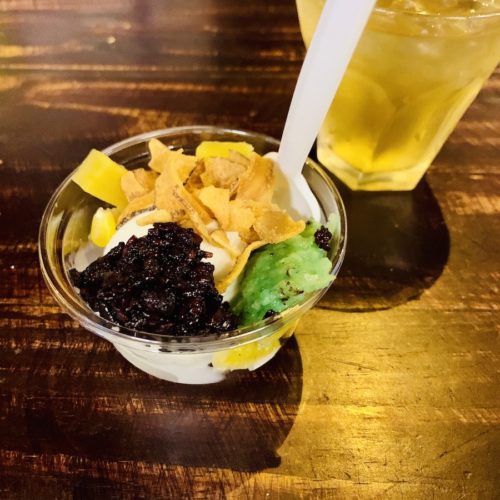
Most food tours include all of Vietnam’s must eat foods. I had my fill of noodle soups, Vietnamese pancake, and depending on the region, egg coffee. There may even be a few surprises. One surprise for me was coconut ice cream. I had never seen ice cream like this before; served with old and new sticky rice, coconut chips, sweet potato, and coconut jello. It looked weird, but it tasted fantastic. 

15 things you should do in Vietnam
15 things you should do in Vietnam;
[penci_fancy_heading _text_align=”left” p_title=”How Will We Get Around?” title_tag=”h6″ _title_typo=”font_family:Simonetta%3A%22regular%2Citalic%2C900%2C900italic%22|font_style:400%20regular%3A400%3Anormal” _subtitle_typo=”font_family:%3A” _desc_typo=”font_family:%3A”][/penci_fancy_heading]

Generally, food tours in Vietnam are 3-4 hours long and are walking tours.

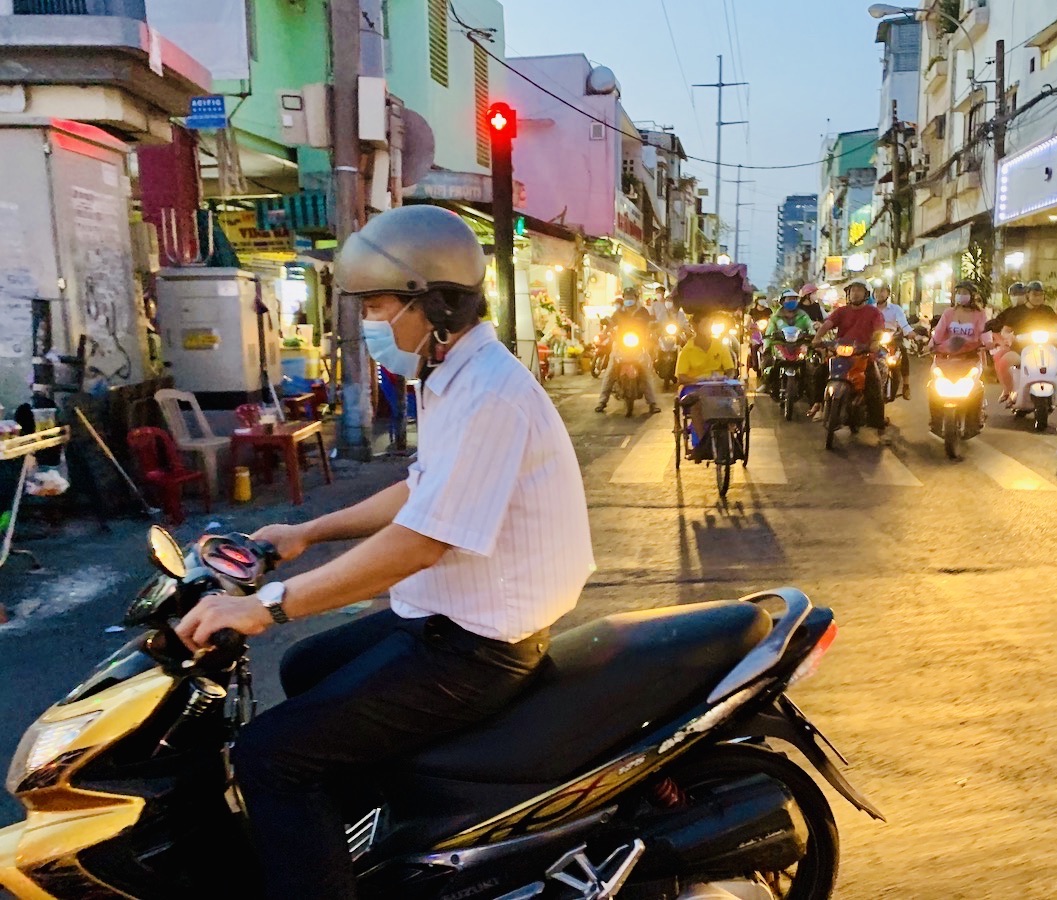
That was my experience in Hanoi, where we did the entire tour in a few blocks in the Ancient City. Things were different in Ho chi Minh City, where food tours cover a lot of ground in a busy city. Many food tours make their way around town by motorbike, which are completely part of the culture. Your tour guide will drive you through the city’s busy and congested streets. It seems like rush hour traffic is all day in Vietnam’s big cities. So, if you are uncomfortable riding a on the back of a motorbike, then I recommend that you look for tours that specifically note they are walking tours 

Solo Travel to Japan: 5 Tips For Your Trip

vietnam coronavirus

No matter what you decide, you will absolutely love eating all of Vietnam’s tasty treats. I hope you enjoy Vietnam’s cuisine as much as I did! 

Japan: Three Restaurants You Must Try

restaurants

Japan is a culinary powerhouse! Before I get into the three restaurants you must try in Japan, let’s talk about Japan’s food culture. Japanese food culture is so important to its society that it is classified as a world heritage. The means that it is unique and stands out from other food cultures. Centered around regions in Japan and seasonal food, Japanese kids learn the importance of food from an early age. In part, the Japanese use food to teach teamwork and responsibility.

If you get the chance to spend a considerable amount of time in Japan, you will notice that food colors and flavors change throughout the seasons. Even sushi varies throughout the country. Part of food tourism in Japan centers around this, which brings people together. It is so influential on the culture that it is only the fifth culinary heritage added to UNESCO. And, it is only one of two entire cultures to be recognized, the other being France.

10 Etiquette Tips for Japan: First Time Visitor Guide

10 Easy Tips for Travel in Japan

Chinese and Korean foods greatly influenced Japanese cuisine. Japanese food is now one of the most popular foods in the world, and I am sure when you think of Japanese food today, you think about how delicious it is. Sushi, fish, soy-based foods, noodle soups and tempura are just a few things that come to mind.

Etiquette in Japan

No matter where you dine, there is an etiquette to eating in Japan. Let’s start with chopsticks. They are the main way to eat food in Japan. I have not at all mastered how to use them, even though I have really tried. I am sure that during my trip, many people wondered why I was staring at them. But, I was trying to figure out how to use chopsticks properly.  There are a ton of things you can do wrong with chopsticks, and for most foreigners, it is easy to commit a faux pas.

  • Always pick them up with the right hand
  • It is best not wave them around
  • Do not point chopsticks at people
  • Passing food between chopsticks is not okay
  • Do not stick them vertically in your food

Unlike in the US, mixing wasabi and soy sauce is not the norm in Japan. It is better to put wasabi on sashimi and then dip it in soy sauce. Also, walking down the street while eating or drinking is a big no no in Japan. This can sometimes be weird because street food is a thing in Japan. And, it seems perfectly normal to eat food and walk down the street at the same time. But, do not be surprised to see people huddled around a food stand and stuffing their faces before moving on with their day. Finally, slurping large bowls of noodles is perfectly okay and expected!

So, with all of that said, I want to share my three favorite food experiences in Japan. First of all, I ate a LOT of noodles during my trip. I love ramen and udon. It was always an amazing meal no matter how cheap or quick they were. However, I did not want to leave Japan without treating myself to some unique experiences.

1. Kobe Beef Kaiseki 511

Kobe beef is one food item on my bucket list that I was super happy to try. I am always up for succulent, tender beef, and Kobe is some of the best. Kobe is Wagyu beef from cattle raised in Japan and is considered a delicacy. It has a ton of flavor due to its fatty nature. Kobe was impossible to get in the United States between 2009-2012 because of a disease outbreak and it its still rare to find on US restaurant menus. That is why I had to have it during my trip to Japan.

Kobe Beef Kaiseki 511 is a restaurant you must try in Japan. Located in Tokyo, it came highly recommended as a place to have a Kobe food experience. I chose to do the seven course Kobe tasting menu plus a seasonal appetizer plate. Everything was well-prepared, beautifully presented and delicious. They served Kobe beef in so many different forms from raw to fried. The meal was a dream and the service was perfect.

Tips:

Getting there: I highly recommend making reservations. The restaurant website provides several options on how to get to the restaurant. I did not have a car, so I took the subway.

Dress: I think business casual is appropriate, but you can certainly dress fancy and still fit in.

Cost: $$$$

2. Kyoto Gogyo

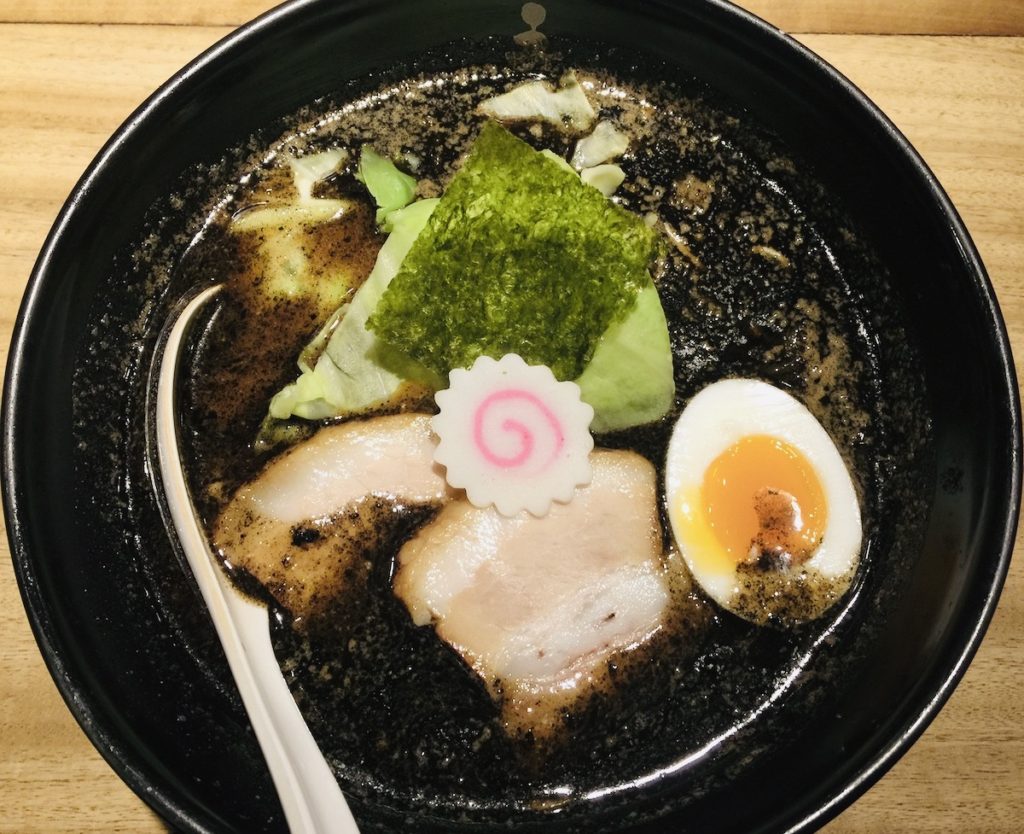
Gogyo is also a restaurant you must try in Japan. Located in Kyoto, it is known for its burnt miso ramen noodle soup. As I have already mentioned, I love noodles. There are eight different types of noodles that are part of Japanese cuisine. Some are served hot, and others are served cold. My favorites are ramen and udon and I do not think I went a single day during my time in Japan without eating one or the other. The Japanese imported ramen from China. Now it is one of the most popular dishes in Japan and eaten all over the world. Noodles are inexpensive and the Japanese consider them to be a convenience food, especially since one can find them on pretty much any corner in the country.

There are several ramen soup bases. My favorite is Shoyu (醤油, Soy Sauce), which is a clear, brown broth flavored with soy sauce. Toppings for the soup include chashu (roasted or braised pork), moyashi (bean sprouts), tomago (hard or soft boiled egg), various types of seaweed, among other things. Usually, the only sided dish is gyoza (pot stickers).

I was intrigued by Gogyo burnt miso ramen noodle soup. I eat Ramen in the US quite often, but I had never heard of it. While, I normally do not order miso-based ramen soups, I had to try it. It was amazing. I expected to have a burnt taste, but instead it had a smoky flavor that brought out the other flavors of the dish. It was worth trying and I would love to enjoy another big bowl of burnt miso ramen soup.

Tips: 

Getting there: There are a few locations in Japan, but I went to the one in Kyoto. Be prepared to wait to get seated, as the restaurant is popular. If you are only going for the ramen, then offer to sit at the bar instead of the main dining area of the restaurant to help you get in sooner. Gogyo is in  downtown Kyoto, and as for all of my other outings in the city, I rode a bike to the restaurant. It is very close to Nishiki Market so it is possible for you eat at Gogyo and tour the Nishiki Market during the same outing.

Dress: Dress is casual!

Cost: $

Japan

3. Tempura Endo Yasaka

Whenever you are doing research about food in Japan, you will for sure come across tempura, or fried food. It is usually seafood or veggies. Unlike fried food in the US, tempura batter is much lighter, fluffy, and crispy. Japanese usually serve tempura it with sauce or salted without sauce. The best part is that Japanese usually serve it and eat it hot, immediately out of the fryer. Today, Japanese enjoy a lot of tempura at food stalls. It is a custom from the Endo period when it was forbidden to make tempura indoors because it was a fire hazard, since most houses were made of paper and wood. Even though that is the custom, it is worth going to a sit down restaurant to enjoy a tasting menu full of yummy fried food.

For my food experience, I chose to eat at Tempura Endo Yasaka in Kyoto. You will find mixed reviews about this restaurant, but I though it was a fantastic experience. The service was great and the food was delicious. At the restaurant, you have the option to sit at the bar right in front of the chef as he prepares every course, which I recommend. Even though I was there for the fried food, the courses included some fresh sashimi fish, which was nice. The meal was well balanced and one of the best things I ate in Japan.

Tips:

Getting there: I recommend that you make a reservation. The restaurant is not that big and it is quite popular. It is situated in an ornate wooden teahouse south of Gion. I rode the bike that my Airbnb provided for me to the restaurant. It was a little hectic getting there because the streets were crowded, but I got to see a lot of women dressed in kimonos during my ride. So, that was fun. Depending on where you are in the city, walking may be the best way to get there, while enjoying Kyoto.

Dress: I was dressed in smart casual but that was mostly because I rode a bike there. Others were in business casual or date night attire, so I was a little out of place.

Cost: $$$$ – This was one of my more expensive meals in Japan

Le Soufflé in Paris: A Visitor’s Review

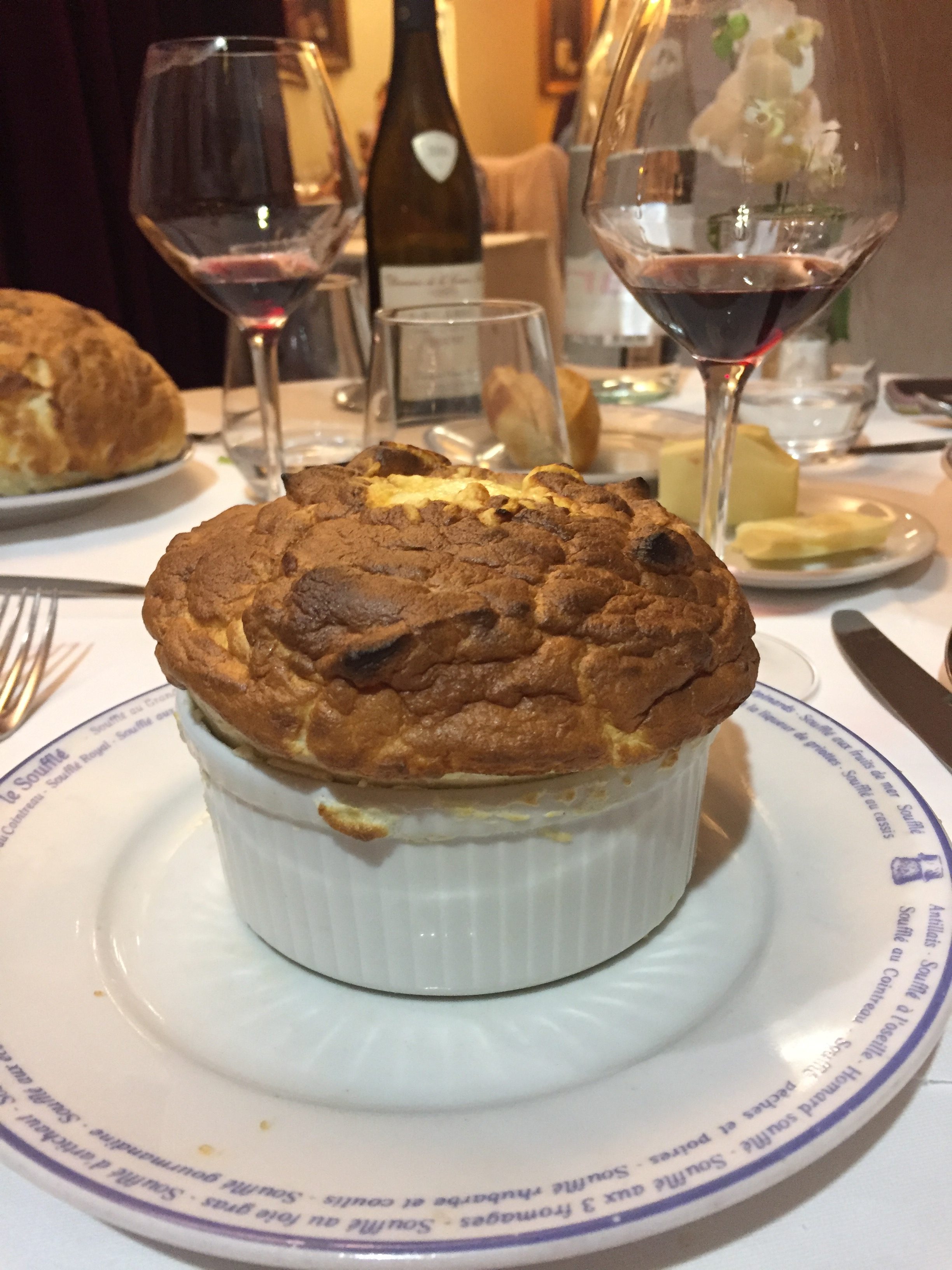
When you think of Paris, France, I am sure food is one of the first things that comes to mind. France is one of the best culinary playgrounds in the entire world. And of course it is not just about the food. France has some of the best wine and apple brandy in the world. One French dish that I do not think gets enough attention is the soufflé. In all of my trips to France, I do not think I have ever really sought out soufflé. But, for one of my latest trips to France, a friend said I could not leave without making a stop to Le Soufflé in Paris.

For those of you who have never had the pleasure of eating a soufflé, it’s something definitely worth indulging in. Soufflé, comes from the French verb souffler and means to blow, breath, inflate or to puff. It is an egg-based dished combined with either savory or sweet ingredients and baked until it’s soft and fluffy. I will say that a good soufflé will taste exactly as I just described it. Looks can be deceiving, as it seems like it will be a heavy and dense meal. Once you sink your fork or spoon into the soufflé, you will be amazed at how it is so fluffy and light.


Chocolate Museum in Cologne, Germany: Visitor’s Guide

Chocolate Museum

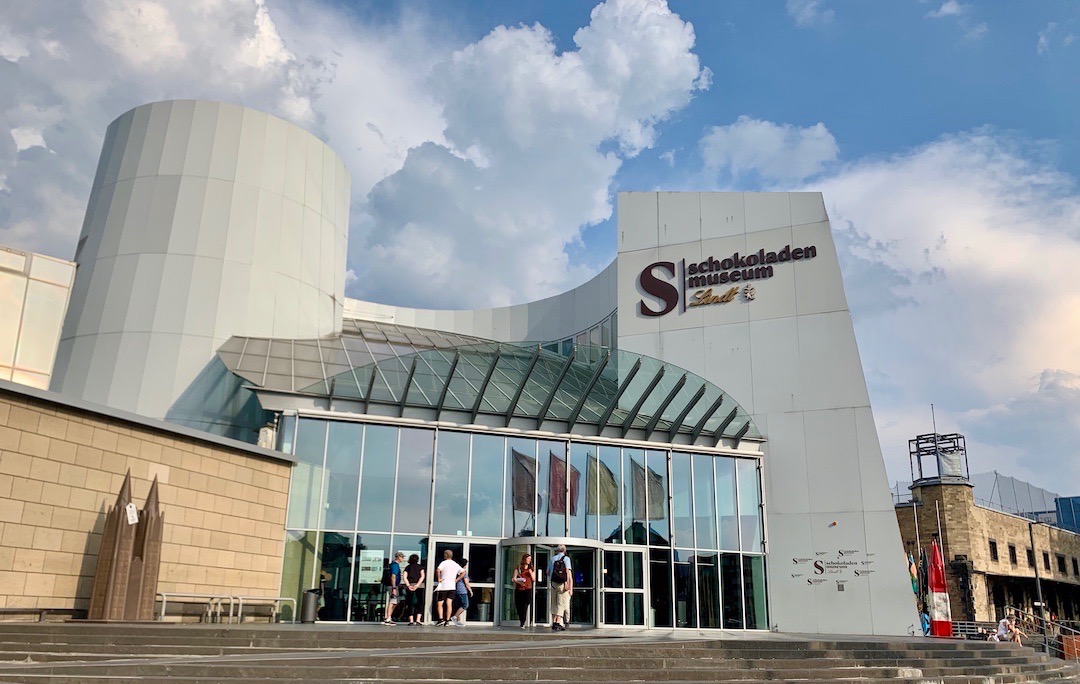
After spending time in Belgium and enjoying what I think is some of the best chocolate in the world, I was not expecting much from the Chocolate Museum in Cologne, Germany. However, I was pleasantly surprised. I really enjoyed the museum and the chocolate and visited the museum twice to indulge in its treats. Founded by Hans Imhoff in 1993, the museum offers you a visual step by step guide on how they make Lindt chocolate.

There is a transparent chocolate factory. It starts with the path of the cocoa bean from the roasting machines to a wrapped chocolate bar. There is even a robot on the production line that will serve you a freshly made little bar of Lindt chocolate.

This is where magic is made!

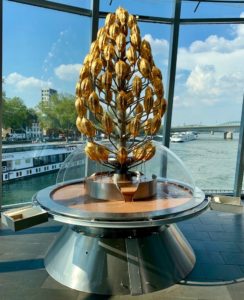
The museum has an impressive chocolate fountain where you can grab a fresh taste of yummy chocolate. The fountain has the backdrop of the beautiful city and Europe’s longest and most important river, the Rhine.

It is a great place to take your kids. They can see how Lindt makes chocolate figures, such as Easter bunnies, elephants or Santa Clauses from liquid chocolate. They can also create a personalized chocolate bar from a combination of three types of chocolate and lots of ingredients.

There is also a historical section in the museum. It provides information on the first societies that experienced chocolate, the history of the chocolate drink, and the industrialization it took to manufacture large quantities of chocolate.

Chocolate museum 2
Visit the Chocolate Shop

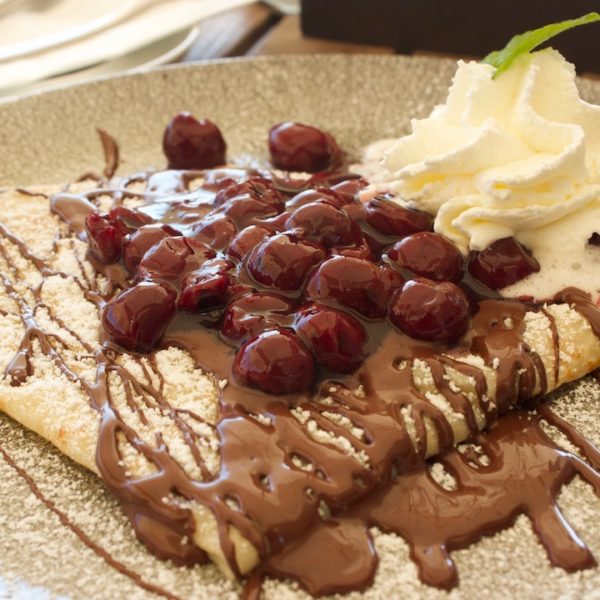
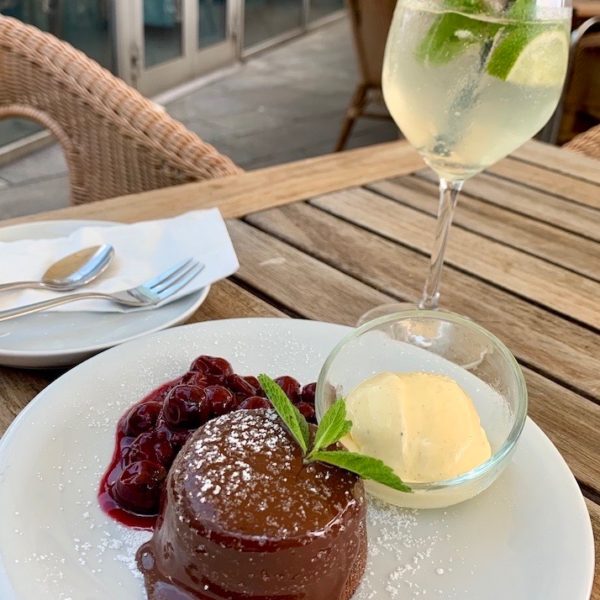
While the museum is fantastic, my favorite part was enjoying delicious chocolate treats at the Chocolate Museum cafe, Chocolat Grand Café. They have beautiful cakes and chocolate pastries. You can enjoy them outside while sitting along the Rhine! I had a chocolate soufflé and a crepe with cherries and chocolate. Not on the same day of course! Do not forget to stop at the Chocolat – Premium Chocolaterie on your way out of the museum to buy freshly made chocolates, pastries, and gifts.

Chocolate Museum 3
chocolate museum 4

Thailand Food Tour: A Taste of Bangkok

Thailand Food Tour

My food tour in Thailand was the first time I had done this type of tour. Now, I try to do a food tour any time I travel to a new country. Thai cuisine is one of my favorite types of food. Food tours in Thailand give you the chance to find hidden gems. There is a huge culture scene in Thailand. It is and it is easy to find yummy food stalls sprinkled all over the country. But, it is harder to find the multi-generation mom and pop restaurants that serves the best food in Thailand. My tour was a four-hour walking tour, during which, I tried about ten Thai dishes at five restaurants. We mostly stopped at family owned restaurants that have been in business for between 30-80 years.

The food tour in Thailand was a great way to learn about Thai cuisine. All of the Thai dishes were either things I had never seen before in the US or a specialty of that restaurant. Many places were holes in the wall and did not necessarily look sanitary, but that did not matter. The food was some of the best I’ve ever tasted.

One of my favorite dishes during my food tour in Thailand was Khao Soi, which means “cut rice,” and is a national cuisine in Thailand, Burma, and Laos. It was mouth-watering and had the right about of heat for me, and I like it SPICY! I also had a fried chicken with shredded fried lemon grass and fried lime leaf on top.

During the food tour in Thailand, I tried papaya salad for the first time. I never expected to enjoy it, but I now order it anytime I go to a Thai restaurant in the US.  The fire and heat coming from the salad made it a favorite of mine. I have since tried to make papaya salad at home many times.

Not sure what kind of food tour in Thailand you should choose? I booked the Historic Food Tour through Bangkok Food Tours, but you can also check out trip101 for a list of other popular tours.

Travel to Africa: 9 Countries You Should Visit

Sweets of Paris

When you think of France and French treats, a few things generally come to mind, macaroons and crepes. Here are a few of my favorite sweets and sweet shops in Paris that go beyond the average.

Sebastien Gaudard

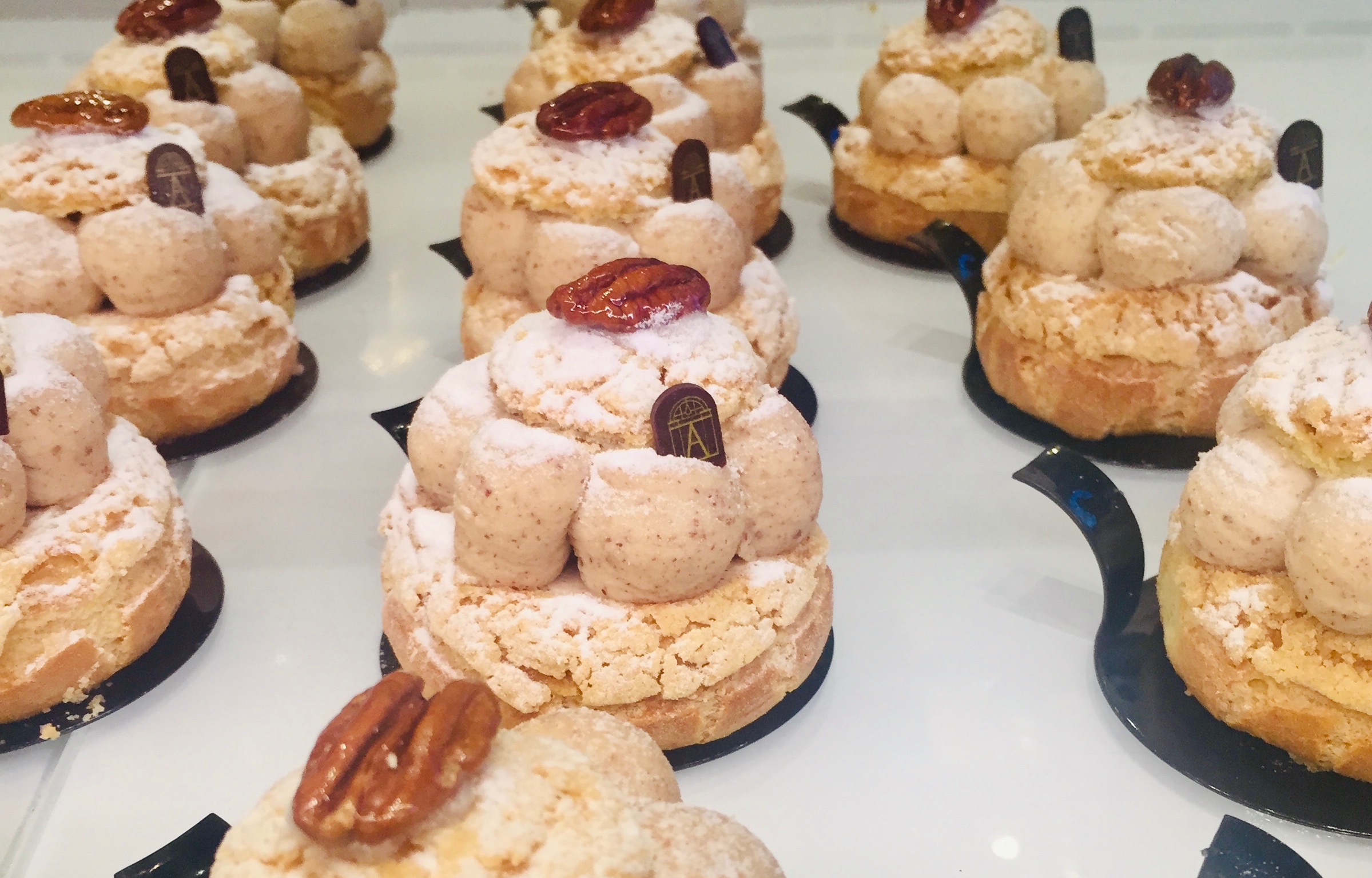
Located on the Rue des Martyrs, Sebastien Gaudard is one of the oldest patisseries in Paris. Even though I have a sweet tooth, I’m very particular. Sebastien Gaudard has a good selection of French treats that are freshly made.

Angelina

I love Chocolate, but Angelina is another world when it comes to hot chocolate. Located on the Rue de Rivoli, along with several other shops in Paris, Angelina is a main attraction for tourists visiting the city. After standing in line for about 25 minutes, I was seated in the upstairs area. Angelina serves food that’s supposed to be delicious, but I was only there for one thing…hot chocolate and dessert. How can I describe this drink?? You know that hot chocolate your mom usually makes for you? A packet of powder and hot water and occasional warm milk instead of hot water. Either way, this ain’t that! Angelina’s hot chocolate is so thick it’s almost soup. For those strange people who don’t like chocolate…I wouldn’t recommend this tasty treat!

La Meringuée

I never expected to like meringue, but after watching several seasons of the Great British Baking Show, I figured I’d give it a go. I will say, this fluffy, light treat is definitely worth eating. Located on Rue des Martyrs, La Meringaie is one of several great shops where you can pick up yummy gifts for friends or a little treat for yourself.

Chocolat Illèné

Macaroons are a traditional French treat. There has not been a time when I went to Paris and I did not eat a ton of macaroons. One of the most famous shops in Paris and around the globe is Ladurée Paris, which I have nothing negative to say about. They have a decent variety of flavors and they always seem so fresh. However, you should definitely try one of the non-chain macaroon shops to get a taste of something slightly different. I recommend Chocolat Illèné located in Montmartre in Paris’ 18th arrondissement. Not only are the macaroons worth the trip, but Montmartre is a cute neighborhood known for its history, artistic nature, and night clubs.

A Day Trip to Champagne Region

Avenue de Champagne, Épernay

A last minute trip to Paris, gave me the opportunity to visit a part of France I had never been to before and to check one more item off of my bucket list…the Champagne region. I wanted to visit several of the oldest champagne houses in Reims and Épernay, France, such as Moët & Chandon, Taittinger, and Ruinart.

However to taste the delicious bubbly from the larger houses, you usually have to book weeks to months in advance. In addition, renting a car to make your way around the region or booking a tour through companies like Viator.com give you the best opportunity to see visit as many houses as possible. I did not have time for either during this trip, and considering I usually plan my trips months to a year in advance, I was tempted to put off going to the region until I could do it the way I wanted to. Instead, I booked a last minute trip to Épernay, also know as Faubourg de la Folie (“crazy suburb”), which is only a little more than an hour train ride outside of Paris. I chose Épernay because the Avenue de Champagne provides an array of champagne houses, large and small, where you can taste without a reservation.

When you first arrive at the Avenue, it does not look like much more than a quiet street, but it is really charming. Of note, several of the champagne houses are open seasonally and many are closed between 1130-1400. Not to worry though, you can arrive in Épernay at 1000, do several tastings, eat lunch, and head back to Paris by late afternoon.

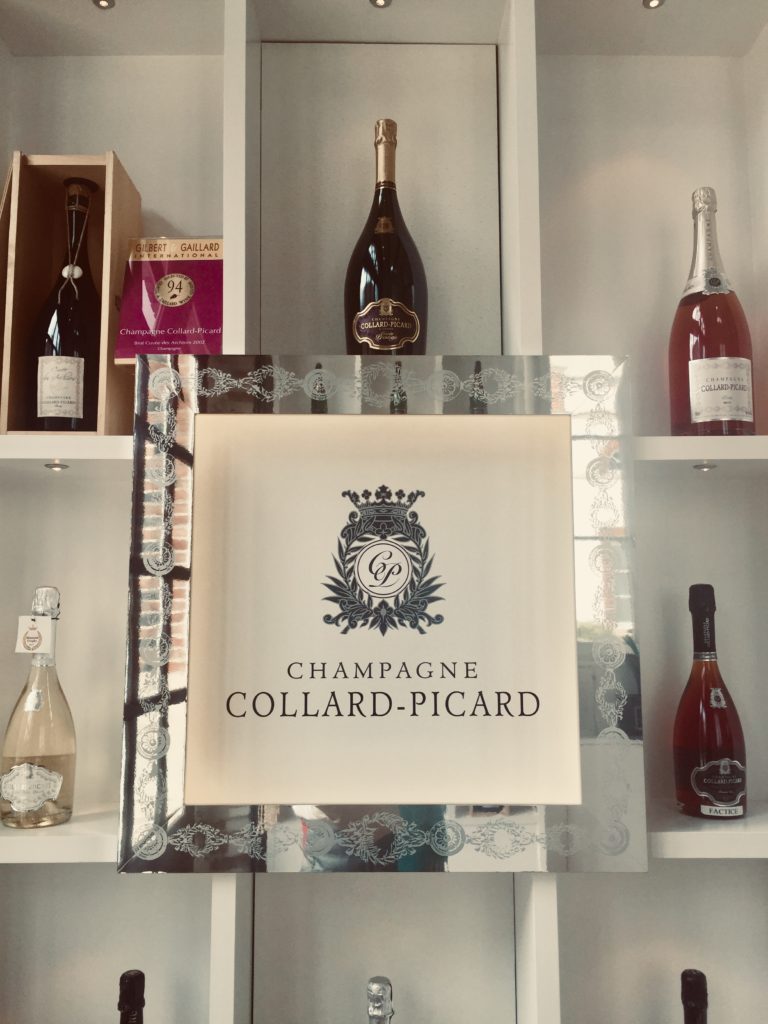
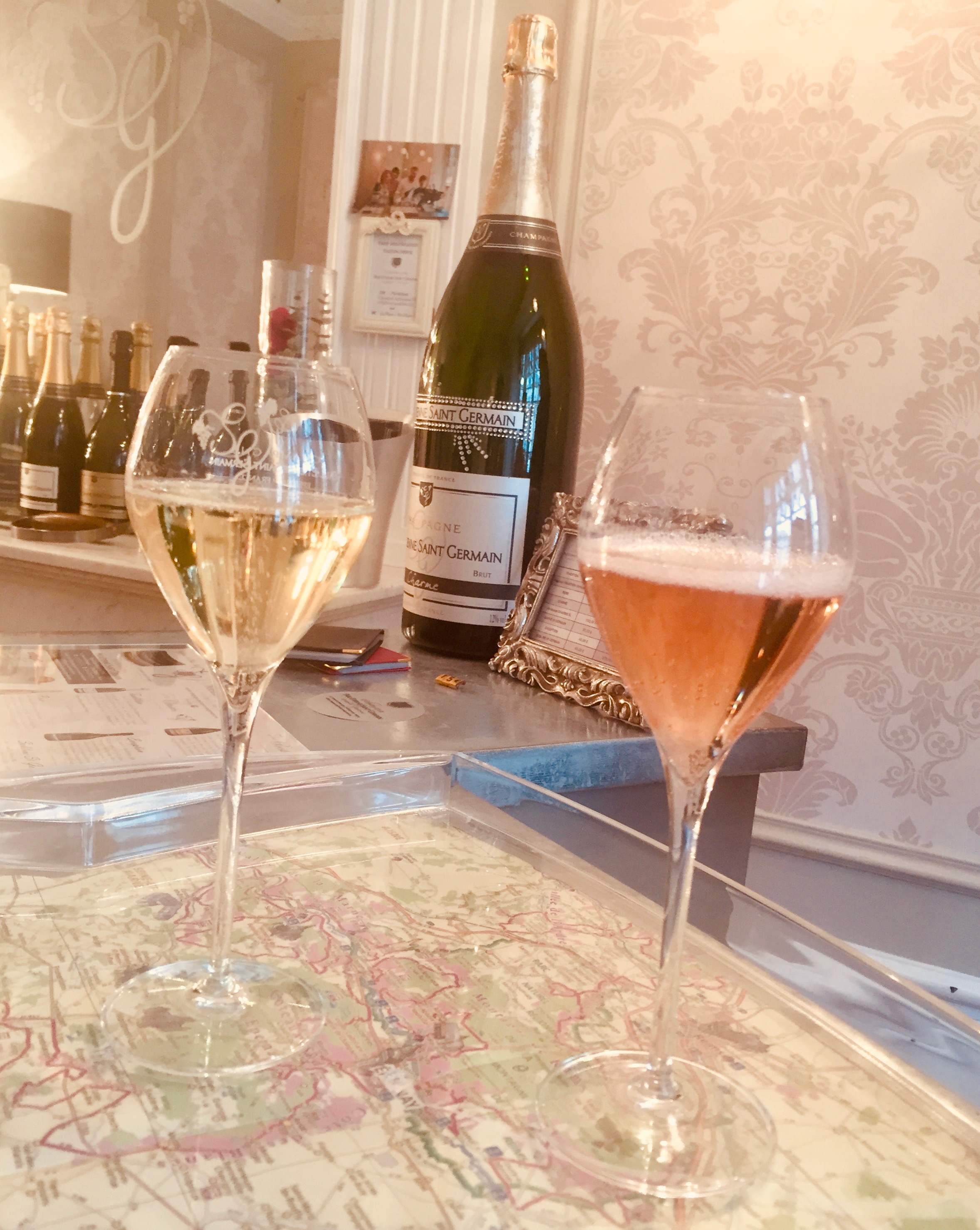
My two favorite houses were Collard-Picard and Paul Etienne Saint Germaine. Both houses are small and quant and can only fit a hand full of people at a time. Lucky for me, I was there slightly off seasons and did not have to fight the normal crowds. Both houses offer two different tastings of three types of champagne, to include a Rosé that turned out to be my favorite tastings of the day of the day. I bought a bottle at both spots to enjoy this summer!!