10 Etiquette Tips for Japan: First time visitor guide

10 Etiquette tips for Japan

Proper manners are important when visiting Japan and are widely practiced in the culture. Here are 10 etiquette tips for travel in Japan to keep you from committing a faux pas.

Tip 1: Greetings

Shaking hands is not common in Japan. Instead, people bow. Bowing is not only used as a greeting, but as a sign of respect in many situations. The deeper the bow, the more respect one is displaying. Small nods with the head are seen as casual and informal, but completely alright for foreigners.

Tip 2: Eigo o hanashimasu ka? (Do you speak English?)

Many Japanese people speak some English, but it is not widely spoken and you should not expect everyone to understand you. It goes a long way to learn a few Japanese words to help you along your travels.

Tip 3: Slurp Slurp (Eating noodles)

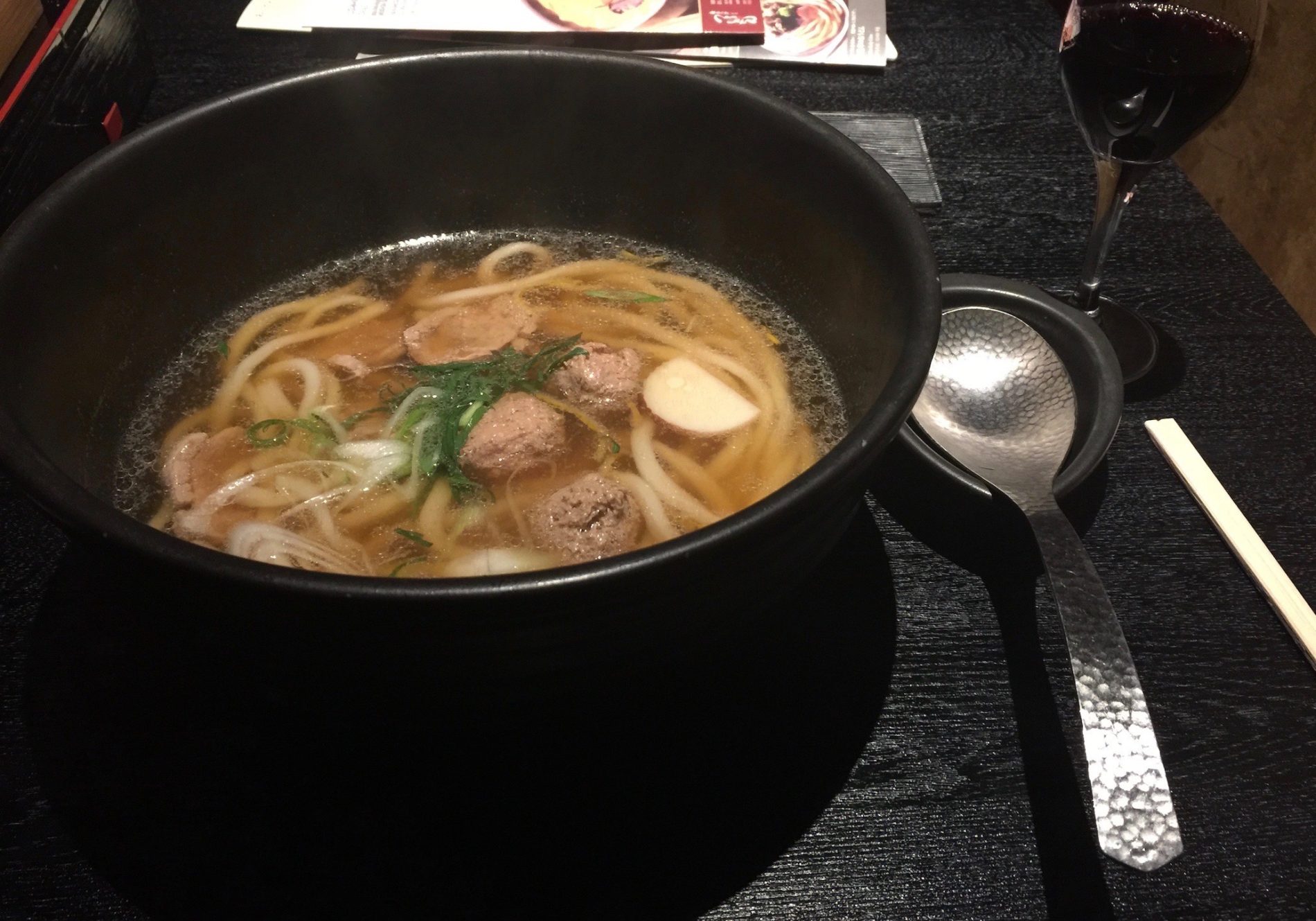
Noodles are everywhere in Japan. A cheap and quick meal that never disappoints. Slurping while eating noodles is common practice and expected. I have heard that it is customary to swallow your noodles whole, which I did not. But I probably also took longer than the average person from Japan to finish my meal.

Tip 4: Chopsticks

I tried so hard to handle chopsticks like the locals. This included me staring at people’s hands constantly to mimic how they properly positioned the chopsticks between their fingers. I FAILED!! However I did learn:

  • Never point chopsticks at another person
  • Use the opposite side of your chopsticks for communal eating
  • Do not pass food from chopstick to chopstick
  • Do not stick chopsticks into a bowl of rice
  • When not using your chopsticks, they remain horizontal in front of your plate vs vertical like you would place a fork.
10 Etiquette tips for Japan

Tip 5: Paying for goods and services

It is very rare to pass money or credit card by hand to pay for goods or services. You should place your payment in a tray that will be placed in front of you instead.

Tip 6: Tipping

Tipping is not practiced in Japan and generally will not be accepted if you leave one. It is okay to tip guides, but always place the tip in an envelope before passing it to them.

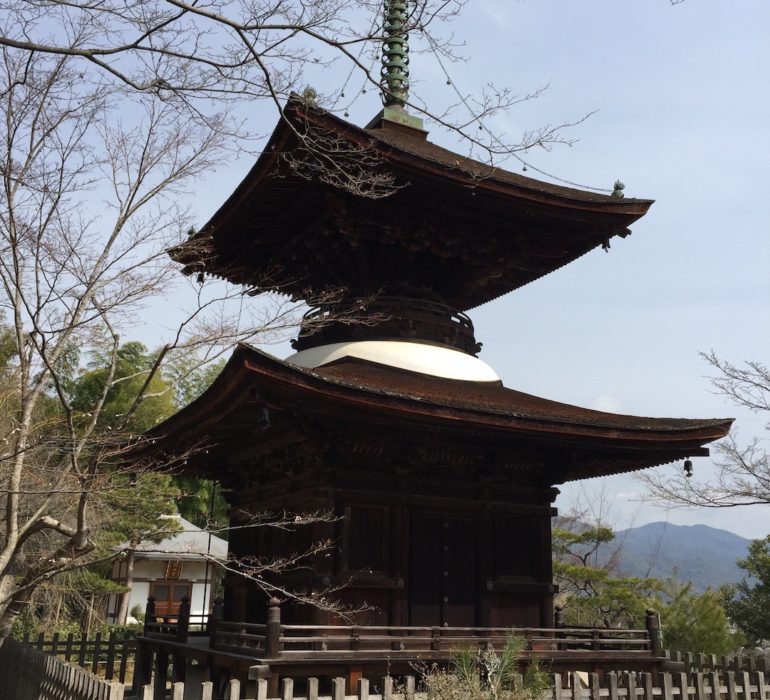
Tip 7: Visiting Shrines

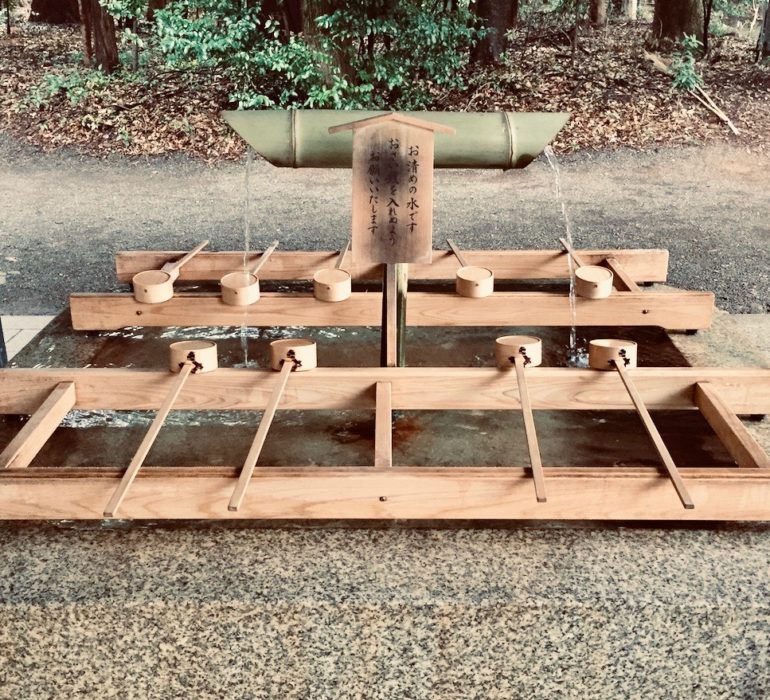
Shrines are a large part of the Japanese culture, so approach them with respect. It is customary for people to stop at the purification fountain before entering the shrine. If you want to purify yourself, there are several steps to doing it properly. If you are worried about being disrespectful, you can just watch to see how it is done.

Tip 8: Take off your shoes

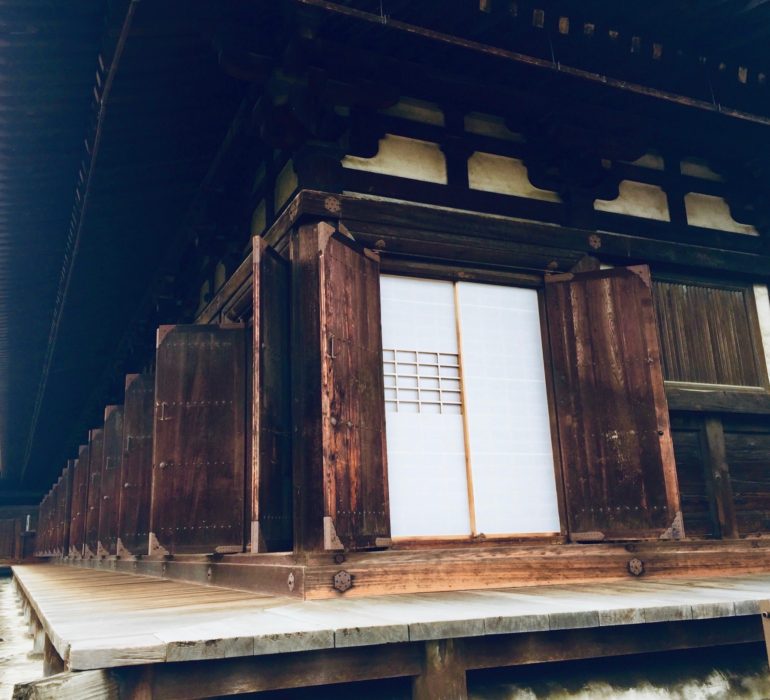
You must remove your shoes if you are entering a shrine or temple, Japanese homes, and traditional Japanese hotels. If you are uncomfortable with bare feet in strange places as I am, keep a pair of clean socks without holes with you at all times. Where required, shoe removal is nonnegotiable.
Tip 9: Baths and Hot springs

Hot springs (Onsen) and bath houses (Sento) are very traditional aspects of the Japanese culture, and are interesting and relaxing experiences. I have only visited an Onsen, in which bathing tooks place outside, and had Mt. Fuji as the backdrop!

  • You must clean yourself before entering an Onsen or Sento
  • Bathing suits are not allowed
  • Tattoos are generally not allowed as they are associated with criminal activity
  • You will be given a small towel, which most people put on their heads while soaking. You should refrain from putting it in the water.

Tip 10: Public Spaces

Speaking on the cell phone on public transportation is not common and considered rude. It is also common to wear face masks in public. While the most common reason is to keep from passing sicknesses, a Japanese guide told me that some women wear them if they have not had the chance to put on makeup or if they are shy.

Either way, it is rude to blow your nose in public, and I swear I did not see a single person cover their mouths when they sneezed or coughed in the two weeks I was in Japan. So maybe the mask is the way to go!
10 Easy Tips for Travel in Japan

10 Easy Tips for Traveling Japan

Traveling in Japan is much easier than expected and you can get lost in the many cultural surprises you will discover along the way. Let us first start with some 10 easy travel tips for travel around Japan.

Many travelers are not planners and like to remain flexible. However, I recommend planning at least a few things and becoming familiar with Japan before you depart for your trip. This will make it easier and less expensive after you arrive.

10 ETIQUETTE TIPS FOR JAPAN: FIRST TIME VISITOR GUIDE

Easy Ways Getting Around

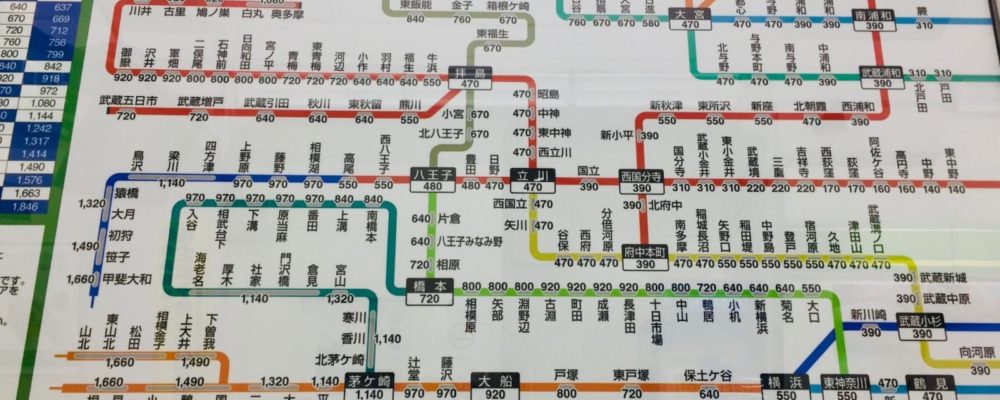
Taxies are insanely expensive in Japan, so the train and subway are best ways to get around. The rail and subway systems are massive, and some of the stations do not have English translations of the train lines. I recommend either stopping at the JR East Travel Service center in the Narita Airport before heading into the city. You can also order or print maps of the cities you plan to visit ahead of time, which you should definitely do for travel outside of Tokyo.

The rail and subways in Tokyo are like underground cities and are the busiest in the world. Over a million plus people transit some of Tokyo’s stations each day. These are no ordinary train stops, where your only options are to go left or right when exiting.

One of Japan’s largest station, Shinjuku Station, has 200 exits. It is important to have an idea of where you need to end up. Citymapper will give you step by step instructions on how to plan your trips, to include telling you what part of the train you should get on and which exit to take out of the train station to get to your final destination.

Trains arrive and depart exactly when they are scheduled too! If you are late even by 30 seconds, you risk missing your ride.

East Navigating Japan Subway

JR Rail Pass

If you are going to be in Japan for several days, I highly recommend purchasing a Japan Rail Pass. It is a multi-use, discounted ticket for travel on all JR national trains in Japan. The pass includes the Shinkansen bullet trains you take to get around the country. It is a much cheaper way to get around and will save you LOTS of money. Just to paint a clearer picture, a 7 day pass cost me the same amount as a one round trip ticket between Tokyo and Kyoto.

The pass is only available for foreigners and you must purchase it before arriving in Japan. There are options for 7, 14, 21 consecutive days of travel. It takes about 2-3 days for the pass to arrive at your mailing address. I recommend giving yourself some extra time to receive it.

You can validate your pass at the JR East Travel Service Center at Narita airport when you land as well as other areas round the country.  The clock starts on the pass after you use it for the first time.

Subway/Metro

You cannot use the JR rail pass on the Subway in Japan, but it’s relatively inexpensive to ride. Tokyo offers a 24, 48, 72-hour metro tickets that are only sold to foreigners. Starting price is less than $8.

Google Maps/SIM cards

If you have an unlocked phone, you should buy a SIM card at the airport. Having the ability to easily use the internet and Google Maps during your trip will make life much easier (Prices start around $30).

You can order a SIM card before your trip, but I like to buy it in country to to ensure I get what I paid for.  If buying a SIM card is not an option, I recommend downloading Google Maps to use offline or renting a pocket WIFI router. There are many places where you can purchase one.

Book a Tour

Navigating most new cities can be difficult not matter the country, but it can be even harder when part of the population does not speak your native language. While getting around Japan, I exclusively used the JR and Subway systems, but when I wanted to visit a site and learn more about the location, I booked tours through Viator.com, tokyotravelpal.com,  and getyourguide.com

Be on time!

The Japanese are very punctual, more so than in any other country I have traveled to. No matter what you are doing, you need to be on time so you do not miss out. Trains arrive and depart exactly when they are scheduled. Also, tours will start exactly on time. I was five minutes late to one tour because I took the wrong exit out of a subway stop and had to walk a half of a mile to get to the right destination. The tour group left me and I had to spend the next hour catching up with them. Also, the Japanese just consider tardiness to be rude. So, do not be late!!

Where do I put my trash?

I was completely surprised that I could not find a single trash can in public. Okay, there are a few, but they are hard to find. The most stated reason for the lack of trash cans is because of the coordinated terrorist attack on 20 March 1995.  A deadly sarin gas was released into subway trains in Tokyo.

No trash cans also means there are no paper towels to dry your hands in bathroom. Where to dispose of them? You should keep a small plastic bag with you for your trash and a few hand wipes without during your trip.

Speaking of toilets…

There are different types of toilets in Japan. The Japanese style toilet, which is low to the ground, modern toilets, and high tech toilets with heated seats. The trick is that you may stand in the bathroom stall scratching your head trying to figure out how to flush them. It is not always obvious and there were a few times I just walked away.

Best Time to Go

You can visit Japan anytime of the year, but when you chose to go all depends on why you are going and what you want to see. I have several bucket list items to check off in Japan and I have completed most of them, but timing is everything and I was unable to do them all in one visit.

March-May and September-November are the best times of year to visit because you can see the beautiful cherry blossoms bloom in the spring and the changing of the leaves in the fall. But, don’t forget about Japan’s ski slopes and beaches.

Sumo wrestling matches happen throughout the year in different parts of the country. But, tickets for big tournaments sell out fast and it takes planning to attend.

Where to Stay

You only need one to two days in most of Japan. It is easier to base in one or two cities and then use your JR pass rail pass to get around to other parts of the country. I chose Tokyo and Kyoto. There is some debate over whether it is better to base in Osaka or Kyoto. I think Kyoto is quieter and has the old world charm. That is why many people are drawn to Japan in the first place.

There are so many options to chose from when determining where you will stay in Japan from traditional Japanese hotels called Ryokan to modern hotels. 

Personally I have grown quite partial to Airbnb, especially since I was in Japan for two weeks, which I booked for my stays in Tokyo and Kyoto. There are generally hundreds of options. In Tokyo, I recommend that you stay near one of the larger subway stations. This will help save time getting around the city.