Traveling as a Black Woman

Black girl travel

I absolutely love to travel.  When I boarded a plane for my first overseas trip in 2000, I had not considered what it meant to travel as a black woman. As a matter of fact, I did not consider it at all until years later after I had visited several countries. I was naive to think that the rest of the world would see me differently than how all races, including my own, viewed me in the United States. I would later discover that when I crossed international waters, I did not leave behind the rank I was born into as a black woman in the US or the outward racism that black and brown people face every day. During my travels, sometimes being an American trumps being black, but my blackness is the first thing people see. So, it is the first thing people judge me on.

Since my first trip, travel has become my passion and in one way or another it has taken up a lot of space on my bucket list. Before COVID-19, I traveled to a new country every year. And, with age and experience, every time I set foot on foreign soil, I have a few things running in the back of my mind. How will they receive me as a black woman? What will they think of me? And, will I be uncomfortable for the duration of my trip?

Why now?

You may be wondering why am I talking about this subject now, especially since my blog is focused on my bucket list and solo travel experiences. With everything going on in my country concerning race, it is hard to stay silent about how race has impacted my travels. While the dominant race in the US has a long history of trying to keep everyone in their place, almost every country has also had some sort of system to rank its people. In many ways, those systems may not be visible to those who are not regularly affronted by it, but they are there. For that reason, I am sharing my travel experiences through perspective. I want to highlight that there are constant reminders about where people THINK you should stand or rank in society no matter where in the world you are.

[penci_fancy_heading _text_align=”left” p_title=”Black Girl Meets The World” _title_typo=”font_family:Simonetta%3A%22regular%2Citalic%2C900%2C900italic%22|font_style:400%20regular%3A400%3Anormal” _title_fsize=”35px” _subtitle_typo=”font_family:%3A” _desc_typo=”font_family:%3A” title_color=”#000000″]How I have felt during my travels is not something I have even talked about with my friends or family. The fact that I do not get to shed my skin color when I board a plane and cross borders and international waters, not that I would want to. I truly believe that there has not been a single continent that I have planted my feet on where my color was not part of the discussion or highlighted. Here are a few of my experiences of what traveling as a black woman has been like for me.[/penci_fancy_heading]

Africa

Black girl travel

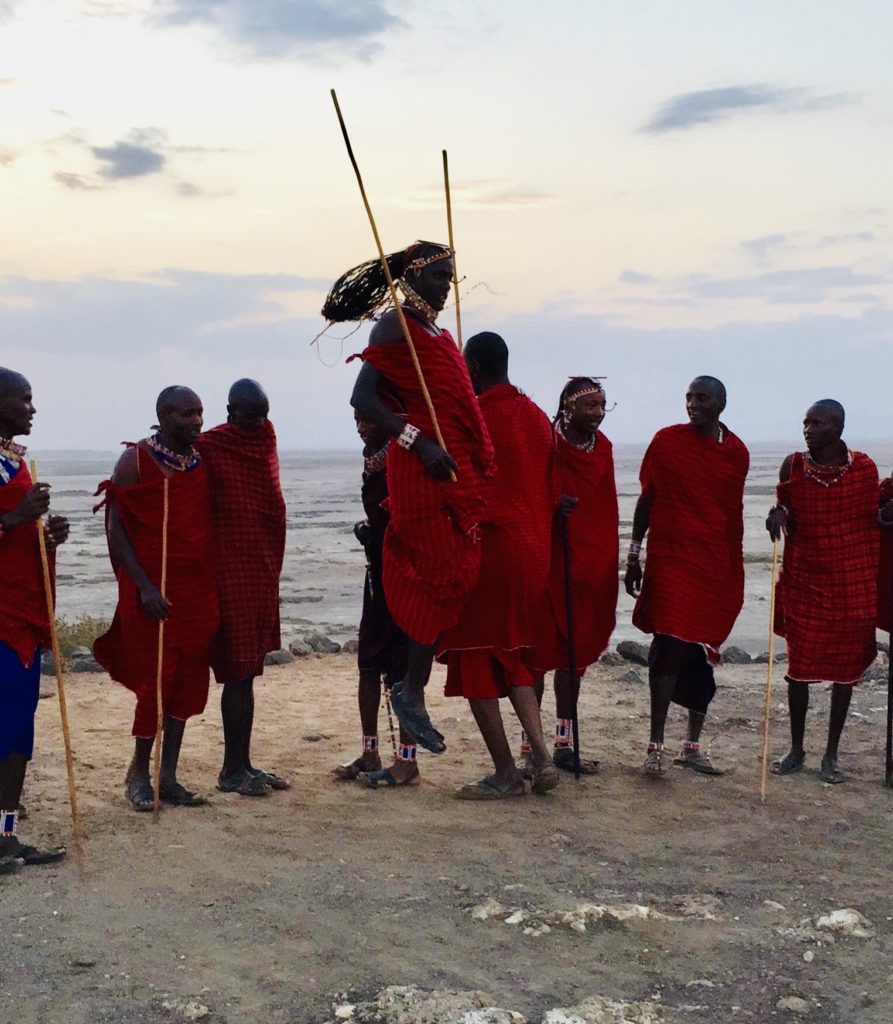
Sundowner at Amboseli National Park

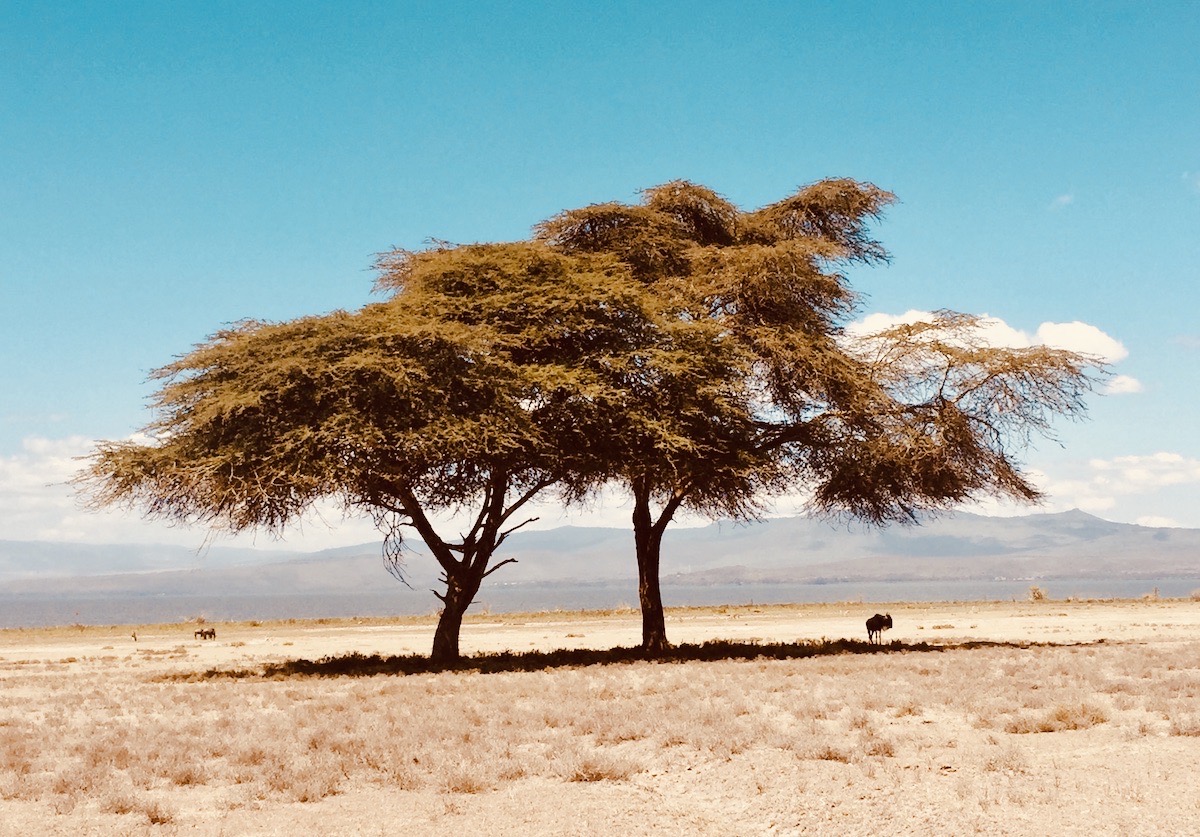
I had the privilege of living in Africa for a few years and I have been to at least a dozen African countries. My most troubling experience traveling as a black woman has been in Sub-Sahara Africa, particularly in Kenya where I have spent a considerable about of time. I first want to say that I loved my time in Kenya. It is one of the most beautiful countries on the planet. And, I would return anytime I had the chance.  However, this country still has a considerable amount of European and Indian ex-pats. Many of whom treat the Kenyans poorly or in a belittling manner.

In general, I blended in well into Kenyan society as long as I kept my mouth closed. So, ex-pats were always shocked when I rejected how they treated me or even called them out for their behavior. Kenyans are a strong, hard-working, and successful group of people. So, I am generalizing when I say that it is sad to see Europeans and Asians treating such amazing people as only worthy of serving others in their own land. I certainly did not appreciate Kenyans and ex-pats alike generally assuming that I was the driver, maid, or domestic help. I think that is a dark reflection of colonization.

South Africa has its own troubled past with decades of Apartheid. During my travels there, my skin color prompted a deep conversation with some South Africans who wanted to make sure I understood the difference between colored, an acceptable term in South Africa, and black people. I am not exactly sure what were their intentions. But, by definition, they were colored and I could not help but feel like they were trying to make sure that I understood my place in South African society.

Asia

I have had mixed experiences as a black woman in Asia. Asian societies in general are more homogenous. So the few times I have traveled to Asia, I have expected the worst. Most of my worries did not come to fruition, but I think that was probably because cultural norms would not have allowed for it. And, while I am sure that Afro-Americas vacation, work, and live in Asia, I assume it is not at all on the same level as in Europe. It definitely seems like an anomaly for Asians to see people of color walking their streets.

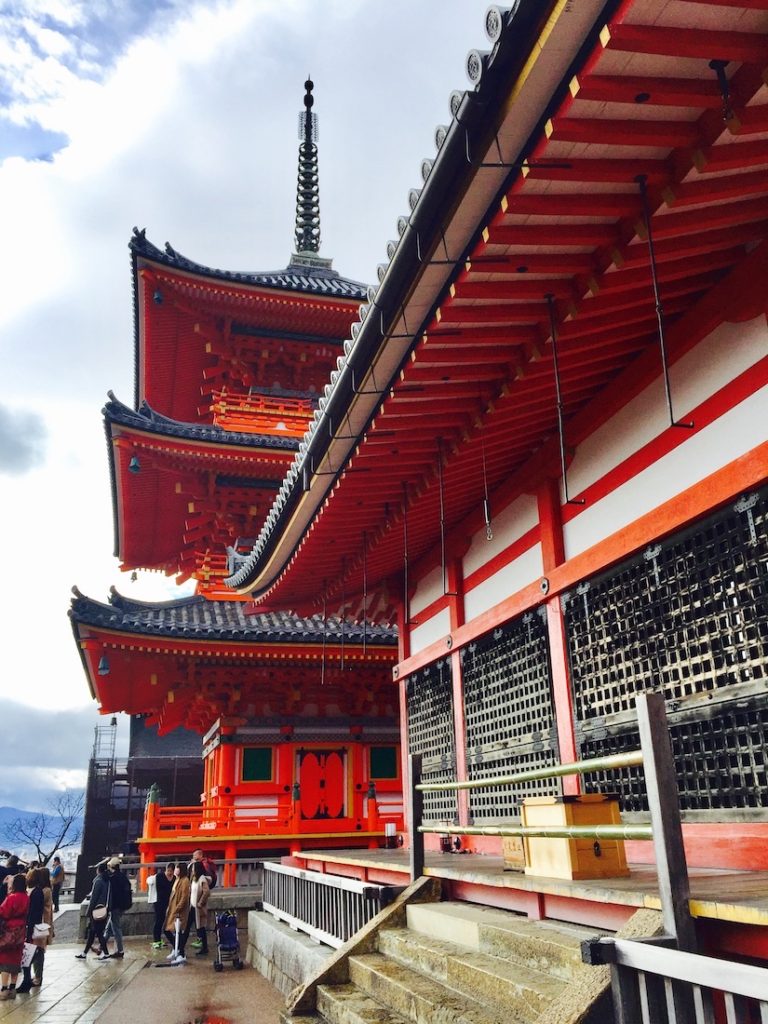
I was most terrified to travel to Japan. Particularly, I thought I would feel out of place or be the center of negative attention. Japan is a very artistic and colorful country, but you cannot always tell. Walking down the street, no matter rain or shine, you will see a sea of people dressed in dark clothes, with dark hair, and umbrellas with one of three colors. I had heard stories of Japanese restaurants turning people away because they were black. So, I begged people to go with just because I was afraid people would treat me the same. However, Japan was awesome. If people felt any negative thoughts towards me, they kept them to themselves. My natural hair fascinated and amazed them, but I could understand why. Natural hair IS amazing.

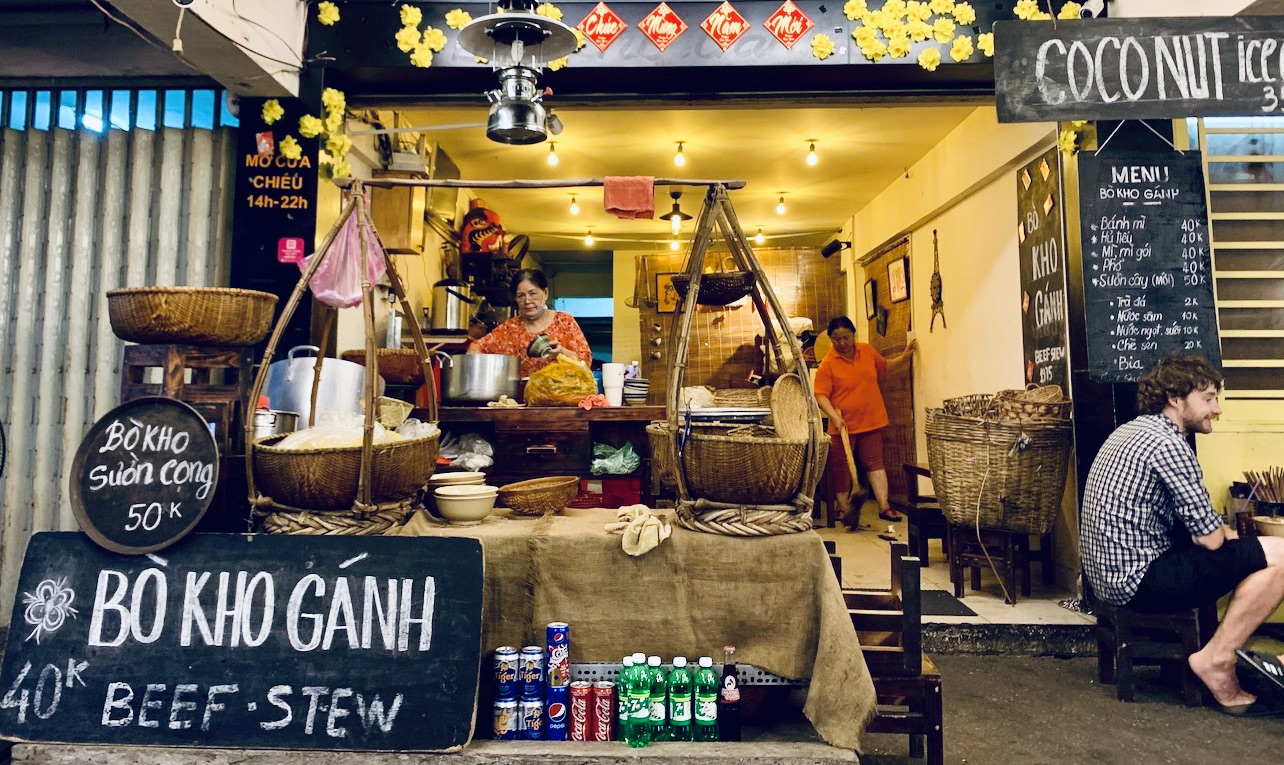
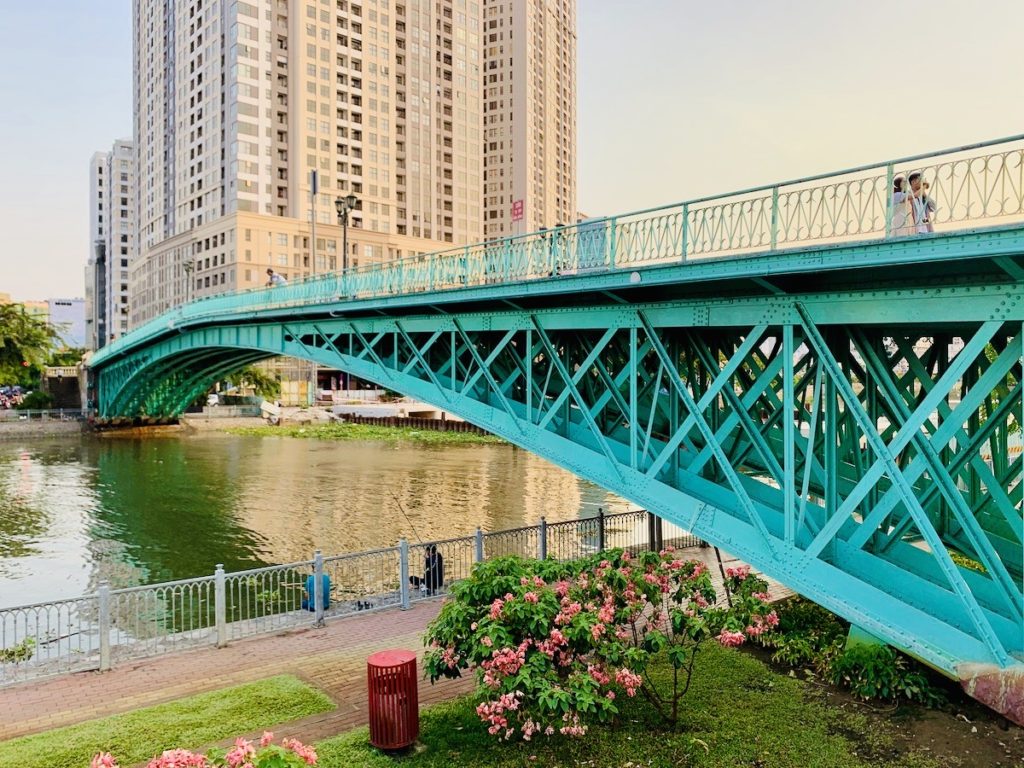
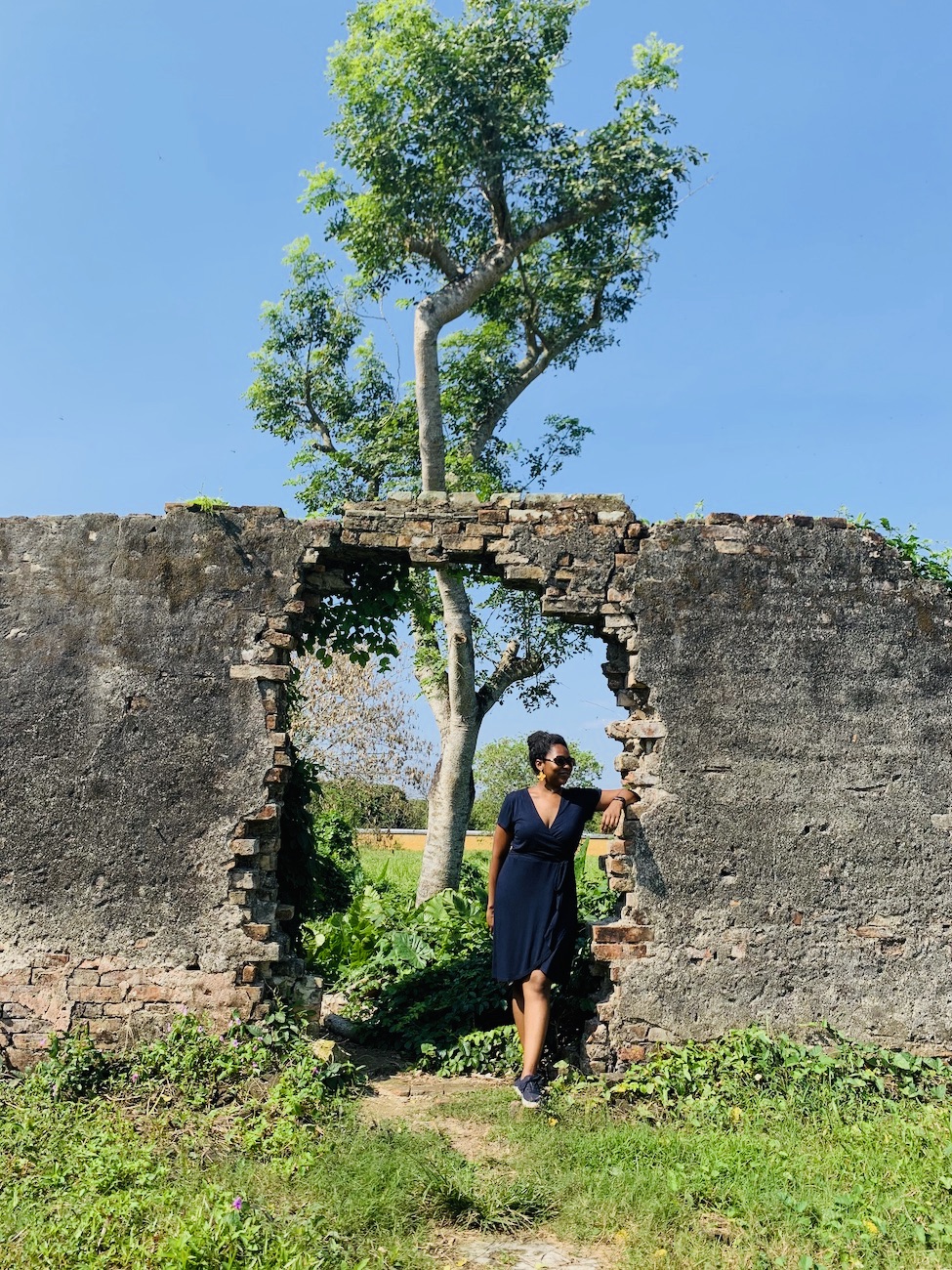
My experience of traveling as a black woman in Vietnam was slightly different. First, I want to say how much I enjoyed my travels in Vietnam. I based in 4 cities and each place was cool and had their own unique twists. My friend, who is white, traveled with me. She is a fantastic travel partner and this was our third trip together. But, I am the planner and she is more of a fly by the seat of her pants kind of person. So, I planned, booked, and paid for the entire trip. That meant everything was in my name, yet somehow that did not matter.

The Vietnamese deferred to her almost everywhere we went. It did not matter where or the context. If I asked a question, they turned to her to answer it. And, if I asked for the bill at a restaurant, they brought it to her. We started to make a game out of it just to see what would happen.

My skin color was also the topic of a few conversations. Some described my skin color as “strong,” which I took as a compliment. While others talked about not wanting to get dark in a slightly embarrassing way. I really did not let any of it bother me, but I think it is a shame to have these experiences halfway around the world. Even if to some, these experiences seem insignificant,
Black girl travel

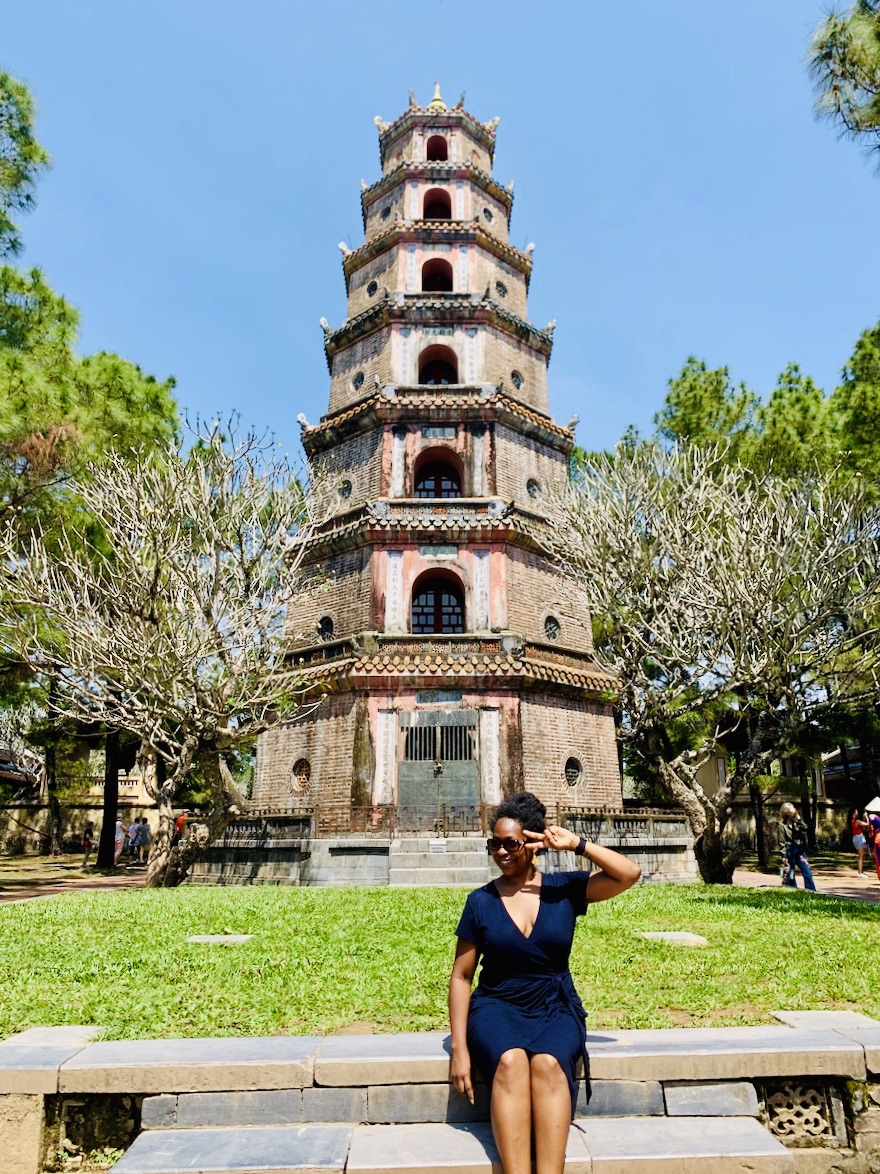
Thien Mu Pagoda, Hue, Vietnam

Europe

Black girl travel

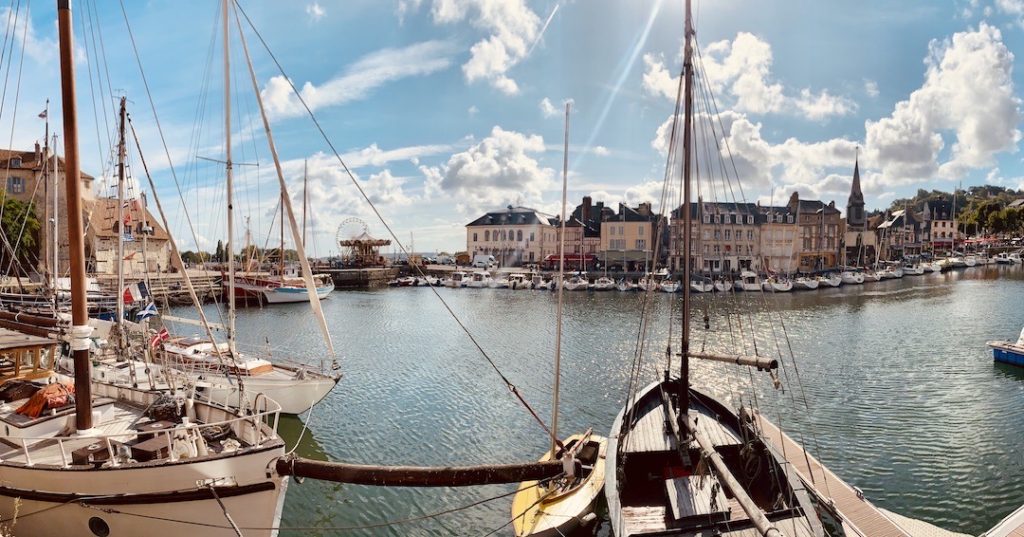
Honfleur, France

Traveling as a black woman in Europe has been varied. I have visited the continent more times than I can count on my hands twice over and I love it. However, our European friends are the cause of a lot of racism around the world. Their ties to and their implementation of slavery around the globe are unmistakable. They have purposefully divided tribes, mistreated dark-skinned people, and pitted neighbors against each other. These actions have left its mark on Europe too.

Discrimination is real and overt in many European nations. However, the only place in Europe where I have really felt out of place was in Croatia. I spent two weeks in that beautiful country and they reminded me every day that I was black. I understand that not many black people live or vacation in Croatia, but it was a bit much. People called out to me on the street, pointed at me, and whispered as I passed by. There was not a single day during my two-week trip where Croatians did not harass me because of my skin color. It was exhausting.

South America

The last experience about traveling as a black woman that I want to share is in South America. To be honest, it has been six years since I last visited South American. The continent is full of brown and black people. So, one would assume they are more open to and accepting of people of color. As a matter of fact, many people from South America would claim that racism is only a problem in the United States. Instead, I believe racism is slightly muted and takes on a sometimes less overt form.

In some countries, there is certainly a distinction between whites, Mestizos and Morenos. I spent two months in Chile several summers ago. Okay, I was in college, so it was many summers ago. I was poor and the place I had planned on staying at for the duration of my trip fell through. So, I not only had to find a place to live but a job to pay for that place.

I was shocked that Chileans required people to include a picture of themselves on resumes. That made it easy for them to discriminate against people based on looks, to include the color of one’s skin. I had to find a job where they paid me under the table to teach English to kids. Two of the kids were from Bolivia and were the same skin color as me. The Chilean boys picked on these two Bolivian boys all the time, calling them ugly because of their skin color. Besides those poor Bolivian kids, other Afro-Americans, who spent significant time in Chile, and I were picked on in one way or another.
black girl travel

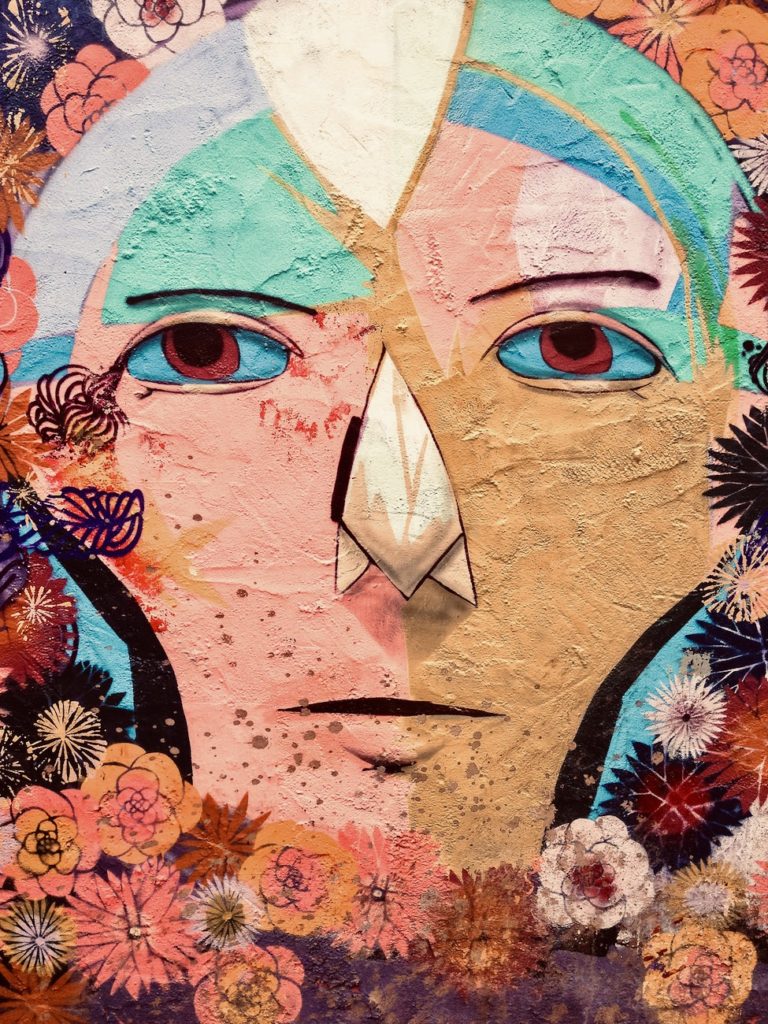
São Paulo, Brazil
[penci_fancy_heading _text_align=”left” p_title=”My love for travel continues” _title_typo=”font_family:Simonetta%3A%22regular%2Citalic%2C900%2C900italic%22|font_style:400%20regular%3A400%3Anormal” _title_fsize=”35px” _subtitle_typo=”font_family:%3A” _desc_typo=”font_family:%3A”]These are just a few of my experiences. I would like to reiterate that I am writing about this topic at this time because of what our nation is going through at this moment. Race issues are not a new phenomenon. But instead, I think it is important to note that the entire world suffers from some form of us versus them mentality. It is becoming harder to ignore our pasts. We should not let this moment pass without choosing to do something different. Especially, when the world is paying attention to things they have thought little about before.[/penci_fancy_heading]

Coffee in Vietnam: My Favorite Cafes

Coffee in Vietnam

Coffee in Vietnam! I know it may be strange to have coffee in Vietnam listed on my bucket list. Let me first start by saying that I love a nice, hot cup of coffee almost every morning. Black! No sugar, no milk. I will admit that from time to time I enjoy coffee iced, frozen, or with milk as a treat. There is something so fulfilling and relaxing about opening a bag of coffee beans and breathing in the aroma. To then grind those beans and make a perfect cup of coffee can be even more satisfying. No matter what I am doing,  a cup of coffee makes me feel relaxed and I love it.

After doing a couple of food tours in Vietnam, I was so happy to discover that coffee in Vietnam is huge. The coffee culture is so strong that it is hard to walk down any busy street without coming across several cafes. I guess I should not have been so surprised since the French left their mark and its cafe culture in Vietnam after 100 years of occupation. As part of my bucket list food adventures, I had planned to do a coffee tour in Vietnam. However, due to the coronavirus, my tour was canceled. I was grateful that the tour company provided me a list of cafe shops we would have visited, told me what to order, and gave me insights on the coffee.

Traveling to Asia During Coronavirus

Coffee in Vietnam is definitely a treat. The cafes all over the country serve so many different types of coffee. The most traditional coffee in Vietnam is strong, made with Robusta beans, and served with condensed milk. However, even with condensed milk, the coffee still has a very strong flavor.

The coffee is unique because of the technique the Vietnamese use to make it. A small stainless steel filter makes all the difference. They are relatively cheap and if you purchase coffee beans in Vietnam, I highly recommend that you grab a filter at the same time. If cheap kitchenware is not your style, you can also buy colorful ceramic filters too. With so many cafes sprinkled throughout the country, here are a few of my favorites where I think you can find some of the best coffee in the country. 

Coffee in Vietnam

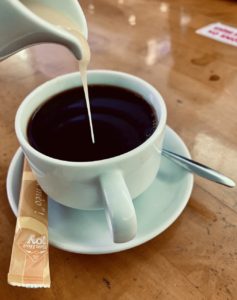
Coffee with condensed milk

[penci_fancy_heading p_title=”Cafe Dinh” _title_typo=”font_family:Simonetta%3A%22regular%2Citalic%2C900%2C900italic%22|font_style:400%20regular%3A400%3Anormal” _title_fsize=”35px” _subtitle_typo=”font_family:%3A” _desc_typo=”font_family:%3A”]

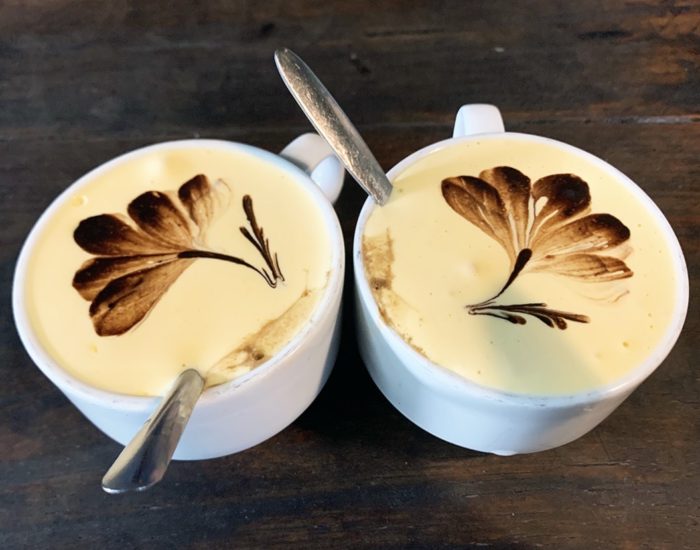
Cafe Dinh is in Hanoi’s Old Quarter and has some of the best egg coffee in the city. The cafe is in a hole in the wall and it is impossible for tourists to find unless they already know what they are looking for. You have to enter a dark alley and climb a flight of stairs before you reach the cafe. You may at first be frightened, but push past that fear because you will be rewarded with one of the best cups of coffee in the city. 

Some will say that this cafe is a tourist trap and no local would ever visit. But, I found that to not be true. I went to this cafe a few times and I did not see a single tourist in sight. The cafe itself is dark and the atmosphere feels old world. I just imagine that it was once a place packed with artistic or hip people of the day. I will warn you that smoking is allowed, which is the only downside to this place. 

[/penci_fancy_heading]

coffee in vietnam

Egg Coffee

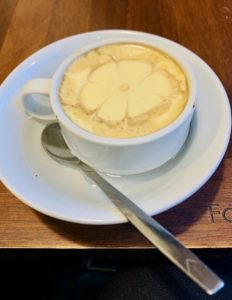
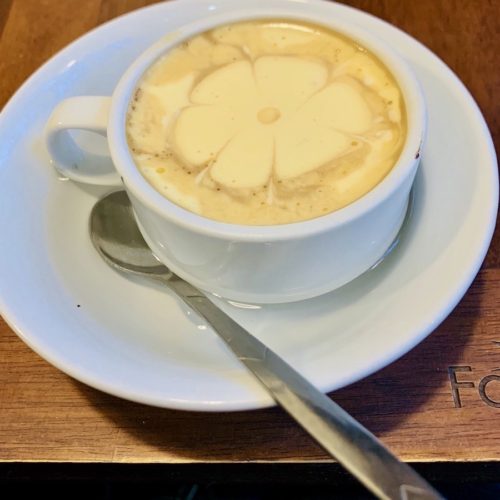
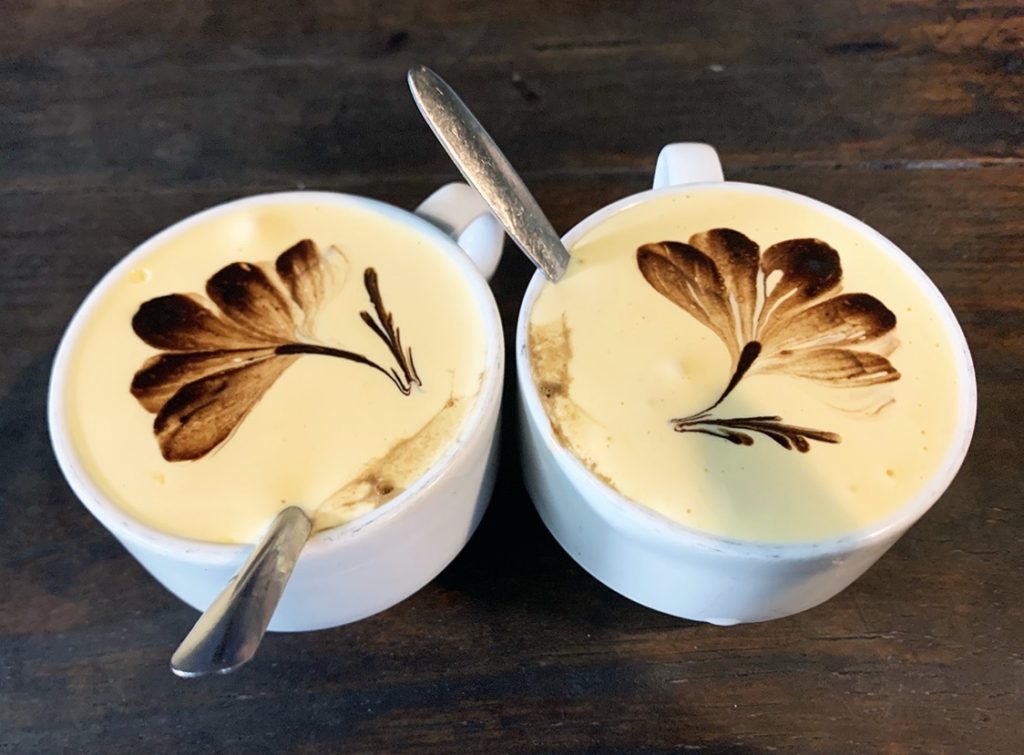
As for the most important part, the egg coffee, it is simply delicious. This specialty coffee originates in Hanoi and is the best city to try it. You may be wondering what in the world is egg coffee? The Vietnamese prepare it with robusta coffee beans, egg yolk, condensed milk and sugar. They beat the egg yolk with sugar and coffee until it makes a sort of fluffy custard. Many people serve it in a bowl of warm water to maintain the temperature of the coffee, but Cafe Dinh does not use that method. I was nervous to try it, but it is the most unique and yummy type of coffee I have ever tasted. 
[penci_fancy_heading p_title=”Hanoi Egg Coffee” _title_typo=”font_family:Simonetta%3A%22regular%2Citalic%2C900%2C900italic%22|font_style:400%20regular%3A400%3Anormal” _title_fsize=”35px” _subtitle_typo=”font_family:%3A” _desc_typo=”font_family:%3A”]

My second favorite cafe for egg coffee in Vietnam was at Hanoi Egg Coffee. While the name of the cafe may not be original, they serve one of the best egg coffees in the city. This tiny cafe also serves several types of rice wine and snacks like bahn mi. The reason why this cup of egg coffee was beat out by Cafe Dinh, is because I think it’s a tad too sweet for my liking. The Vietnamese use A LOT of sugar in their cuisine and there is no exception for coffee. 

[/penci_fancy_heading]

vietnam_hanoi

Egg Coffee

[penci_fancy_heading p_title=”Loading T Cafe” _title_typo=”font_family:Simonetta%3A%22regular%2Citalic%2C900%2C900italic%22|font_style:400%20regular%3A400%3Anormal” _title_fsize=”35px” _subtitle_typo=”font_family:Simonetta%3A%22regular%2Citalic%2C900%2C900italic%22|font_style:400%20regular%3A400%3Anormal” _desc_typo=”font_family:%3A”]

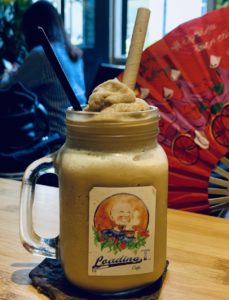
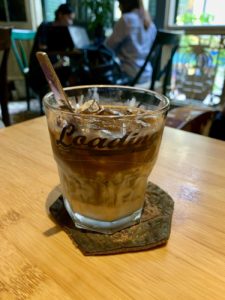
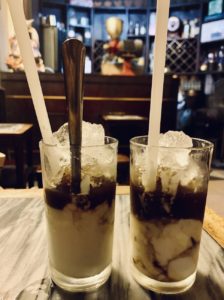
Loading T Cafe in Hanoi is a cute French inspired cafe in the middle of the Old Quarter. While I enjoyed drinking egg coffee a several cafes in the city, I definitely loved the coffee at Loading T the most. They roast their coffee beans with cinnamon sticks, which makes for a very unique and delicious flavor. I tried their regular iced coffee with condensed milk and a frozen coconut coffee. I have never said yum so many times while sipping coffee. If I had spent any significant amount of time in Hanoi, I would have visited this cafe time and time again. Definitely some of the best coffee in Vietnam. 

The ambiance of the cafe adds to the entire experience of having a delicious cup of coffee in Vietnam. Loading T is on a small side street in Hanoi. The yellow building looks like something out of an old century story. The cafe is on the top floor and is cute and quaint. French music is softly playing in the background. There are a few cozy tables spread throughout the space. It is inviting and relaxing. 

[/penci_fancy_heading]

Coffee in Vietnam

Frozen Coconut Coffee

Coffee in Vietnam

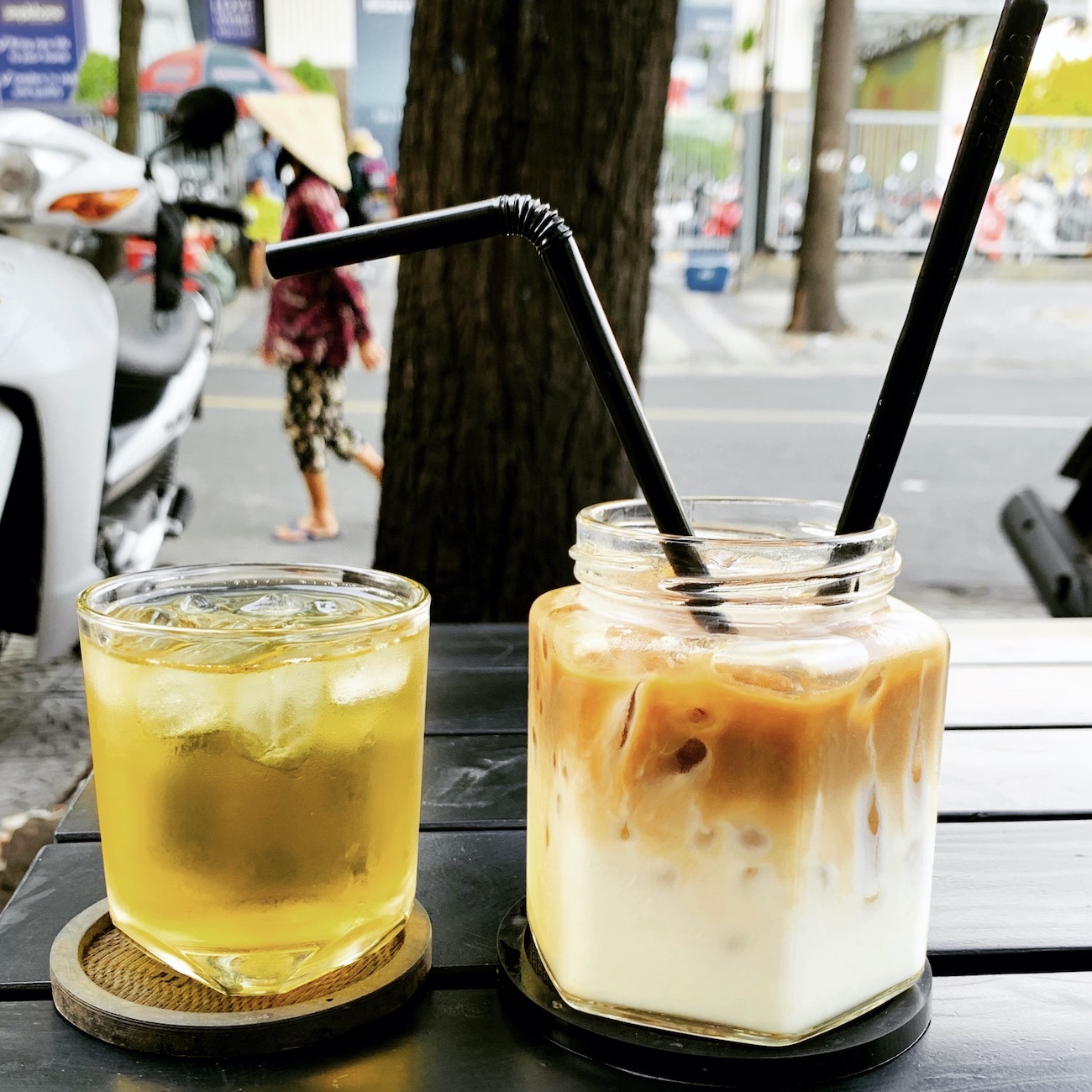
Iced Coffee with Condensed Milk

Coffee in Vietnam comes a variety of styles. If what I have mentioned does not sound appealing, then you can also try Vietnamese drip coffee without condensed milk, black iced coffee, fruity coffee, and yogurt coffee. Of these choices, I tried yogurt coffee. It was not horrible, but not my favorite type of coffee in Vietnam. The creamy constancy of yogurt in iced coffee was not that appealing. But, it is worth trying. If you are up for being adventurous, then you should also try weasel coffee. What is weasel coffee? Essentially, it is when weasels have digested and pooped out coffee beans. They sell it throughout Vietnam.

Coffee in Vietnam

Coffee with yogurt

Food Tours in Vietnam: A Foodie’s Bucket List

Vietnam Food Tour

Food tours are a must when I travel to any country for the first time and Vietnam was no exception. Food is one of the main reasons I get excited about traveling. I must admit that I love to eat. When I am at home, I spend hours in the kitchen trying to recreate dishes I have tasted around the world. I particularly enjoy Asian food. So, I did a lot of research on Vietnamese cuisine before my first trip to Vietnam. Even if you have a lot of time to explore Vietnam, it will be hard to taste all of the must eat Vietnamese cuisine during your trip. I found the best way to eat my way through the country and to taste all of the traditional and unexpected foods was to by taking a couple of food tours during my trip. 

Vietnam Travel Tips: Things You Should Know

[penci_fancy_heading _text_align=”left” p_title=”Why A Food Tour in Vietnam?” title_tag=”h6″ _title_typo=”font_family:Simonetta%3A%22regular%2Citalic%2C900%2C900italic%22|font_style:400%20regular%3A400%3Anormal” _subtitle_typo=”font_family:%3A” _desc_typo=”font_family:%3A”][/penci_fancy_heading]

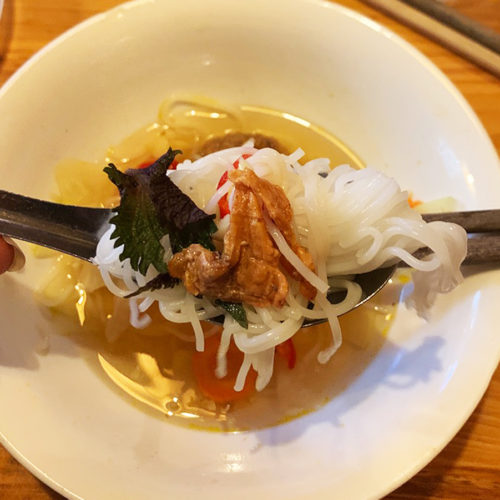
As with most food tours, the tour in Vietnam is not just about stuffing yourself silly. Food Tours in Vietnam give you the chance to learn a lot about the people, culture, a little bit of the language and something about the various regions in the country. Vietnamese consider their food to be a reflection of their values. To find the balance that is good for the body. No matter the region, you will certainly hear the Vietnamese talk about a balance of flavors and temperatures to make up the best dish. They really focus on the six senses as well as food texture. It is very fresh and meats are not cooked for a long time. Lots of vegetables and herbs accompany each dish. 

Food, even the same dish, varies by region. So, doing multiple food tours throughout Vietnam is worth it. I found that all Vietnamese food had more sugar in it than I normally eat.  But, the flavor and spices in food changes as you travel from the north to the south. With the north making more “bland” dishes, the central part of the country makes more spicy food, and very sweet dishes are served in the South. 

15 Things You Must Do In Thailand

Vietnam Food Tour
Vietnam food tour
[penci_fancy_heading _text_align=”left” p_title=”In Which City Should I do a Food Tour?” title_tag=”h6″ _title_typo=”font_family:Simonetta%3A%22regular%2Citalic%2C900%2C900italic%22|font_style:400%20regular%3A400%3Anormal” _subtitle_typo=”font_family:%3A” _desc_typo=”font_family:%3A”][/penci_fancy_heading]

If you get to spend a lot of time in Vietnam and plan to travel to multiple destinations, then I recommend that you do a food tour in Ho Chi Minh City and Hanoi. There are only a few dishes that you are likely to taste on both food tours. Even then, those dishes will be different enough that you will appreciate having tasted them in both cities. If I had had time, I would have also done food tours in Central Vietnam. I loved everything I ate in Hoi An. Sadly, I did not really get the chance to enjoy the food in Hue, which is supposed to be some of the best food in the country. 

I recommend that you do some research on food tours in Vietnam before you book anything. There are several types to cater to different needs. Possible experiences include night tours, dinner with the locals, street food tours, or off the beaten path tours. You can also choose between private and group tours or if you want to include sightseeing with your food tasting. I booked a private tour with Get your Guide in Ho Chi Minh City and a group tour with Hanoi Street Food Tour in Hanoi. Both tours were absolutely fantastic. 

[penci_fancy_heading _text_align=”left” p_title=”How Much Food Will I Eat?” title_tag=”h6″ _title_typo=”font_family:Simonetta%3A%22regular%2Citalic%2C900%2C900italic%22|font_style:400%20regular%3A400%3Anormal” _subtitle_typo=”font_family:%3A” _desc_typo=”font_family:%3A”][/penci_fancy_heading]

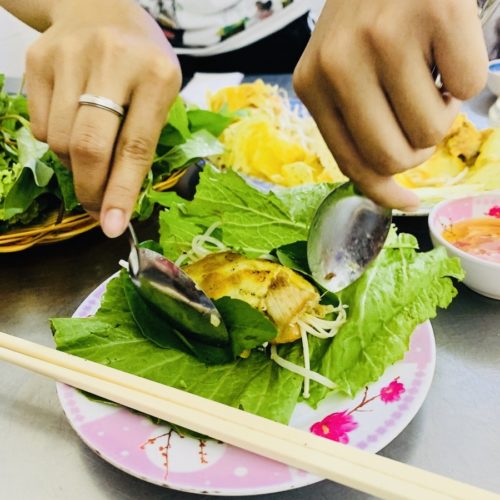
If you choose similar tours to the two food tour companies I used, then you will generally have between 8-10 tastings at multiple restaurants around the city. Most food tours will accommodate food allergies. But, if you are a picky eater or have a very restrictive diet, then food tours might not be such a great option. All of the food will be small portions, but you will certainly be stuffed by the end of the tour. Several of the tastings may have a communal diner feel. You may participate in a lot of hands on eating. The Vietnamese serve a lot of fresh food that sometimes consist of wrapping savory bites in lettuce.

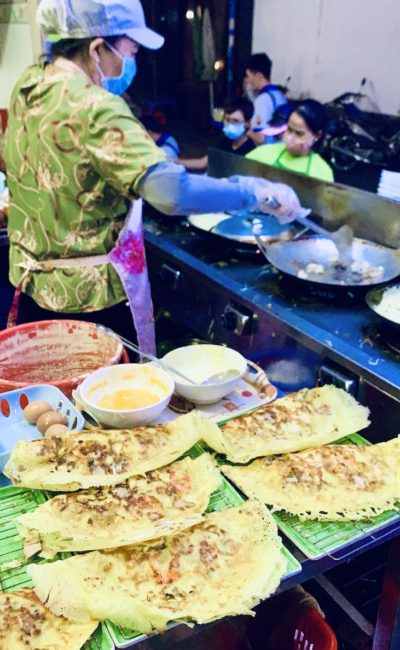
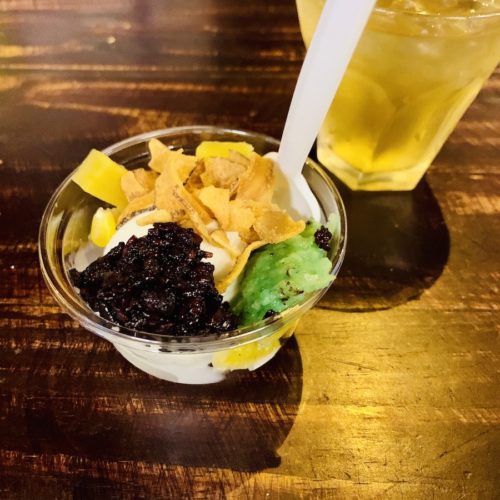
Most food tours include all of Vietnam’s must eat foods. I had my fill of noodle soups, Vietnamese pancake, and depending on the region, egg coffee. There may even be a few surprises. One surprise for me was coconut ice cream. I had never seen ice cream like this before; served with old and new sticky rice, coconut chips, sweet potato, and coconut jello. It looked weird, but it tasted fantastic. 

15 things you should do in Vietnam
15 things you should do in Vietnam;
[penci_fancy_heading _text_align=”left” p_title=”How Will We Get Around?” title_tag=”h6″ _title_typo=”font_family:Simonetta%3A%22regular%2Citalic%2C900%2C900italic%22|font_style:400%20regular%3A400%3Anormal” _subtitle_typo=”font_family:%3A” _desc_typo=”font_family:%3A”][/penci_fancy_heading]

Generally, food tours in Vietnam are 3-4 hours long and are walking tours.

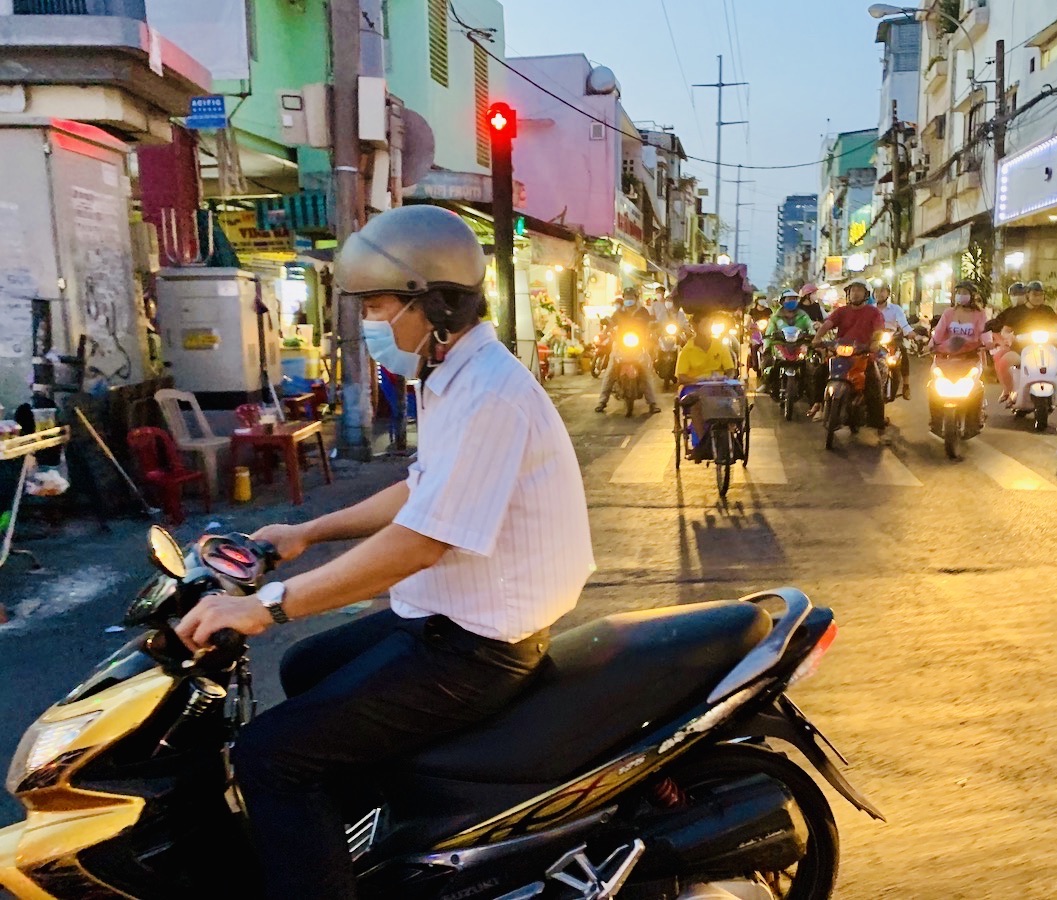
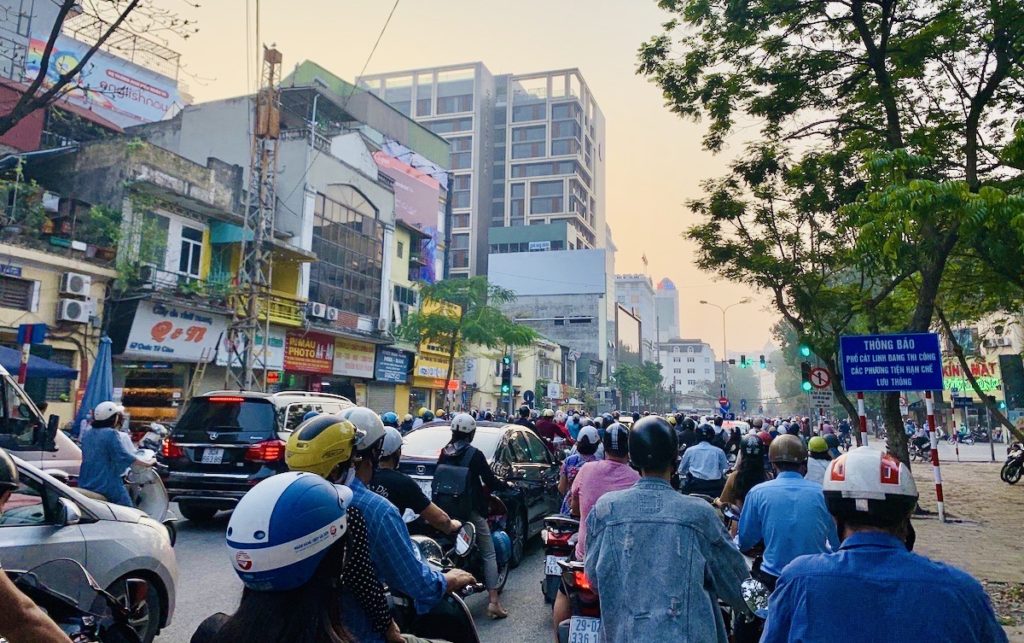
That was my experience in Hanoi, where we did the entire tour in a few blocks in the Ancient City. Things were different in Ho chi Minh City, where food tours cover a lot of ground in a busy city. Many food tours make their way around town by motorbike, which are completely part of the culture. Your tour guide will drive you through the city’s busy and congested streets. It seems like rush hour traffic is all day in Vietnam’s big cities. So, if you are uncomfortable riding a on the back of a motorbike, then I recommend that you look for tours that specifically note they are walking tours 

Solo Travel to Japan: 5 Tips For Your Trip

vietnam coronavirus

No matter what you decide, you will absolutely love eating all of Vietnam’s tasty treats. I hope you enjoy Vietnam’s cuisine as much as I did! 

Vietnam Travel Tips: Things You Should Know

Vietnam

From crowded cities, beautiful beaches along the coastline, and the green mountainous regions in the north, there is something for everyone to enjoy in Vietnam. Traveling in Vietnam was a special time for me. It was everything I expected it to be and a lot more. The people are warm and welcoming and the food is delicious. But, I think what surprised me the most was the beautiful architecture and detailed structures. The many places that made me feel at peace and relaxed were a bonus. However, there were a few things I wish I had known or been better prepared for. Here are a few travel tips you should know before your trip.

15 Bucket List Things You Should Do In Vietnam

25 Tips for International Travel

[penci_fancy_heading _text_align=”left” p_title=”Food Culture Rules” title_tag=”h5″ _title_typo=”font_family:Simonetta%3A%22regular%2Citalic%2C900%2C900italic%22|font_style:400%20regular%3A400%3Anormal” _subtitle_typo=”font_family:%3A” _desc_typo=”font_family:%3A”][/penci_fancy_heading]
Travel Tip 1: Eat Yummy Street Food

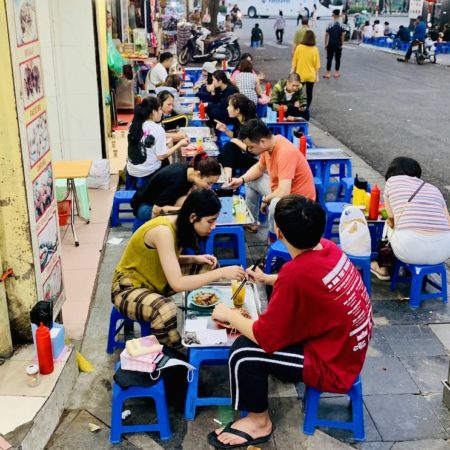
If you are traveling in Vietnam, you cannot pass up eating street food. It is not uncommon for you to turn a corner in the major cities and see from anything from just a few people to large crowds of people sitting on plastic chairs at short, small tables at restaurants or enjoying street food. Interesting note is that it is illegal for restaurants to have tables and chairs on the pavement. So, tables are low to the ground and the chairs are short to make it easy for store owners to quickly remove them if the authorities arrive.

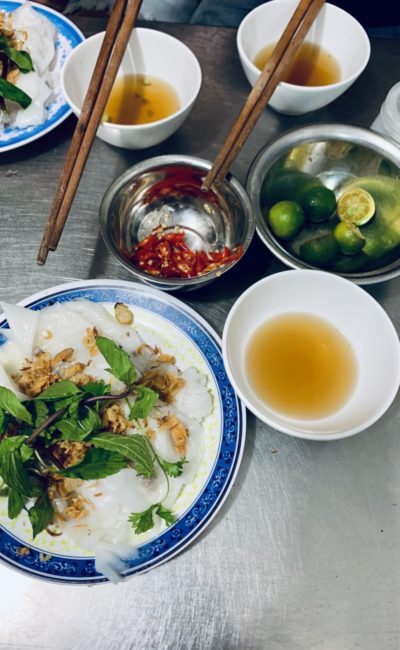
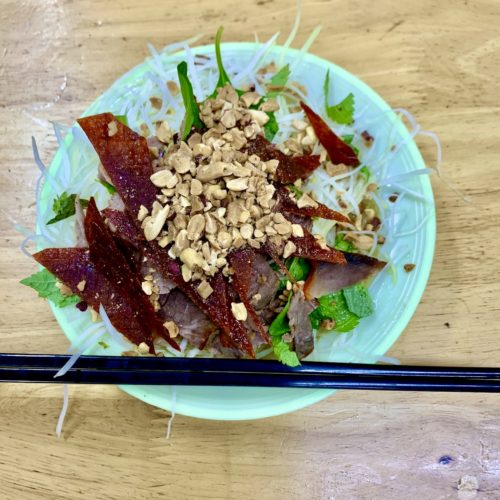
Street food is made fresh, is inexpensive, and usually eaten quickly before people carry on with their days. Common dishes are a variety of noodle soups, a Vietnamese pancake, dried beef or papaya salad, and coconut ice cream. I recommend that you do a street food tour to get a good sense of the food culture and to have be able to taste a variety of dishes at one time. The same dish can be served differently based on the region. So, do not hesitate to take multiple food tours during your travels.

vietnam
Travel Tip 2: Enjoy a Beverage
Big Coffee Culture

I was shocked to learn that Vietnam has a huge coffee culture. I guess I should not have been so surprised since the French were in Vietnam for more than 100 years. And with the French, came its cafe culture. Cafes are sprinkled throughout Vietnamese cities and they a variety of unique coffee drinks. Traditional Vietnamese coffee is very strong and served with condensed milk. Iced coffee with condensed milk is also available, and became one of my favorites during my travels.  A signature Vietnamese coffee is egg coffee, which is easiest to find in Hanoi.

Tea is a thing too!

If you prefer tea over coffee, do not worry. Tea is also a huge part of Vietnamese culture. Tea draws people together throughout the day and at social events. Open air tea houses are abundant and easily noticeable in smaller towns like Hoi An. I find Vietnamese tea to be slightly bitter but has a great after taste. My favorite tea house was in Hoi An called The Teahouse. The Teahouse is associated with Reaching Out, whic is run by hearing and speech impaired individuals, who provide a peaceful and beautiful environment.

[penci_fancy_heading _text_align=”left” p_title=”Things to ignore…” title_tag=”h5″ _title_typo=”font_family:Simonetta%3A%22regular%2Citalic%2C900%2C900italic%22|font_style:400%20regular%3A400%3Anormal” _subtitle_typo=”font_family:%3A” _desc_typo=”font_family:%3A”][/penci_fancy_heading]
Travel Tip 3: Handsy with silverware

One thing I just had to let go of while traveling in Vietnam, is the fact that Vietnamese restaurant staff touch everything that you will probably put in your mouth. While this may go on in restaurants across the US, it is generally not acceptable and most consider it to be unclean.  Most restaurants tables will have a silverware holder with spoons, forks, and chopsticks. For some reason, Vietnamese put all of the chopsticks and silverware with the side you put in your mouth facing up. So, when people grab for either of them, people tend to put their hands all over everything.

Travel Tip 4: Doing the dishes

It is not uncommon to see ladies behind restaurants cleaning the dishes in a big bowl on the street. This did not really bother me because I have seem a lot more interesting things during my years of travel, but it might be weird  and seem unclean to some people. However, I would prefer to think of it as part of the culture.

[penci_fancy_heading _text_align=”left” p_title=”Getting Around” title_tag=”h5″ _title_typo=”font_family:Simonetta%3A%22regular%2Citalic%2C900%2C900italic%22|font_style:400%20regular%3A400%3Anormal” _subtitle_typo=”font_family:%3A” _desc_typo=”font_family:%3A”][/penci_fancy_heading]
Travel Tip 5: Ride a motorbike

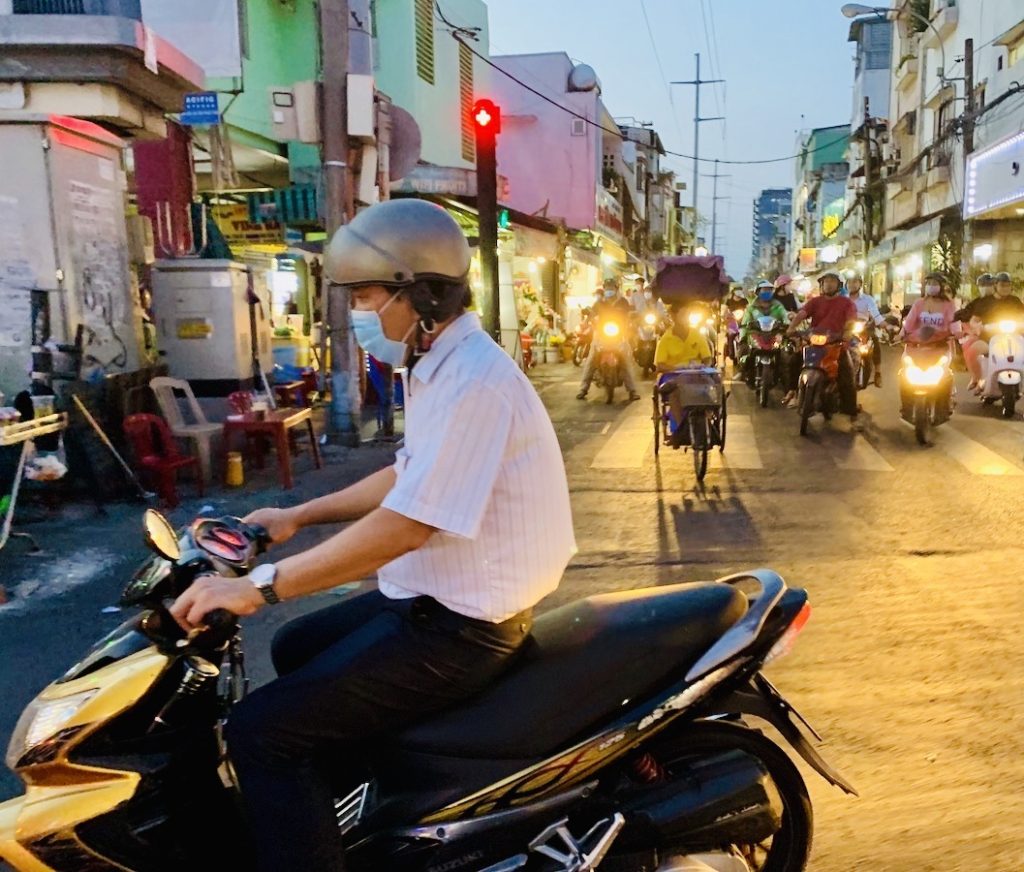
Throughout Vietnam, but especially in the big cities, the motorbike is the easiest form of transportation. My fear of taking a motor taxi quickly disappeared after I hopped on the back of a motorbike my first day in Vietnam. Zipping in and out of traffic along with hundreds of other motorbikes was exciting. I must warn that motorcyclist break the driving rules all of the time. Such as, driving the wrong way down a one way street or driving on the sidewalk to avoid having to circle the block. The motor taxi is a fantastic and cheap way to get around cities with ease and some excitement. My only recommendation is that you use apps like Grab to book a taxi. They will always quote you a price ahead of time, they are generally safe, and you are unlikely to be scammed. Avoid taking any form of motor taxis at night.

Travel Tip 6: A Bike is okay too…

I am not sure I would recommend riding a bike in the bigger cities like Ho Chi Minh City and Hanoi. But, it is a great  way to get around the smaller cities. Bike rental shops are abundant, and most Airbnb provide them free of charge.

[penci_fancy_heading _text_align=”left” p_title=”Take a Breath and Relax” title_tag=”h5″ _title_typo=”font_family:Simonetta%3A%22regular%2Citalic%2C900%2C900italic%22|font_style:400%20regular%3A400%3Anormal” _subtitle_typo=”font_family:%3A” _desc_typo=”font_family:%3A”][/penci_fancy_heading]
Travel Tip 7: Get a massage

If you are someone who likes to get a massage but it is too expensive in your home country, then Vietnam will be a treat. There are very affordable spa salons throughout the country. Many of them offer spa packages but they will also allow you to change it up and customize your experience. My favorite spa experience was in Hanoi at the Orient.

After walking all day, you should stop by one of the several massage shops that line the streets in all of the major cities to get a foot massage. You can get a one hour foot massage for about $8-10 and they are decent quality. Because there are so many of them, I advise you to shop around. Take a peek into the shop before you go in to see if it  meets your standards. Even though the massages are extremely affordable, you still deserve to enjoy the experience.

Travel Tip 8: Make time for the beach

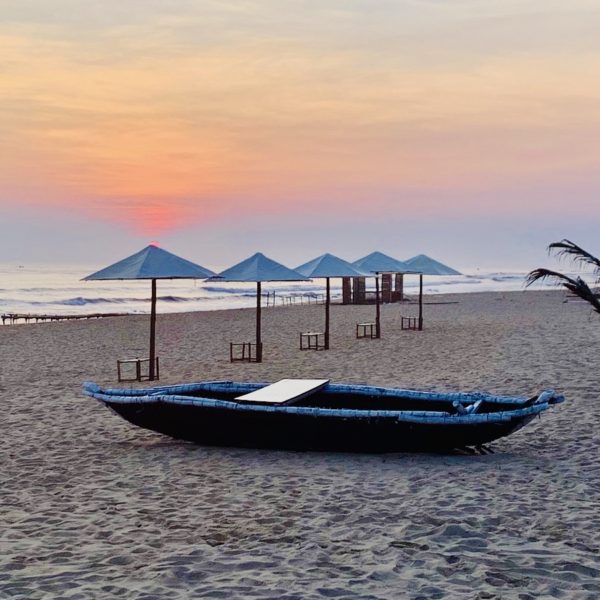
If you have time to explore several parts of Vietnam, I highly recommend building in some beach time. This is especially true if you will be spending any significant amount of time in Ho Chi Minh City or Hanoi, both of which can overload the senses. I stayed at the beach in Hue. To hear the crashing waves at night and to see the sunrise over the beach was amazing.

Travel Tip 9: Be spontaneous

I am definitely a planner, which means that I tend to plan out the majority of my trip ahead of time. However, I think that Vietnam is one place where you should build in some time for spontaneity. There are a lot of things that will draw you in, such as tea and coffee shops, beautifully handmade jewelry, or a temple tucked into the middle of a busy city street. You do not want to miss out on the country’s hidden treasures.

Travel Tip 10: Relax and people watch

Take time to sit at one of the many coffee or tea cafes in Vietnam to relax. Most cafes have outdoor seating or windowless shops, so it is easy to grab a chair and watch the different types of people and tourist wander by.

vietnam
[penci_fancy_heading _text_align=”left” p_title=”Is Vietnam Safe?” title_tag=”h5″ _title_typo=”font_family:Simonetta%3A%22regular%2Citalic%2C900%2C900italic%22|font_style:400%20regular%3A400%3Anormal” _subtitle_typo=”font_family:%3A” _desc_typo=”font_family:%3A”][/penci_fancy_heading]

Yes, Vietnam is safe. There was not a single time during my trip when I felt unsafe. However,  I did receive some tips from locals on how to stay safe.

•Do not carry your cell phone in your hand, otherwise you will be an easy target to be robbed. I wanted to be able to take photos on the street and on the back of motor taxis. So, I bought a lanyard case for my iPhone. It served as a deterrent to theft and allowed me to take photos.

•Leave your passport at your accommodations and do not carry around large sums of cash.

•Be careful crossing the street in large cities. I think it is much safer to cross the street in Ho Chi Minh City, were people generally follow the driving rules and street signs. However, Hanoi is a different story. The general rule is to just cross the street without looking drivers in the eye. If they do not think you noticed them, then they are more likely to slow down and let you cross. If they think you see them, they will continue full speed ahead.

[penci_fancy_heading _text_align=”left” p_title=”Things to keep in mind” title_tag=”h5″ _title_typo=”font_family:Simonetta%3A%22regular%2Citalic%2C900%2C900italic%22|font_style:400%20regular%3A400%3Anormal” _subtitle_typo=”font_family:%3A” _desc_typo=”font_family:%3A”][/penci_fancy_heading]
Travel Tip 11: Do not be a target

As a tourist you will easily stand out as a possible target for the locals to take advantage of. I think many of the things you may deal with in Vietnam is fairly normal in most developing nations.

Travel Tip 12: Transportation

Always get a quote before you get into a taxi or motor taxi if the person does not have a meter. The best thing to do is to order a taxi through one of the several apps related to transit in Vietnam, such as Grab. Be aware that some taxi drivers will drive you around in circles and then try to charge you extra money.

Travel Tip 13: Do not be afraid to haggle

Unless you shop only at shops that have fixed price, you will need to haggle to get a “fair” price. Best practice is to start negotiating about half or a third lower than what vendors quote you. You can usually find what you want in multiple stores. So, you should be prepared to walk away if you do not hear a price you are willing to pay.

Travel Tip 14: Be patient

People will ask you to buy what they are selling all day long. It can be annoying after you said no three or four times and people continue to be persistent. I recommend that you take a break and remember that people are trying to make a living. Politely say no thank you.

Want more tips on travel to Vietnam? Check out Travel to Vietnam.

15 Bucket List Things You Should Do In Vietnam

bucket list; Vietnam

From crowded cities, beautiful beaches along the coastline, and the green mountainous regions in the north, there is something for everyone to enjoy in Vietnam. Vietnam was at the top of my list for bucket list destinations in Asia. I did not do all of the traditional things that most people would consider to be must do bucket list items in Vietnam. I wanted to have enough time to do balance between visiting the sites, eating my way through the country, and having some down time. So, here are my 15 bucket list things you should do to enjoy as much of the country as possible in 2 weeks.

Traveling to Asia During Coronavirus 

Visit Ho Chi Minh City

Even though Ho Chi Minh City was not officially on my Bucket List, there is no way I would have traveled to Vietnam without visiting the city. Ho Chi Minh City is one of Vietnam’s most important cities and a popular tourist destination. Its large population, skyscrapers, and tons of traffic may be overwhelming to the senses and make it hard to fully relax. But, it is also full of rich history and beauty that are a must see.

I think it is good to spend at lease one day exploring the city on your own. I love to join tours, but many tour companies in Ho Chi Minh do not give you enough time to let you enter the sites. Instead, you end up standing outside and talking about it. So, it is worth doing a little research and then taking a motor taxi to get round the city on your own. It is very easy and inexpensive to get around the city

I highly recommend that you visit the War Remnants Museum, which focuses on the impact of the Vietnam War on the Vietnamese people as well as the protests around the world against the war. It is a very sobering museum and it made me reflect on what humans, in this case Americans, are willing to do to others.

The Jade Emperor Pagoda is also worth a visit. It is one of the most beautiful and popular attractions in Ho Chi Minh City. Built in 1909 to honor the supreme Jade Emperor Ngoc Hoang, the temple is in the heart of the city. But, as soon as you step through the main gate of the grounds, things slow down and a peace and calm overtakes you.

With all of that said, I still think it is worth doing a day or half day city tour with a guide. You will learn so much more about the city and discover some hidden gems.

  • When to visit: It is best to go between December and March when it is slightly cooler around 80-90 degrees.
  • Where to Stay: District 1 is close to all of the action. I stayed just across the Mong bridge in District 4, which is quieter and only a short walk away from District 1.
  • Tour Company: I booked a half day walking tour of Ho Chi Minh with Tripadvisor.
vietnam coronavirus

Go to Mekong Delta

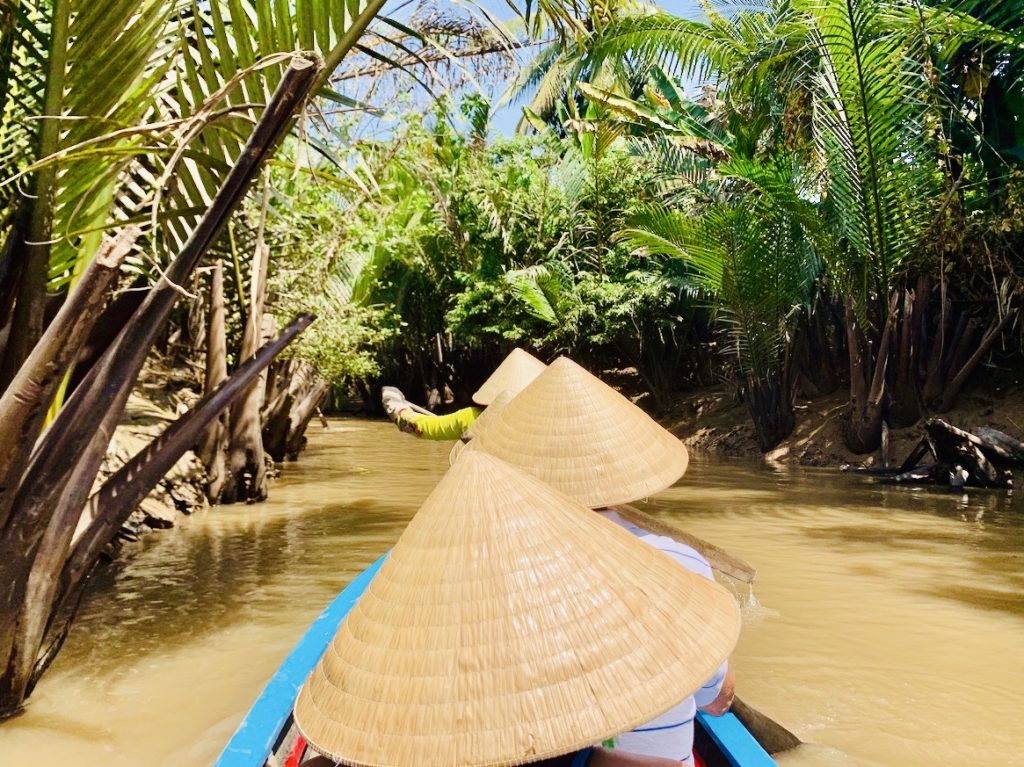
The Mekong Delta is a beautiful and peaceful region in the southern part of the country and should be on everyone’s bucket list. It is made up of rivers, swamps, and islands. The river starts in the Himalayans and passes through China, Thailand, and Cambodia before reaching Vietnam and dumping out into the ocean. You could easily spend several days to a couple of weeks exploring the floating markets, pagodas, orchards, and bio reserves. However, if you only have a limited amount of time, day tours from Ho Chi Minh City are easy. The day trips are a tad touristy, but they are still worth the experience. Even in one day, you can have several cultural adventures, such as boating on the Mekong River and riding bikes in the country side.

  • When to visit: Any time of the year is good to go except for the rainy season from May to October.
  • How to get there: If you are doing a day tour, then Getyourguide is a great option. If you plan to stay longer, here are several options on how to get there.
15 things you should do in Vietnam

Do a food tour in HCMC

For me, food is such an important category on my bucket list. Not only because good food is amazing, but food tells you a lot about the country. I try to do a food tour in every new county I visit. They are special because you visit places you may have never otherwise found and try dishes you have never heard about. And, since Vietnam is a food powerhouse, I could not visit without doing one in Ho Chi Minh City. As a matter of fact, since the food varies from north to south, it is worth doing multiple tours throughout the country.

In Ho Chi Minh City, many of the food tour companies make a lot of stops that do not include tastings so you end up on a historical tour rather than a food tour. If that is what you are looking for, then that perfect. However, I really just wanted to eat! My research for the perfect tour paid off. I spent the night on the back of a motor scooter, zipping in and out of traffic, and eating a variety of some most delicious food in the city.

  • Tour Company: I booked my tour with Get Your Guide. There are a lot of options, so just do a little bit of research if my recommendation does not appeal to you.
  • When to go: It is never a bad time to do a food tour. But, doing it at the beginning of your trip is better so you time to revisit your favorite places.

Thailand Food Tour: A Taste of Bangkok

15 things you should do in Vietnam

Bánh Xèo (pancake)

15 things you should do in Vietnam;

Coconut Ice Cream 

15 things you should do in Vietnam

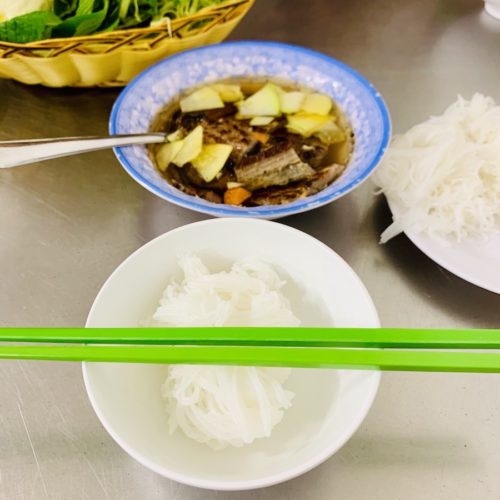
Bún Chả (Obama Noodles)

Visit Hoi An Ancient Town

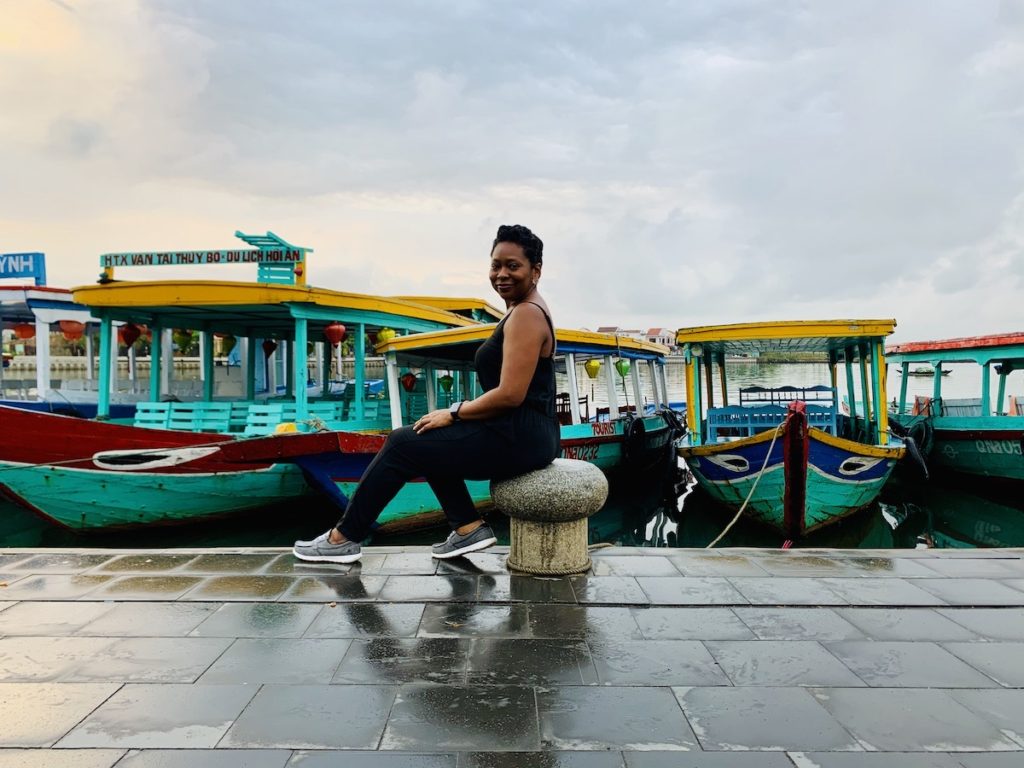
Hoi An was one of my favorite cities in Vietnam. It is my bucket list goal is to visit at least 300 UNESCO World Heritage Sites, naturally, I had to visit Hoi An. Its status has made the city become very touristy and crowded in recent years. However, I traveled during the rise of the coronavirus. So, It was extremely quiet in the city, which allowed me to enjoy it in an unexpected way. Hoi An is very colorful with its yellow, timber houses and multicolored lanterns all over the city.

Its streets are full of shops and restaurants. An occasional unexpected temple, theater, or bridge will surprise you. If you really want to enjoy the city before the crowds arrive, wake up early and stroll around. Your only company will be an occasional runner and the morning market, which is a madhouse between 6-8am. Hoi An lights up at night as all of the boats covered in multicolored lit lanterns cruise up and down the Thu Bồn River . The night market is lively and full of souvenir stalls and street food.

  • When to go: The best time of year to go is during dry season between February and April.
  • Where to stay: An Airbnb is a great option. Stay just outside of the ancient city to stay away from the noisy night market.
  • Favorite restaurant: I loved Morning Glory. My favorite dish was the Cao lầu, which is a regional noodle dish. I also had the best Bahn Mi at Bánh Mì Phượng. Bahn Mi is a traditional sandwich that is normally eaten at breakfast.  
  • Tip: Visit one of the many yellow booths throughout the city to buy a pass to visit 5 of the 20 historical sites in the city.
15 things you should do in Vietnam

Scooter Tour in Hoi An

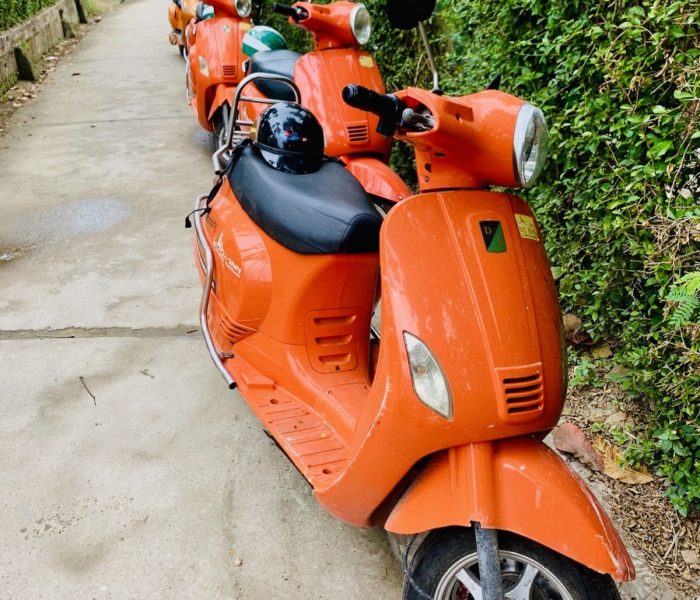
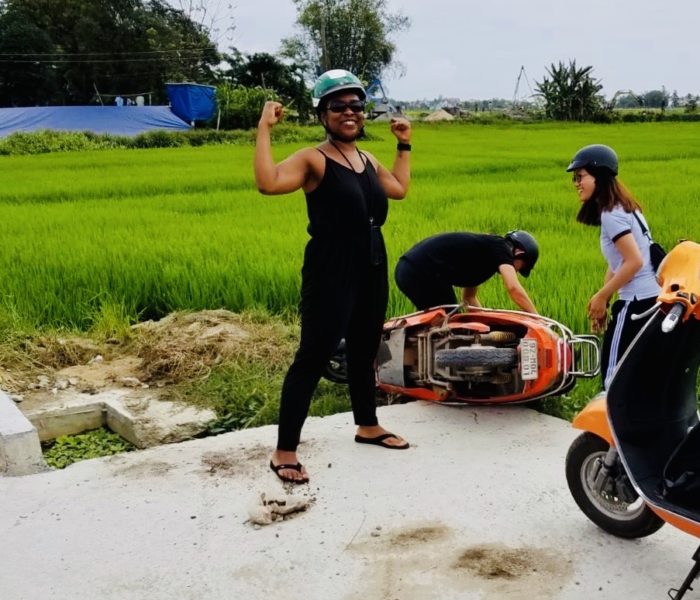
If you want to get outside of Hoi An’s busy city center, then you can take a scooter tour of the countryside. It is a fantastic opportunity to see how locals live and experience the country’s authentic culture. This tour is a self drive tour. After about 5 minutes practice on the bike, you take off into the city’s traffic. Luckily, traffic is only a fraction of what it is in Ho Chi Minh City and Hanoi. Unfortunately, I never really mastered how to ride the scooter. While, I was able to manage the streets, for some reason making a sharp turns always landed me in a wall or rice paddy! If riding a scooter is not really your thing, then you can also ride bicycles in the countryside. 

15 things you should do in Vietnam
Vietnam; bucket list

Visit My Son Sanctuary

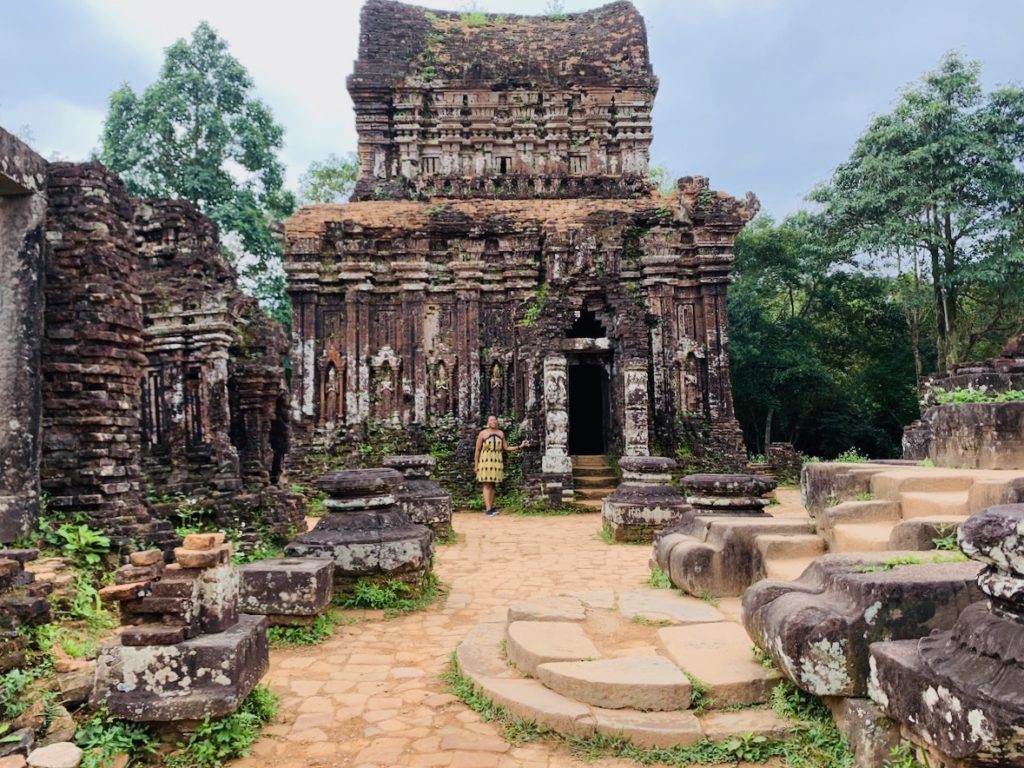
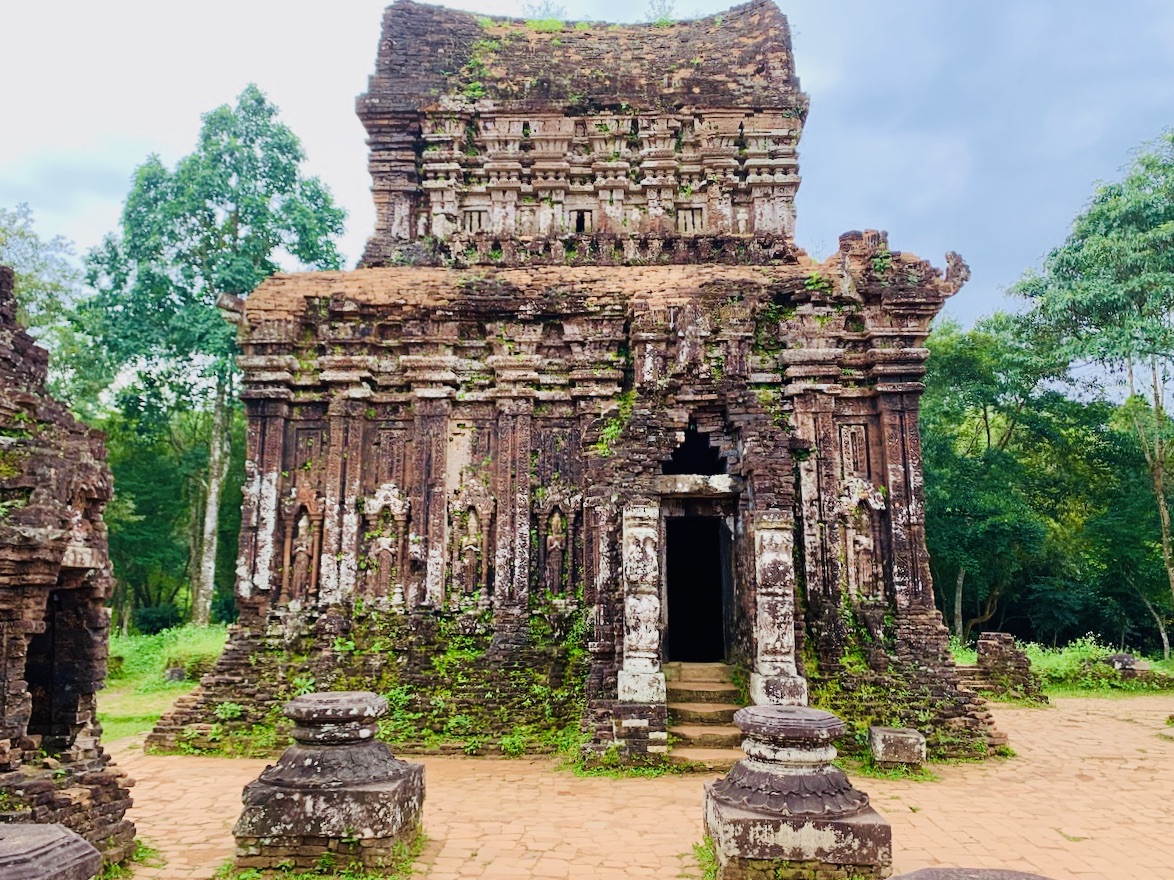
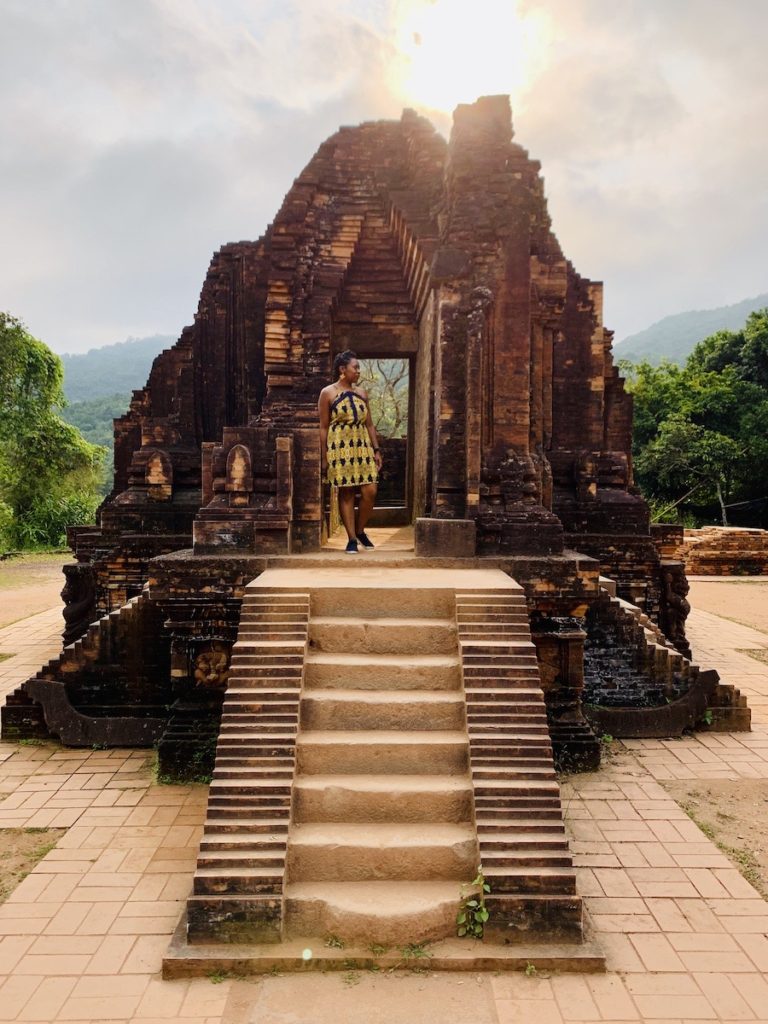
If you have a few days in Hoi An, you should take a day trip to My Son Sanctuary. As a UNESCO World Heritage Site, My Son Sanctuary is a cluster of ruined Hindu temples. The Kings of Champa and Cham people built them between the 4th and 14th centuries.  There are 71 rediscovered structures that are grouped together over two kilometers. They are architecturally interesting and show a level of technological sophistication for the time. Considering that these structures have been around for centuries, it is an interesting note that they were not constructed with mortar. If you can manage to visit around sunrise before the crowds arrive, you will be able to take a moment and enjoy the site in peace. 

  • When to visit: It is best to go early in the morning around sunrise to avoid the crowds and hot temperatures. Early to late afternoon when the tourist have fled is also a great time.
  • How to get there: I booked a tour through Viator. They picked us up from our hotel and the guide was fantastic.
bucket list; vietnam

Marble Mountain

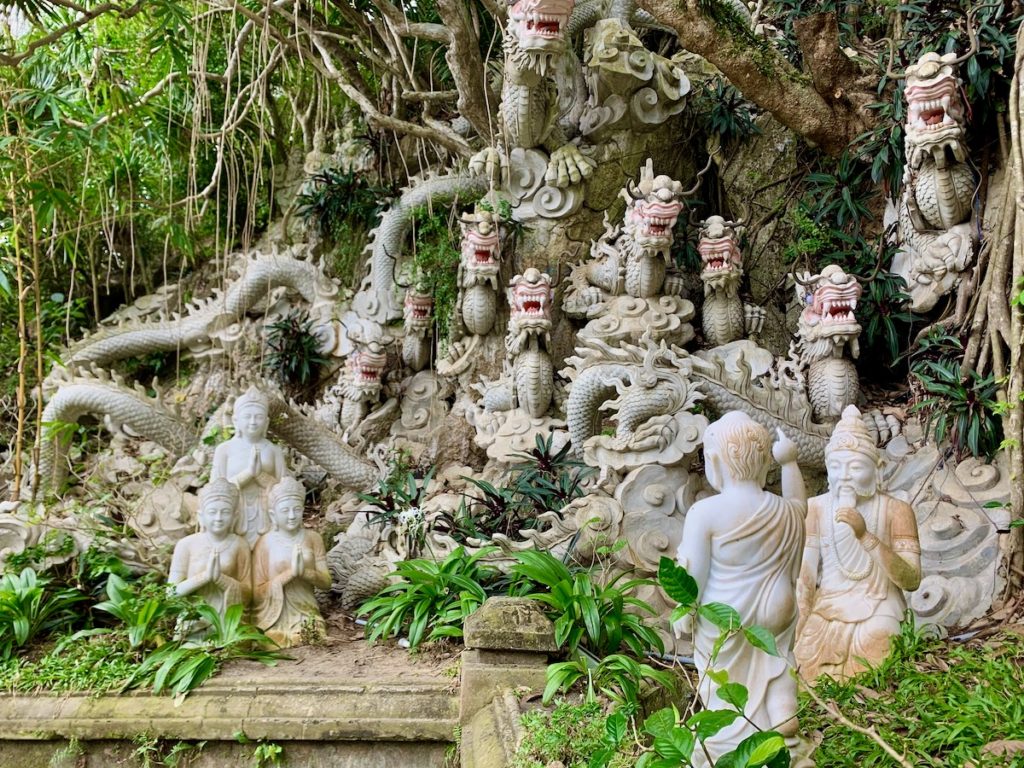
Marble Mountain is a cluster of five marble and limestone hills, named after the elements, not far from Da Nang city in Central Vietnam. The mountains were once a spiritual destination for Vietnamese aristocracy and Mahayana Buddhists. This site actually amazed me. I had zero expectations of Marble Mountain and stumbled upon it on my drive from Hoi An to Hue. There are lots surprises along the mountains, to include caves, tunnels and temples to explore. It is definitely one place that will make you wonder how did the Vietnamese created such a marvelous place without modern technology.

  • When to go: It is best do go during dry season since marble will be quite slick during the rainy season. Go early in the day to avoid the heat and tourists. It could take you several hours to see everything without feeling rushed.
  • Note: There are a lot of steps. Even if you decide to take the elevator to the top of the mountain instead of climbing, there are still a ton of steps at the top. Make sure to wear proper shoes.
bucket list, vietnam

Lap An Lagoon

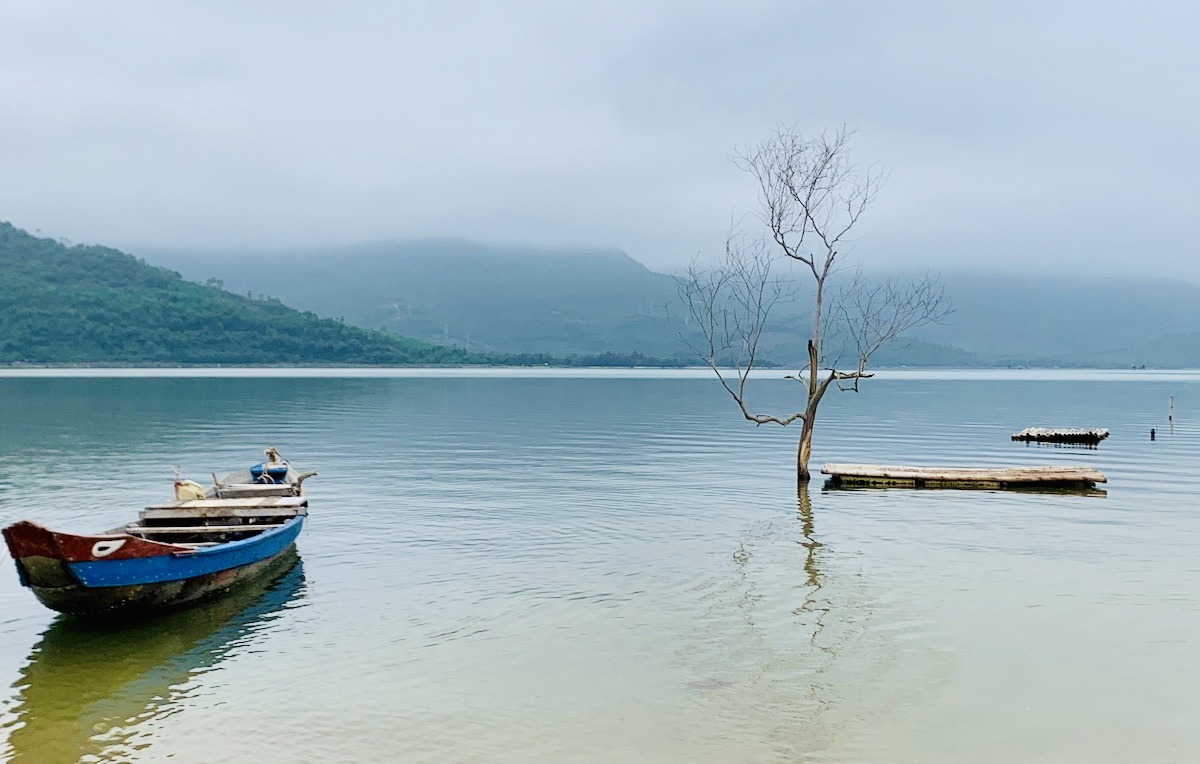
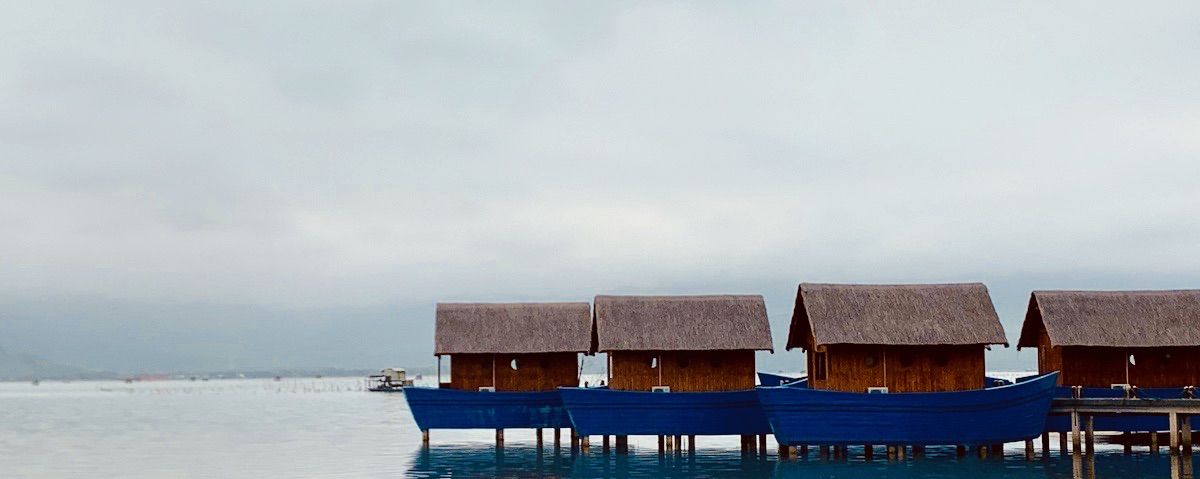
Lap An Lagoon in Hue is definitely at the top of my list of favorite places in Vietnam. It was one of the most peaceful parts of my journey. I was there on a cloudy day, which made it even more mystical. I only discovered this place because it was listed as a place to stop on my drive from Hoi An to Hue. The water is crystal clear and you can enjoy a peek at sea life just below the surface. Sand dunes stretch from the bank out into the lagoon. You can stroll out to the water’s edge to take a look at some of nearby fishing boats.

The Vietnamese have definitely cater to tourist by setting up places to take photos, and I do not blame them. It is one of those scenes that I have only seen in beautiful paintings. Luckily, there were few people around and I was able to steal a few beautiful pictures. There is also a great seafood restaurant near by, and the option to buy affordable pearls. 

  • When to go: It is best to go between March and June when it is dry and warm. 
  • How to get there: It is easy to take a day tour from Hue or you can make a stop at the lagoon if you are driving from Hoi An to Hue.
bucket list; Vietnam

Drive from Hoi An to Hue

I originally viewed hiring a car to get from Hoi An to Hue as a means to an end. Instead, it should have been included on my bucket list. A good way to see part of Vietnam in one day without having to take multiple trips is to drive from Hoi An to Hue (or vise versa) and make stops along the way. Better yet, you can do what I did and hire a driver. It is actually fairly inexpensive and a great way to see the country in a stress free way. There are many options, but I recommend stopping at Marble Mountain, Lap An Lagoon, Hai Van Pass, and see the An Bang Cemetery. It will take you a full day, about 8 hours to see everything at your leisure.

  • Tour company: BNT Travel was a great company because we never felt rushed throughout our entire journey. The driver did not really speak a lick of English but that ended up not being a problem. 
bucket list; Vietnam

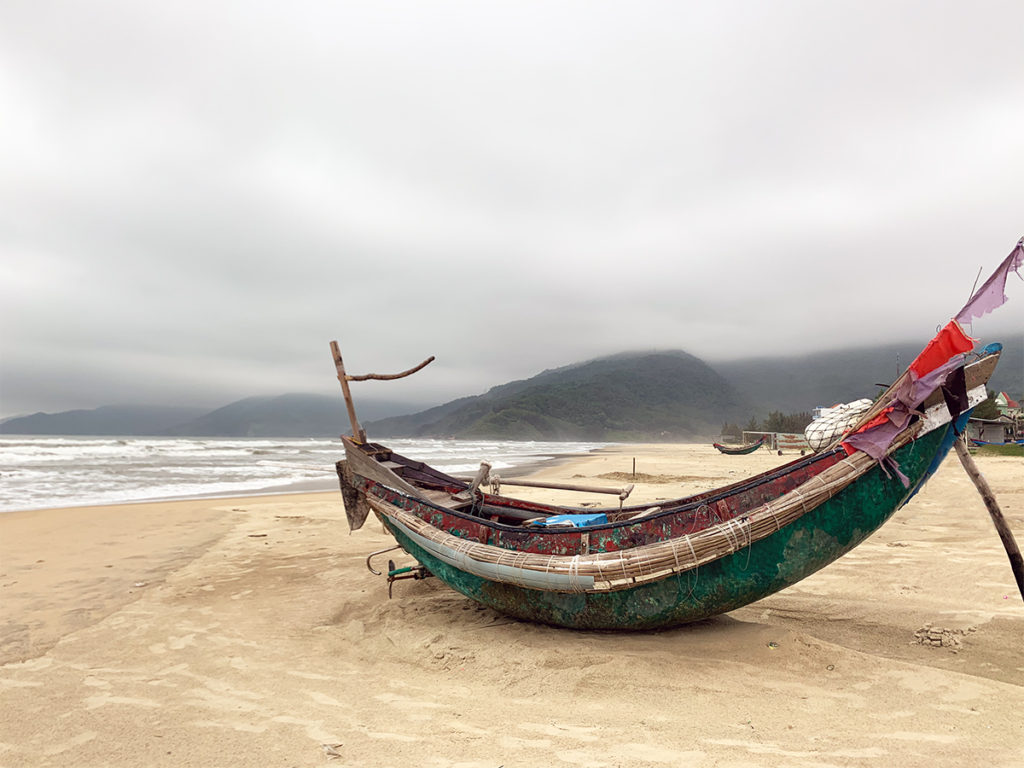
Lang Co beach

Spend time in Hue

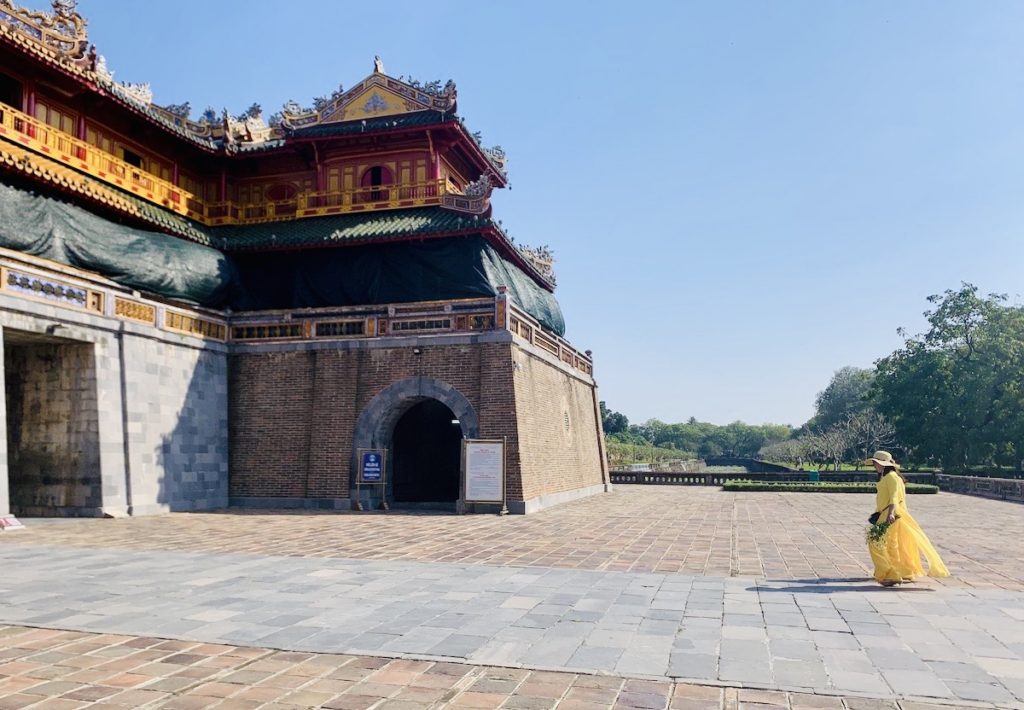
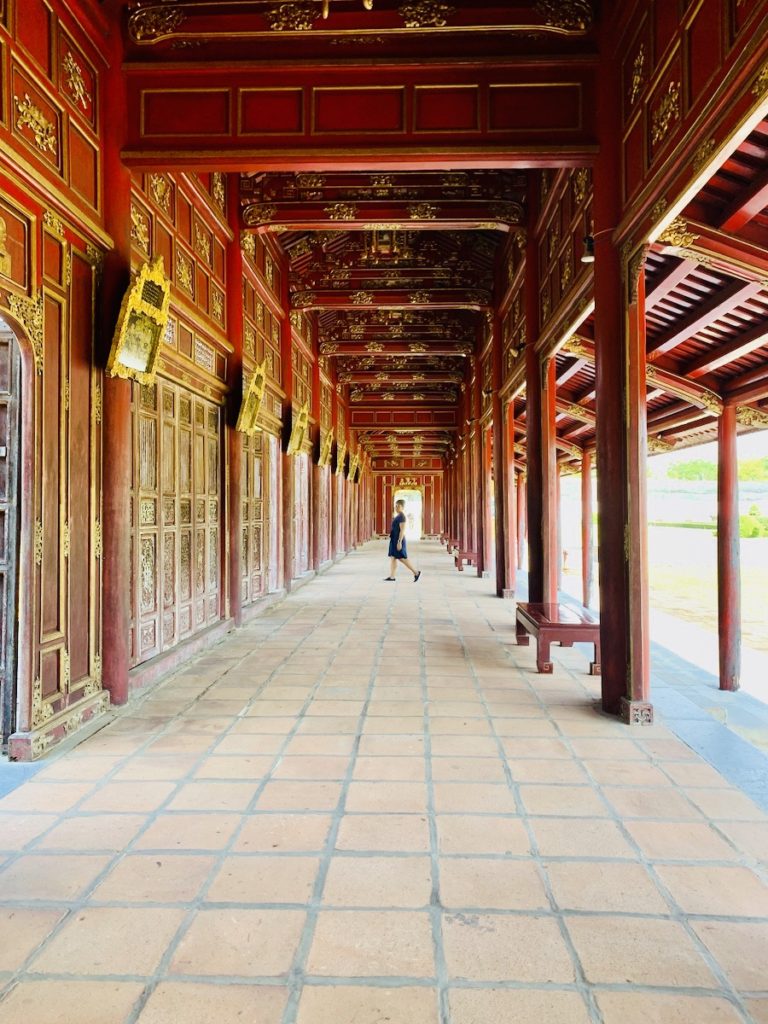
When I added Hue to my bucket list, I was not expecting to find such an interesting city. There are so many beautiful and interesting things to see in Hue. The Imperial City, also known as the Citadel, is inside of the city center and is one of the main draws to the city. The Imperial City was home to the first emperor of the Nguyen Dynasty. That makes sense, as that name is sprinkled all over Vietnam. These beautiful structures were once home to the country’s capital and the seat of bureaucracy. The complex is huge, so you should give yourself at least 2 hours to walk the grounds and take in all of the colors and structures. 

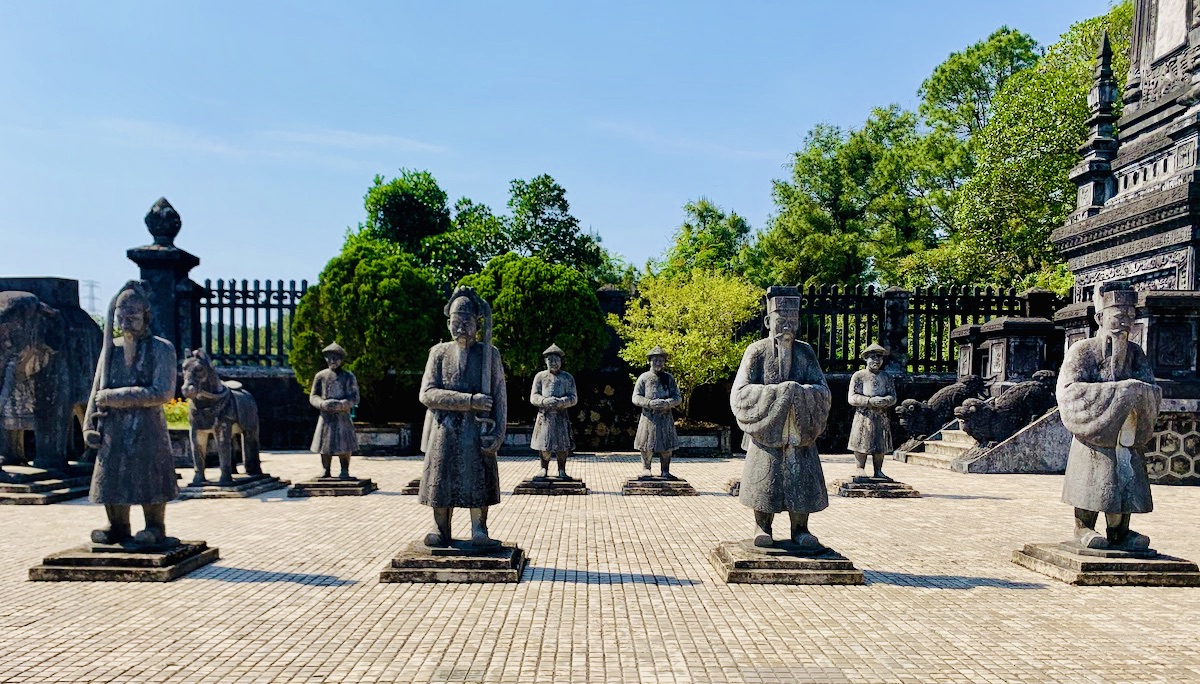
If you only have one day in Hue, you can easily fit in a few more things. I recommend visiting the tombs of the Ancient Emperors, Tu Duc, Mihn Mang, and Khai Dinh. The tombs are like large, tranquil gardens. You should also squeeze in a visit to the Tu Hieu Pagoda. It is one of the most popular pagoda’s in the city and is beautiful. 

If you have more time to enjoy Hue, then there is a lot more you can do. I highly recommend that you enjoy a stroll along the Perfume River or do a food tour of some of the best cuisine in the country. Also, the beach is far from the city center, but worth visiting. 

  • Where to stay: As my third stop in Vietnam and no beach time up to my arrival in Hue, I decided to stay outside of the city center at the beach at Ana Mandera Hue. The hotel room was absolutely beautiful. The food was slightly overpriced and not as good as food in town. However, I think that is generally expected at resorts. 
  • Tips: Make sure you bring sunscreen, a hat, and lots of water. There is very little refuge from the sun at many of the sites in Hue. The heat and humidity can be stifling.
bucket list; Vietnam

Visit Hanoi

Just like Ho Chi Minh City, Hanoi does not have to be on your official bucket list for you to realize that it is worth visiting. If you plan to spend any significant time in Vietnam, then you should visit Hanoi. Even though it was my least favorite city in the country, it is still fascinating. Hanoi is overcrowded and seems to be slightly dirtier than other cities in Vietnam. It was slightly overwhelming, even though I was traveling during the coronavirus outbreak and Hanoi was much quieter than normal.

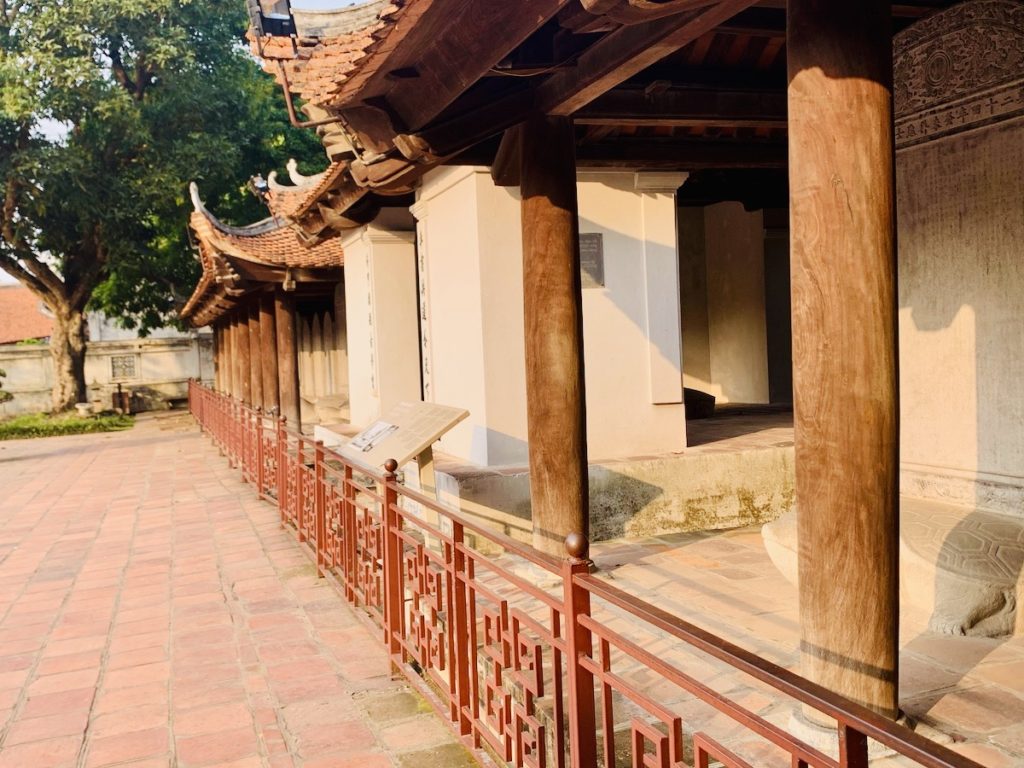
The easiest way to see the city is to book a tour. Most city tours include visiting the highlights, such as the Hanoi Opera House, Temple of Literature & National University, and One Pillar Pagoda. If you are lucky you will end the tour with traditional Vietnamese street food and coffee. 

  • When to go: The best time to go is between February – April and October – November to avoid the unforgiving summer heat and the rainy season respectively. 
  • Tour Company: Viator
  • Where to stay: I chose an Airbnb outside of the old city to have a little peace and quiet. However, I had to walk at least a 25 minute to the old city everyday. You can also take Grab to get around. They are quick and inexpensive. If I had to do it over again, I would have stayed in the old city just for convenience.
vietnam_hanoi

Do a food tour in Hanoi

Food is so important to my bucket list travels and adventures. This is particularly true in Vietnam, where the food is so amazing and different depending on the region. So, doing a second food tour on this trip was a great decision. I was amazed that the food tour in Hanoi included several things I had never heard of, even after  spending nearly two weeks traveling in Vietnam. I visit 8 restaurants and experienced 10 tastings. It was some of the best traditional food in the city.

  • When to go: Food tours are great no matter the time of year. I recommend that you take the tour at the beginning of your trip so you can return to your favorite spots.
  • Tour Company: Hanoi Street Food Tour
vietnam_hanoi

Egg Coffee

bucket list; Vietnam

Bún Chả (Obama Noodles)

bucket list; Vietnam

Nộm bò khô (dried beef salad)

Visit Hanoi’s Coffee Shops

I never considered putting coffee on my bucket list. It’s something most people drink everyday without much consideration. I heard that coffee was a thing in Vietnam, but I was surprised by how much. Many Vietnamese homes are small, which makes it difficult to host people. Therefore, there are hundreds of cafes sprinkled throughout the city to give people a place to relax and chat with friends while enjoying great coffee, coffee drinks, or tea. I really loved all of my coffee experiences from traditional Vietnamese coffee to coconut coffee. It was all so different and unique from what I’ve ever experienced before and simply delicious.

Favorite Cafes: 

  • Cafe Dinh: You will see very few tourists in this cafe and it is slightly hard to find. It is best known for it’s egg coffee.
  • Loading T: This was my favorite cafe. It has an old French vibe that is further emphasized by the French music playing in the background. They roast their coffee beans with cinnamon sticks so the coffee has a unique flavor. The best thing to get is the regular coffee with condensed milk or the frozen coconut coffee. I had both!
  • Hanoi Egg Coffee: Yes, this is the name of the coffee shop. I enjoyed my first egg coffee at my shop and was immediately hooked.
coffee in vietnam

Egg Coffee from Cafe Dinh

Go to the Spa

Visiting the spa in Vietnam is not generally on most people’s bucket lists. However, it should be! You can visit the many spas through the entire country and will walk away relaxed and satisfied. After walking around for hours you should definitely take advantage of the many places to get a 30, 45, or 60 minute foot massage all for about $10 or less. Because there are so many, you should absolutely be picky. Most massage salons are open so you can peek in from the outside. Make sure the chairs are clean and the location has a spa environment, if that is what you are expecting. If you have more time, I highly recommend getting several spa treatments. They will be high quality and a fraction of the price you would pay in the West.

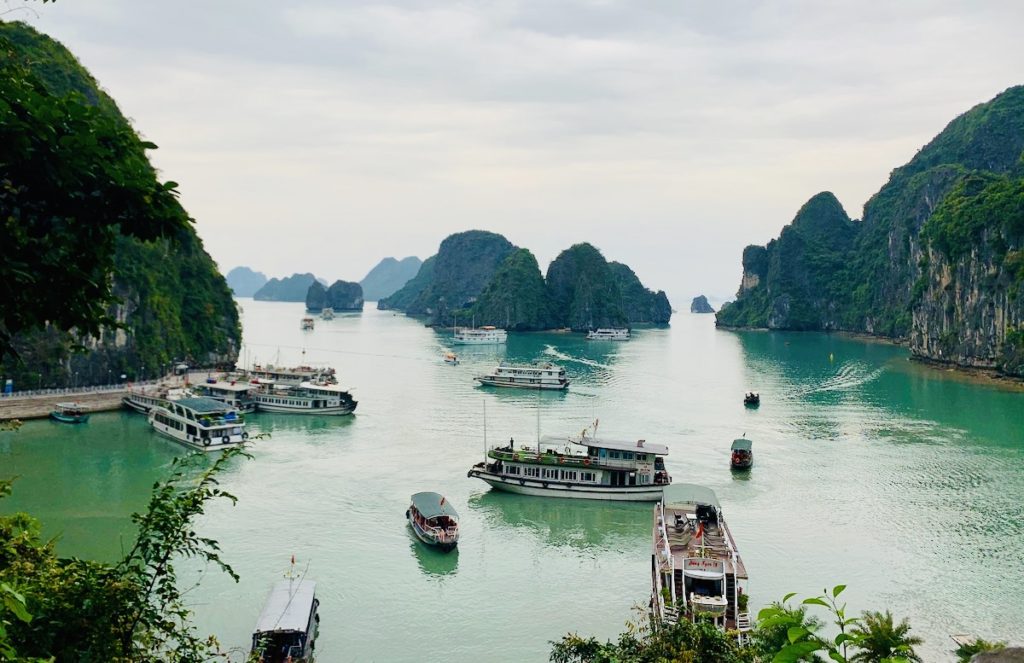
Halong Bay

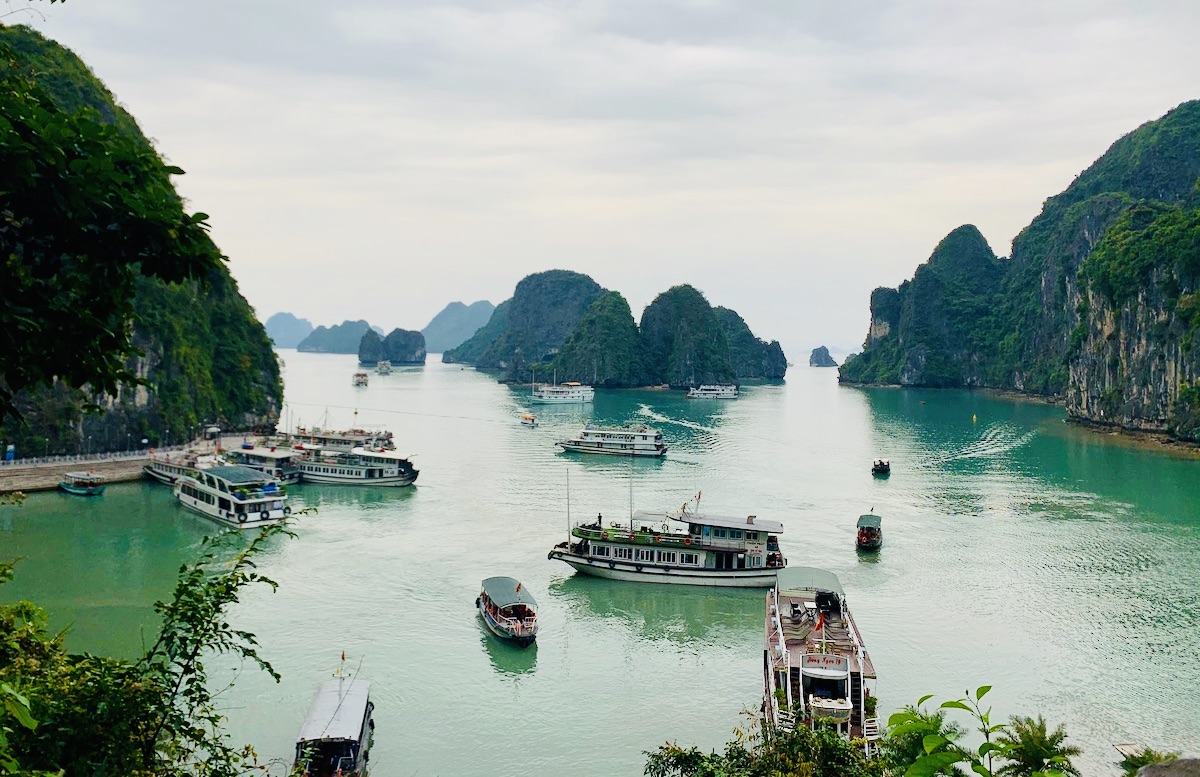
Halong Bay, as  a UNESCO World Heritage Site, was a must see item on my bucket list. It is one of the most sought out tourist destinations in Vietnam. Its beautiful emerald waters and tall limestones sprinkled throughout the bay are the draw. With more than 1,600 islands, there are several places to snorkel, kayak, hike, and visit secret lagoons.

  • How to get there: The best way to enjoy Halong Bay is to take a boat tour. There is everything from day boat tours to several day cruises. There are many tour companies to fit various budgets.
  • When to go: Usually between March and May and September to December.
Traveling to Asia

Traveling to Asia During Coronavirus

traveling to Asia

Traveling to Asia during coronavirus was interesting and at times worrisome. I recently returned from Vietnam and a lot has changed around the world in the last few weeks. I wanted to share my experience, not to sway people on whether or not they should travel. That of course is up to each person to decide for themselves. Rather, I would like to highlight what it was like traveling to Asia during a global crisis.

vietnam coronavirus

I was a little worried about traveling to Asia during the coronavirus. It was less about getting sick, even though I definitely did not want that to happen. The surge of global cases was just starting, so I was more concerned with the possibility of having to cancel my plans. My mind had been set on going to Vietnam in early 2020 for more than two years.  I have not met a single person who did not enjoy their time in the country. So, my excitement only grew as time drew closer. Then in January, the world started to hear about people getting sick in China. Even though my flight was supposed to transit Beijing, I did not give it a second thought at the time. Even as China quarantined the entire city of Wuhan, I told myself that at least it was not Beijing.

Then, things started to rapidly change. Traveling to Asia started to become increasingly more difficult. Airlines canceled flights to China, to include Vietnam.  Now I was worried.  I knew it was only a matter of time before Vietnam would not except travelers who transited China. So, I proactively changed my flight with United Airlines free of charge for piece of mind.

In the lead up to my trip to Vietnam, it was hard to watch and read the daily news. The number of infected and deaths continued to rise. Just days before boarding the plane, South Korea, Italy, and Iran had huge spikes in cases. Fear began to set in that I would have to cancel my trip. Mostly, it was a fear of being trapped or being quarantined. If a single person on a plane or train, or someone in a hotel tested positive for the coronavirus, it would have changed everything. Most of my friends and family asked me if it was wise to be traveling to Asia during this time. 

With all of that said, I still wanted to go on vacation. So, here is what was it like traveling to Asia in February and March 2020 as coronavirus cases around the globe began to spike.

On my way to Vietnam, I had several travel legs. Every experience was different at each airport. While they all acknowledged that the world was in crisis over the coronavirus, there were very few overt measures in place during most of my trip.

In the days leading up to my trip, Europe saw a spike in cases of those infected with the coronavirus. My first transit point was Frankfurt and it felt like business as usual. They were not doing temperature checks, at least none that I saw. Only one person asked me if I had recently traveled to China and hardly anyone was wearing face masks. The next leg of my trip was to Thailand. I saw more people wearing face masks, but airport officials did not check temperatures or ask any questions about previous travel.

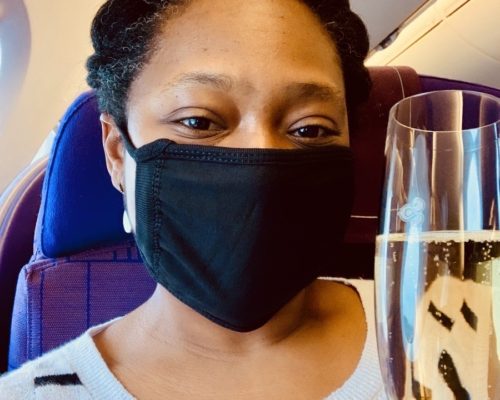
On my return trip from Vietnam, I transited Japan. I was fortunate enough to be able to use miles to sit in first class. The first class lounge put restrictions on travelers’ activities and they limited people’s contact with other each other to prevent the spread of the coronavirus. Most airport personnel wore face masks, but only person asked me if I had transited China. Besides the fact that not a single flight I took was full, my trip seemed mostly normal.

vietnam Coronavirus
[penci_fancy_heading _text_align=”left” p_title=”Southern Vietnam” title_tag=”h5″ _title_typo=”font_family:Simonetta%3A%22regular%2Citalic%2C900%2C900italic%22|font_style:400%20regular%3A400%3Anormal” _subtitle_typo=”font_family:%3A” _desc_typo=”font_family:%3A”][/penci_fancy_heading]

Ho Chi Minh City, one of Vietnam’s major cities, still felt crowded but there were clearly fewer tourist around. And, the Vietnamese were definitely concerned about the spread of the coronavirus. As soon as I got into the taxi at the airport in Ho Chi Minh City, my driver asked, “have you heard of corona?” When I responded yes, he asked me where was my mask.

The people sitting at the front desk of my Airbnb apartment building took my temperature. I also had to give them a copy of my passport just in case I or someone else in the building got sick. That way they would be able to do accountability for travelers. However, they only checked my temperature once, so I’m not sure their methods were effective.

Some public places, like the Jade Emperor Pagoda, had signs asking that everyone wear a face mask. While other places, such as the War Remnants Museum, would not let you enter the premises without taking your temperature.

Traveling to the Mekong Delta was calm and peaceful and it felt like the pandemic was happening a world away. All of the tourists still washed their hands or used sanitizer regularly. But, everyone on the trip shared a communal meal and spent an entire day together in close proximity.

vietnam coronavirus
[penci_fancy_heading _text_align=”left” p_title=”Central Vietnam” title_tag=”h5″ _title_typo=”font_family:Simonetta%3A%22regular%2Citalic%2C900%2C900italic%22|font_style:400%20regular%3A400%3Anormal” _subtitle_typo=”font_family:%3A” _desc_typo=”font_family:%3A”][/penci_fancy_heading]

As I traveled to the central part of Vietnam, people seemed to be slightly more relaxed but still had their guards up. People definitely wore face masks. But, I was surprised that my Airbnb host in Hoi An did not talk to me at all about the coronavirus. And, they did not ask me a single question about my recent travel or did they take my temperature.  There was a noticeable difference in Hue, possibly because I stayed at a hotel. They not only took my temperature, but asked me several questions about previous travel and how long I spent in each location.

The biggest and saddest sign of the coronavirus in central Vietnam was the lack of people. Chinese and South Koreans make up the large majority of the some 5 million people who travel to Hoi An and Hue each year. Since Vietnam put travel restrictions on both of these countries, the towns and all major sites were nearly bare. I never expected to have such freedom to roam Vietnam. When visited tourist sights that are normally extremely crowded, I was able ot take photos without a single person in my shot.

coronavirus

My Son Sanctuary

vietnam coronavirus

The Citadel, Hue

[penci_fancy_heading _text_align=”left” p_title=”Northern Vietnam” title_tag=”h5″ _title_typo=”font_family:Simonetta%3A%22regular%2Citalic%2C900%2C900italic%22|font_style:400%20regular%3A400%3Anormal” _subtitle_typo=”font_family:%3A” _desc_typo=”font_family:%3A”][/penci_fancy_heading]

My luck started to change as I traveled to Hanoi. Just a day before I had arrived in the city, a woman returning from London tested positive for the virus. She was staying within a few minutes walk from my Airbnb and the government had locked down the streets surrounding her house. They also quarantined at least 200 people and isolated another 500. Because of widespread panic, my taxi service was nervous about dropping me off at my Airbnb. Also, one tour company canceled my tour since they considered my location too close to the outbreak zone.

For the first time during my trip, my anxiety started to build. I was not so much worried about getting sick. But, I was worried about being quarantined in Vietnam or the US. 

vietnam coronavirus

At the time, there was little I could do to change my trip or the situation besides wash my hands and clean surfaces I came in contact with. So, I enjoyed the rest of my trip. As someone new to the city, Hanoi’s old city seemed to be alive and packed. But, the locals made it clear that tourism was down because of the coronavirus. And, just like Hoi An and Hue, tourist sites in Hanoi were bare, hardly a person in sight

My final destination in Vietnam was to Halong Bay, which most consider to be one of the most touristy sites in the country. It normally has 5,000 to 6,000 tourists everyday, largely Chinese and South Koreans. However, during my time in Vietnam, the government forced companies to limited the number tours to Halong Bay because they had confirmed cases on one of the islands.  Every site we visited turned out to be fairly empty and I hardly saw anyone who was not in my tour group.

Traveling to Asia
[penci_fancy_heading _text_align=”left” p_title=”Interesting Observations…” title_tag=”h5″ _title_typo=”font_family:Simonetta%3A%22regular%2Citalic%2C900%2C900italic%22|font_style:400%20regular%3A400%3Anormal” _subtitle_typo=”font_family:%3A” _desc_typo=”font_family:%3A”][/penci_fancy_heading]
It’s getting hot in here…

During my trip, I do not think I chatted with a single Vietnamese person who did not say that it was too hot for the virus to survive in the country. Of course, that information is questionable since places like Singapore and Australia continue to see new cases.  The virus is new and scientists are still trying to understand how the virus will behave in warmer weather.

Cover your mouth!

There are lots of interesting things you will discover while traveling in Asia. One thing that I found to be particularly odd, is that I rarely saw anyone cover their mouth when they sneezed or coughed. Considering all that is happening around the world because of coronavirus as well as the new outbreak in Vietnam, I was really puzzled by this.

The face mask

It is more common to see people in Asia wearing a face mask regardless of coronavirus. So, without fail, it seemed like almost everyone on the street wore a face mask. Probably because wearing a masks provides some sort of false comfort. However, most people did not properly wear them or wore them for way too long to be effective. Occasionally, I saw people take off their mask to openly cough or sneeze, and then put the mask back on. It was unbelievable.

[penci_fancy_heading _text_align=”left” p_title=”Final thoughts…” title_tag=”h5″ _title_typo=”font_family:Simonetta%3A%22regular%2Citalic%2C900%2C900italic%22|font_style:400%20regular%3A400%3Anormal” _subtitle_typo=”font_family:%3A” _desc_typo=”font_family:%3A”][/penci_fancy_heading]

It has been three weeks since I boarded a plane from the United States and just one week since I returned from my trip to Vietnam. Life in both countries has changed quite a bit in that short time because of coronavirus. As I finish this post, more than 85 people in Vietnam have been infected. That is up from 16 just three weeks ago. As for the United States we have gone from about 65 cases when I started my vacation to more than 24,000 today. That number will surly be higher before I publish. We have gone from a country with a vibrant economy, to more than 2 million filling for unemployment benefits this week alone.

Travel to pretty much every country on the globe has been suspended, schools are closed, and business have stopped operating. It is unclear what the next few weeks or months will bring. But, I am so grateful that I got to visit one of the most beautiful and fun countries I have been to in a long time. I am looking forward for things to get back to normal. Then, we will all once again share our cultures and ways of life with each other!

Japan: Three Restaurants You Must Try

restaurants

Japan is a culinary powerhouse! Before I get into the three restaurants you must try in Japan, let’s talk about Japan’s food culture. Japanese food culture is so important to its society that it is classified as a world heritage. The means that it is unique and stands out from other food cultures. Centered around regions in Japan and seasonal food, Japanese kids learn the importance of food from an early age. In part, the Japanese use food to teach teamwork and responsibility.

If you get the chance to spend a considerable amount of time in Japan, you will notice that food colors and flavors change throughout the seasons. Even sushi varies throughout the country. Part of food tourism in Japan centers around this, which brings people together. It is so influential on the culture that it is only the fifth culinary heritage added to UNESCO. And, it is only one of two entire cultures to be recognized, the other being France.

10 Etiquette Tips for Japan: First Time Visitor Guide

10 Easy Tips for Travel in Japan

Chinese and Korean foods greatly influenced Japanese cuisine. Japanese food is now one of the most popular foods in the world, and I am sure when you think of Japanese food today, you think about how delicious it is. Sushi, fish, soy-based foods, noodle soups and tempura are just a few things that come to mind.

Etiquette in Japan

No matter where you dine, there is an etiquette to eating in Japan. Let’s start with chopsticks. They are the main way to eat food in Japan. I have not at all mastered how to use them, even though I have really tried. I am sure that during my trip, many people wondered why I was staring at them. But, I was trying to figure out how to use chopsticks properly.  There are a ton of things you can do wrong with chopsticks, and for most foreigners, it is easy to commit a faux pas.

  • Always pick them up with the right hand
  • It is best not wave them around
  • Do not point chopsticks at people
  • Passing food between chopsticks is not okay
  • Do not stick them vertically in your food

Unlike in the US, mixing wasabi and soy sauce is not the norm in Japan. It is better to put wasabi on sashimi and then dip it in soy sauce. Also, walking down the street while eating or drinking is a big no no in Japan. This can sometimes be weird because street food is a thing in Japan. And, it seems perfectly normal to eat food and walk down the street at the same time. But, do not be surprised to see people huddled around a food stand and stuffing their faces before moving on with their day. Finally, slurping large bowls of noodles is perfectly okay and expected!

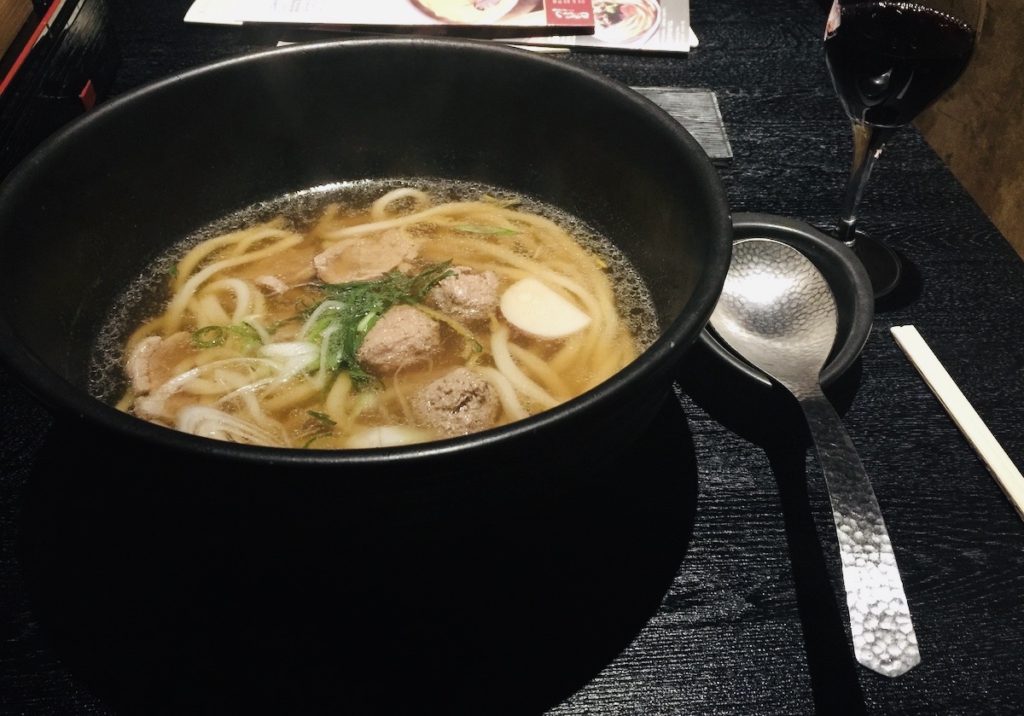
So, with all of that said, I want to share my three favorite food experiences in Japan. First of all, I ate a LOT of noodles during my trip. I love ramen and udon. It was always an amazing meal no matter how cheap or quick they were. However, I did not want to leave Japan without treating myself to some unique experiences.

1. Kobe Beef Kaiseki 511

Kobe beef is one food item on my bucket list that I was super happy to try. I am always up for succulent, tender beef, and Kobe is some of the best. Kobe is Wagyu beef from cattle raised in Japan and is considered a delicacy. It has a ton of flavor due to its fatty nature. Kobe was impossible to get in the United States between 2009-2012 because of a disease outbreak and it its still rare to find on US restaurant menus. That is why I had to have it during my trip to Japan.

Kobe Beef Kaiseki 511 is a restaurant you must try in Japan. Located in Tokyo, it came highly recommended as a place to have a Kobe food experience. I chose to do the seven course Kobe tasting menu plus a seasonal appetizer plate. Everything was well-prepared, beautifully presented and delicious. They served Kobe beef in so many different forms from raw to fried. The meal was a dream and the service was perfect.

Tips:

Getting there: I highly recommend making reservations. The restaurant website provides several options on how to get to the restaurant. I did not have a car, so I took the subway.

Dress: I think business casual is appropriate, but you can certainly dress fancy and still fit in.

Cost: $$$$

2. Kyoto Gogyo

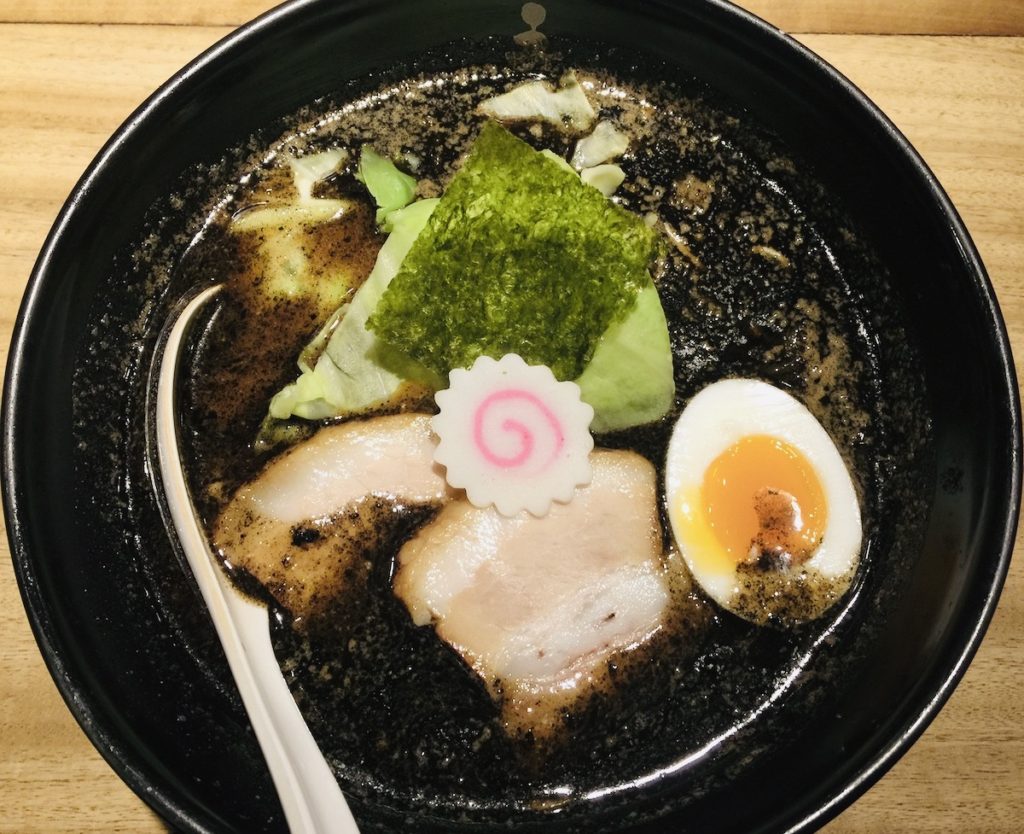
Gogyo is also a restaurant you must try in Japan. Located in Kyoto, it is known for its burnt miso ramen noodle soup. As I have already mentioned, I love noodles. There are eight different types of noodles that are part of Japanese cuisine. Some are served hot, and others are served cold. My favorites are ramen and udon and I do not think I went a single day during my time in Japan without eating one or the other. The Japanese imported ramen from China. Now it is one of the most popular dishes in Japan and eaten all over the world. Noodles are inexpensive and the Japanese consider them to be a convenience food, especially since one can find them on pretty much any corner in the country.

There are several ramen soup bases. My favorite is Shoyu (醤油, Soy Sauce), which is a clear, brown broth flavored with soy sauce. Toppings for the soup include chashu (roasted or braised pork), moyashi (bean sprouts), tomago (hard or soft boiled egg), various types of seaweed, among other things. Usually, the only sided dish is gyoza (pot stickers).

I was intrigued by Gogyo burnt miso ramen noodle soup. I eat Ramen in the US quite often, but I had never heard of it. While, I normally do not order miso-based ramen soups, I had to try it. It was amazing. I expected to have a burnt taste, but instead it had a smoky flavor that brought out the other flavors of the dish. It was worth trying and I would love to enjoy another big bowl of burnt miso ramen soup.

Tips: 

Getting there: There are a few locations in Japan, but I went to the one in Kyoto. Be prepared to wait to get seated, as the restaurant is popular. If you are only going for the ramen, then offer to sit at the bar instead of the main dining area of the restaurant to help you get in sooner. Gogyo is in  downtown Kyoto, and as for all of my other outings in the city, I rode a bike to the restaurant. It is very close to Nishiki Market so it is possible for you eat at Gogyo and tour the Nishiki Market during the same outing.

Dress: Dress is casual!

Cost: $

Japan

3. Tempura Endo Yasaka

Whenever you are doing research about food in Japan, you will for sure come across tempura, or fried food. It is usually seafood or veggies. Unlike fried food in the US, tempura batter is much lighter, fluffy, and crispy. Japanese usually serve tempura it with sauce or salted without sauce. The best part is that Japanese usually serve it and eat it hot, immediately out of the fryer. Today, Japanese enjoy a lot of tempura at food stalls. It is a custom from the Endo period when it was forbidden to make tempura indoors because it was a fire hazard, since most houses were made of paper and wood. Even though that is the custom, it is worth going to a sit down restaurant to enjoy a tasting menu full of yummy fried food.

For my food experience, I chose to eat at Tempura Endo Yasaka in Kyoto. You will find mixed reviews about this restaurant, but I though it was a fantastic experience. The service was great and the food was delicious. At the restaurant, you have the option to sit at the bar right in front of the chef as he prepares every course, which I recommend. Even though I was there for the fried food, the courses included some fresh sashimi fish, which was nice. The meal was well balanced and one of the best things I ate in Japan.

Tips:

Getting there: I recommend that you make a reservation. The restaurant is not that big and it is quite popular. It is situated in an ornate wooden teahouse south of Gion. I rode the bike that my Airbnb provided for me to the restaurant. It was a little hectic getting there because the streets were crowded, but I got to see a lot of women dressed in kimonos during my ride. So, that was fun. Depending on where you are in the city, walking may be the best way to get there, while enjoying Kyoto.

Dress: I was dressed in smart casual but that was mostly because I rode a bike there. Others were in business casual or date night attire, so I was a little out of place.

Cost: $$$$ – This was one of my more expensive meals in Japan

Solo Travel to Japan: 5 Tips For Your Trip

Solo travel to Japan

Solo travel to Japan! What a great time I had all by myself in such a fascinating place. So much of the country intrigued me that I had wanted to go for a long time. The culture, food, and history all seemed so unique from what I had experienced in the Western world and Africa. So, of course it was at the top of my bucket list. My trip to Japan did not disappoint. Of all of the countries I have traveled to, it ranks high on my list as one of the best places I have been. And, I hope to return someday to see and experience more because after almost two weeks, I had only scratched the surface. My bucket list is still full of Japan related things that I need to check off.

By the time I made it to Japan, I had already visited more than 30 countries, many of which I had gone to by myself. However, solo travel to Japan terrified me to the point that I actively looked for a travel partner. It ended up that everyone was busy when I wanted to go, so I was on my own.

You may be wondering why solo travel to Japan worried me. Well, for starters, the language barrier. I took years of Japanese in college but that was forever ago and I only remember a few words. I certainly cannot read Japanese anymore and I had heard that most of the signs would only be in Japanese. It was the first time I traveled to a country where most of the people did not speak English, signs were not in English, and I did not know enough of the language to get by.

My second fear was being an African American woman wondering around a country that has a relatively homogenous population. The major cities are very crowded and it is not uncommon to see a sea of people who are all dressed in dark colors with mostly with the same dark colored hair. Even umbrellas tend to be one of two to three colors. Man, I stood out. I was expecting to see a lot of stares and pointing, and to hear whispers or people wanting to take a picture with me.

10 ETIQUETTE TIPS FOR JAPAN: FIRST TIME VISITOR GUIDE

The Best Japan Itinerary: How to Get the Best out of 10 Days in Japan

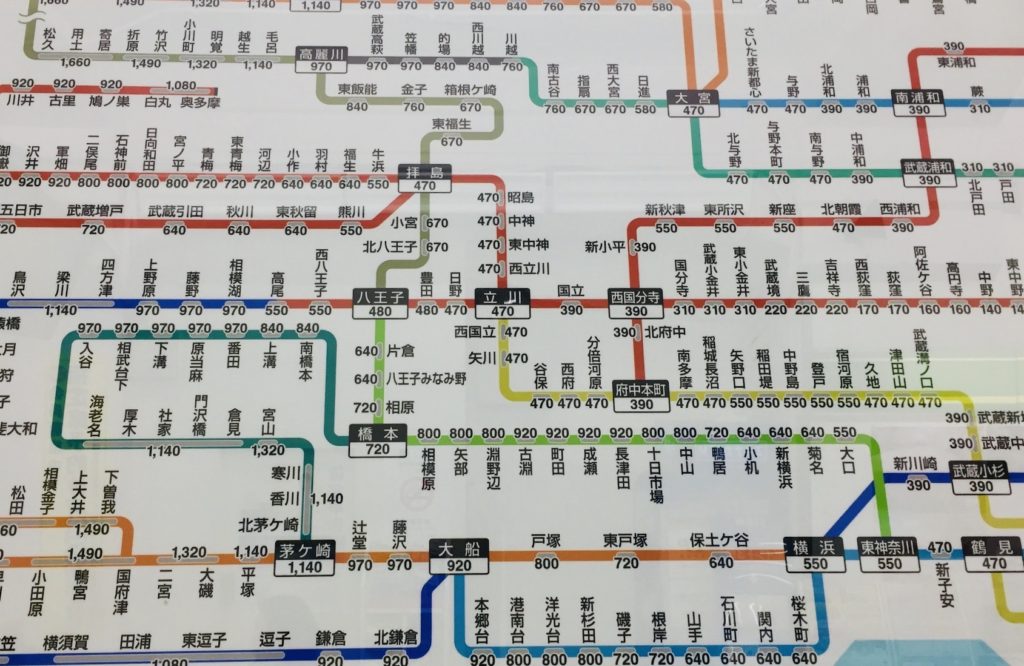
During my solo travel to Japan, I really had no reason to worry. It was true that the language barrier was a real issue. Outside of a few stores and some restaurants, I did not find many people who spoke English. Almost no one could give me directions in English. The massive transportation system was difficult to navigate. There were several times I was standing in front of a metro map full of Kanji characters wondering how in the world was I going to find my way to my destination. However all of my planning saved me. Google Maps and Citymapper were my best friends to help me navigate each Japanese city I visited.

Also, people did not really stare, point or whisper. If so, then they were good at hiding it. I was shocked that I felt very welcomed and at times invisible. I know that may sound weird, but I just mean that I did not have a lot of eyes on me.

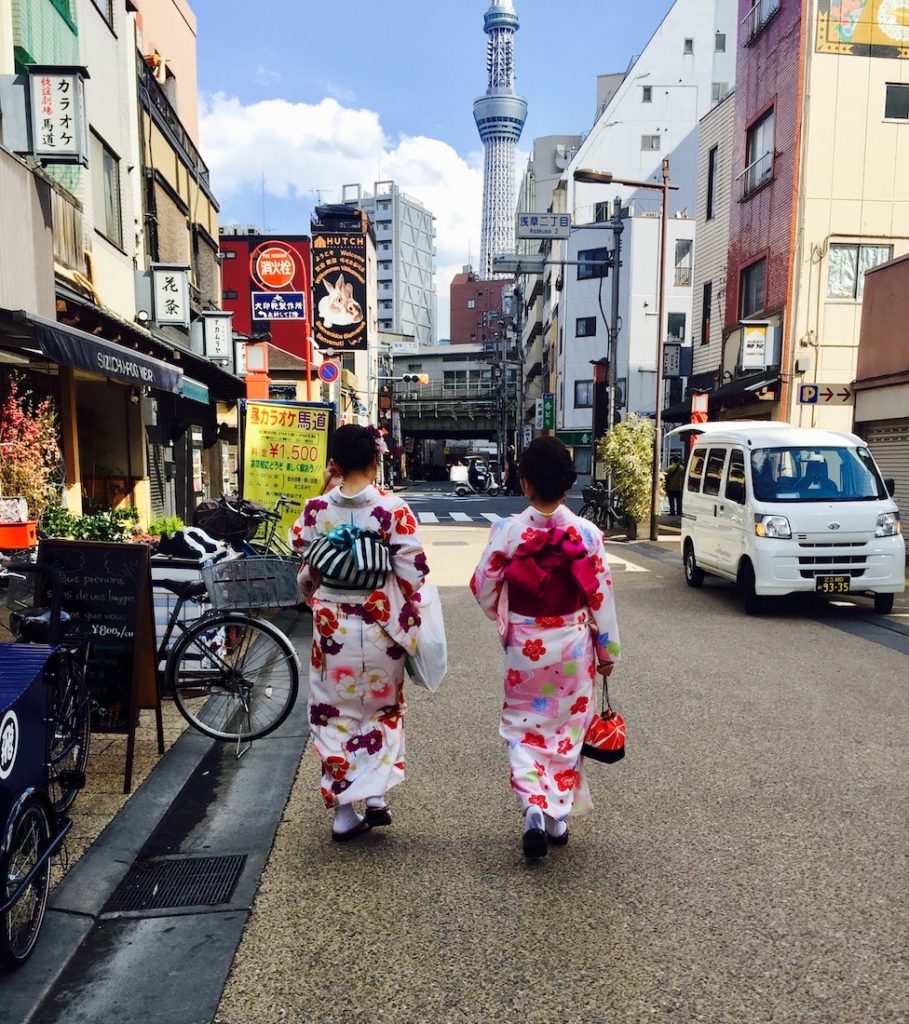
Even with all of my initial fears about solo travel in Japan, the culture is what intrigued and sucked me in. Asia in general is a mystery to me. It seems so unique and different from the Western world that I cannot help but be fascinated by it. Japanese people can seem very formal and ridged, especially to outsiders. However, the country and its people are so colorful, artistic, and vibrant. There is a mix of modern and traditional at every turn. Such as, watching women beautifully dressed Japanese traditional dressed in kimonos stroll down the street.

Solo travel to Japan

Where else can you enjoy Sumo (相撲 sumō, literally “striking one another”), a Japanese style of wrestling. Two large men spend several minutes extending their arms, stumping their feet, and squatting to size each other up and to intimidate their opponent. All before trying to push the other person off of the mat or bring them to their knees. As the country’s national sport, its origins go back at least 1500 years, making it one of the oldest organized sports. The tournaments are completely in Japanese with no English translation, just go along with what the crowd does. Cheer when they cheer and boo when they boo!!

And, if none of that appeals to you, then Japanese food should be enough to make you want to go to Japan. Fresh fish and sushi, bowls and bowls of noodles, and freshly fried everything is just amazing.

As a matter of fact, I ended up being happy that I was traveling solo. There were so many surprises that deviated me from my plans. Many times I jumped off of a train just because I saw a street or part of a town that looked interesting. I am not suggesting that is impossible to do this if you are traveling with a companion, but it certainly is easier to do if you do not have to check in with someone for your every move.

Solo travel to Japan
[penci_fancy_heading _text_align=”left” subtitle_tag=”h4″ p_title=”Tips for Solo Travel in Japan” title_tag=”h3″ _title_typo=”font_family:Cinzel%3A%22regular%2C700%2C900%22|font_style:400%20regular%3A400%3Anormal” _title_fsize=”px” _subtitle_typo=”font_family:%3A” _desc_typo=”font_family:%3A”][/penci_fancy_heading]

If I was faced with the same choice to travel to Japan solo, I would do it without question. Most importantly, preplanning was the right thing to do and saved me from my fears. It made it easy to get around and to enjoy the trip without worry. I completely believe that my trip was amazing because of it because half of the battle wass being able to navigate cities. Here a few tips that I hope will help you plan your trip to Japan.

[penci_fancy_heading _text_align=”left” p_title=”Getting Around” _title_typo=”font_family:Cinzel%3A%22regular%2C700%2C900%22|font_style:400%20regular%3A400%3Anormal” _subtitle_typo=”font_family:%3A” _desc_typo=”font_family:%3A”][/penci_fancy_heading]

One thing that made me most nervous about solo travel in Japan was the transit system. Taxies are insanely expensive in Japan, so the train and subway are best ways to get around. The rail and subway systems are massive, and some of the stations do not have English translations of the train lines. I recommend either stopping at the JR East Travel Service center in the Narita Airport before heading into the city. You can also order or print maps of the cities you plan to visit ahead of time, which you should definitely do for travel outside of Tokyo.

The rail and subways in Tokyo are like underground cities and are the busiest in the world. Over a million plus people transit some of Tokyo’s stations each day. These are no ordinary train stops, where your only options are to go left or right when exiting. One of Japan’s largest station, Shinjuku Station, has 200 exits, so it is important to have an idea of where you need to end up. Citymapper will give you step by step instructions on how to plan your trips, to include telling you what part of the train you should get on and which exit to take out of the train station to get to your final destination.

Trains arrive and depart exactly when they are scheduled too! If you are late even by 30 seconds, you risk missing your ride.

JR Rail Pass

Whether you are doing solo travel to Japan or with a group, if you are going to be in Japan for several days, I highly recommend purchasing a Japan Rail Pass. It is a multi-use, discounted ticket for travel on all JR national trains in Japan. The pass includes the Shinkansen bullet trains you take to get around the country. It is a much cheaper way to get around and will save you LOTS of money. Just to paint a clearer picture, a 7 day pass cost me the same amount as a one round trip ticket between Tokyo and Kyoto.

The pass is only available for foreigners and you must purchase it before arriving in Japan. There are options for 7, 14, 21 consecutive days of travel. It takes about 2-3 days for the pass to arrive at your mailing address. I recommend giving yourself some extra time to receive it.

You can validate your pass at the JR East Travel Service Center at Narita airport when you land as well as other areas round the country.  The clock starts on the pass after you use it for the first time.

Solo travel to Japan

Subway/Metro

You cannot use the JR rail pass on the Subway in Japan, but it’s relatively inexpensive to ride. Tokyo offers a 24, 48, 72-hour metro tickets that are only sold to foreigners. Starting price is less than $8.

Google Maps/SIM cards

If you have an unlocked phone, you should buy a SIM card at the airport. Being able to use the internet and Google Maps during your trip will make life much easier. (Prices start around $30).

You can order a SIM card before your trip, but I like to buy it in country to to ensure I get what I paid for.  If buying a SIM card is not an option, I recommend downloading Google Maps to use offline or renting a pocket WIFI router. There are many places where you can purchase one.

[penci_fancy_heading _text_align=”left” p_title=”Rent a Bike in Kyoto” _title_typo=”font_family:Cinzel%3A%22regular%2C700%2C900%22|font_style:400%20regular%3A400%3Anormal” _subtitle_typo=”font_family:%3A” _desc_typo=”font_family:%3A”][/penci_fancy_heading]

I was fortunate enough that the Airbnb that I stayed at in Kyoto had a bike available for me to use around the city. The bike ended up being quite handy and used it everyday to get around Kyoto. It was fantastic. I thought the metro system was even more difficult to navigate in Kyoto than in Tokyo. Pretty much nothing was in English. So, having a bike made getting around the city so much easier. I put Goggle Maps on my phone, strapped it to the bike basket and rode all over the city. There are several locations all over the city where you can park your bike, or there are bike garages in busy parts of the city that you can use for a small fee. There are several bike rental shops around Kyoto. Rent-a-bike and J-Cycle are good locations to rent bikes.

[penci_fancy_heading _text_align=”left” subtitle_tag=”h3″ p_title=”Book Tours” _title_typo=”font_family:Cinzel%3A%22regular%2C700%2C900%22|font_style:400%20regular%3A400%3Anormal” _subtitle_typo=”font_family:%3A” _desc_typo=”font_family:%3A”][/penci_fancy_heading]

Navigating most new cities can be difficult not matter the country, but it can be even harder when part of the population does not speak your native language.

While getting around Japan, I exclusively used the JR and Subway systems, but when I wanted to visit a site and learn more about the location, I booked tours through Viator.com, tokyotravelpal.com,  and getyourguide.com

[penci_fancy_heading _text_align=”left” p_title=”Eating Alone” _title_typo=”font_family:Cinzel%3A%22regular%2C700%2C900%22|font_style:400%20regular%3A400%3Anormal” _subtitle_typo=”font_family:%3A” _desc_typo=”font_family:%3A”][/penci_fancy_heading]

Many people are nervous about eating meals alone. It is not something that really bothers me that much. And, it was no different during my solo travel to Japan. In almost two weeks in Japan, I ate at only two “fancy” restaurants. Otherwise, I ate A LOT of noodles. Occasionally, ate sushi at a sushi conveyor belt restaurant. But, noodles were the easiest and quickest meal to find in Japan. I love the way the Japanese enjoy their noodles…quickly.

It is easy to order and comes out fast. People generally are on a mission to eat their hot bowl of noodles as quickly as possible and then move on with the rest of their day. That means it never really feels weird to be eating alone because most people will be eating alone too. During my trip, I did go to a fancy Kobe beef restaurant in Tokyo and a tempura restaurant in Kyoto by myself. Those experiences were great too. They treated me like royalty!

As always, I take reading material with me to fill the gap between courses, but I in this case spent most of the time enjoying the atmosphere and the wait staff. I did not have the normal awkward moments when I eat at fancy places by myself.

Japan: Three Restaurants You Must Try

Solo travel to Japan
[penci_fancy_heading _text_align=”left” p_title=”Is Japan Safe?” title_tag=”h3″ _title_typo=”font_family:Cinzel%3A%22regular%2C700%2C900%22|font_style:400%20regular%3A400%3Anormal” _subtitle_typo=”font_family:%3A” _desc_typo=”font_family:%3A”][/penci_fancy_heading]

During my solo travel to Japan, I was never worried about my safety. It is a country where you can roam the streets very late at night without much fear. As with any city, there are parts of town where you should be more cautious. Such as slums and the red light district. Otherwise, I think it is safe to take normal precautions in Japan.

Thailand: 15 Things You Must Do

things you must do in Thailand

Thailand was the first Asian country that I visited. It is such a beautiful, interesting place that even after almost two weeks of travel, I felt like I had just begun to discover the country’s gems. I did try to squeeze in as many of the highlights as possible. Here are what I think are the 15 things you must do in Thailand.


See Bangkok’s sites

Bangkok is one of the busiest cities in Thailand. I think the best way to get around to see the major sites is to join a tour group. I use Viator.com to see places, such as the Grand Palace, Temple of Emerald Buddha (reclining Buddha), and Wat Arun Ratchavararam. If you prefer to see these sites on your own, it is doable, but I recommend that you take time to plan how you will get around the city.

Thailand must do 5

Do a bike tour of Bangkok

I did a few bike tours in Thailand, but rolling around the streets of Bangkok was my favorite. I enjoyed my 3-4 hour bike tour around Bangkok, where you can visit a lot of the local, less touristy sites. During our ride, we visited the flower market and China Town. We even stopped by a lovely bug snack stand. Yes, you read right! The bug snack stand had lots of options. Unlike most of the other people in the group, I did not have the guts to try them.

Watch a Muay Thai fight

Muay Thai or Thai boxing is a full contact sport that is Thailand’s national sport. The best fights are in Bangkok at Lumpinee Stadium.

Eat street food

Thailand has some of the best street food in the world. In Bangkok, you can find street food, such as Pad Thai, fish cakes, fried veggies, and whole fish throughout the city. The food is usually very fresh, often times made right in front of you.

Thailand Food Tour

Take a cooking class

I love Thai food and I am always trying to replicate my favorite dishes at home. As a result, I was on the hunt for a good place to learn how to make Thai dishes. There are many cooking schools throughout Thailand and most of them are very affordable. I prefer schools that have their own farm and grow fresh veggies to use in the cuisine. I took my class in Chiang Mai at the Thai Secret Cooking School.  During an 8 hour course, the instructors demoed every course we made. Then, we made several dishes from scratch, to include curry paste that we used to make a delicious green curry. Many of the ingredients came directly from the school’s organic garden. The school provided us a cookbook with all of the dishes we prepared during the course.

Thailand must do 2
thailand must do 3
thailand must do 4

Do a food tour

Thailand was the first country where I did a food tour. It was such a positive experience that I now do food tours in most countries I travel to. The benefit is that you will go to mom and pop restaurants that have been family owned for generations and taste things you might not otherwise come across.

Get outside of Bangkok

I love the fast-paced nature of Bangkok, with its beautiful temples framing the city’s backdrop. However, there are so many diverse things to see in Thailand. The beautiful mountainous regions in the north that are touched by Chinese influence is something you should not miss. The beaches and islands are some of the best and most beautiful in the world.

Visit Chiang Mai

Chiang Mai is part of the mountainous region of Thailand in the northern part of the country. Cooler temperatures and green landscape will make you feel more relaxed than spending time in Bangkok. It is home to numerous temples, to include the must see Wat Phrathat Doi Suthep. I used Chiang Mai as a base city, to enjoy other parts of the region.

Thailand must do

Wat Phrathat Doi Suthep

Thailand must do

Wat Phrathat Doi Suthep

Get a massage

In Thailand, it’s a must to get a Thai massage. Well, sort of. I definitely wanted to get a massage in Thailand, but I opted out of the “Thai” part of it. I enjoyed my massage at Peak Spa in Chiang Mai, where I had a body wrap, a 60-minute massage, and a milk bath. It was all fantastic. The one difference is that the massage is literally a FULL body massage. Your bottom and breasts will definitely get a rub down. I was a little taken aback at first, but once I relaxed, I fully enjoyed it.

Get a fish pedicure

What in the world is a fish pedicure? That is the question I asked the first time someone recommended that get one. A fish pedicure is when you put your feet into a tank of warm water filled with garra rufa fish. They swim around the tank and eat the dead skin off of feet, leaving them callous free. Now, this practice is banned in some US states and other parts of the world because it is considered cruel to animals. I did not get one done because it just seemed weird, but many people enjoy it.

Khantoke dinner and Dance

I went to a Khantoke dinner and dance at the Old Chiang Mai Cultural Center, which was created in 1970 to showcase Northern Thailand culture. The dance and performances are based on long-standing traditions.  You will sit on bamboo mats on the floor and will be served a large amount of northern Thai food. I was on this trip by myself, so I definitely could not eat everything they served me. The meal was quite good though. While you enjoy dinner, there will be a variety of traditional Thai dances on stage, a sword dance and a drum performance. You can book a tour on Viator.com, which includes transportation.

thailand must do

Visit the elephants

I love elephants! They have so much personality. You can have an up-close and personal experience with them in Thailand. There is a lot of controversy over whether or not people should ride elephants, especially with harnesses and carriages strapped onto the elephants’ backs. However, there are companies that try to focus on the humane treatment and care of elephants. I visited Elephant Nature Park on the outskirts of Chiang Mai where I learned about how to monitor the health of the elephants, fed and bathed them, and then did a short bareback ride on the elephant.

Thailand must do
Thailand must do
Thailand must do

Check out Thailand’s islands

Most people think of Phuket or Krabi when considering beach locations in Thailand. However, I think it is worth staying on one of Thailand’s many islands instead. I traveled to Ko Lanta, where it is quieter and more relaxing than the touristy spots.

Island hop

With more than 300 islands in Thailand, if you are staying on the coast or on one of the islands, you should definitely island hop. There are four island tours from Krabi, Thailand as well as several options to visit some infamous sites like Ko Mook Emerald Caves and Phi Phi island.

Go scuba diving

Scuba diving was one of the items on my bucket list to check off during my trip to Thailand. The water and marine life are some of the most beautiful in the world. Also, Thailand’s dive schools are PADI certified, so I felt like I was going to be in good hands. If you have checked out my bucket list, then you will know that scuba diving was on my adventure list. I thought the experience was amazing, but I’m not sure I can stomach doing it again. Regardless of my fears, I still thought it was well worth it. If you are an experienced diver or just like the occasional plunge, Thailand is ranked high on scuba divers’ list.