Gorilla Trekking in Rwanda: The Ultimate Guide

Gorilla Trekking in Rwanda

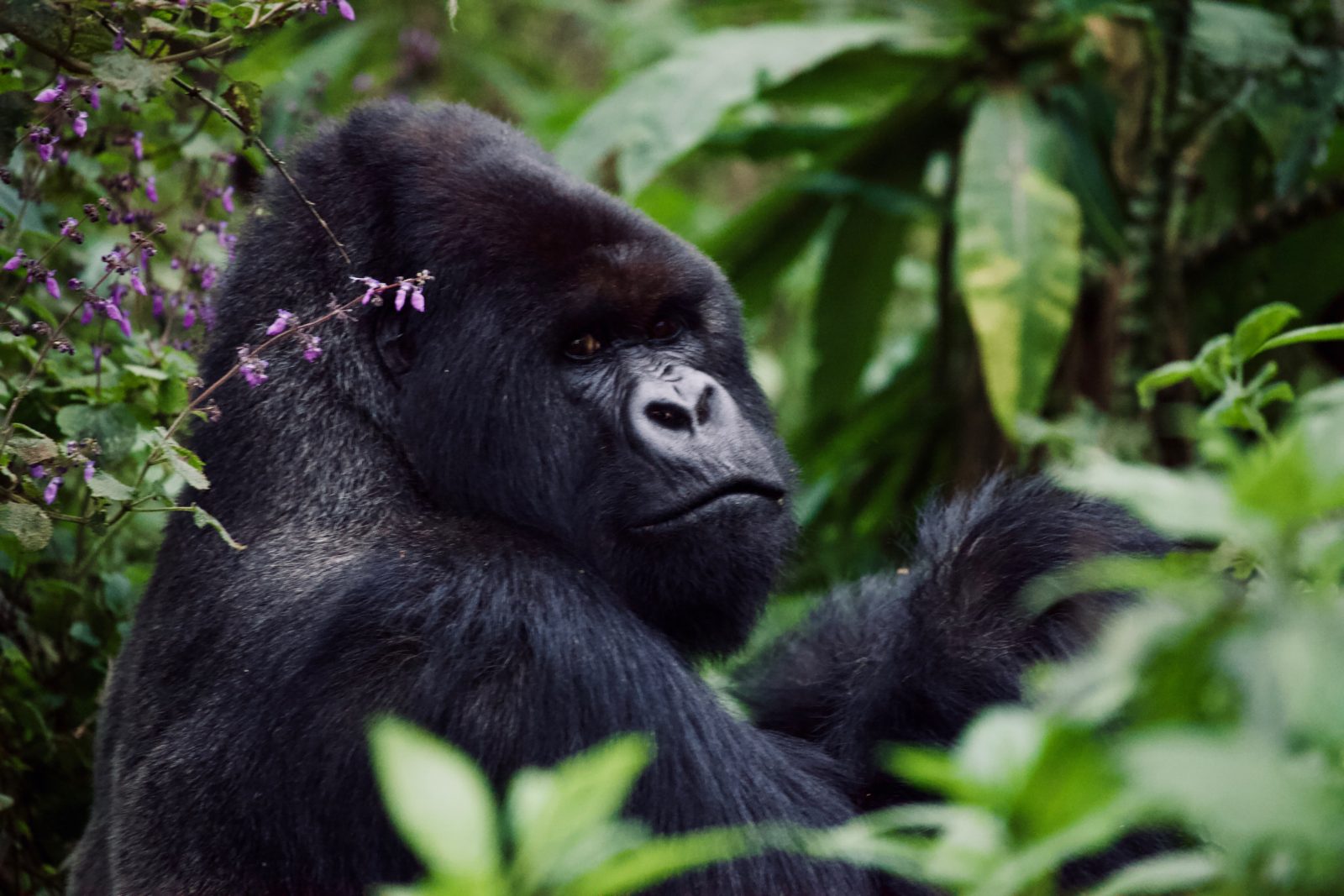
I am drawn to nature, but there are few things that have been as awe-inspiring as gorilla trekking in Africa to see gorillas in their natural habitat. I almost did not check this item off of my bucket list because it is quite an expensive adventure. However, I am so glad that I did not miss out on this opportunity.  The Gorilla Berengei Berengi (Mountain gorilla) lives in the Congo, Rwanda, and Uganda. There are some 900 gorillas that remain in the region as the numbers have dwindled due to poaching. That makes this experience even more amazing. 

Bucket List: Moroccan Desert Tour

What to Expect

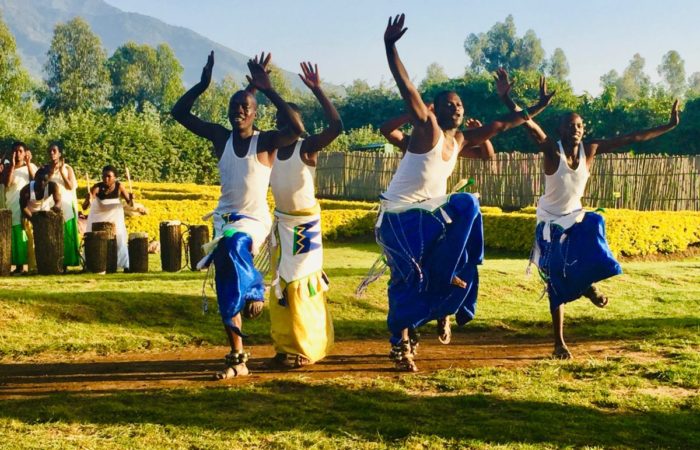
After an early rise, you will meet up with a crowd of other excited trekkers in the Volcanos National Park. Before you are divided up into groups of 8 people, dancers perform the Rwandan Traditional Dance.
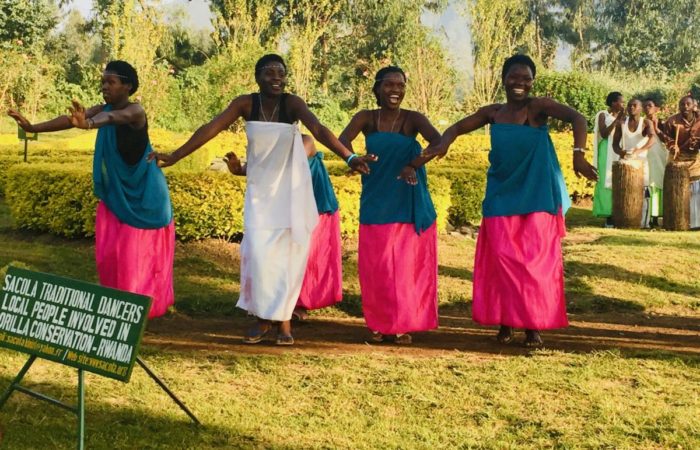
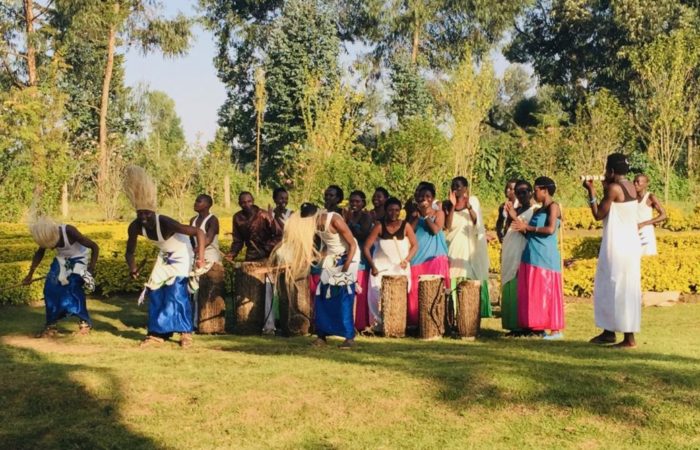
Gorilla Trekking in Rwanda_pic 1
Gorilla Trekking in Rwanda_pic 3
Gorilla Trekking in Rwanda_pic 2

Depending on where you start gorilla trekking, it may take you up to 1.5 hours to drive to small villages near the mountain and another 30-45 minutes to reach the base of the mountain. Before the trek, you will be able to hire a porter for about $20, which I highly recommend, to carry your belongings and help you up the mountain.

Before you begin gorilla trekking, your guide will talk to you about safety, respect, the gorilla community. They will also discuss something about the family you will meet. Now the real hike begins!!

We walked through a beautiful bamboo forest and then we started the climb. Gorilla trekking is TOUGH. Your guides will barely break a sweat as they cut back the thick forest and bamboo to make a path. Meanwhile, you huff and puff up and question your choices in life. The trek can last anywhere from 30 minutes to several hours.

My group had a very steep, 3 hour climb. Just as we started to question what we had gotten ourselves into, we found a large family of gorillas with twin babies.

We even had a close encounter with a naughty black back who jumped out of a tree right in front of us. After 1 hour with the gorillas, we started our hike down the mountain, which was a much easier task. Our trek was 6 hours round trip. It was worth it.


What to Pack for Gorilla Trekking

• Long pants and long-sleeved shirts: Even if it is hot, you will want to be covered to protect your skin from stinging nettles

• Hiking boots: No flip-flops!! You will have major regrets if you choose to hike with exposed feet. However, I recommend keeping a pair in your backpack for when you complete the hike. Your feet will want relief after hours of hiking.

•Rain jacket:  Even if there is not call for rain, it could happen suddenly.

•Plenty of water and lunch or snacks: Remember, you may be hiking for hours

•Good Camera: I took a very expensive camera and lens, put them in my backpack, and let my porter carry it until we found the gorillas.

• Plastic bag for muddy boots. Our hotel cleaned our Boots, but not every hotel offers that service.

•Hats, sunglasses, and sunscreen.

•Binoculars

Book your trip for gorilla trekking well in advance of your planned travel. The number of trekkers is limited to about 56 per day to protect the habitat. The permit for foreign visitors to trek in Rwanda is $1500pp. If that is outside of your budget, the permit in Uganda is much cheaper at $600.

Enjoy going on Safari? Check out this post: Planning your Safari in Kenya
5 Tips for Easy Travel in Kenya

travel in kenya

Travel in Kenya is probably one of the highlights of my all of may travel experiences. I love all the many facades of the country. From city life, to the mountains; from the coast to safari parks, there is so much to love about this country. As much as I enjoy traveling on the African continent, it can be a little daunting if it is your first time traveling there no matter the country. Kenya is no exception. Here are my 5 tips for travel in Kenya to hopefully make your experience more enjoyable.

1. Getting Around Kenya

One of the hardest things about travel to Kenya can be getting around the country. If it is your first time in Kenya, I recommend using a Nairobi-based travel agency, Travel Affairs, to book travel around the country and all of your safaris. To get around Nairobi and for day trips to the surrounding areas, you should hire a taxi for the day. It is completely normal and fairly affordable for the amount of things you can see in one day in the city.

I almost exclusively use Moshel Tours and Travel run by a great guy named Moses (+254 726937965/Moses.mbogo@yahoo.com). Moses has a fleet of drivers who you can call anytime of the day to help you get around the city. He even owns a safari vehicle with an open top, perfect for a safari in the Nairobi National Park. I have used and relied on his company since 2012 for almost all of my travel in Nairobi as well as travel outside of the city.

If you would prefer to book a tour, Viator.com, is a great option.  I use Viator for most of my travels. Regardless of what you chose, for about 7-8 hours of sightseeing in Nairobi, you should pay no more than $100-120.

I would avoid riding in boda bodas (motorcycle taxi) because traffic is crazy and they are more prone to getting into accidents. I would avoid matatus (van taxi) because they are generally packed with riders, do not follow the rules of the road, and you risk being robbed. Finally, I would not take an Uber in Nairobi. Things may have changed, but Uber drivers occasionally come under attack from other taxi drivers because Uber offers lower prices. Make sure you take reputable taxis. You put yourself at a higher risk of being in an accident in non-reputable taxis. Others may disagree, but I’ve spent a lot of time in Kenya and that is my take.

2. What to Pack: Bring layers

Travel in Kenya will require you to pack for a range of weather you may experience in one trip. The equator runs through Kenya, so one would think that it is blazing hot all of the time. Well, not quite. Elevation in Nairobi is 5,889 feet (1,795 meters) above sea level, so the temperature is fairly pleasant all year, averaging in the 70s. In the winter months (June – September), temperatures can drop to the 40s at night and in the summer (December – March), temperatures can rise to almost 90 degrees.

However, travel to Kenya during all times of the year, it tends to be a tad cooler in the mornings and evenings. It’s best to pack a pair of pants and a jacket regardless of when you travel. This is especially true on Safari. Game drives start early in the morning when it is chilly but can become uncomfortably hot during the day.

Of course, if you are traveling to the mountains, it will be cold, the rest of the country fairly hot all year, and the coast is very humid. Pack a hat or sun visor, and plenty of sunscreen.

3.  Shots/Medicine

Before you travel to Kenya, I recommend that you check out the Centers for Disease Control (CDC) and the World Health Organization’s (WHO) travel vaccine and health advice at passporthealthusa.com. You should definitely pack sunblock. The pleasant temperatures, particularly in Nairobi, can be deceiving. Kenya’s proximity to the equator can lead to sunburn even when it does not feel that warm outside.

If you are only traveling to Nairobi, anti-malaria medication is generally not required as mosquitoes do not carry the malaria virus at that elevation. However, it is recommended to take anti-malaria medication if you are traveling to other parts of Kenya. Mosquitos are prevalent no matter what city you are visiting, so pack mosquito repellent.

4. How to Get a Visa for Kenya

I think that before you travel to Kenya, you apply for a visa for Kenya online. It is required for all US citizens and is relatively simple to acquire online. I highly recommend printing off the submitted form and taking it with you to Kenya. From time to time they cannot find a request in the system and having the form may prevent you from having to pay twice.

5. Haggling/Shopping 

The only think I really do not like about travel to Kenya is haggling. Okay, so I HATE to haggle, but it is part of many cultures, to include the Kenyan culture. There are a lot of amazing and interesting things to buy in Kenya from affordable souvenirs–what we call Kenyan swag–to beautiful hand-carved furniture, woven and leather purses, jewelry, and clothing from patterned African cloth. It is common to negotiate the price on all of it. Most brick and mortar shops have fairly set prices. However, all outdoor markets expect negotiation.

Don’t be shy!! Unless you are clearly African to the seller, the first price will be way higher than the average price a Kenyan would pay, which makes perfect sense. My philosophy is to negotiate to a price I am comfortable with regardless. If you do not like the price, politely walk away.

If you are unsure about what is fair, ask your driver or tour guide. They generally have an idea of what you should pay. Just remember, people are trying to make a living by selling you their goods. You do not/not have to buy anything, but be polite about it. Just my two cents!

6.  Safety First

Before you travel to Kenya, here are a few safety tips:

  • I recommend checking out the State Department’s Kenya Travel Advisory to get the latest on crime and terrorism.
  • I love the food in Kenya and there is a lot of variety, but it is definitely possible to end up with an upset stomach. Stay away from street food and consider having your red meat cooked with as little pink as possible.
  • Credit cards work in most brick and mortar shops and restaurants. You will definitely need cash on hand, but travel with only what you think you will spend each day.
  • As I mentioned above, you should steer away from boda bodas and matatus, as they can be dangerous in chaotic city traffic. Stick to named taxis for getting around.
  • Do not travel with a lot of jewelry.