Normandy – 10 Things To Know Before You Travel

Normandy - 10 things you need to know

Normandy is a beautiful region in the northwestern part of France. Home to the D-Day invasion during WWII, infamous cheese, delicious apple products, and coastal towns that have drawn artists to the region for decades. The region’s quiet beauty is a nice reprieve from the bustling nature of Paris. It is definitely on of my favorite places to visit. Here are 10 things to know before you travel to Normandy.

D-Day Beaches

I think Normandy is a beautiful region to visit all on its own, but I do not think a trip to Normandy would be complete without visiting the D-Day beaches. On 6 June 1944, Allied troops landed on 5 beaches, which are now known as Utah, Omaha, Gold, Sword, and Juno. It was a spectacular invasion that was instrumental in bringing down the Nazi regime. There is a lot to see and one could spend an entire week or more visiting all of the sites. No need to do it all, as most of the museums walk through the events.

Mont-Saint-Michel

Mont-Saint-Michel is a city built on a hill near the ocean, which almost everyday becomes an island due to tides.  Definitely a gem of Normandy. It is about a 2 hour drive from Paris and Caen. You could also join a tour group to Mont-Saint-Michel, but you will have more flexibility and opportunity to beat the crowds if you drive. Make sure you visit the beautiful gothic Abbey.

More to Normandy than D-Day Beaches and Mont-Saint-Michel

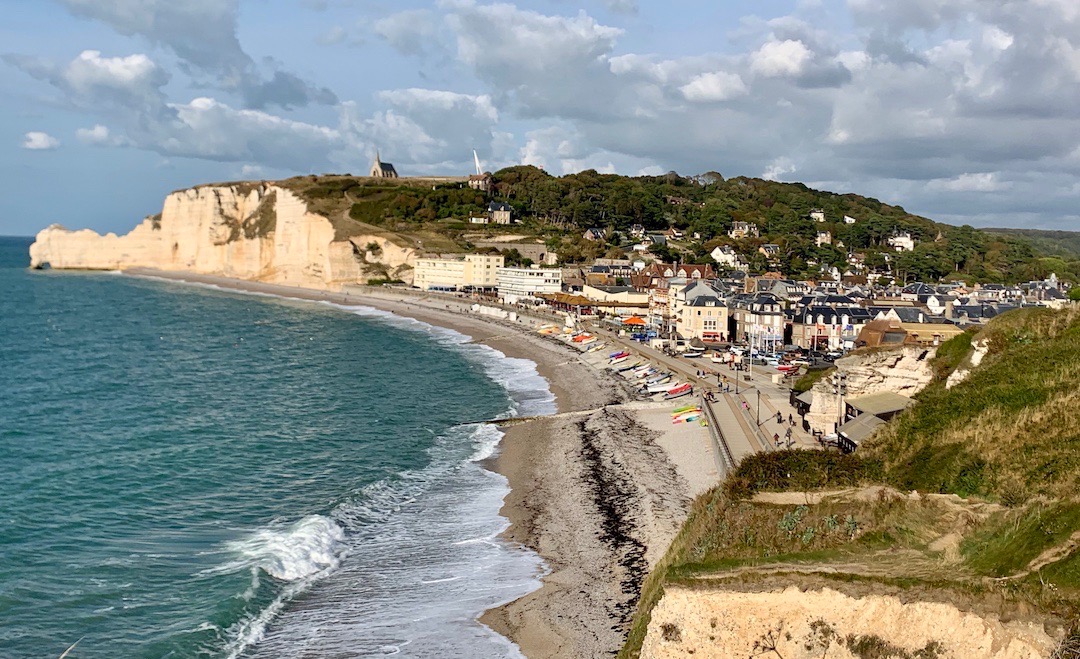
Even though the D-Day beaches and Mont-Saint-Michel are what originally drew me to Normandy, there is so much more. Many people only visit the region as a day trip from Paris, but I think it’s worth staying a week or more in the Normandy region. The beautiful coastline is worth exploring, as well as the many small and cute cities that are sprinkled all over the region. I recommend day trips to Fécamp, Étretat, and Honfleur. If you have even more time, Rouen and Giverny are a must see.

Rent a Car

Unlike Paris or other parts of Franc, getting around Normandy without a car will be very limiting. There is so much to see and so many extremely cute towns to explore. Since driving out of Paris can be a pain, I recommend that you take the train from Paris to Caen. Enterprise, Europcar, and Sixt are all located right outside the train station. There are several other rental car companies near by. Make sure to reserve a car ahead of time, especially if you need an automatic vehicle.

Base in one city

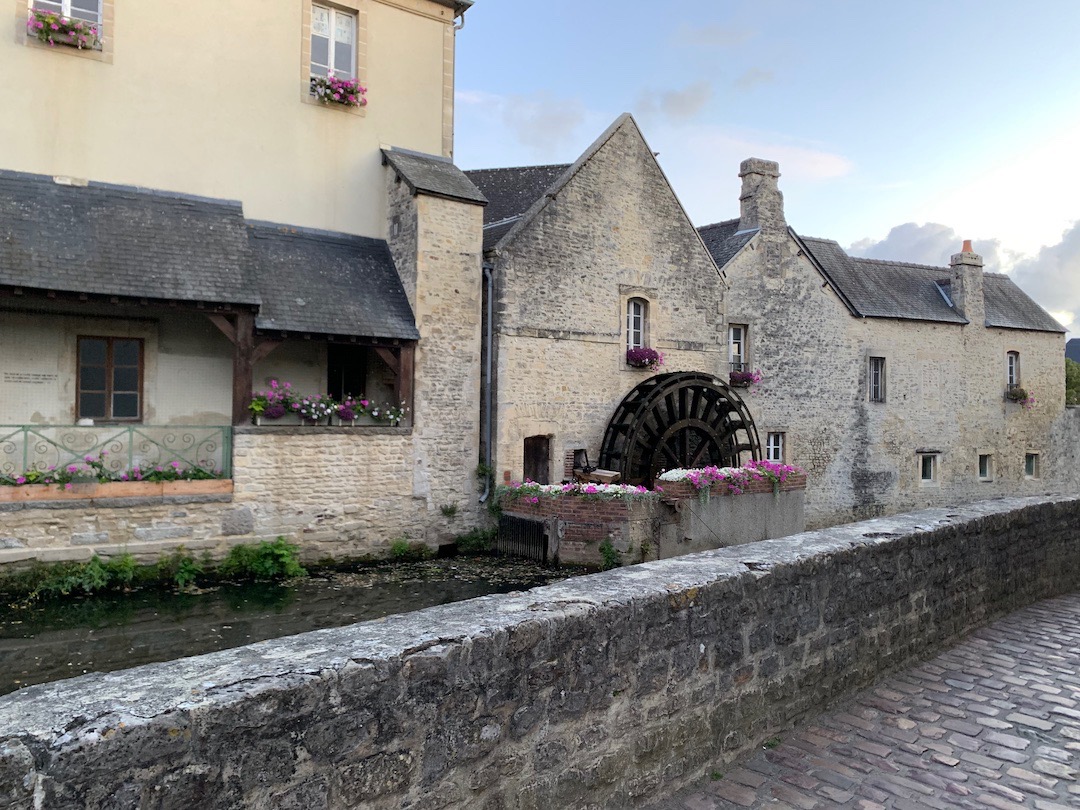
If you plan to spend more than one day in the Normandy region, I think it is best to pick one city to base in and rent a car to explore the area. During my travels, I chose Bayeux. It is a small, cute town that still has a slightly bustling vibe. There are several D-Day memorial sites in the town and it is about 40 min to 2 hours drive from several highlights in Normandy. If you prefer a slightly bigger city, then Caen is also a good choice.

Apples over Grapes

When it comes to France, most people think of the country’s wine and champagne. However, in Normandy, the apple is the king. There are multiple distilleries throughout Normandy where they turn apples into cider, pommeau des normandie (an aperitif), and apple brandy. All three are very different and worth trying. I recommend visiting Calvados Experience, which has the most impressive tour of its facilities and the process, and is about 40 meters west of Caen by car.

Eat butter, cream, and cheese!

Besides its apples, Normandy is known for it’s cows which produce magnificent milk. As a result, Normandy makes delicious dairy products. Camembert, Livarot, Pont l’Evêque, and Neufchatel are the most popular and well-known Normandy cheeses. If you have time, you should do a cheese tour during your trip. I visited Maison du Camembert in Camembert, but E. Graindorge in Livarot is also a very popular tour.

Pack for changing weather

Since many of popular cities and sites are long the coast, the weather can be a tad unpredictable. It can go from sunny and warm to drizzly and cool in a matter of minutes. Dress in layers and keep a travel umbrella or raincoat with you during your travels.

Do you speak English?

If you ask that question in Normandy, the answer is likely to be no or just a little. Unlike Paris, many people in the region do not speak English. It is not uncommon to not have train announcements translated into English. Also, museums in smaller cities may only have signs in French. You can always ask for an audio translation, and some sites will have detailed pamphlets in English. Google translate or a travel size French-English dictionary can also be very handy.

Be prepared to walk

While renting a car is the best way to get around Normandy, once you get to your destination, park your car and walk the city. Many of these towns are better explored on foot. It will give you the opportunity to find surprises and see all of the sites. During my week in Normandy, I walked over 40 miles. Now, that may not work for every traveler, but you should still be prepared to do a decent amount of walking during your trip.

Chocolate Museum in Cologne, Germany: Visitor’s Guide

Chocolate Museum

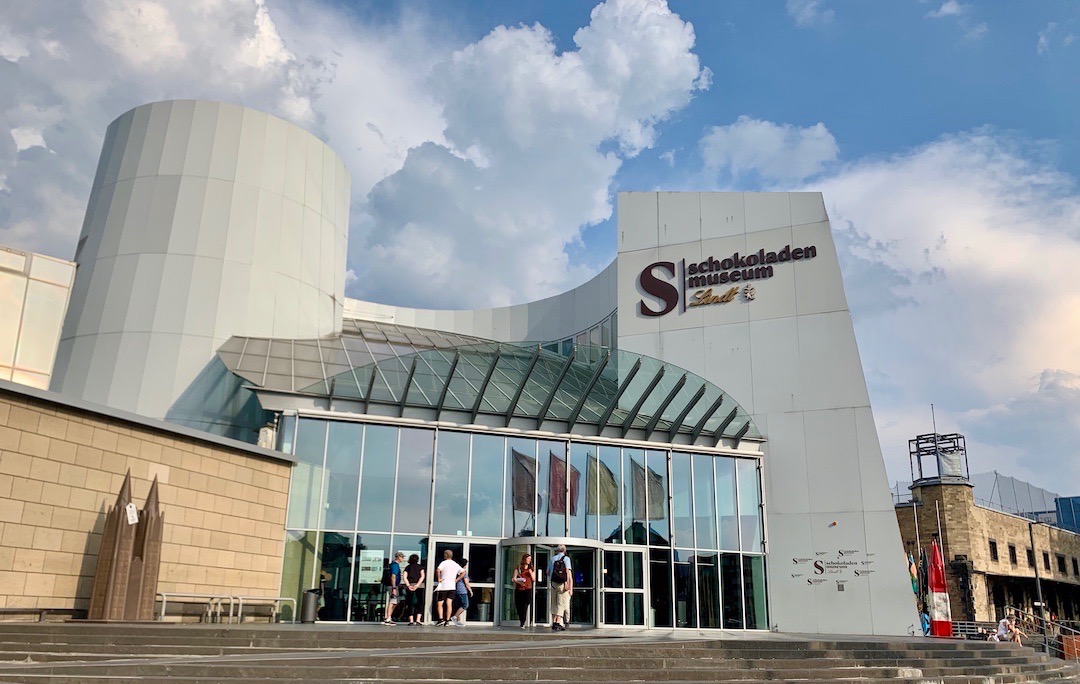
After spending time in Belgium and enjoying what I think is some of the best chocolate in the world, I was not expecting much from the Chocolate Museum in Cologne, Germany. However, I was pleasantly surprised. I really enjoyed the museum and the chocolate and visited the museum twice to indulge in its treats. Founded by Hans Imhoff in 1993, the museum offers you a visual step by step guide on how they make Lindt chocolate.

There is a transparent chocolate factory. It starts with the path of the cocoa bean from the roasting machines to a wrapped chocolate bar. There is even a robot on the production line that will serve you a freshly made little bar of Lindt chocolate.

This is where magic is made!

The museum has an impressive chocolate fountain where you can grab a fresh taste of yummy chocolate. The fountain has the backdrop of the beautiful city and Europe’s longest and most important river, the Rhine.

It is a great place to take your kids. They can see how Lindt makes chocolate figures, such as Easter bunnies, elephants or Santa Clauses from liquid chocolate. They can also create a personalized chocolate bar from a combination of three types of chocolate and lots of ingredients.

There is also a historical section in the museum. It provides information on the first societies that experienced chocolate, the history of the chocolate drink, and the industrialization it took to manufacture large quantities of chocolate.

Chocolate museum 2
Visit the Chocolate Shop

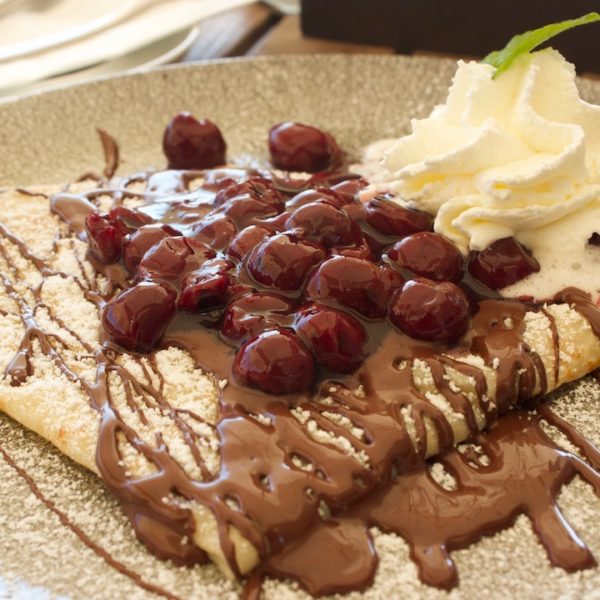
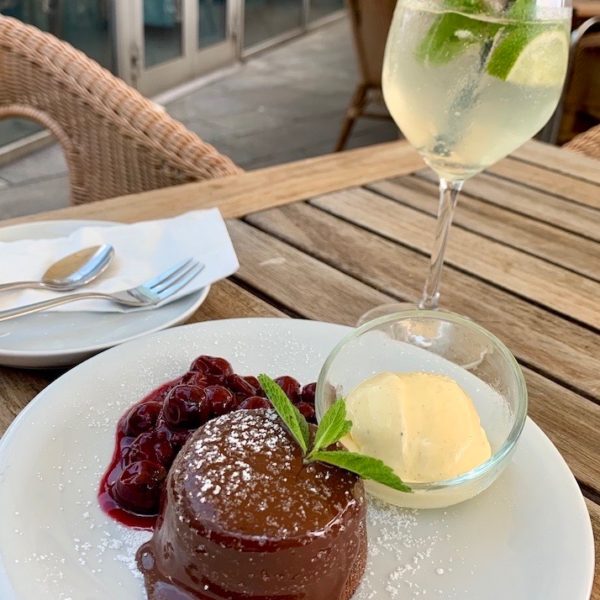
While the museum is fantastic, my favorite part was enjoying delicious chocolate treats at the Chocolate Museum cafe, Chocolat Grand Café. They have beautiful cakes and chocolate pastries. You can enjoy them outside while sitting along the Rhine! I had a chocolate soufflé and a crepe with cherries and chocolate. Not on the same day of course! Do not forget to stop at the Chocolat – Premium Chocolaterie on your way out of the museum to buy freshly made chocolates, pastries, and gifts.

Chocolate Museum 3
chocolate museum 4

France – 10 Things to Consider Before Traveling

10 things to consider before traveling to France

France is a country has grown on me over time and after several trips. Now, it is one of my favorite places to visit. While Paris generally is the first destination of choice for tourists, it is those places outside of Paris with beautiful landscape, cute shops, small streets, and houses with old world character that have made me fall in love with France. Since it took me some time to feel comfortable in France, here are 10 things to consider before traveling to help you fall in love with the country quicker.

25 Tips For International Travel

Parlez vous anglais?

“Do you speak English? It is definitely a question you will be asked in France. If you are in Paris, the answer is likely to be yes or a little. However, outside of Paris, particularly in the countryside, the answer very well may be no. In some areas, not only do people not speak English, but essential signs may not be translated into English either. Google translate or a English-French phrase book will come handy during your travels.

Get outside of Paris

I know that when most people think about visiting France, Paris is their destination of choice. I understand why. Similar to New York City, it is a happening place that is full of culture, cuisine, and nightlife. However, I highly encourage you to get outside of Paris and see the other parts of France. I love the French Riviera and Normandy region. There is so much beauty in the country.  Even a train ride from Paris to the Champagne region will give you a different perspective of this beautiful country.

Normandy: 10 Things To Know Before You Travel

Sunday is a day of rest

In France, as with may European cities, many shops, restaurants, and museums will close early or be closed all together on Sundays. It is something you should consider when planning your trip. You probably do want to waste an entire day not being able to do anything because the entire country is shut down. Separately, be mindful that many museums and fine dining restaurants are also closed on Monday.

Siesta time…

Okay, it is not called a siesta in France, but many shops and restaurants close down between 2-2:30pm and 6-7pm everyday. If you are like me and regularly skip lunch because you get caught up in sightseeing, it may be hard to fill your belly if you wait past 2pm. If that is the case, then pack snacks or buy a sandwich earlier in the day and save it for this time of the day. 

Wow, it’s hot in here!

For some reason the regions outside of southern France, pretends like the hot summer weather does not exist in the rest of the country. Most hotels will have air conditioner, but do not be surprised if your Airbnb does not. Also, many shops and restaurant will not have air conditioning either. This is one of the most frustrating things about France for me. I know this may sound very American, but when it is 90 degrees, all I want is to eat a lovely meal without dying from the heat. It is probably one reason why the outside cafe is so popular in France. It generally feels nicer to sit outside.

Eating out, don’t be in a rush

The French love their food. Even more, they love taking their time enjoying their meals. If you plan to plant your bottom in a seat at a restaurant and enjoy any sort of beverage or meal, you should have patience. It can certainly take two hours to have a simple meal and several attempts to flag down your server to order of pay. Please do not think that it is because the French do not want to give good customer service. It is just that their priorities are different. First, the French generally do not live off of tips, so they are not looking to turn over tables quickly. Also, as I mentioned, they expect you to take a lot of time to enjoy your food and company.

Why is my meat so bloody?

We all have our preferences when it comes to the temperature of our red meat, and we expect the chef to prepare it correctly. However, the French have a different interpretation than Americans and it is possible you will not be satisfied with the bloodiness you are likely to encounter. There are generally 4-5 terms to describe meat temperatures in French: Blue (rare), Saignant (medium rare), à point (medium), cuit (medium well), and bien cuit (well done). No matter which one you order, they will all be slightly more undercooked than what you would normally expect in the US.

Coffee

Coffee in France is expensive and not always great. Granted, I generally think I have had decent cappuccinos and café au laits in Paris, but I only drank maybe one or two decent coffees my entire time during my recent trip to the Normandy region. It is generally watery and does not taste quite like coffee. For 3.5-4 Euros, you can get a tiny cup of cappuccino that really is only half full. Maybe they make poor coffee to draw you to France’s other great beverages, such as wine, champagne and calvados!

Fun facts about France

Dogs are welcome

Many restaurants in France allow dogs to dine with their owners. Generally there are no objections to dogs being with their owners outside, but you will often times see them indoors as well.

Watch your Step

Speaking of our furry best friends, I do not think it is mandatory to pick up dog poop off the sidewalks or the grass. In what I consider to be an extremely walkable country, it truly surprised me to see so much dog poop everywhere. Literally dogs go in the middle of a sidewalk, and the owners leave it there. Watch your step!


10 Travel Tips for Brussels, Belgium

10 Tips for Travel in Brusseles

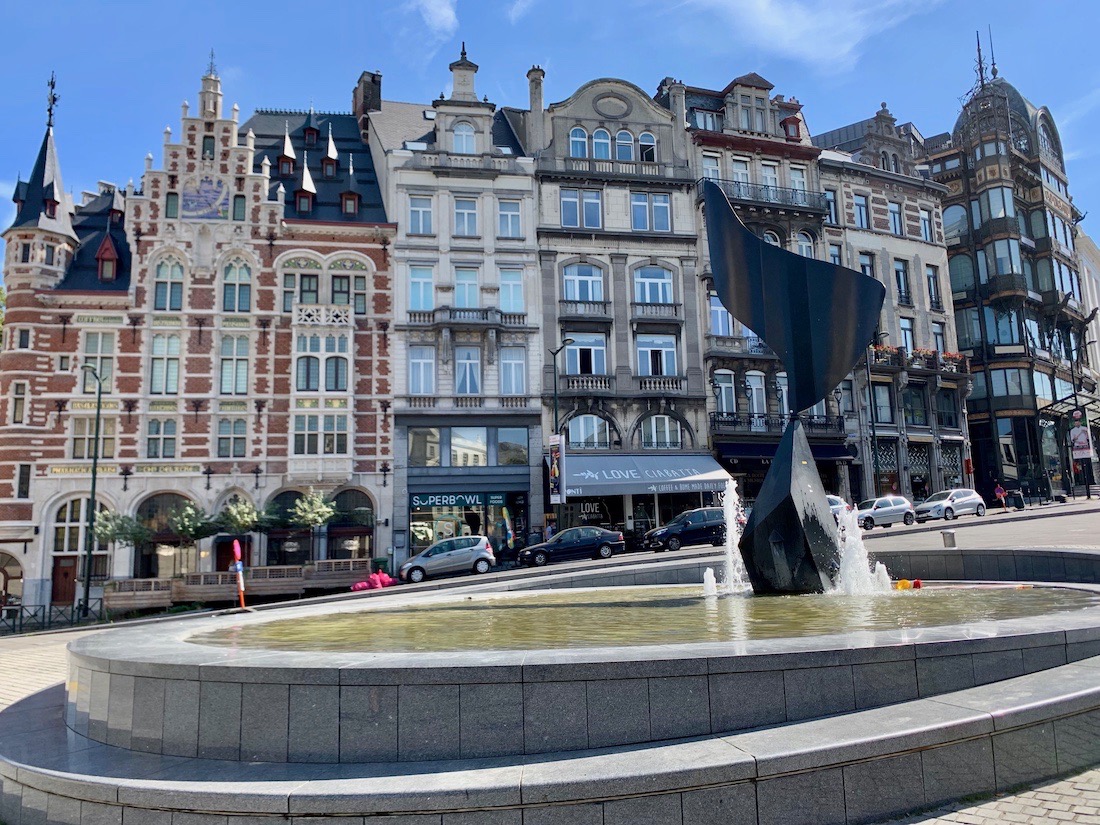
Brussels, Belgium, is a very cute European city that is known for diplomacy, good food and a large variety of Belgium beer. There are so many interesting things you can do in a short amount of time. Before you plan your trip, take a look at my 10 travel tips for Brussels.

Vibrant City Center

There are many interesting neighborhoods in Brussels, but if you only have a short time to see the city, my travel tip is that you should focus on the city center. There are lots of restaurants and souvenir shops for you to indulge in. As a matter of fact, all of Belgium’s treats, including chocolate, Belgium style French fries, Belgian waffles, and beer are within walking distance of each other.

Get outside of Brussels

Brussels is one of the most lovely cities I have ever traveled to. However, if you have several days to spend in Belgium, you should definitely get outside of the city. I loved Bruges and Antwerp, but you should also consider traveling to Dinant and Ghent.

Enjoy Belgium’s treats

My favorite thing about Belgium is the food. The Belgian waffles and twice-fried frites (French fries) are must haves. For beer lovers, Belgium brews over 800 varieties of beer. As a chocolate lover, I must mention Belgian chocolate. It is a kind of unforgettable, melt in your mouth experience you should not pass up!

Visit the Museums

If you are into museums, do not overlook this travel tip. Belgium has some fantastic museums, and you should build in lots of time to visit them.  One of my favorites is the Magritte Museum. It has the largest collections of works by the Brussels surrealist René Magritte.

Getting Around

I never thought I would have to offer this travel tip for Brussels since Belgium is an international country. But, you should know that it may be hard for you to get around if you do not have some French. I have done a lot of travel around Europe, and I think Belgium is one of the easiest places to get around. But that is in part because know some French. I rarely saw signs in English, and it took me a little longer to figure out where I was supposed to be. As in most European big cities, Brussels is completely walkable and public transportation is widely available.

Sundays are slow

A big travel tip for Brussels is that the city is sleepy on Sundays. As in most European countries, many things are closed on Sundays. Tourist shops and museums are generally open.

See Europe from Belgium

Belgium is a great central location to take day trips to several other European countries. In about 2 hours or less, you can take the train from Brussels to Amsterdam, Paris, Cologne, or Luxemburg City.

Languages

The official languages of Belgium are Dutch, French, and German. Some people also speak Flemish, which is rooted in Dutch. While most people speak some English, do not assume that everyone will be able to understand you. Learning a few words in French will go a long way.

SIM card, please…

Getting a SIM card for my cell phone was harder to find than expected. I was only able to find cards to recharge cell phone minutes at the airport and most convenient stores. It did not help that I arrived on a Sunday and for only one day. Since many shops are closed on Sundays, I was never able to purchase a SIM card.

Where is the Air Conditioner?

Imagine walking into an ice cream or coffee shop in the middle of august. All you want is some relief from the hot sun, but it is hotter and stuffier inside the shop than outside. Where is the air conditioner??? Well, during my latest trip to Brussels, it was in the upper 80s with no chance of rain. It was super hot and I found myself going from chocolate shop to chocolate shop to find some cool air…okay, and to buy more chocolate. If you are traveling to Brussels during the summer, be prepared for hot temperatures with little relief.

Reviews: EgyptAir Coach and Business Class

Brussels and Egypt Air reviews

The reviews on EgyptAir coach and business class are mixed at best, but are generally horrible. I have flown one round trip domestic flight and one short leg in business class on EgyptAir, which I think was enough for me to get a feel for the airline. All of my flights on this airline originated in Cairo. The Cairo Airport can be a little crowded and nuts. Please note that you must show your travel itinerary to security before they will allow you to enter the airport. 

My first flight on EgyptAir was to Luxor, Egypt. Checking in was pretty easy and what you would expect out of any airline. Before you can enter into the gate area, security will scan your luggage. You must go through security again at the gate. I experienced this on both domestic and international flights, so you should give yourself plenty of time to make your flight.

For smaller, domestic flights, it is not clear if anyone is actually manning most of the gates and it is possible no one will announce when the flight is boarding.  I only knew that my flight was boarding because people started standing up. I still do not know how they all figured it out. In the same spirit, it is also difficult to know if, when and for how long your flight will be delayed. On my return flight from Luxor to Cairo, we waited and waited. We watched the clock tick by as our boarding and departure times came and went. We did not get a single update from the staff or on the departure board.

Flying Coach

The aircrafts are between old, and very old and falling apart. The coach flights were short and sweet. We were served drinks and a pack of cookies, which is pretty standard for most domestic flights. The stewardesses are not known for their hospitality, but they were very nice on both legs of my trip.

Flying Business

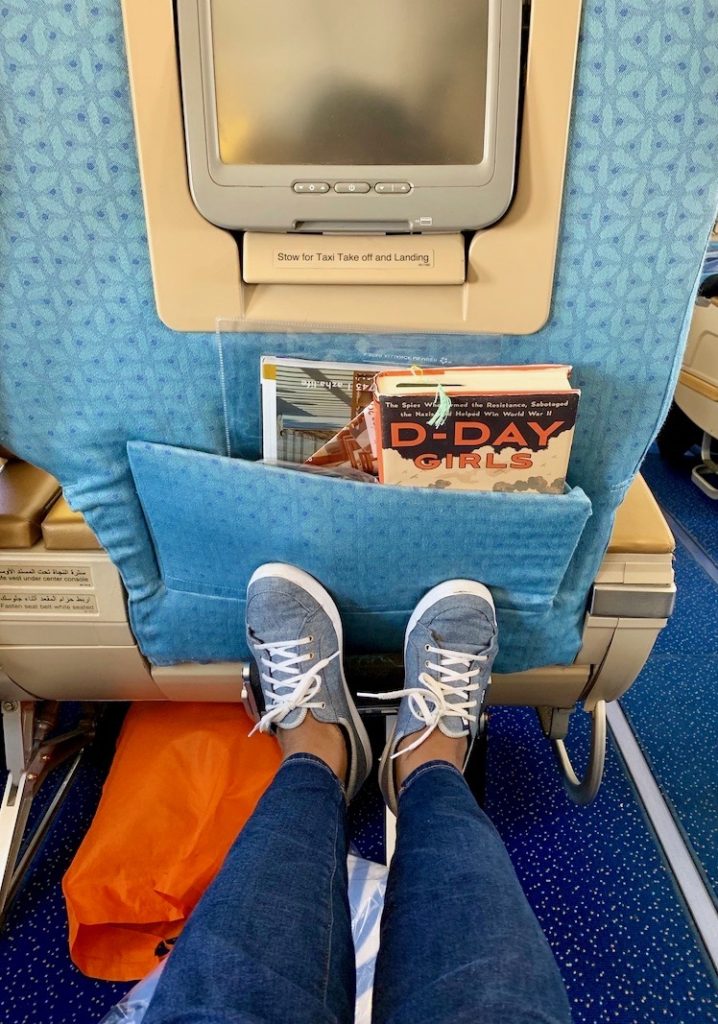
I flew EgyptAir business class to Istanbul Turkey. The trip was less than three hours and the seats were what you would expect for a short haul flight. It was an old plane and the TV monitors were falling apart. However there was plenty of leg room. I am short, but it was till nice to be able to fully extend my legs. The seats laid back about half way. We received a pillow and blanket, but not travel kits.

EgyptAir coach and business class
Business Class from Egypt to Istanbul, Turkey

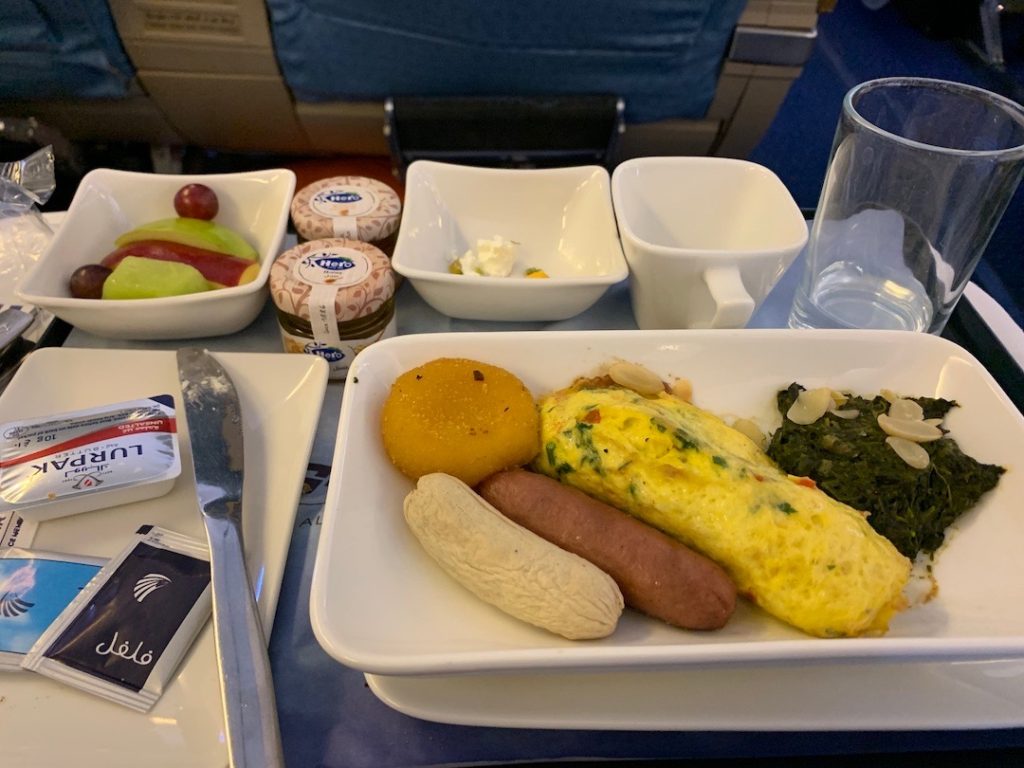
To be honest, the food was pretty horrible. The business class food looked and tasted like United Airlines’ economy class food on international flights, which I never eat because it is so bad. They serve it on real plates, but that’s the only thing good about it. Even worse, EgyptAir is a dry airline. They do not serve alcohol, but they will allow you to bring your own onto the plane. They will give you a glass and ice if you ask.

EgyptAir coach and business class

EgyptAir is known to cancel domestic and international flights with regularity and without notice. I only flew this airline because I had no other choice. If you must fly this airline, I recommend that you have a back up plan just in case you get stuck.

25 Tips For International Travel

25 Tips for international travel

Traveling overseas for the first time or if you are not a regular traveler can be daunting. I get it. For full disclosure, my first international trip to Scotland was completely planned by my college. I am sure it would have been a stressful trip if someone had not done everything for me. Now that I have traveled to more than 40 countries, I have 25 tips for international travel.

Should I use a travel agent?

Deciding whether or not you want to use a travel agent will likely depend on what kind of trip you want to take. Early in my travels, I used a travel agent. However, as I gained more experience, I realized that I was doing all of the research for my agent. Over time, it became easier to book all of my activities myself. I only use a travel agent if I have a complicated, multi-leg flight to book, since they have easier access to flights.

Join a tour group for places that are difficult to navigate, such as China. I also recommend that you use tour companies for day trips to get the most out of your trip. Companies usually provide transportation, history, information, and lunch. I use tour companies for everything; wine tasting, walking and bike tours, and food experiences.

There are plenty of times when you will want to and should go it alone. For all other times, Viator.com or Get Your Guide are great places to start.

Best time of year to travel

I know that most people can travel only certain times of the year, which can be dictated by work and kids’ school schedules. However, if you have the freedom to chose when you travel, it could make a big difference in how much money you spend, whether or not you will have good weather, and if will you have to navigate large crowds. I always do research on when it is the best time of year to visit any country before I start making plans.

Buying plane tickets

When to purchase plane tickets

Timing the purchase of your plane ticket is important. The closer you get to your departure date, the more expensive the plane ticket will be. Buying too early could also cost you extra money. Generally, the best time to book your international plane ticket is between 3-4 months before your departure date.

How to purchase plane tickets

Just as you would for a domestic trip, I recommend that you use Orbitz.com, Priceline.com, or Cheapair.com for your search to compare prices, unless you are 100 percent loyal to a particular airline or plan to use miles. If you are particular about where you sit on the plane, check out Skytrack to help you chose your seats.

Needed Documents and Fees

Passports

Passports are required for all international travel. For those of you who already have a passport, remember that it must be valid for at least six months after the date you plan to travel. Passports can take 4-8 weeks for processing, so give yourself enough time. Once you receive your passport in the mail, make sure to sign the front page, make a copy of your bio page and store it in your luggage in case your original is lost or stolen. Check out Travel.state.gov to get additional information on the process.

Visas

Some countries require US citizens to obtain a visa for tourist travel. You will definitely need a visa for travel to most of Asia, Africa, and the Middle East. The visa process is different for each country, so as soon as you know you plan to travel, check out travisa.com to find out if you need a visa and the requirements for the application.

Itinerary and vouchers

Keep a hard copy of all of your flight itineraries and hotel reservations. Some airports, particularly in Africa, require you to show a copy of your flight itinerary before they will allow you to enter the airport. You should keep a copy of all hotel and Airbnb reservations just in case you have to prove that you booked a room.

I also recommend that you print all your vouchers for your tours. Most companies allow you to show the voucher on your phone, but keep a hard copy as a backup.

Country entry and exit fees

Some countries require an entry or exit fee at the airport. Most of the time, this fee is built into the plane ticket but occasionally, you will have to pay the fee in person. For more information about the specific country you plan to travel to, check out Americans Traveling Abroad on the US State Department webpage.

Money

Cash

You should always have some cash on you when you travel. Day to day life in most countries is cash based and you will not be able to use credit cards in some taxies or shops. I never use currency exchange booths unless they are the only option, which is extremely rare, and I always get money in country instead of exchanging money in the US. You will get the best exchange rate by withdrawing money from ATMs.

I always stop at the ATM at the airport when I land. Be aware, that most US banks charge a fee for the withdrawal and another fee for exchanging it to a foreign currency. For this reason, do not make too many trips to the ATM. Try not to use debit cards for day to day activities to protect yourself against fraud and unwanted fees. You should use reputable ATMs in well lit areas or inside banks.

Tip: If you have too much cash left at the end of your trip, you can ask the hotel to apply it to your bill and then pay the balance with your credit card.

Credit Cards

Most American credit cards work throughout the world. Visa and MasterCard are widely accepted in hotels, restaurants, and some shops. Contrary to what many people say about the threat of fraud if you use your credit card, I use my credit card over cash every chance I get. I earn points that I can use for future travel. It also allows me to save my cash for those times that I actually need it. Also, most credit card companies offer some sort of protection for some of your travel, to include lost or stolen luggage.

Tip: Write down the phone numbers of your credit card companies just in case your cards are lost or stolen and you need to call them to cancel your card.

Call your bank and credit card companies

Call your bank and credit card companies to alert them of your travel. That way they do not put a hold on your card for what they will perceive to be suspicious activity.

Know the money exchange rate

Find out of the money exchange rate before you travel. An exchange rate is simply how much money or currency can you buy with the US dollar, which differs per country. Knowing the exchange rate tells you if the dollar is worth more or less than a dollar in that particular country, which will help you budget for your trip.

Health and Safety

Vaccines and medicine

It should not be a major concern for you, but I still recommend that you find out which vaccines are recommended for the country you are traveling to. Some vaccines are administered over a series of weeks or months, so plan accordingly. Also, you should fill all needed prescriptions before you travel as it will be difficult to get medicine overseas. Always carry your medicine with you and never pack it in your cheeped luggage.

Travel warnings

The world is an ever changing place. so you should check out the State Department’s travel advisories before you book your travel.

Travel insurance

International trips are expensive, so you may want to consider purchasing travel insurance in case you have to cancel your tip last minute due to unforeseen circumstances. Also, most health care insurance will not cover you during your overseas trip. Medical evacuation or emergency medical insurances may be worth purchasing before you trip.

Getting around

Renting a car

Renting a car overseas can give you a lot of freedom to see any country at your own speed. Some countries require you to have an International Driver’s Permit (IDP), which you can obtained from AAA. Check with your car insurance company to see if your insurance covers overseas car rentals. If not, then you will have to take the car company’s insurance.

What to pack

Luggage weight

Before you try to stuff your entire house into your suitcase, check out the airline’s luggage guidance on weight and size restrictions to avoid extra fees for checked and carry on luggage

Carry on luggage

Always carry your valuables in your carry on luggage. Your checked luggage may get delayed, lost or stolen. For that reason, I always keep jewelry, electronics, and medicine in my carry on. Also, pack an extra set of clothing in your carry on. My bags have been delayed a few times. That extra set of clothing in my carry on paid off until I received my luggage.

Electronics

Pack a charger adapter  and converter

Most countries will have a different plug size  than in the US, so you will need an adapter for your electronics to work. You are also likely to travel to a country with different voltage (American appliances run on 110 volts, while European appliances are 220 volts). Most new major electronics, such as cell phones, laptops, iPads, and cameras, will be dual voltage. However appliances like curling irons and blow dryers usually are not. You can purchase a converter, but I recommend that you just buy those types of electronics in the voltage of the country you plan to travel to because you will get much better output quality.

Phones

If you have an unlocked phone, I recommend changing out your SIM card at the airport when you land. If you have subscribed to a certain network, it will be expensive to use your phone overseas. Make sure to activate your global capabilities on your phone to help lower the cost.

Another way to get around high phone charges, is to rent a pocket WiFi device for your trip or you can purchase a WiFi hotspot. Personally, I prefer to just change out my SIM card. I’ve paid as little as $10 and as much as $35 for a SIM card with several GB of data and the ability to make phone calls. Even after 2 weeks of travel, I have never run out of data.

Travel apps

Travel apps can can help you navigate your trip. A few of my favorites are: Citymapper is my go to travel app to help me get around a city where I do a lot of walking or take a lot of public transportation. Google Maps of course is best when you are driving. Uber works all over the world and can be a more cost effective than taking a taxi.

Before you travel tips

Make a packing list

Simple things like deodorant and toothpaste can be more expensive abroad. Making a checklist will help you remember to pack the essentials.

Purchase things before traveling

Buy as much as you can in advance. Unless you must travel by the seat of your pants, it is better to book and pay for as much as possible before you board the plane. That includes my lodging and tours.  It saves you money and guarantees you will not be prevented from doing the things you want during your trip.

Stop your mail

If you tend to get a lot of mail, then go to your local post office and put it on hold during your trip. There is a big yellow form that you can fill out stating how long you want your mail held. You can drop completed forms in your mailbox.

Returning to the US

Know customs restrictions

There are several items travelers are not allowed to bring back into the US. Check out the US Customs and Border Protection website for a list of prohibited and restricted items.
Top 10 Things to Do in Luxor

Luxor

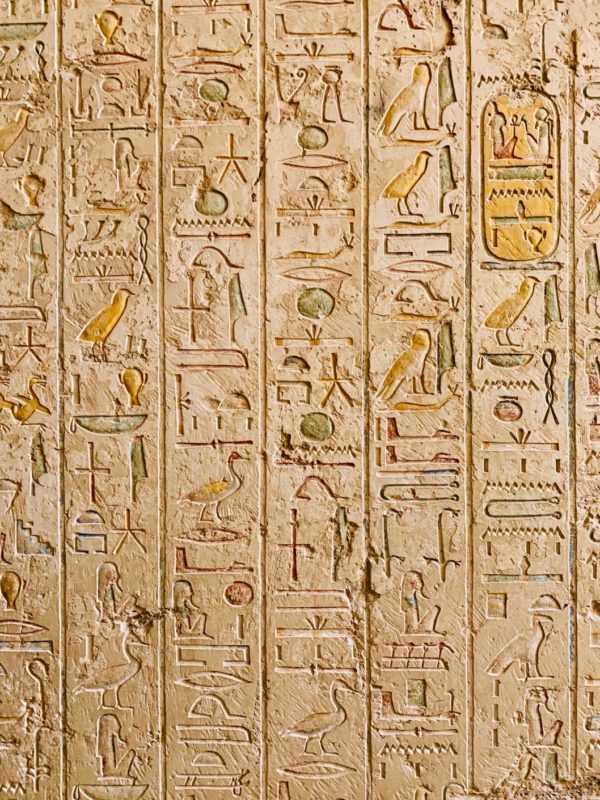
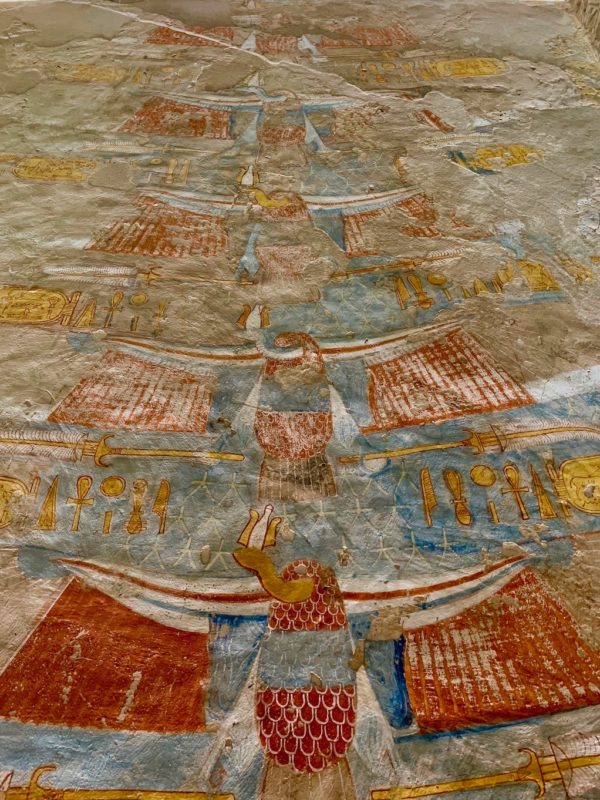
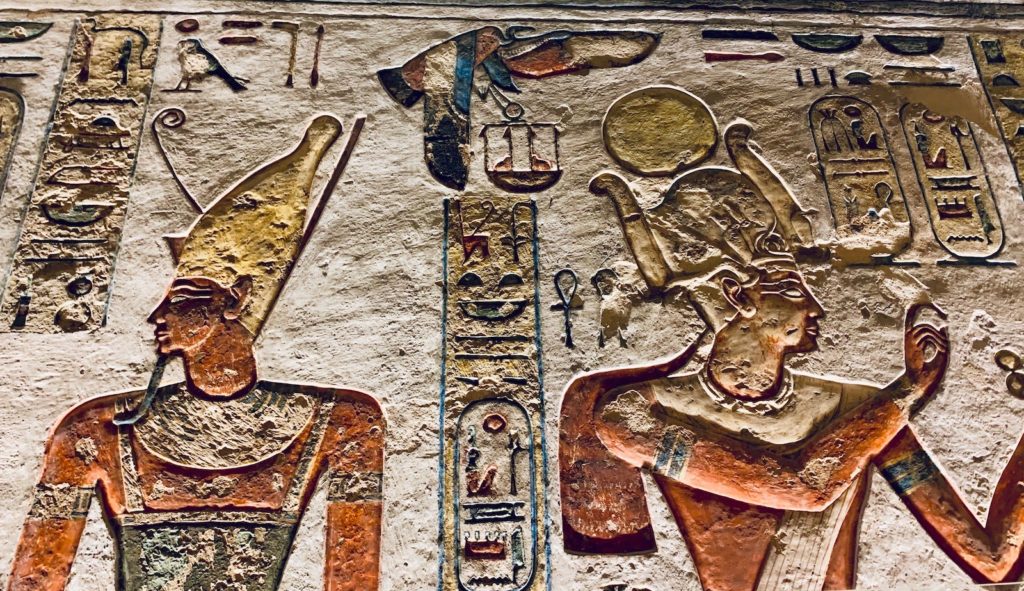
Luxor is a much quieter, smaller town compared to Cairo. However, it has some of the most well-preserved ancient ruins in the country. Many of the tombs still have colorful hieroglyphic writings, which is amazing considering that the writings are over 4 thousand years old. There are many things to see, so here are the top 10 things to do in Luxor.

1. Valley of the Kings

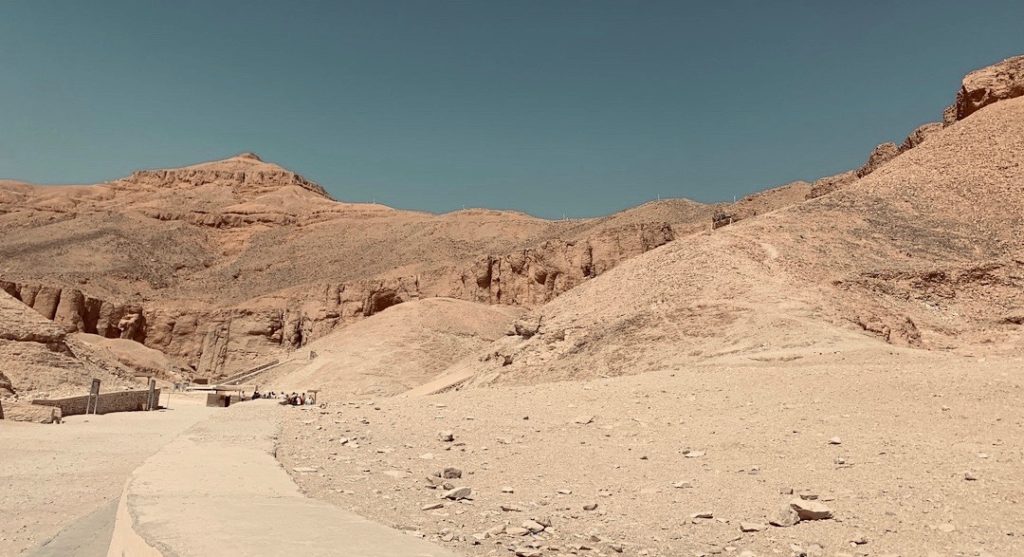
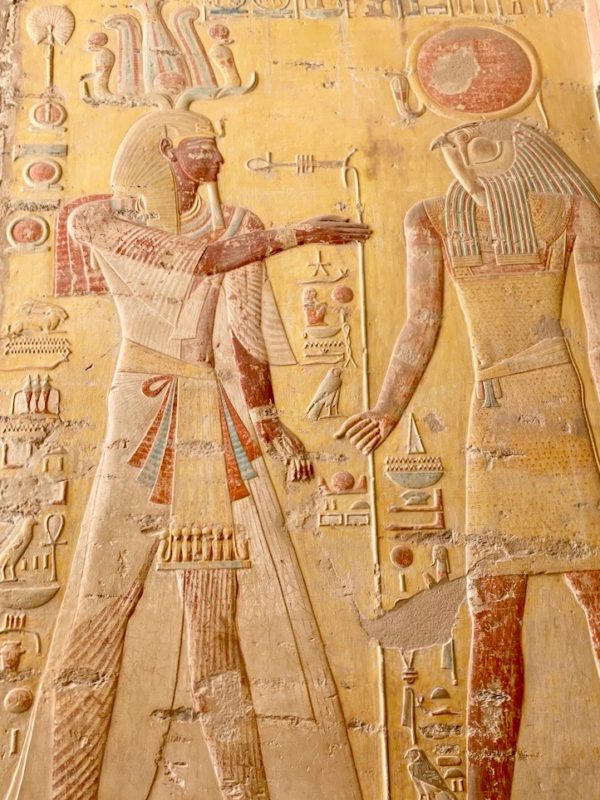
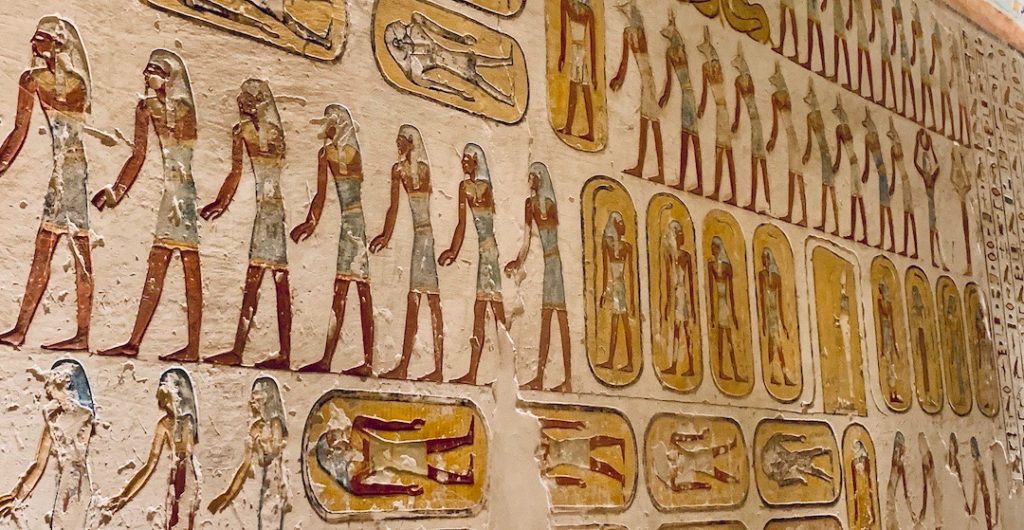
Valley of the Kings is located on the West Bank of the Nile and is where Egyptians built tombs into cut out rock for pharaohs and powerful nobles. There are 63 tombs and chambers in the valley and they are all located at different depths underground based on how long the person lived. The walls of the tombs tell stories of Egyptian mythology and funeral rituals. It is one of the highlights of Luxor.

Luxor_Valley of the Kings

2.  Tomb of Merenptah

The tomb of Merenptah is located in the Valley of the Kings. He was the son of one of the greatest pharaohs of Egypt, Ramesses II. The pathway to the burial chamber extends 160 meters underground. On your walk underground, there are beautiful and interesting decorations and color stretching from the ceiling to the floors.

Luxor_Valley of the Kings

3. Tomb of Ramesses III

Located in the Valley of the Kings, the tomb of Ramesses III is one of the largest in the valley. His mummified body is not available for the public to see, but it apparently set the framework for Hollywood’s depiction of mummies.

10 Tips for Travel in Egypt

4. Tomb of King Tutankhamun

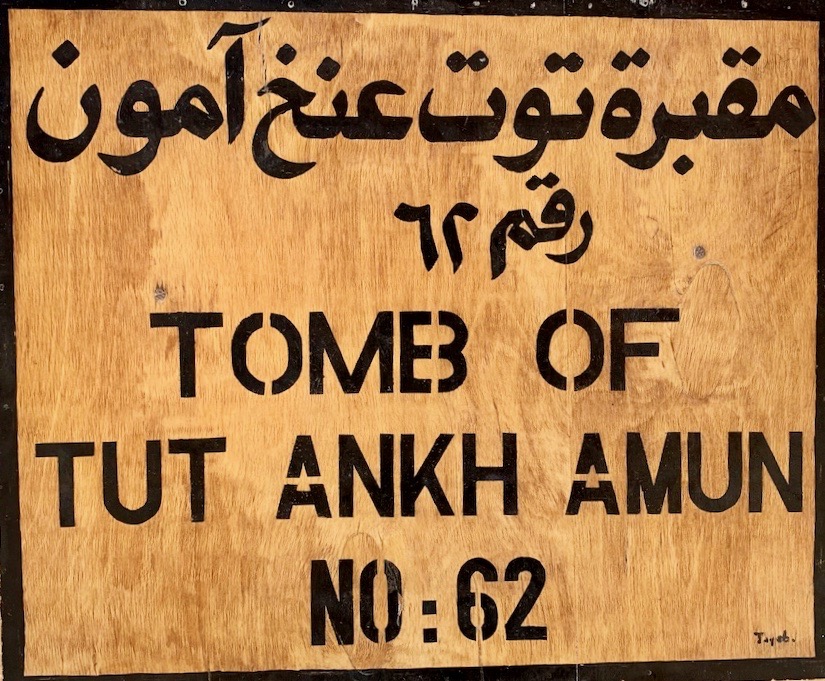
The tomb of King Tutankhamun (known as King Tut) was built quickly because he died at age 19. Because of his early death, the walls are only painted instead of carved. As a result, some would say that the paint has not survived well over time. It still looked amazing to me. You must buy an extra ticket (about $5) to visit King Tut’s tomb, but you will be able to see his mummified body, which is really cool.  You are not allowed to take photos in the tomb, even if you have a photo pass.

Luxor_Valley of the Kings

5. Tomb of Ramesses VI

His tomb is one of the largest in the Valley of the Kings. During his reign of only six years, he took on a large building program in Upper Egypt. His mummified body is now located in the Egyptian Museum.

Luxor_Ramesses III

6. Temple of Queen Hatshepsut

Luxor_Queen Hatshepsut

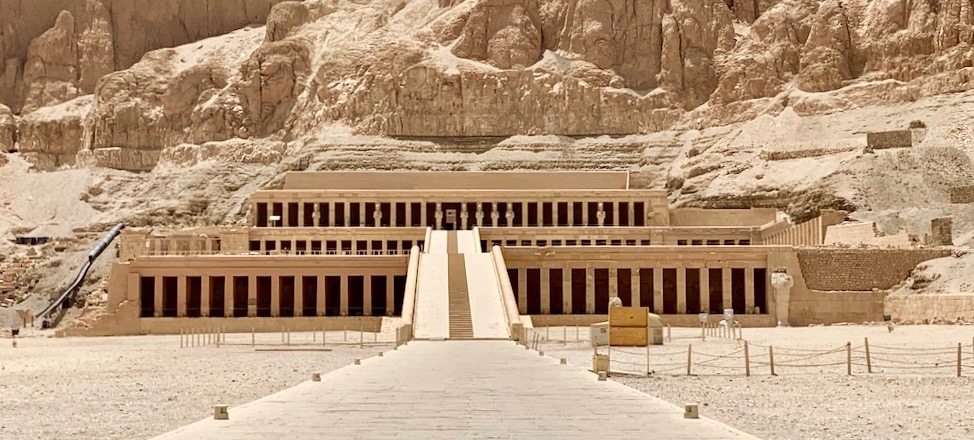
The Mortuary Temple of Hatshepsut is located near the Valley of the Kings. It is thought to be one of the “incomparable moments of ancient Egypt.” It has undergone quite a bit of restoration, but that does not take away from the interesting nature of the place. For architecture lovers, Hatshepsut’s temple is considered the closest Egypt came to classical architecture. Hatshepsut was the fifth pharaoh of the Eighteenth Dynasty of Egypt. She was the second historically-confirmed female pharaoh.

7. Karnak Temple

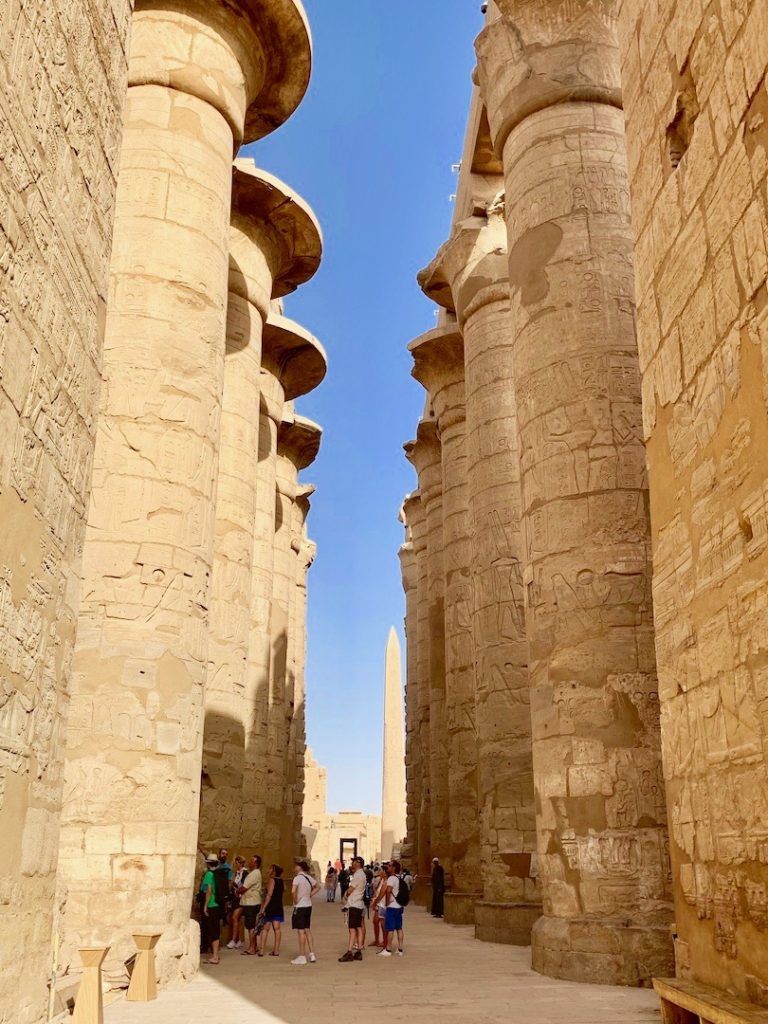
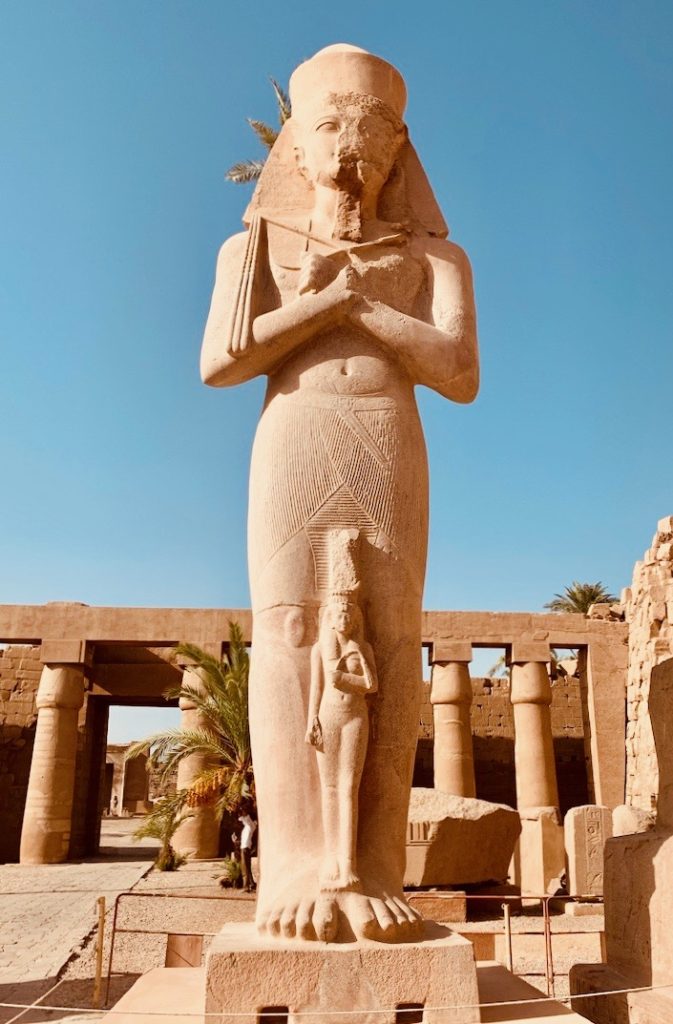
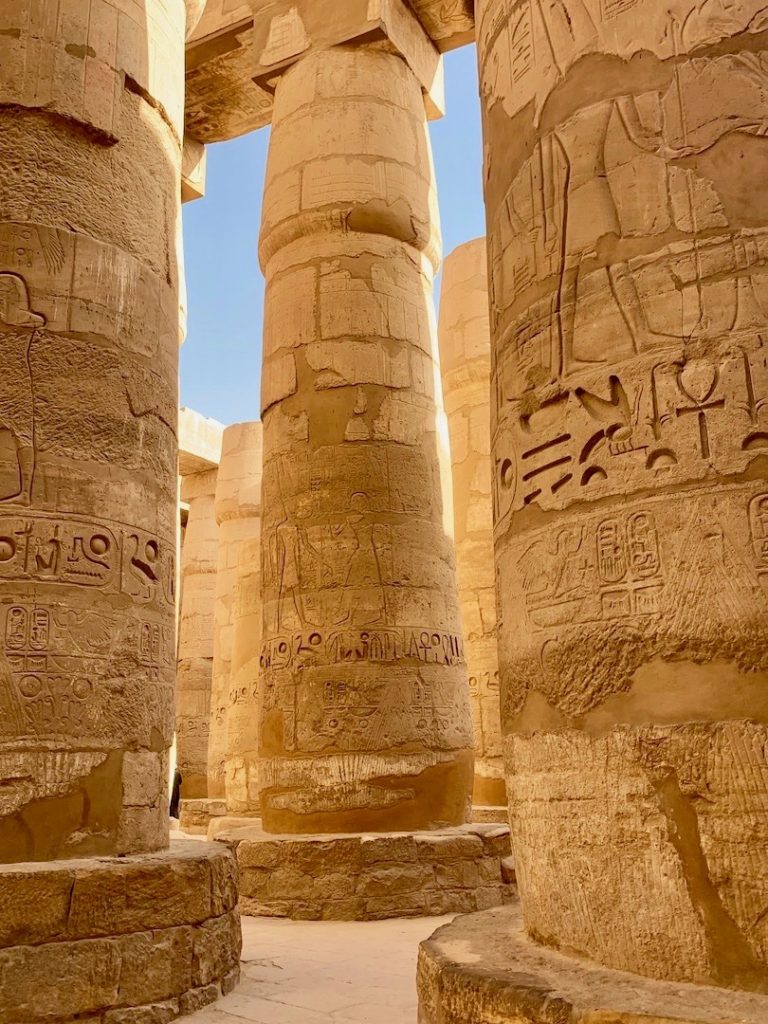
The Karnak Temple dates from around 2055 BC to around 100 AD. It is one of the largest religious buildings ever constructed. The place is massive and it is a wonder how the Egyptians even built it. Egyptians celebrated the end of the annual agricultural cycle at Karnak and Luxor for twenty-seven days. During the festival, the people were giving over 11,000 loaves of bread and more than 385 jars of beer.

8. Colossi of Memnon

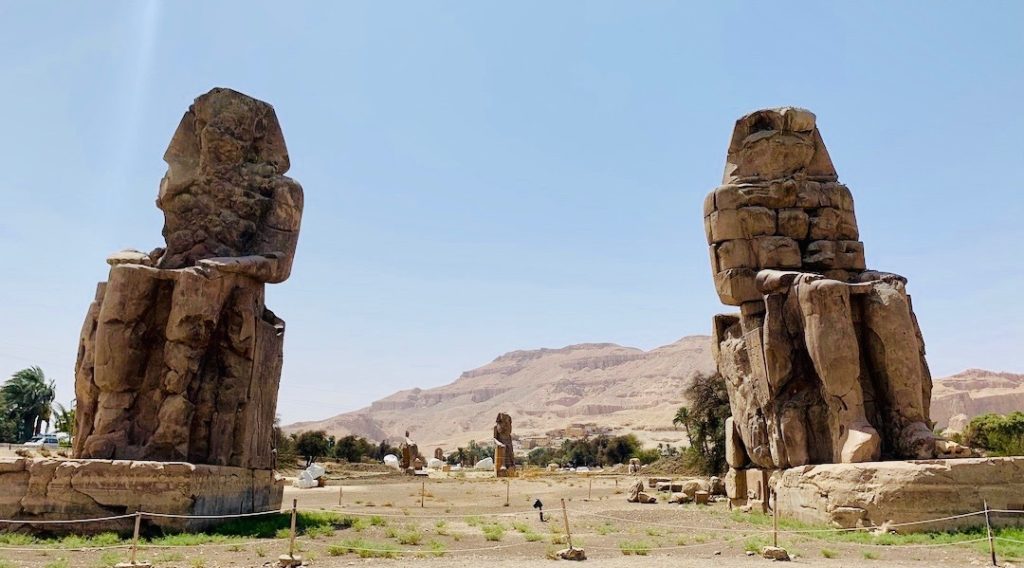
The Colossi of Memnon are two statues of the Pharaoh Amenhotep III, who reigned in Egypt during Dynasty XVII. The name comes from Memnon who was know as a hero of the Trojan War. Floods from the Nile and a large earthquake in 27 BC did a lot of damage to the statues, but their large size still feels like they are the gateway to the city.

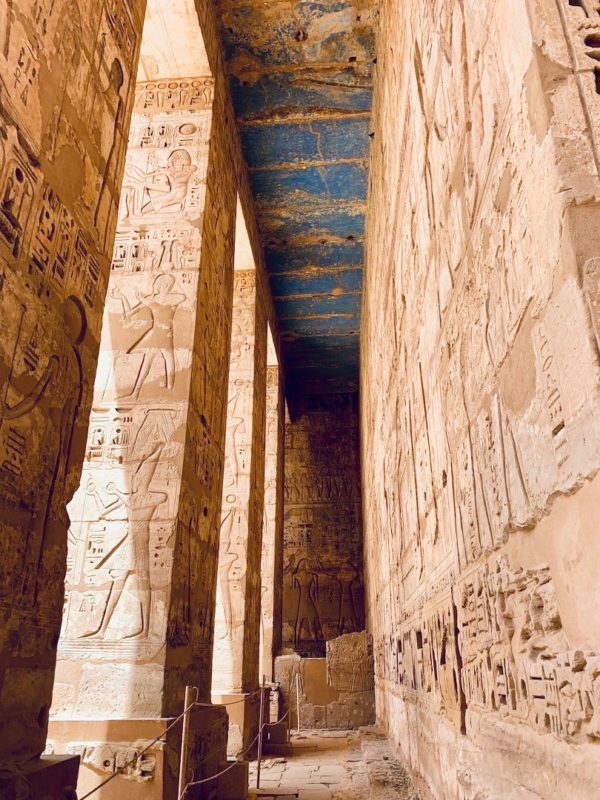
9. Medinet Habu (Mortuary Temple of Ramesses III)

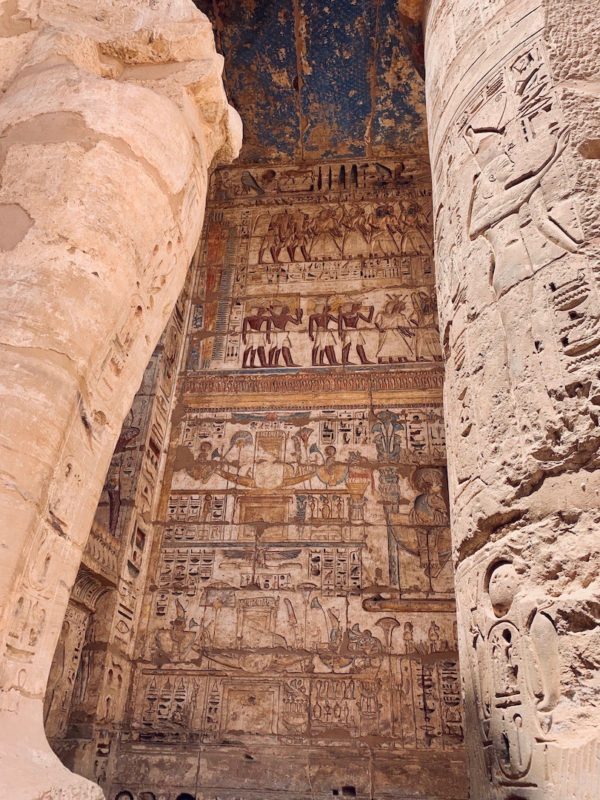
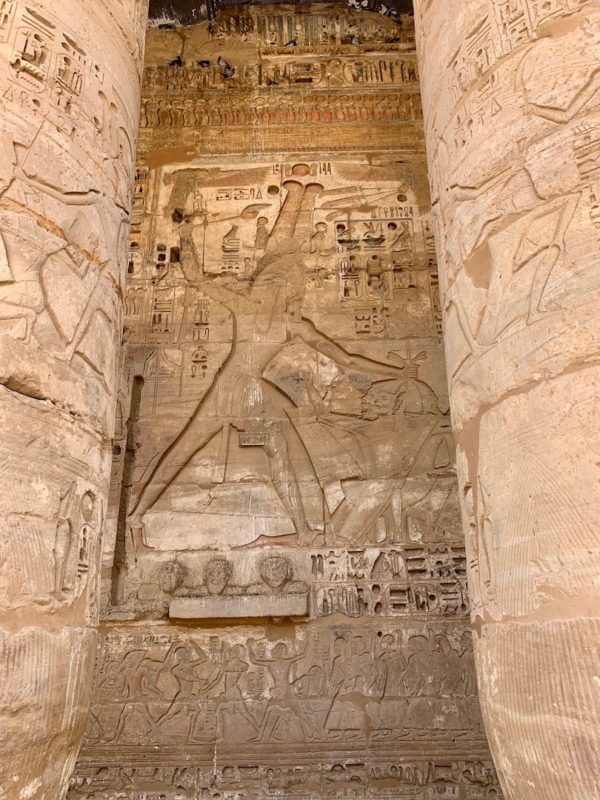
The Medinet Habu is located on the West Bank of Luxor. Tourist rarely visit the temple, but it is worth the visit, since the walls still have a lot of detail. It is known as the best source of inscribed reliefs depicting the advent and defeat of the Sea People during Ramesses III’s reign.

Luxor_Medinet Habu
Luxor_Medinet Habu
Luxor_Medinet Habu

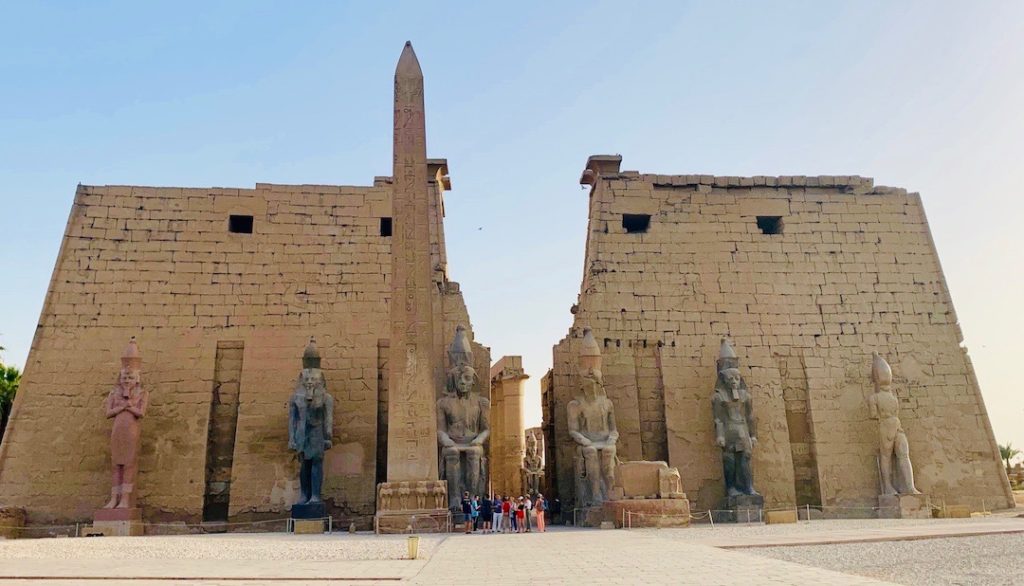
10. The Temple of Luxor

The Temple of Luxor, also known as the southern sanctuary, is the site of the famous city of Thebes. It is unlike most of the other temple, since it is not dedicated to a god or specific king’s death. However, it may have been used to rejuvenate kingship. In front of the temple is the avenue of the Sphinxes, which ran all the way to the temples at Karnak. Visit the temple at night when it is all lit up and looks like it came right out of a Hollywood movie.

Luxor_Luxor Temple

Egypt Travel Guide: Is Travel to Egypt Safe?

Egypt Travel Guide: Is travel safe in Egypt

Egypt is a desirable place to visit. There is a lot of history and beauty one can experience there. However, many people ask is travel to Egypt safe? Before you book plane tickets and tours, you should be aware of the current political and security environment.

Recent History

Cairo has experienced a lot of change. Long-time leader Hosin Mubarak was removed from power during the Arab Spring uprising in 2011. Recently, retired Field Marshal Abdel Fattah al-Sisi was elected president in May 2014. That was almost a year after he removed Muslim Brotherhood’s Mohammed Morsi from office. Since then, crowds and protests can form quickly. Do not stick around if that happens. If you are traveling with a group,  you should have a plan for if you get separated.

Current travel risks, warning

During my recent trip to Egypt, British Airways and Lufthansa canceled all flights to and from Cairo because of a security threat. The US Department of State in July 2019 released a travel warning. It advised travelers to exercise increased caution in Egypt due to terrorism. The Sinai Peninsula (with exception to travel to Sharm El Sheikh by air) and the Western desert are off limits due to terrorism. The Egyptian boarder is also off limits to travelers because it is a military zone.

General Safety

As with travel to any country, there is the potential for petty theft. However, street crime is not that common in Egypt. You should be smart and not take expensive jewelry or belongings. Make sure you carry small amounts of money and bills. I do not recommend taking any form of public transportation in Cairo as they are at risk of terrorist activity and crime. You should also keep a form of identification on you at all times. If you prefer not to carry your passport, make a copy of it and keep that with you.

Traveling as a woman in Egypt

You will almost certainly experience unwanted attention or be harassed by men during your trip. It may just be cat calling, whistling, or horn honking. However, it is also possible that someone one will try to grope you. However, it is rare for men to commit violent crime against women. Remember Egypt is a Muslim country. Dress conservatively. Do not wear shorts or short dresses. Cover your arms. T-Shirts are okay, but the longer the sleeve the better. Women do not have to cover their heads.

10 Tips Before Traveling to Egypt

10 Tips for Travel in Egypt

Traveling to Egypt can be overwhelming. English is not widely spoken and unless you have grown up in the Middle East, it can be difficult to navigate the culture. Here are 10 tips before traveling to Egypt to help make your journey easy and allow you to enjoy everything the country has to offer.

Arriving in Egypt

Visas are required for Americans traveling to Egypt. It cost $25 for a single entry, 30-day visa, which you can obtain on arrival. You can also get a multiple entry visa for $60. Be mindful that Egyptian immigration officials have denied entry to travelers without explanation, however is rare. If you are arriving from Israel or Gaza, check out the US Department of State’s travel website for additional information.

Departing Egypt

Make sure you have a copy of your flight itinerary with you. You will have to show it to security before they allow you to enter the airport in Cairo.

Safety in Egypt

Crime in Egypt is actually quite low. Occasionally, travelers may have their purses or backpacks snatched off their arms by people riding by on motorbikes, but that is rare. The main concern is an increased risk of terrorism in Egypt, particularly in Cairo. For more information, read my post on is it safe to travel to Egypt in 2019? 

Hire a tour guide

You can definitely get around Cairo via taxi, but I recommend that you join a tour group to visit the sites. You can also work through your hotel, but I can guarantee they will be way more expensive to provide the same or lesser experience. I used Emo Tours Egypt. They were very knowledgable and took great care of me during the tour. Egypt Tours also has great reviews. Without a tour guide, you may be subjected to harassment from the locals who want to show you around the city for pay. You may also be taken advantage of and scammed.

Checkpoints

There are checkpoints all over the city, so do not be worried the first time your driver gets stopped. They will generally ask the driver where you are going, how many people are in the vehicle, nationality, are there any VIPs, and your follow-on destination.

Public Restrooms

You generally have to pay a small fee, about 5-10 EGP, to enter public bathrooms. You may also want to keep a small amount of toilet paper with you. Be mindful that sometimes the toilet paper is located at the bathroom’s entrance rather than the in the stalls.

No PDA

You should remember that Egypt is a Muslim country. While there is a mix of religious and secular behavior, public displays of affection should still be avoided. It is a lot more common and customary to see to men greet each other with a kiss as a sign of friendship.

Dress

As I mentioned above, Egypt is a Muslim country, so conservative dress is appropriate. I did see a lot of men and women tourists wearing shorts and spaghetti strapped tops, but I do not recommend it. You will draw lots of attention from the locals and your goal should be to blend in, not stand out. Egypt is blazing hot during the summer, but I still recommend that you not wear shorts. Women should not wear low cut tops or short shorts. Women do not have to cover their heads.

Egypt is warm and hot!

I have been to Egypt twice. I traveled in February, when it was about 70-75 degrees and in July, when temperatures reached almost 120 in Luxor. Most of Egypt’s main attractions and “museums” are outdoors. Being outside for 10 or more hours a day in very hot weather can be rough on most people. I recommend that you pack a hat, sunscreen, and lots of water if you plan to travel to Egypt during the summer.

Be mindful of unlicensed tour guides

If you are wondering the sites in Egypt and it is clear that you are not part of a tour group, locals or uncertified tour guides, will try be helpful and show you around. It may seem like they are just helping you out of the goodness of their hearts and out of pride for their country, but they are looking to be paid. It could be as simple as pointing you in a direction. In Egypt, the art of asking for a tip is called Baksheesh

This also applies to people trying to assist with your luggage when you leave the airport or enter your hotel. If you let anyone take your baggage at any point, they will ask for a tip. There is nothing wrong with this if that is what you want to do. However, be aware that if you pull money out, you may soon have a crowd around you.

Cell phone access. It is worth it!

Taking an unlocked phone or one that will work on the Egyptian network will save you a lot of headache. Many Egyptians do not speak English, so simple things like getting in a cab and providing directions can be a challenge. Being able to use your phone to map out where you need to be or order an Uber, will make your trip much easier.